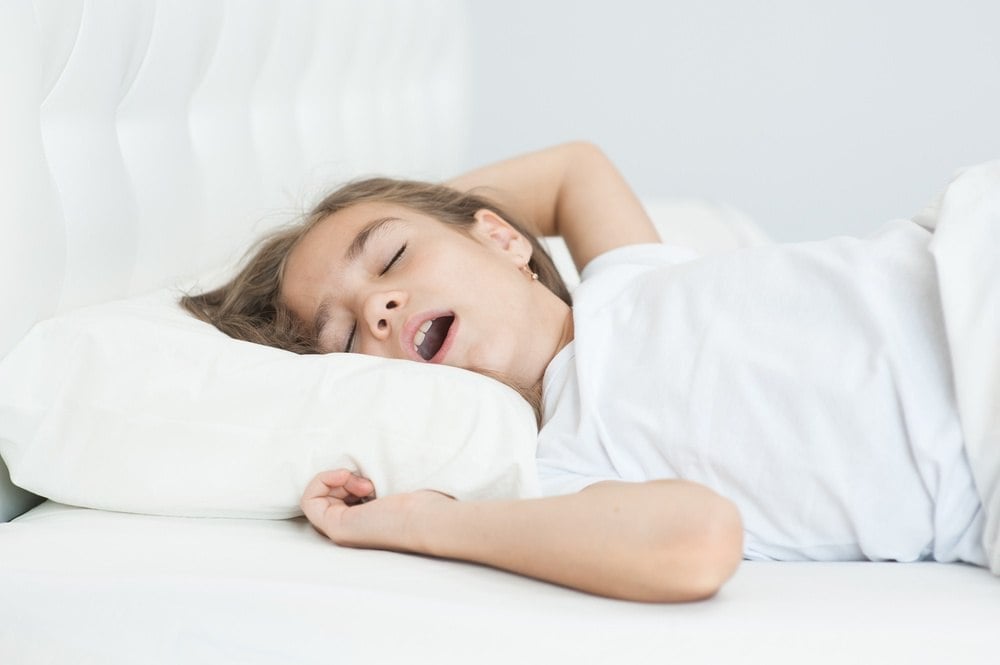
Loud snoring—especially when accompanied by daytime sleepiness or fatigue—may be a sign of sleep apnea, a common but serious disorder that impacts breathing. Here’s what you need to know.

What is sleep apnea?
Sleep apnea is a sleep disorder in which your breathing is repeatedly interrupted during sleep. These breathing pauses typically last between 10 to 20 seconds and can happen from 5 to over 100 times per hour.The lack of oxygen during a sleep apnea episode jolts you awake—usually so briefly that you don’t remember it. But these disruptions to your natural sleep rhythm mean that you spend more time in light sleep and less in the deep, restorative sleep you need to be energetic, mentally sharp, and productive the next day.
Sleep apnea can also cause many health problems—in some cases deadly. So it’s important to take it seriously. If you or your bed partner suspect sleep apnea, talk to your doctor without delay.
Types of sleep apnea
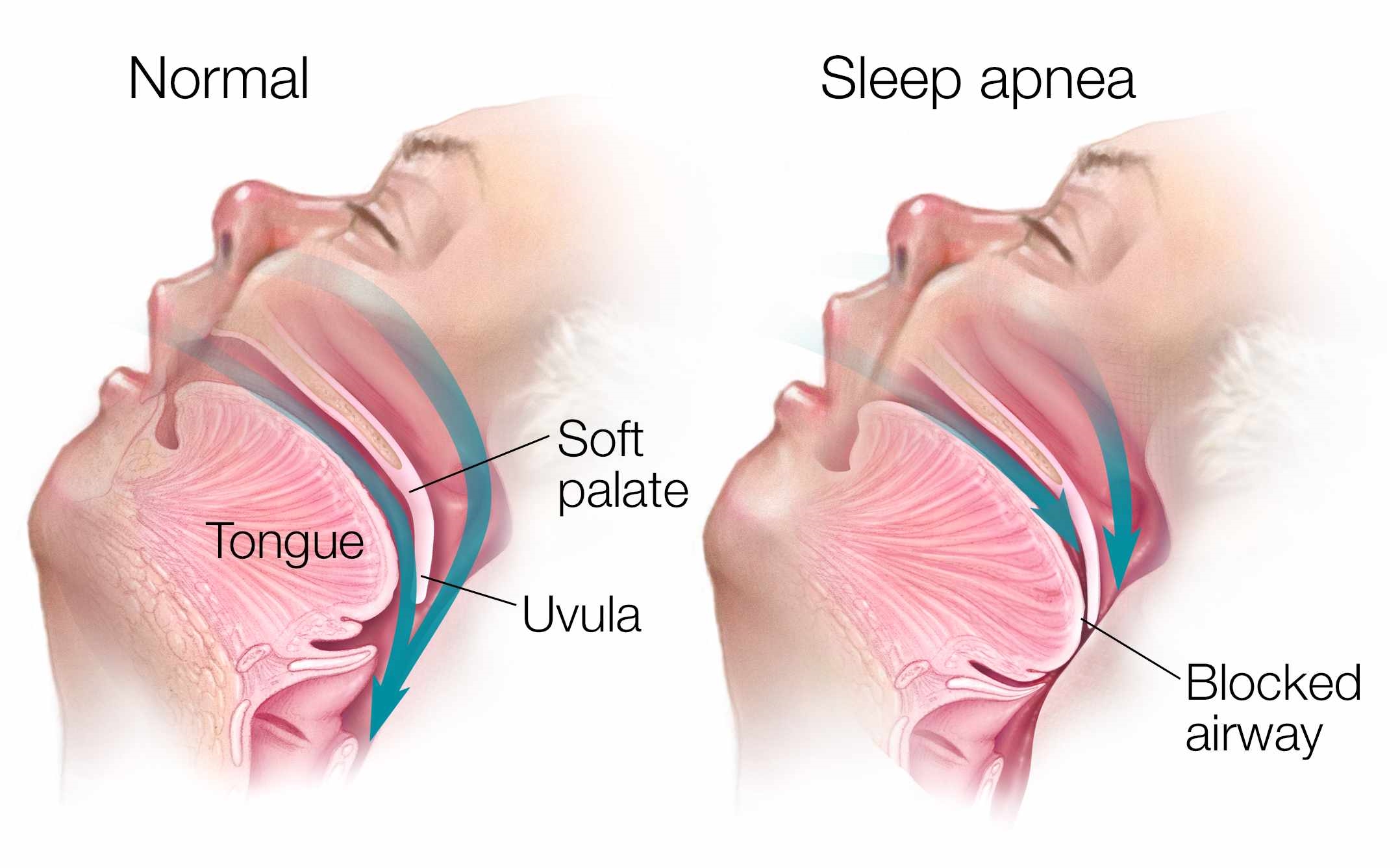
Obstructive sleep apnea is the most common type of sleep apnea (and is the primary focus of this article). It occurs when the muscles that support the soft tissues in the upper airway relax during sleep and block the normal flow of air in and out of the nose and mouth. This usually causes loud snoring and interrupted breathing.Central sleep apnea is a much less common type of sleep apnea that involves the central nervous system. It occurs when the brain temporarily stops sending signals to the muscles that control breathing. It is often caused by an underlying health condition. People with central sleep apnea seldom snore.
Complex or mixed sleep apnea is a rare combination of obstructive sleep apnea and central sleep apnea.
Anatomy of a sleep apnea episode
As airflow stops during a sleep apnea episode, the oxygen level in your blood drops. Your brain responds by briefly disturbing your sleep enough to kick start breathing—which often resumes with a gasp or a choking sound. If you have obstructive sleep apnea, you probably won’t remember these awakenings. Most of the time, you’ll stir just enough to tighten your throat muscles and open your windpipe. In central sleep apnea, you may be conscious of your awakenings.
Signs and symptoms of sleep apnea

It can be tough to identify sleep apnea on your own since the most prominent symptoms only occur when you’re asleep.
But you can get around this difficulty by asking a bed partner to observe your sleep habits, or by recording yourself during sleep. If pauses occur while you snore, and if choking or gasping follows the pauses, these are major sleep apnea warning signs.
Main symptoms of sleep apnea
- Frequent, loud snoring
- Choking, snorting, or gasping during sleep
- Daytime sleepiness and fatigue, no matter how much time you spend in bed
Other symptoms
- Waking up with a dry mouth or sore throat
- Morning headache
- Restless sleep, nighttime awakenings, or insomnia
- Waking up at night feeling short of breath
- Going to the bathroom frequently during the night
Is it sleep apnea or just snoring?
Not everyone who snores has sleep apnea and not everyone who has sleep apnea snores. So how do you tell the difference between normal snoring and a more serious case of sleep apnea?The biggest telltale sign is how you feel during the day. Normal snoring doesn’t interfere with the quality of your sleep as much as sleep apnea does, so you’re less likely to suffer from extreme fatigue and sleepiness during the day. The way you sound when you’re snoring also provides clues. As mentioned above, if you’re gasping, choking, or making other unusual sounds, you should suspect sleep apnea.
Keep in mind that even if you don’t have sleep apnea, a snoring problem can get in the way of your bed partner’s rest and affect your own sleep quality. But there are tips and treatments that can help you stop snoring.
Sleep apnea causes and risk factors

While anyone can have sleep apnea, certain factors increase the risk:
- Sex – Men are much more likely to have sleep apnea than women, although after menopause, frequency in women increases.
- Older age – While sleep apnea can occur at any age, it is more common as you get older. According to the Wisconsin Sleep Cohort study, its prevalence peaks when people are in their 50s and 60s and then plateaus.
- Weight – The risk of sleep apnea is much higher in those who are overweight, and higher still in those who are obese.
- Anatomical differences – Physical attributes that can contribute to sleep apnea include a small upper airway, a small or receding jaw, a long soft palate, a high tongue position, a deviated septum, and enlarged tonsils and adenoids.
- Smoking – According to a study conducted by the Center for Tobacco Research and Intervention, University of Wisconsin, Madison, smokers are three times more likely to have sleep apnea than those who have never smoked.
- Neck circumference greater than 17 inches (43.2 cm) in men or 16 inches (40.6 cm) in women.
Central sleep apnea causes and risk factors
Like obstructive sleep apnea, central sleep apnea is more common in men and people over the age of 65. But unlike obstructive sleep apnea, central sleep apnea is often associated with serious illnesses, such as heart disease, stroke, neurological disease, or spinal or brainstem injury. Some people with obstructive sleep apnea can also develop central sleep apnea when they’re being treated with positive airway pressure (PAP) devices.Health consequences of sleep apnea

The chronic sleep deprivation caused by sleep apnea can result in daytime sleepiness, fatigue, difficulty concentrating, forgetfulness, and an increased risk of accidents and errors in your daily activities.
Sleep apnea also has a mental impact. It can trigger moodiness and irritability and cause anxiety and depression. It also increases your risk of other serious health problems like high blood pressure, heart disease, diabetes, atrial fibrillation, and stroke.
Getting a sleep apnea diagnosis

In order to find out if you have sleep apnea, you’ll need to see a doctor—preferably a sleep medicine specialist. They will evaluate your symptoms, take your medical history, and perform a sleep study.
Sleep study options
A sleep study known as a polysomnogram is still the gold standard for diagnosing sleep apnea. It’s conducted in a hospital or sleep lab, where you’ll be hooked up to sensors and monitored overnight (or sometimes for two partial nights). However, many people are now able to be tested in the comfort of their own home using portable monitors that measure heart rate, breathing, and oxygen in the blood while you sleep.Diagnosis
A sleep apnea diagnosis is made based on the number of breathing episodes you experience per hour of sleep, as shown by your sleep study, as well as symptoms such as snoring and daytime sleepiness.According to the American Academy of Sleep Medicine, sleep apnea is classified from mild to severe based on how many times you stop breathing:
- Mild: 5-15 breathing episodes per hour
- Moderate: 15-30 breathing episodes per hour
- Severe: More than 30 breathing episodes per hour

/GettyImages-1684059781-56d132063df78cfb37bd4fe7.jpg)