🧠💊💊 Schizophrenia (treatments and recovery) 💊💊🧠

Stimulus mind

Well-known member
  • Feb 27, 2021
    30,953
    152,897
    113

    What is schizophrenia or paranoid schizophrenia?​

    signs-of-schizophrenia-in-teens-1200x600.jpeg


    Schizophrenia is a challenging brain disorder that often makes it difficult to distinguish between what is real and unreal, to think clearly, manage emotions, relate to others, and function normally. It affects the way a person behaves, thinks, and sees the world.
    The most common form is paranoid schizophrenia or schizophrenia with paranoia as it’s often called. People with paranoid schizophrenia have an altered perception of reality. They may see or hear things that don’t exist, speak in confusing ways, believe that others are trying to harm them or feel like they’re being constantly watched. This can cause relationship problems, disrupt normal daily activities like bathing, eating, or running errands, and lead to alcohol and drug abuse in an attempt to self-medicate.
    Many people with schizophrenia withdraw from the outside world, act out in confusion and fear, and are at an increased risk of attempting suicide, especially during psychotic episodes, periods of depression, and in the first six months after starting treatment.

    While schizophrenia is a chronic disorder, many fears about the disorder are not based on reality. Most people with schizophrenia get better over time, not worse. Treatment options are improving all the time and there are plenty of things you can do to manage the disorder.
    Schizophrenia is often episodic, so periods of remission are ideal times to employ self-help strategies to limit the length and frequency of any future episodes. Along with the right support, medication, and therapy, many people with schizophrenia are able to manage their symptoms, function independently, and enjoy full, rewarding lives.

    Common misconceptions about schizophrenia
    Myth: Schizophrenia refers to a “split personality” or multiple personalities.

    Fact:
    Multiple personality disorder is a different and much less common disorder than schizophrenia. People with schizophrenia do not have split personalities. Rather, they are “split off” from reality.
    Myth: Schizophrenia is a rare condition.

    Fact:
    Schizophrenia is not rare; the lifetime risk of developing schizophrenia is widely accepted to be around 1 in 100.
    Myth: People with schizophrenia are dangerous.

    Fact:
    Although the delusional thoughts and hallucinations of schizophrenia sometimes lead to violent behaviour, most people with schizophrenia are neither violent nor a danger to others.
    Myth: People with schizophrenia can’t be helped.

    Fact:
    While long-term treatment may be required, the outlook for schizophrenia is far from hopeless. When treated properly, many people with schizophrenia are able to enjoy fulfilling, productive lives.

    Early warning signs of schizophrenia​

    what-are-the-symptoms-of-schizophrenia-2953120-cba74c5e1dd942ecafde1824217603f9.png


    In some people, schizophrenia appears suddenly and without warning. But for most, it comes on slowly, with subtle warning signs and a gradual decline in functioning, long before the first severe episode. Often, friends or family members will know early on that something is wrong, without knowing exactly what.

    In this early phase of schizophrenia, you may seem eccentric, unmotivated, emotionless, and reclusive to others. You may start to isolate yourself, begin neglecting your appearance, say peculiar things, and show a general indifference to life. You may abandon hobbies and activities, and your performance at work or school can deteriorate.

    The most common early warning signs include:​

    1. Depression, social withdrawal
    2. Hostility or suspiciousness, extreme reaction to criticism
    3. Deterioration of personal hygiene
    4. Flat, expressionless gaze
    5. Inability to cry or express joy or inappropriate laughter or crying
    6. Oversleeping or insomnia; forgetful, unable to concentrate
    7. Odd or irrational statements; strange use of words or way of speaking
    While these warning signs can result from a number of problems—not just schizophrenia—they are cause for concern. When out-of-the-ordinary behaviour is causing problems in your life or the life of a loved one, seek medical advice. If schizophrenia or another mental problem is the cause, getting treatment early will help.

    Symptoms​

    There are five types of symptoms characteristic of schizophrenia: delusions, hallucinations, disorganized speech, disorganized behaviour, and the so-called “negative” symptoms. However, the symptoms of schizophrenia vary dramatically from person to person, both in pattern and severity. Not every person with schizophrenia will have all the symptoms, and the symptoms of schizophrenia may also change over time.

    Delusions​

    A delusion is a firmly held idea that a person has despite clear and obvious evidence that it isn’t true. Delusions are extremely common in schizophrenia, occurring in more than 90% of those who have the disorder. Often, these delusions involve illogical or bizarre ideas or fantasies, such as:

    Delusions of persecution – Belief that others, often a vague “they,” are out to get you. These harassing delusions often involve bizarre ideas and plots (e.g. “Martians are trying to poison me with radioactive particles delivered through my tap water”).

    Delusions of reference – A neutral environmental event is believed to have a special and personal meaning. For example, you might believe a billboard or a person on TV is sending a message meant specifically for you.

    Delusions of grandeur – Belief that you are a famous or important figure, such as Jesus Christ or Napoleon. Alternately, delusions of grandeur may involve the belief that you have unusual powers, such as the ability to fly.

    Delusions of control – Belief that your thoughts or actions are being controlled by outside, alien forces. Common delusions of control include thought broadcasting (“My private thoughts are being transmitted to others”), thought insertion (“Someone is planting thoughts in my head”), and thought withdrawal (“The CIA is robbing me of my thoughts”).

    Hallucinations​

    Hallucinations are sounds or other sensations experienced as real when they exist only in your mind. While hallucinations can involve any of the five senses, auditory hallucinations (e.g. hearing voices or some other sound) are most common in schizophrenia. These often occur when you misinterpret your own inner self-talk as coming from an outside source.

    Schizophrenic hallucinations are usually meaningful to you as the person experiencing them. Many times, the voices are those of someone you know, and usually, they’re critical, vulgar, or abusive. Visual hallucinations are also relatively common, while all hallucinations tend to be worse when you’re alone.

    Disorganized speech​

    Schizophrenia can cause you to have trouble concentrating and maintaining your train of thought, which may manifest itself in the way that you speak. You may respond to queries with an unrelated answer, start sentences with one topic and end somewhere completely different, speak incoherently, or say illogical things.

    Common signs of disorganized speech include:

    Loose associations – Rapidly shifting from topic to topic, with no connection between one thought and the next.

    Neologisms – Made-up words or phrases that only have meaning to you.

    Perseveration – Repetition of words and statements; saying the same thing over and over.

    Clang – Meaningless use of rhyming words (“I said the bread and read the shed and fed Ned at the head”).

    Disorganized behaviour​

    Schizophrenia disrupts goal-directed activity, impairing your ability to take care of yourself, your work, and interact with others. Disorganized behaviour appears as:

    • A decline in overall daily functioning
    • Unpredictable or inappropriate emotional responses
    • Behaviours that appear bizarre and have no purpose
    • Lack of inhibition and impulse control

    Negative symptoms (absence of normal behaviours)​

    The so-called “negative” symptoms of schizophrenia refer to the absence of normal behaviours found in healthy individuals, such as:

    Lack of emotional expression – Inexpressive face, including a flat voice, lack of eye contact, and blank or restricted facial expressions.

    Lack of interest or enthusiasm – Problems with motivation; lack of self-care.

    Seeming lack of interest in the world – Apparent unawareness of the environment; social withdrawal.

    Speech difficulties and abnormalities – Inability to carry a conversation; short and sometimes disconnected replies to questions; speaking in a monotone.
     

    Stimulus mind

    Well-known member
  • Feb 27, 2021
    30,953
    152,897
    113

    Treatment for schizophrenia​

    bipolarcbtgi467486276_1224109.jpg


    As upsetting as a diagnosis of schizophrenia can be, ignoring the problem won’t make it go away. Beginning treatment as soon as possible with an experienced mental health professional is crucial to your recovery. At the same time, it’s important not to buy into the stigma associated with schizophrenia or the myth that you can’t get better. A diagnosis of schizophrenia is not a life sentence of ever-worsening symptoms and recurring hospitalizations. With the right treatment and self-help, many people with schizophrenia are able to regain normal functioning and even become symptom-free.

    Treatment basics​

    The most effective treatment strategy for schizophrenia involves a combination of medication, therapy, lifestyle changes, and social support.

    Schizophrenia requires long-term treatment. Most people with schizophrenia need to continue treatment even when they’re feeling better, in order to prevent new episodes and stay symptom-free. Treatment can change over time, though. As your symptoms improve, your doctor may be able to lower the dosage or change your medication.

    Medication for schizophrenia works by reducing psychotic symptoms such as hallucinations, delusions, paranoia, and disordered thinking. But it is not a cure for schizophrenia. It is also much less helpful for treating symptoms such as social withdrawal, lack of motivation, and lack of emotional expressiveness. Finding the right drug and dosage is also a trial and error process. While medication should not be used at the expense of your quality of life, be patient with the process and discuss any concerns with your doctor.

    Therapy can help you improve coping and life skills, manage stress, address relationship issues, and improve communication. Group therapy can also connect you to others who are in a similar situation and are able to offer valuable insight into how they’ve overcome challenges.

    Self-help​

    Medication and therapy can take time to take full effect but there are still ways you can manage symptoms, improve the way you feel, and increase your self-esteem. The more you do to help yourself, the less hopeless and helpless you’ll feel, and the more likely your doctor will be able to reduce your medication.

    Schizophrenia: The 7 keys to self-help​

    Seek social support. Friends and family vital to helping you get the right treatment and keeping your symptoms under control. Regularly connecting with others face-to-face is also the most effective way to calm your nervous system and relieve stress. Stay involved with others by continuing your work or education. If that’s not possible, consider volunteering, joining a schizophrenia support group, or taking a class or joining a club to spend time with people who have common interests. As well as keeping you socially connected, it can help you feel good about yourself.

    Manage stress. High levels of stress are believed to trigger schizophrenic episodes by increasing the body’s production of the hormone cortisol. As well as staying socially connected, there are plenty of steps you can take to reduce your stress levels. Try adopting a regular relaxation practice such as yoga, deep breathing, or meditation.

    Get regular exercise. As well as all the emotional and physical benefits, exercise may help reduce symptoms of schizophrenia, improve your focus and energy, and help you feel calmer. Aim for 30 minutes of activity on most days, or if it’s easier three 10-minute sessions. Try rhythmic exercise that engages both your arms and legs, such as walking, running, swimming or dancing.

    Get plenty of sleep. When you’re on medication, you most likely need even more sleep than the standard 8 hours. Many people with schizophrenia have trouble with sleep, but getting regular exercise and avoiding caffeine can help.

    Avoid alcohol, drugs, and nicotine. Substance abuse complicates schizophrenia treatment and worsens symptoms. Even smoking cigarettes can interfere with the effectiveness of some schizophrenia medications. If you have a substance abuse problem, seek help.

    Eat regular, nutritious meals to avoid symptoms exacerbated by changes in blood sugar levels. Omega-3 fatty acids from fatty fish, fish oil, walnuts, and flaxseeds can help improve focus, banish fatigue, and balance your moods.

    Causes​

    what-causes-schizophrenia-2953136-8039bc18eb58406a87c52e0d5646516e.png


    While the causes of schizophrenia are not fully known, it seems to result from a mix of genetic and environmental factors.

    Genetic causes​

    While schizophrenia runs in families, about 60% of schizophrenics have no family members with the disorder. Furthermore, individuals who are genetically predisposed to schizophrenia don’t always develop the disease, which shows that biology is not destiny.

    Environmental causes​

    Studies suggest that inherited genes make a person vulnerable to schizophrenia. Environmental factors then act on this vulnerability to trigger the disorder.

    More and more research points to stress—either during pregnancy or at a later stage of development—as being a major environmental factor. Stress-inducing factors could include:

    • Prenatal exposure to a viral infection
    • Low oxygen levels during birth (from prolonged labour or premature birth)
    • Exposure to a virus during infancy
    • Early parental loss or separation
    • Physical or sexual abuse in childhood

    Abnormal brain structure​

    In addition to abnormal brain chemistry, abnormalities in brain structure may also play a role in schizophrenia development. However, it is highly unlikely that schizophrenia is the result of any one problem in any one region of the brain.

    Diagnosing schizophrenia​

    an-overview-of-disorganized-schizophrenia-4581314_Final-7d2585183488428ba6de8758e0af63a7.PNG


    A diagnosis of schizophrenia is based on a full psychiatric evaluation, medical history assessment, and physical exam. Lab tests can also help to rule out other medical causes of your symptoms.

    Criteria to diagnose schizophrenia​

    The presence of two or more of the following symptoms for at least 30 days:

    1. Hallucinations
    2. Delusions
    3. Disorganized speech
    4. Disorganized or catatonic behaviour
    5. Negative symptoms (emotional flatness, apathy, lack of speech)
    Other diagnosis criteria:

    • Have had significant problems functioning at work or school, relating to other people, and taking care of yourself.
    • Shown continuous signs of schizophrenia for at least six months, with active symptoms (hallucinations, delusions, etc.) for at least one month.
    • Have no other mental health disorder, medical issue, or substance abuse problem that is causing the symptoms.
     

    Stimulus mind

    Well-known member
  • Feb 27, 2021
    30,953
    152,897
    113

    Schizophrenia: Recovery is possible​

    20160201-dna-brain.jpg


    Getting a diagnosis of schizophrenia can be devastating. You may be struggling to think clearly, manage your emotions, relate to other people, or even function normally. But having schizophrenia doesn’t mean you can’t live a full and meaningful life. Despite the widespread misconception that people with schizophrenia have no chance of recovery or improvement, the reality is much more hopeful. Although currently there is no cure for schizophrenia, you can treat and manage it with medication, self-help strategies, and supportive therapies.

    Since schizophrenia is often episodic, periods of remission from the severest symptoms often provide a good opportunity to start employing self-help strategies that may help to limit the length and frequency of future episodes. A diagnosis of schizophrenia is not a life sentence of ever-worsening symptoms and hospitalizations. In fact, you have more control over your recovery than you probably realize.

    The majority of people with schizophrenia get better over time, not worse. For every five people who develop schizophrenia:

    • One will get better within five years of experiencing their first symptoms.
    • Three will get better, but will still have times when their symptoms get worse.
    • One will continue to have troublesome symptoms.

    What does schizophrenia recovery mean?​

    Coping with schizophrenia is a lifelong process. Recovery doesn’t mean you won’t experience any more challenges from the illness or that you’ll always be symptom-free. What it does mean is that you are learning to manage your symptoms, developing the support you need, and creating a satisfying, purpose-driven life.

    A treatment plan that combines medication with schizophrenia self-help, supportive services, and therapy is the most effective approach.

    Encouraging facts about schizophrenia​

    • Schizophrenia is treatable. Currently, there is no cure for schizophrenia, but the illness can be successfully treated and managed. The key is to have a strong support system in place and get the right treatment and self-help for your needs.
    • You can enjoy a fulfilling, meaningful life. With the right treatment, most people with schizophrenia are able to have satisfying relationships, work or pursue other meaningful activities, be part of their community, and enjoy life.
    • Just because you have schizophrenia doesn’t mean you’ll have to be hospitalized. If you’re getting the right treatment and sticking to it, you are much less likely to experience a crisis situation that requires hospitalization.
    • Most people with schizophrenia improve. Many people with schizophrenia regain normal functioning and even become symptom-free. No matter what challenges you presently face, there is always hope.

    Tip 1: Get involved in treatment and self-help​

    selfhelptherapy.jpg


    The earlier you catch schizophrenia and begin treatment with an experienced mental health professional, the better your chances of getting and staying well. So, if you suspect you or a loved one is exhibiting schizophrenia symptoms, seek help right away.

    Successful schizophrenia treatment depends on a combination of factors. Medication alone is not enough. It’s important to also educate yourself about the illness, communicate with your doctors and therapists, build a strong support system, take self-help measures, and stick to your treatment plan. Pursuing self-help strategies such as changing your diet, relieving stress, and seeking social support may not seem like effective tools to manage such a challenging disorder as schizophrenia, but they can have a profound effect on the frequency and severity of symptoms, improve the way you feel, and increase your self-esteem. And the more you help yourself, the less hopeless and helpless you’ll feel, and the more likely your doctor will be able to reduce your medication.

    While schizophrenia treatment should be individualized to your specific needs, you should always have a voice in the treatment process and your needs and concerns should be respected. Treatment works best when you, your family, and your medical team all work together.

    Your attitude towards schizophrenia treatment matters​

    Accept your diagnosis. As upsetting as a diagnosis of schizophrenia can be, resolving to take a proactive role in treatment and self-help is crucial to your recovery. That means making healthy lifestyle changes, taking prescribed medications, and attending medical and therapy appointments.

    Don’t buy into the stigma of schizophrenia. Many fears about schizophrenia are not based on reality. Take your illness seriously but don’t buy into the myth that you can’t improve. Associate with people who see beyond your diagnosis, to the person you really are.

    Communicate with your doctor. Help your doctor ensure you’re getting the right type and dose of medication. Be honest and upfront about side effects, concerns, and other treatment issues.

    Pursue self-help and therapy that helps you manage symptoms. Don’t rely on medication alone. Self-help strategies can help you to manage symptoms and regain a sense of control over your health and well-being. Supportive therapy can teach you how to challenge delusional beliefs, ignore voices in your head, protect against relapse, and motivate yourself to persevere with treatment and self-help.

    Set and work toward life goals. Having schizophrenia doesn’t mean you can’t work, have relationships, or experience a fulfilling life. Set meaningful life goals for yourself beyond your illness.

    Getting a diagnosis​

    The first step to schizophrenia treatment is getting a correct diagnosis. This isn’t always easy, since the symptoms of schizophrenia can resemble those caused by other mental and physical health problems. Furthermore, people with schizophrenia may believe nothing is wrong and resist going to the doctor.
    Because of these issues, it is best to see a psychiatrist with experience identifying and treating schizophrenia, rather than a family doctor.

    Tip 2: Get active​

    Get-Active.jpg


    As well as providing all the emotional and physical benefits, regular exercise can even help to manage symptoms of schizophrenia. Unless you’re experiencing a psychotic episode, getting physically active is something you can do right now to improve your focus, relieve stress, give you more energy, help you sleep, and make you feel calmer.

    You don’t have to become a fitness fanatic or join a gym, but rather, find a physical activity you enjoy and aim for 30 minutes of movement on most days. If it’s easier, three 10-minute sessions can be just as effective. Rhythmic exercise that engages both your arms and legs, such as walking, running, swimming or dancing, can be especially effective at calming your nervous system. Instead of focusing on your thoughts, try to focus on how your body feels as you move—how your feet hit the ground, for example, the rhythm of your breathing, or the feeling of the wind on your skin.

    Tip 3: Seek face-to-face support​

    in-brief-grant-to-upgrade-mental-health-services-in-halifax-1.jpg


    Connecting face-to-face with others is the most effective way to calm your nervous system and relieve stress. Since stress can trigger psychosis and make the symptoms of schizophrenia worse, keeping it under control is extremely important. Find someone you can connect with face to face on a regular basis—someone you can talk to for an uninterrupted period of time who will listen to you without judging, criticizing, or continually becoming distracted.

    As well as helping to relieve stress, having the support of others can make a huge difference in the outlook for schizophrenia. When people who care about you are involved in your treatment, you’re more likely to achieve independence and avoid relapse.

    Ways to find support​

    Turn to trusted friends and family members. Your loved ones can help you get the right treatment, keep your symptoms under control, and function well in your community. Ask loved ones if you can call on them in times of need. Most people will be flattered by your request for support.

    Stay involved with others. If you’re able to continue work or education, do so. Otherwise, pursue a passion, cultivate a new hobby, or volunteer to help other people, animals, or causes important to you. As well as keeping you connected, helping others can give you a sense of purpose and boost your self-esteem.

    Meet new people. Joining a schizophrenia support group can help you meet other people dealing with the same challenges and learn important coping tips. Or get involved with a local church, club, or other organization.

    Find a supportive living environment. People with schizophrenia often function best when they’re able to remain at home, surrounded by supportive family members. If that’s not a viable option for you, many communities offer residential and treatment facilities. Look for a living environment that is stable, makes you feel safe, and will enable you to follow your treatment and self-help plans.
     

    Stimulus mind

    Well-known member
  • Feb 27, 2021
    30,953
    152,897
    113

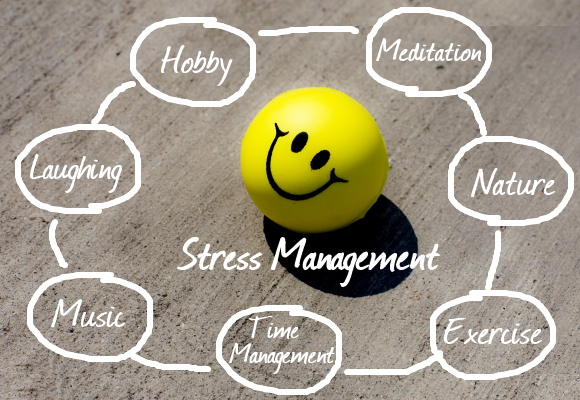
    Tip 4: Manage stress​

    0*ZrJgRSFb843YfX5Y.png


    The day-to-day stress of living with a challenging emotional disorder such as schizophrenia can be draining. High levels of stress also increase the body’s production of the hormone cortisol, which may trigger psychotic episodes. As well as exercising and staying socially connected, there are plenty of steps you can take to reduce your stress levels:

    Know your limits, both at home and at work or school. Don’t take on more than you can handle and take time for yourself if you feel overwhelmed.

    Use relaxation techniques to relieve stress. Techniques such as mindfulness meditation, deep breathing, or progressive muscle relaxation can put the brakes on stress and bring your mind and body back into a state of balance.

    Manage your emotions. Understanding and accepting emotions—especially those unpleasant ones most of us try to ignore—can make a huge difference in your ability to manage stress, balance your moods, and maintain control of your life.

    Tip 5: Take care of yourself​

    10-best-gadgets-to-take-care-of-yourself.jpg


    Making simple lifestyle changes can have a huge impact on the way you feel as well as your symptoms.

    Try to get plenty of sleep. When you’re on medication, you most likely need even more sleep than the standard 8 hours. Many people with schizophrenia have trouble with sleep, but getting regular exercise, reducing sugar in your diet, and avoiding caffeine can help.

    Avoid alcohol and drugs. It can be tempting to try to self-medicate the symptoms of schizophrenia with drugs and alcohol. But substance abuse complicates schizophrenia treatment and only worsens symptoms. If you have a substance abuse problem, seek help.

    Eat a healthy, balanced diet. Eating regular, nutritious meals can help avoid psychosis and other schizophrenia symptoms brought on by substantial changes in blood sugar levels. Minimize sugar and refined carbs, foods that quickly lead to a crash in mood and energy. Boost your intake of omega-3 fatty acids from fatty fish, fish oil, walnuts, and flaxseeds to help improve focus, banish fatigue, and balance your moods.

    Tip 6: Understand the role of medication​

    Importance%20of%20Medication%20Education%20for%20Patients.png


    If you’ve been diagnosed with schizophrenia, you will almost certainly be offered antipsychotic medication. The two main groups of medications used for the treatment of schizophrenia are the older or “typical” antipsychotic medications and the newer “atypical” antipsychotic medications. It’s important to understand that medication is just one component of schizophrenia treatment.

    Medication is not a cure for schizophrenia and only treats some of the symptoms. Antipsychotic medication reduces psychotic symptoms such as hallucinations, delusions, paranoia, and disordered thinking. But is much less helpful for treating symptoms of schizophrenia such as social withdrawal, lack of motivation, and lack of emotional expressiveness.

    You should not have to put up with disabling side effects. Schizophrenia medication can have very unpleasant—even disabling—side effects such as drowsiness, lack of energy, uncontrollable movements, weight gain, and sexual dysfunction. Your quality of life is important, so talk to your doctor if you’re bothered by side effects.

    Never reduce or stop medication on your own.​

    Sudden or unsupervised dosage changes are dangerous and can trigger a schizophrenia relapse or other complications. If you’re having trouble with your medication or feel like you don’t need to take it, talk to your doctor or someone else that you trust.


    Source: helpguide.org
    Authors: Melinda Smith, M.A., Lawrence Robinson, and Jeanne Segal, Ph.D.