High blood pressure (hypertension) can impact your brain as well as your heart. But these 5 steps can help you lower your blood pressure and protect your health.
Blood pressure and the heart-head connection
There’s a reason why your blood pressure is taken every time you visit a doctor’s office or hospital, regardless of the complaint that brought you there. High blood pressure is rightly known as “the silent killer.” It often carries no symptoms or warning signs but can drastically increase your risk of having a heart attack or stroke. The higher the number, the harder your heart is having to work to pump blood around your body and the more likely it is that damage is being done to the heart muscle. Since all parts of your body rely on circulation, though, it’s not just your heart that high blood pressure can impact. If blood doesn’t flow easily, it can harm your arteries as well as vital organs such as the kidneys, eyes, and brain.High blood pressure (or “hypertension”) has been shown to damage the tiny blood vessels in the parts of your brain responsible for cognition and memory, greatly increasing your risk of developing Alzheimer’s disease or another dementia. Being diagnosed with cardiovascular disease can also take an emotional toll, affecting your outlook and making you more susceptible to anxiety and depression. And just as blood pressure may have an impact on your mood, the reverse can also be true:
- Stress can increase the body’s production of hormones such as adrenaline and cortisol which in turn raises blood pressure.
- Self-medicating your mood with alcohol, nicotine, junk food, or recreational drugs can also elevate your blood pressure.
- Even isolating yourself from family and friends—a common symptom of depression and anxiety—can push your blood pressure higher and damage your cardiovascular health.
- High blood pressure and common mental health problems can often be attributed, at least in part, to the same unhealthy lifestyle factors, such as overwhelming, stress, poor diet, and a lack of exercise. Changing your lifestyle to address high blood pressure can help to improve your mental health—and vice versa.
Measuring blood pressure
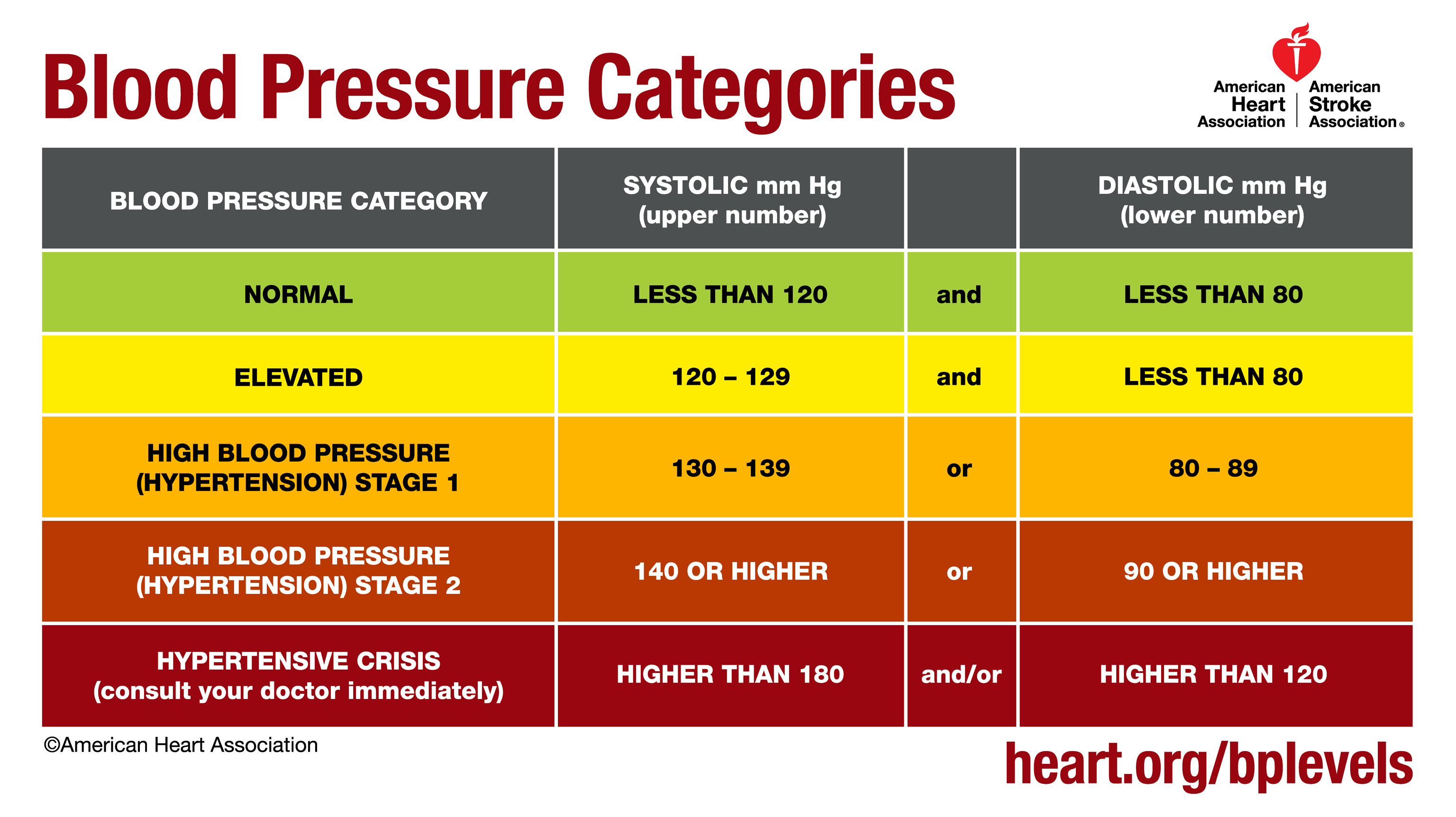
Blood pressure is measured as millimetres of mercury (mm Hg)—a holdover from the traditional mercury gauges used by the medical industry—and has two components:- The higher number, or systolic blood pressure, is measured as your heart pumps blood into your arteries.
- The lower number, or diastolic blood pressure, is measured as your heart relaxes between beats.
Monitoring your numbers
Your blood pressure fluctuates throughout the day, with lots of ups and downs. It will typically spike if you’re exercising or running late for a meeting, for example, and drop when you’re sleeping or relaxing with loved ones. Since blood pressure can vary so much, if you’ve been diagnosed with hypertension you may want to monitor your blood pressure at home.Choose a home blood pressure monitor that wraps around your upper arm. They tend to be more accurate than those that work on your wrist or finger.
Don’t drink caffeine or smoke for at least 30 minutes before measuring your blood pressure. Sit quietly in a chair for a few minutes before measuring, then make sure your arm is supported and your elbow is at about heart level as you run the test.
Small changes can make a big difference. According to a Harvard study, having hypertension can increase your risk of stroke by 220%. On the flip side, reducing your systolic blood pressure by 10 mm Hg can cut your risk of stroke by as much as 44%.
If you have low blood pressure …
Low blood pressure (known as “hypotension”) is a much less common problem than hypertension, but it can still significantly impact blood flow to the brain and increase your risk of shock, stroke, heart attack, and kidney failure.There is no specific reading that determines when blood pressure is too low. Rather, doctors rely on the presence of symptoms such as dizziness, fainting, blurred vision, and unsteadiness when standing to diagnose hypotension.
If you experience such symptoms, your doctor will look for underlying causes such as medication side effects, nutritional deficiencies, or a heart issue. Aside from a low-sodium diet, many of the same lifestyle changes used to treat high blood pressure can also be effective for managing low blood pressure.
Causes of high blood pressure
:max_bytes(150000):strip_icc()/high-blood-pressure-in-teens-1763936_final-de7596f9baab4912bf9cf11d77b65db0.gif)
There’s no single cause of high blood pressure, but rather many contributing factors. Some are out of your control, such as age, race, gender, and family history—blood pressure tends to increase over the age of 70, affects more women than men over the age of 55, and is more common in African Americans than Caucasians, perhaps due to a genetic sensitivity to salt.
Many other risk factors for hypertension are within your control. Being overweight, eating a poor diet high in salt, smoking, drinking excessively, and not getting enough physical exercise can all impact your blood pressure.
There are also specific substances that can raise your blood pressure, such as:
- Caffeine, including coffee, tea, soda, and energy drinks.
- Prescription medications, including some of those used to treat ADHD, birth control pills, corticosteroids, atypical antipsychotics, MAOIs and SNRIs used to treat depression and some cancer drugs.
- Nonsteroidal anti-inflammatory drugs (NSAIDs), such as aspirin and ibuprofen (Motrin, Advil).
- Cough and cold medications containing decongestant or NSAIDs.
- Herbal supplements, such as ephedra and yohimbine.
- Recreational drugs, such as cocaine and methamphetamine.
- Licorice found in some candies and gum.
5 steps to lowering your blood pressure
The first line of treatment for high blood pressure is to make healthy lifestyle changes:- Get active
- Eat a heart-healthy diet
- Lose weight
- Manage stress
- Quit smoking
Even if your doctor also prescribes you medication to help tackle hypertension, controlling your weight, quitting smoking, improving your diet, managing stress, and getting regular exercise is critical for keeping your heart in shape and managing your blood pressure over the long term.
If you’ve just been diagnosed with cardiovascular disease or have suffered a serious health event such as a stroke or heart attack, you may be experiencing a great deal of emotional upheaval. It’s important to give yourself time to process the change in your health and be kind to yourself as you adjust to your new situation. But it’s also important to know there are plenty of things you can do to come to terms with your diagnosis and regain control of your health.