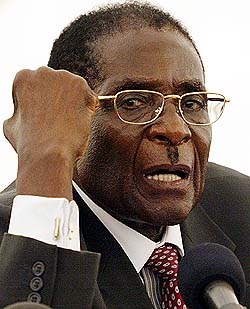
Electoral fraud is illegal interference with the process of an election. Acts of fraud affect vote counts to bring about a election result, whether by increasing the vote share of the favored candidate, depressing the vote share of the rival candidates or both. Also called voter fraud, the mechanisms involved include illegal voter registration, intimidation at polls and improper vote counting. What electoral fraud is under law varies from country to country. Many kinds of voter fraud are outlawed in electoral legislation but others are in violation of general laws such as those banning assault, harassment or libel. Although technically the term 'electoral fraud' covers only those acts which are illegal, the term is sometimes used to describe acts which although legal, are considered to be morally unacceptable, outside the spirit of electoral laws or in violation of the principles of democracy. Show elections, in which only one candidate can win, are sometimes considered to be electoral fraud although they may comply with the law.
In national elections, successful electoral fraud can have the effect of a coup d'état or corruption of democracy. In a narrow election a small amount of fraud may be enough to change the result. If the result is not affected, fraud can still have a damaging effect if not punished, as it can reduce voters' confidence in democracy. Even the perception of fraud can be damaging as it makes people less inclined to accept election results. This can lead to the breakdown of democracy and the establishment of a dictatorship.
Electoral fraud is not limited to political polls and can happen in any election where the potential gain is worth the risk for the cheater; as in elections for labor union officials, student councils, sports judging, and the awarding of merit to books, films, music or television programmes.
Despite many instances of electoral fraud, it remains a difficult phenomenon to study. This follows from its inherent illegality. Harsh penalties aimed at deterring electoral fraud make it likely that individuals who perpetrate fraud do so with the expectation that it either will not be discovered or will be excused.
Contents
Electoral fraud can occur at any stage in the democratic process, but most commonly occurs during election campaigns, voter registration or during vote-counting. The two main types of electoral fraud are preventing eligible voters from casting their vote freely (or voting at all); and altering the results.[citation needed] A list of threats to voting systems, or electoral fraud methods, is kept by the National Institute of Standards and Technology.[1]
Electorate manipulation
Most electoral fraud takes place during or immediately after election campaigns, by interfering with the voting process or the counting of votes.[citation needed] However it can also occur far in advance, by altering the composition of the electorate. [2]
Gerrymandering
Main article: Gerrymandering
Gerrymandering is the drawing of electorate boundaries in order to produce a particular result. Typically, electorates will be organised so that one group of people (for example poor people or a particular ethnic or religious group) is concentrated into a small number of electorates. This means that parties favoured by that group will win by a large majority in those electorates, but lose more narrowly in a larger number of electorates. This may result in one party gaining the most votes overall but still losing the election. Gerrymandering is most common under plurality voting systems, in which the winner must win the most electorates rather than the most votes overall.
In many cases gerrymandering occurs within, or is the result of, electoral law. However it may sometimes take the form of true electoral fraud, for example if laws governing the drawing of electoral boundaries are broken, or officials are bribed or otherwise coerced into altering boundaries in a way which favours a particular group.
Manipulation of demography (In North)
In many cases it is possible for authorities to artificially control the composition of an electorate in order to produce a foregone result. One way of doing this is to move a large number of voters into the electorate prior to an election, for example by temporarily assigning them land or lodging them in flophouses.[3][4] Many countries prevent this with rules stipulating that a voter must have lived in an electorate for a minimum period (for example, six months) in order to be eligible to vote there. However, such laws can themselves be used for demographic manipulation as they tend to disenfranchise those with no fixed address, such as the homeless, travellers, Roma, students (studying full time away from home) and some casual workers.
Another strategy is to permanently move people into an electorate, usually through public housing. If people eligible for public housing are likely to vote for a particular party, then they can either be concentrated into one electorate, thus making their votes count for less, or moved into marginal electorates, where they may tip the balance towards their preferred party. One notable example of this occurred in the City of Westminster under Shirley Porter.[5] In this case the electoral fraud relied on gaming the United Kingdom's first past the post electoral system, as in such a system it does not matter how much a party wins or loses by. The fraudsters calculated which wards they had no hope of winning, which they were sure of winning and which wards were marginal. By manipulating Westminister Council's public housing stock the fraudsters were able to move voters more likely to vote for their electoral enemies from marginal wards to the wards that they were going to lose anyway. In the ensuing elections the opposition could only win their safe seats with the small Conservative leads in the marginal wards being enough for them to win these wards, and therefore maintain their majority position and control of the council. In her defence Porter raised the history of the provision of public housing in London and the context of Herbert Morrison's boast to "...build the Conservatives out of London" by building new public housing in marginal Conservative seats.[6]
Immigration law may also be used to manipulate electoral demography. An example of this happened in Malaysia when immigrants from neighbouring Philippines and Indonesia were given citizenship together with voting rights in order for a political party to "dominate" the state of Sabah in a controversial process referred to as Project IC.[7]
A method of manipulating primary contests and other elections of party leaders is related to this. People who support one party may temporarily join another party in order to help elect a weak candidate for that party's leadership, in the hope that they will be defeated by the leader of the party that they secretly support.
Disenfranchisement
The composition of an electorate may also be altered by disenfranchising some types of people, rendering them unable to vote. In some cases this may be done at a legislative level, for example by passing a law banning convicted felons, recent immigrants or members of a particular ethnic or religious group from voting, or by instituting a literacy or other test which members of some groups are more likely to fail. Since this is done by lawmakers, it cannot be election fraud, but may subvert the purposes of democracy. This is especially so if members of the disenfranchised group were particularly likely to vote a certain way.
In some cases voters may be invalidly disenfranchised, which is true electoral fraud. For example a legitimate voter may be 'accidentally' removed from the electoral roll, making it difficult or impossible for them to vote. Corrupt election officials may misuse voting regulations such as a literacy test or requirement for proof of identity or address in such a way as to make it difficult or impossible for their targets to cast a vote. If such practices discriminate against a religious or ethnic group, they may so distort the political process that the political order becomes grossly unrepresentative, as in the post-Reconstruction or Jim Crow era until the Voting Rights Act of 1965.
Groups may also be disenfranchised by rules which make it impractical or impossible for them to cast a vote. For example, requiring people to vote within their electorate may disenfranchise serving military personnel, prison inmates, students, hospital patients or anyone else who cannot return to their homes. Polling can be set for inconvenient days such as midweek or on Holy Days (example: the Sabbath or other holy days of a religious group whose teachings determine that voting is a prohibited on such a day) in order to make voting difficult for those studying or working away from home. Communities may also be effectively disenfranchised if polling places are not provided within reasonable proximity (rural communities are especially vulnerable to this) or situated in areas perceived by some voters as unsafe.
A particular example of this strategy is the Canadian federal election of 1917, where the Union government passed the Military Voters Act and the Wartime Elections Act. The Military Voters Act permitted any active military personnel to vote by party only and allow that party to decide in which electoral district to place that vote. It also enfranchised women who were directly related or married to an active soldier. These groups were widely assumed to be disproportionately in favour of the Union government, as that party was campaigning in favour of conscription. The Wartime Elections Act, conversely, disenfranchised particular ethnic groups assumed to be disproportionately in favour of the opposition Liberal Party.
http://en.wikipedia.org/wiki/Electoral_fraud#cite_note-15
In national elections, successful electoral fraud can have the effect of a coup d'état or corruption of democracy. In a narrow election a small amount of fraud may be enough to change the result. If the result is not affected, fraud can still have a damaging effect if not punished, as it can reduce voters' confidence in democracy. Even the perception of fraud can be damaging as it makes people less inclined to accept election results. This can lead to the breakdown of democracy and the establishment of a dictatorship.
Electoral fraud is not limited to political polls and can happen in any election where the potential gain is worth the risk for the cheater; as in elections for labor union officials, student councils, sports judging, and the awarding of merit to books, films, music or television programmes.
Despite many instances of electoral fraud, it remains a difficult phenomenon to study. This follows from its inherent illegality. Harsh penalties aimed at deterring electoral fraud make it likely that individuals who perpetrate fraud do so with the expectation that it either will not be discovered or will be excused.
Contents
- 1 Techniques
- 2 Vote fraud in legislature
- 3 Fraud prevention
- 4 Electoral fraud and electronic voting machines
- 5 See also
- 6 References
- 7 Further reading
- 8 External links
Electoral fraud can occur at any stage in the democratic process, but most commonly occurs during election campaigns, voter registration or during vote-counting. The two main types of electoral fraud are preventing eligible voters from casting their vote freely (or voting at all); and altering the results.[citation needed] A list of threats to voting systems, or electoral fraud methods, is kept by the National Institute of Standards and Technology.[1]
Electorate manipulation
Most electoral fraud takes place during or immediately after election campaigns, by interfering with the voting process or the counting of votes.[citation needed] However it can also occur far in advance, by altering the composition of the electorate. [2]
Gerrymandering
Main article: Gerrymandering
Gerrymandering is the drawing of electorate boundaries in order to produce a particular result. Typically, electorates will be organised so that one group of people (for example poor people or a particular ethnic or religious group) is concentrated into a small number of electorates. This means that parties favoured by that group will win by a large majority in those electorates, but lose more narrowly in a larger number of electorates. This may result in one party gaining the most votes overall but still losing the election. Gerrymandering is most common under plurality voting systems, in which the winner must win the most electorates rather than the most votes overall.
In many cases gerrymandering occurs within, or is the result of, electoral law. However it may sometimes take the form of true electoral fraud, for example if laws governing the drawing of electoral boundaries are broken, or officials are bribed or otherwise coerced into altering boundaries in a way which favours a particular group.
Manipulation of demography (In North)
In many cases it is possible for authorities to artificially control the composition of an electorate in order to produce a foregone result. One way of doing this is to move a large number of voters into the electorate prior to an election, for example by temporarily assigning them land or lodging them in flophouses.[3][4] Many countries prevent this with rules stipulating that a voter must have lived in an electorate for a minimum period (for example, six months) in order to be eligible to vote there. However, such laws can themselves be used for demographic manipulation as they tend to disenfranchise those with no fixed address, such as the homeless, travellers, Roma, students (studying full time away from home) and some casual workers.
Another strategy is to permanently move people into an electorate, usually through public housing. If people eligible for public housing are likely to vote for a particular party, then they can either be concentrated into one electorate, thus making their votes count for less, or moved into marginal electorates, where they may tip the balance towards their preferred party. One notable example of this occurred in the City of Westminster under Shirley Porter.[5] In this case the electoral fraud relied on gaming the United Kingdom's first past the post electoral system, as in such a system it does not matter how much a party wins or loses by. The fraudsters calculated which wards they had no hope of winning, which they were sure of winning and which wards were marginal. By manipulating Westminister Council's public housing stock the fraudsters were able to move voters more likely to vote for their electoral enemies from marginal wards to the wards that they were going to lose anyway. In the ensuing elections the opposition could only win their safe seats with the small Conservative leads in the marginal wards being enough for them to win these wards, and therefore maintain their majority position and control of the council. In her defence Porter raised the history of the provision of public housing in London and the context of Herbert Morrison's boast to "...build the Conservatives out of London" by building new public housing in marginal Conservative seats.[6]
Immigration law may also be used to manipulate electoral demography. An example of this happened in Malaysia when immigrants from neighbouring Philippines and Indonesia were given citizenship together with voting rights in order for a political party to "dominate" the state of Sabah in a controversial process referred to as Project IC.[7]
A method of manipulating primary contests and other elections of party leaders is related to this. People who support one party may temporarily join another party in order to help elect a weak candidate for that party's leadership, in the hope that they will be defeated by the leader of the party that they secretly support.
Disenfranchisement
The composition of an electorate may also be altered by disenfranchising some types of people, rendering them unable to vote. In some cases this may be done at a legislative level, for example by passing a law banning convicted felons, recent immigrants or members of a particular ethnic or religious group from voting, or by instituting a literacy or other test which members of some groups are more likely to fail. Since this is done by lawmakers, it cannot be election fraud, but may subvert the purposes of democracy. This is especially so if members of the disenfranchised group were particularly likely to vote a certain way.
In some cases voters may be invalidly disenfranchised, which is true electoral fraud. For example a legitimate voter may be 'accidentally' removed from the electoral roll, making it difficult or impossible for them to vote. Corrupt election officials may misuse voting regulations such as a literacy test or requirement for proof of identity or address in such a way as to make it difficult or impossible for their targets to cast a vote. If such practices discriminate against a religious or ethnic group, they may so distort the political process that the political order becomes grossly unrepresentative, as in the post-Reconstruction or Jim Crow era until the Voting Rights Act of 1965.
Groups may also be disenfranchised by rules which make it impractical or impossible for them to cast a vote. For example, requiring people to vote within their electorate may disenfranchise serving military personnel, prison inmates, students, hospital patients or anyone else who cannot return to their homes. Polling can be set for inconvenient days such as midweek or on Holy Days (example: the Sabbath or other holy days of a religious group whose teachings determine that voting is a prohibited on such a day) in order to make voting difficult for those studying or working away from home. Communities may also be effectively disenfranchised if polling places are not provided within reasonable proximity (rural communities are especially vulnerable to this) or situated in areas perceived by some voters as unsafe.
A particular example of this strategy is the Canadian federal election of 1917, where the Union government passed the Military Voters Act and the Wartime Elections Act. The Military Voters Act permitted any active military personnel to vote by party only and allow that party to decide in which electoral district to place that vote. It also enfranchised women who were directly related or married to an active soldier. These groups were widely assumed to be disproportionately in favour of the Union government, as that party was campaigning in favour of conscription. The Wartime Elections Act, conversely, disenfranchised particular ethnic groups assumed to be disproportionately in favour of the opposition Liberal Party.
http://en.wikipedia.org/wiki/Electoral_fraud#cite_note-15