


ලෝකයෙන් තුරන් වී ගිය...


The Guadalupe Caracara, Caracara lutosa (Mourning Caracara), is an extinct bird of prey belonging to the falconfamily (Falconidae). It was, together with the closely related Crested and Southern Caracara, formerly placed in the genus Polyborus. It was also known as the Quelili or the Calalie.
Long tailed hopping mouse 1901


Pig footed bandicoot 1901
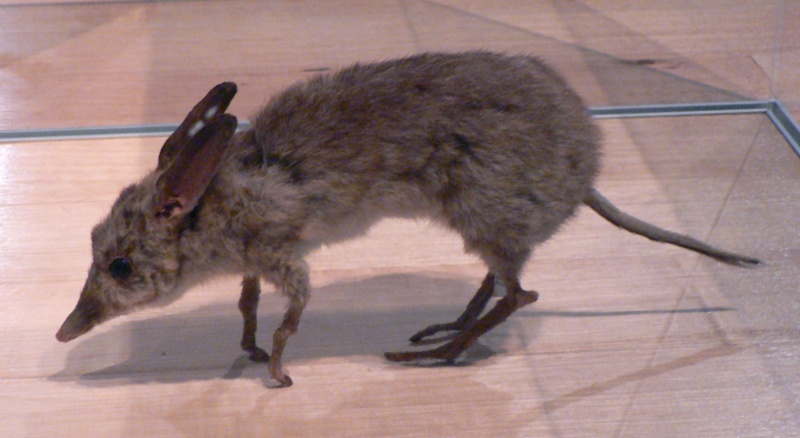
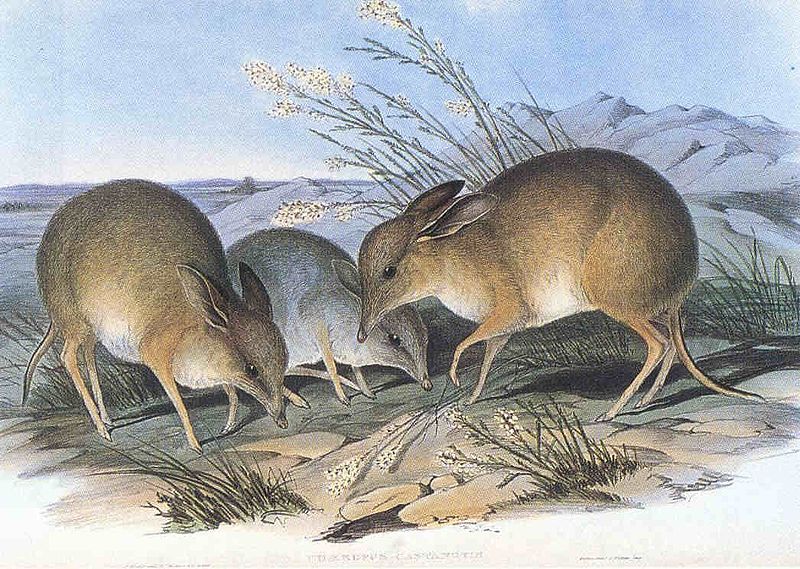
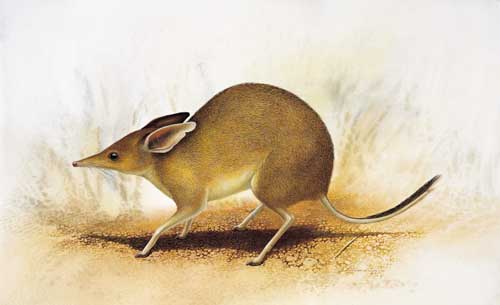

The pig-footed bandicoot, Chaeropus ecaudatus, was a small marsupial of the arid and semi-arid plains of Australia. The distribution range of the species was later reduced to an inland desert region, where it was last recorded in the 1901s, and is now presumed to be extinct.
Auckland island merganser 1902



 3
3




 .
.
සලකලා යනවා කියලා මම දන්නවා. බොහොම ස්තුතියි.
මීට 0716aravinda
මචන්ලා ඔන්න මම අලුත් නූලක් දෑම්මා..අද ත්රෙඩ් එකෙන් මම කියන්නෙ ලෝකයේන් 1900 සිට 2000 වෙනකම් තුරන් වෙලා ගියපු සත්ව විශෙශ ගැනයි.( කොහොමද වැඩේ  ) පහල තියන තොරතුරු මම සින්හලෙන් දානවා, එත් මගේ බෙල්ල පොඩ්ඩක් රිදෙනව බන්z ලා උදේ ඉදන් ලැප් එක ඉස්සරහ ඉන්දල.
  ඒ හින්ද සින්හලෙන් කොටන්න අමාරුයි.ඒ හින්ද මම munge nam google searck karala WIKI එකෙන් අරන් paste කරා..(දැන් ඉතින් පලු යන්න බනින්න එහෙම එපා. )තව මේ ...... එකෙ ඉස්සරහට තොරතුරු දනවා. (තව 45 දෙනෙක් ඉන්නව ඔන්න.මෙතන ඉන්නෙ 9 දෙනයි ) 1900 ඉදන් 2000 වෙනකම් ලෝකයෙන් තුරන් උන සියලුම ජීවී විශේශ මම මේ ත්රෙඩ් එකේ දානවා. එහෙනම් මෙන්න.......
Guadalupe Caracara 1900
) පහල තියන තොරතුරු මම සින්හලෙන් දානවා, එත් මගේ බෙල්ල පොඩ්ඩක් රිදෙනව බන්z ලා උදේ ඉදන් ලැප් එක ඉස්සරහ ඉන්දල. ඒ හින්ද සින්හලෙන් කොටන්න අමාරුයි.ඒ හින්ද මම munge nam google searck karala WIKI එකෙන් අරන් paste කරා..(දැන් ඉතින් පලු යන්න බනින්න එහෙම එපා. )තව මේ ...... එකෙ ඉස්සරහට තොරතුරු දනවා. (තව 45 දෙනෙක් ඉන්නව ඔන්න.මෙතන ඉන්නෙ 9 දෙනයි ) 1900 ඉදන් 2000 වෙනකම් ලෝකයෙන් තුරන් උන සියලුම ජීවී විශේශ මම මේ ත්රෙඩ් එකේ දානවා. එහෙනම් මෙන්න.......Guadalupe Caracara 1900


The Guadalupe Caracara, Caracara lutosa (Mourning Caracara), is an extinct bird of prey belonging to the falconfamily (Falconidae). It was, together with the closely related Crested and Southern Caracara, formerly placed in the genus Polyborus. It was also known as the Quelili or the Calalie.
Long tailed hopping mouse 1901


Pig footed bandicoot 1901

The pig-footed bandicoot, Chaeropus ecaudatus, was a small marsupial of the arid and semi-arid plains of Australia. The distribution range of the species was later reduced to an inland desert region, where it was last recorded in the 1901s, and is now presumed to be extinct.
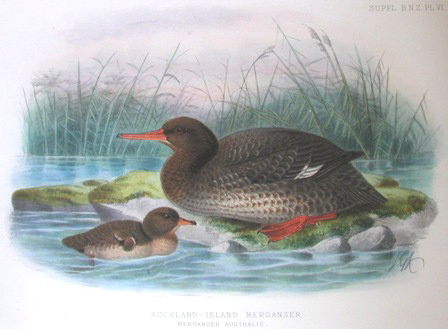
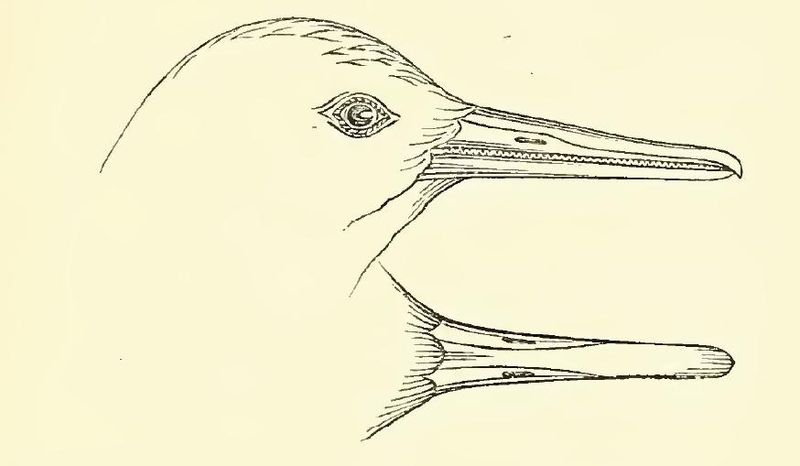
Auckland island merganser 1902

This bird was first collected when a French expedition led by the explorer Jules Dumont d'Urville on the shipsL'Astrolabe and La Zelee visited the Auckland Islands in 1840. Its decline was caused by a combination of hunting and predation by introduced mammals. The bird was not flightless, but rather hard to flush; it preferred to hide between rocks when pursued. The last sighting was of a pair shot on January 9, 1902. It was not found in a 1909 search, and a thorough 1972/1973 exploration of possible habitat concluded that it was long extinct (Williams & Weller, 1974).
Subsequent fossil discoveries suggest that this merganser was previously resident on the South Island andStewart Island/Rakiura in New Zealand. Fossils of a subspecies or closely related species have also been found on the Chatham Islands. There exists a short remark mentioning "a merganser" found on Campbell Island in McCormick (1842), but this may just as well refer to the semi-marine Campbell Teal which is otherwise missing in his notes: he only mentions the Pacific Black Duck ("a New Zealand species of duck").
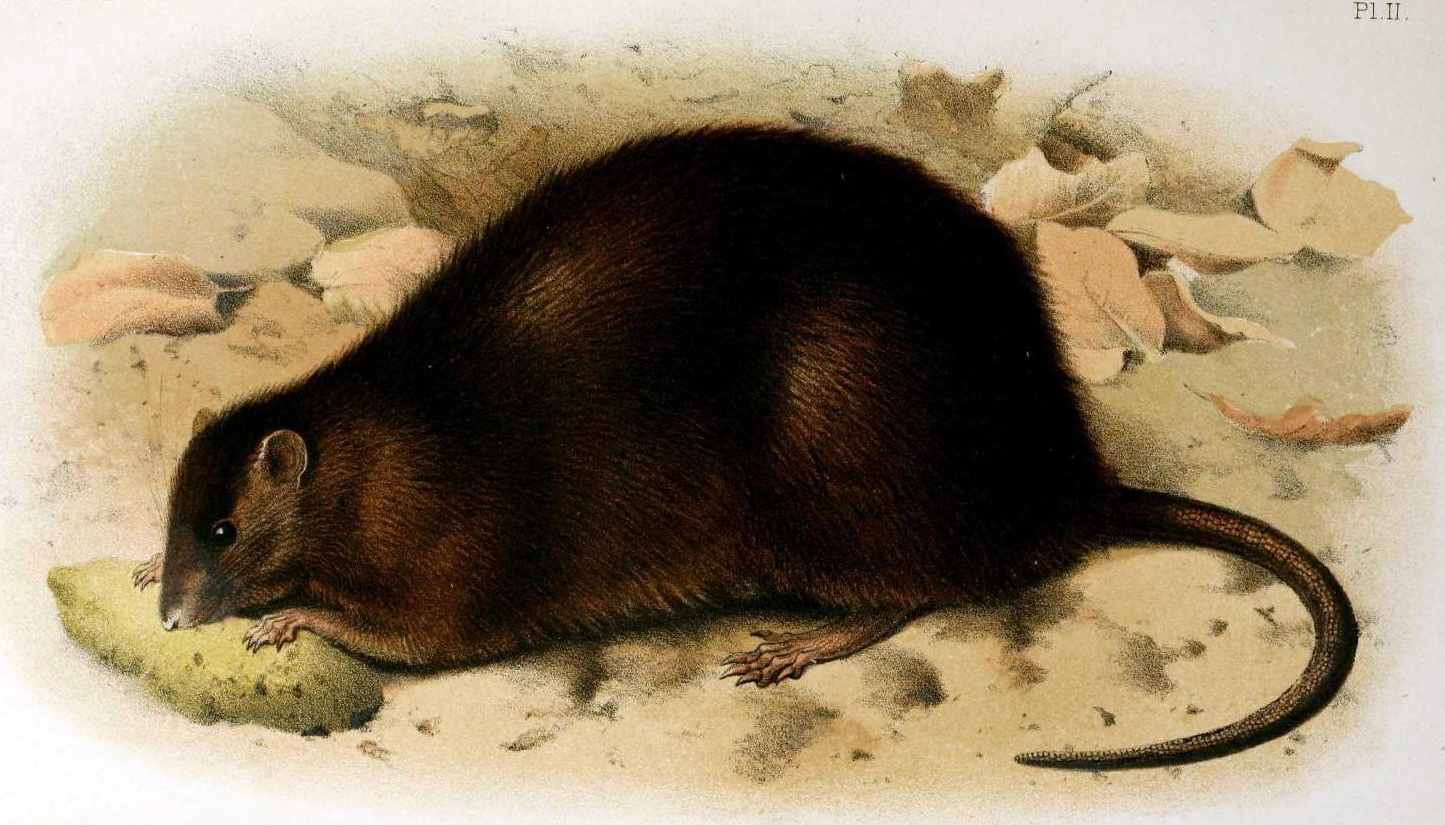
Bulldog rat 1903


The Bulldog Rat (Rattus nativitatis) was a species of rat endemic to Christmas Island in the Indian Ocean. The rats lived on the higher hills and denser forests of the island. They had short tails and their backs were covered in a two centimetre thick layer of fat. They lived in small colonies, in burrows among the roots of trees or under hollow logs in primary forest. They were sluggish and never climbed and may have seemed half-dazed in daylight. The last record dates from 1903. They may have succumbed to a disease brought by black rats that had been inadvertently introduced by human sailors.
Choiseul crested pigeon


The Choiseul Crested Pigeon (Microgoura meeki) is a presumedly extinct pigeon which was only known on the Solomon island of Choiseul in thePacific. This species was first described by Walter Rothschild in 1904 and named in honour of Albert Stewart Meek. The Choiseul islanders called that species kukuru-ni-lua which means ground pigeon
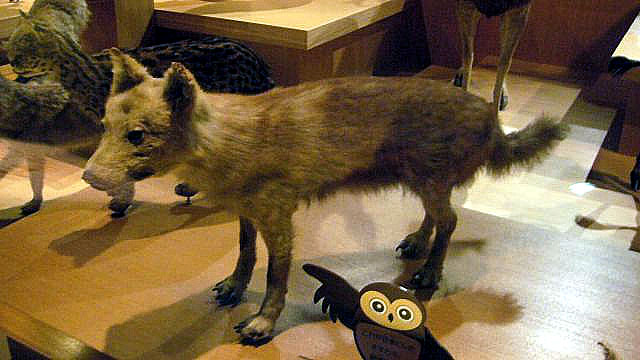
Honshu wolf 1905


The Honshū wolf, known in Japan as the Japanese wolf(ニホンオオカミ(日本狼) Nihon Ōkami?, Canis lupus hodophilax), yamainu(ヤマイヌ(豺、犲、山犬)?, "mountain dog"), or simply wolf(オオカミ(狼) Ōkami?), is one of the two extinctsubspecies of the gray wolf once endemic to the islands of Japan. The Honshū wolf occupied the islands of Honshū, Shikoku, and Kyūshū in Japan. The other subspecies is the Hokkaidō wolf, native to the island of Hokkaidō. The Honshū wolf is thought to have become extinct due to a combination of rabies, which was first reported in Kyūshū and Shikoku in 1732, and human eradication. The last known specimen died in 1905, in Nara Prefecture.
Huia bird 1905


The Huia (Māori: [ˈhʉia]; Heteralocha acutirostris) was the largest species of New Zealand wattlebird and was endemic to the North Island of New Zealand. Its extinction in the early 20th century had two primary causes. The first was rampant overhunting to procure Huia skins for mounted specimens, which were in worldwide demand by museums and wealthy private collectors. Huia were also hunted to obtain their long, striking tail feathers for locally fashionable hat decorations. The second major cause of extinction was the widespread deforestation of the lowlands of the North Island by European settlers to create pasture for agriculture. Most of these forests were ancient, ecologically complex primary forests, and Huia were not able to survive in regenerating secondary forests. The last confirmed sighting of a Huia was on 28 December 1907 in the Tararua Ranges. Further credible sightings near Wellington were reported until 1922 and in Te Urewera National Park in the early 1960s.
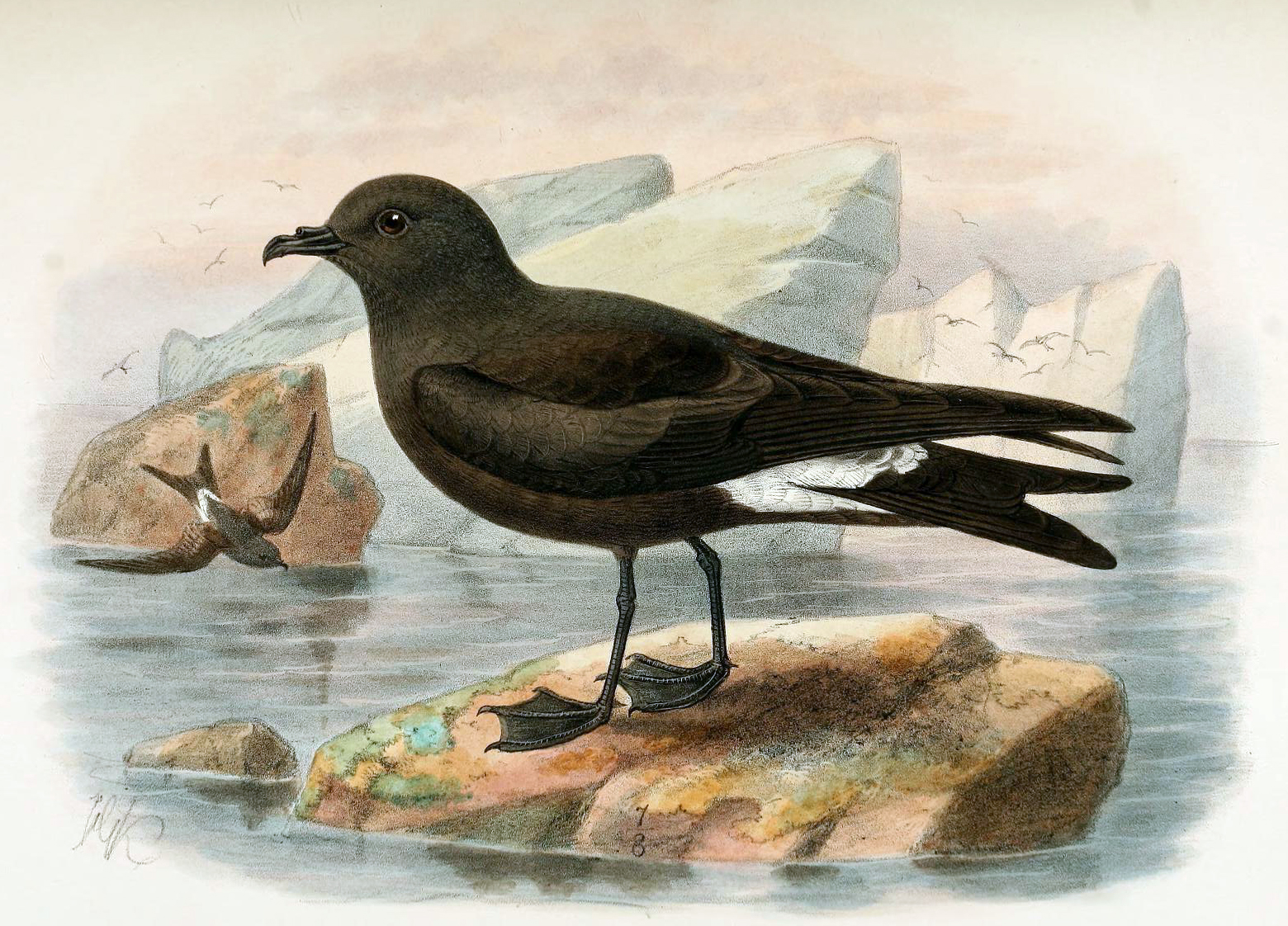
Guadalupe storm petrel 1911
සලකලා යනවා කියලා මම දන්නවා.
බොහොම ස්තුතියි.මීට 0716aravinda


