


What are antidepressants?
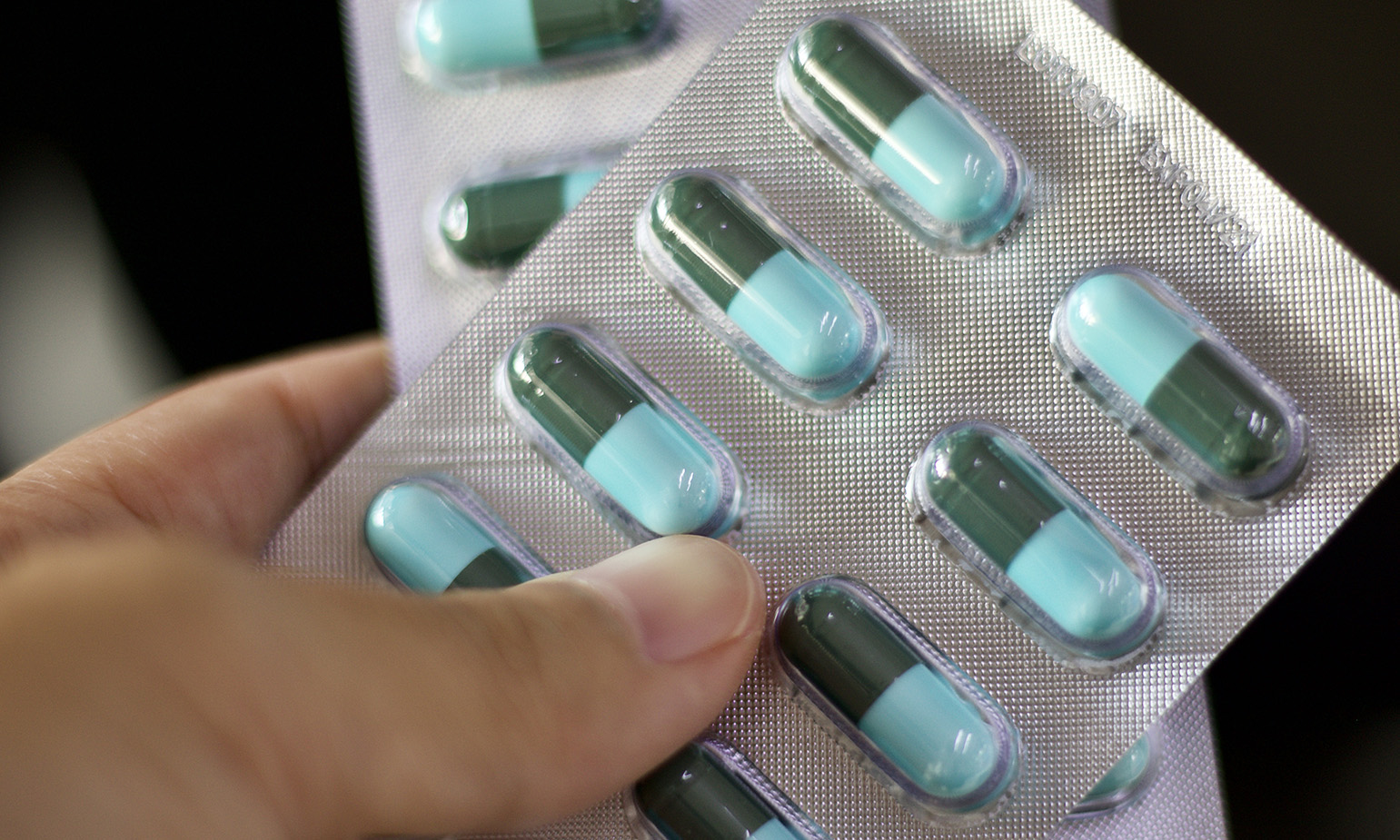
Antidepressants are a range of medications used in the treatment of depression and other mental health conditions, and are some of the most commonly prescribed medications around. They include selective serotonin reuptake inhibitors (SSRIs), serotonin–norepinephrine reuptake inhibitors (SNRIs), atypical antidepressants, tricyclic antidepressants (TCAs), and monoamine oxidase inhibitors (MAOIs).
Antidepressant medications are designed to change chemicals (neurotransmitters) in the brain that affect mood and emotions. When you’re suffering from the pain and anguish of depression, that can sound like a simple and convenient method of relief. Of course, it’s important to remember that—despite what you may have heard—depression isn’t simply caused by the balance of chemicals in the brain. Rather, it’s caused by a complex combination of biological, psychological, and social factors, including lifestyle, relationships, and coping skills that medication can’t address.
That doesn’t mean that antidepressants don’t work for some people. After all, aspirin can ease a headache even though headaches aren’t caused by an aspirin imbalance. When your depression is severe, antidepressant medication can be helpful, even lifesaving. But, while it can help relieve symptoms in some people, it isn’t a cure for depression and is not usually a long-term solution. As time goes on, some people who respond initially to medication can slip back into depression, as can those who stop taking the medication. Antidepressants also often come with unpleasant side effects so it’s important to weigh the benefits against the risks when considering depression medication.
Many people with mild to moderate depression find that therapy, exercise, and self-help strategies work just as well or even better than medication—minus the side effects. Even if you decide to take medication, it’s a good idea to also pursue therapy and lifestyle changes that can help you to address the underlying issues and beat depression for good.
Types of antidepressants and their side effects

Side effects are common in all antidepressants. For some people, the side effects can even be serious enough to make them stop taking the medication.
SSRIs
The most widely prescribed antidepressants come from a class of medications known as selective serotonin reuptake inhibitors (SSRIs), which include drugs such as Prozac, Zoloft, and Paxil. SSRIs act on the neurotransmitter serotonin, a brain chemical that helps to regulate mood.SNRIs
As the name suggests, serotonin and norepinephrine reuptake inhibitors (SNRIs) act on the brain chemical norepinephrine as well as serotonin. They include the drugs Pristiq, Cymbalta, Fetzima, and Effexor and may also be used to treat anxiety and depression accompanied by pain.Side effects of SSRIs and SNRIs
Since the neurotransmitter serotonin also plays a role in digestion, pain, sleep, and mental clarity, SSRIs and SNRIs can cause a wide range of side effects, including:- Nausea
- Insomnia
- Anxiety
- Restlessness
- Decreased sex drive
- Dizziness
- Weight gain
- Tremors
- Excessive sweating
- Sleepiness or fatigue
- Dry mouth
- Diarrhoea
- Constipation
- Headaches
Atypical antidepressants
Atypical antidepressants don’t fit into other classes of antidepressants, but target different neurotransmitters to change the brain chemistry and regulate mood. They include Wellbutrin, Remeron, Desyrel, Serzone, Viibryd, and Trintellix.The side effects vary according to the specific drug. However, many of the atypical antidepressants can cause nausea, fatigue, weight gain, sleepiness, nervousness, dry mouth, and blurred vision.
Older depression drugs
Tricyclic antidepressants (TCAs) and MAOIs (monoamine oxidase inhibitors) are older classes of antidepressants. Their side effects are more severe than those of the newer antidepressants, so they are only prescribed as a last resort after other treatments and medications have failed.Esketamine (Spravato)
The U.S. Food and Drug Administration (FDA) recently approved esketamine (brand name Spravato) for patients with severe, treatment-resistant depression. Taken as a nasal spray in conjunction with an oral antidepressant, esketamine may deliver rapid improvement of symptoms for some patients with major depression.However, as a form of ketamine, it also carries some mind-altering side effects, including dissociation, changes in speech and behavior, anxiety, and suicidal thoughts. There is also the potential for abuse and misuse of this drug and, as yet, no definitive studies on its long-term effects.
Antidepressants and suicide risk

There is a danger that, in some people, antidepressant treatment will cause an increase, rather than a decrease, in depression. In fact, the FDA requires that all depression medications in the U.S. include a warning label about the increased risk of suicide in children and young adults. The suicide risk is particularly great during the first month or two of treatment.
Anyone taking antidepressants should be closely watched for suicidal thoughts and behaviours. Monitoring is especially important if this is the person’s first time on depression medication or if the dose has recently been changed. If you spot the warning signs in yourself or a loved one, contact your doctor or therapist immediately.
Antidepressant suicide warning signs
- Suicidal thoughts or attempts
- New or worse depression
- New or worse anxiety
- New or worse irritability
- Feeling agitated or restless
- Difficulty sleeping
- Aggression and anger
- Acting on dangerous impulses
- Extreme hyperactivity
- Other unusual changes in behaviour
Risk factors
Anyone who takes antidepressants can experience side effects, but certain individuals are at a higher risk:People over 65. Studies show that some antidepressant medications may increase the risk for falls, fractures, and bone loss in older adults.
Pregnant women. The use of some antidepressants late in pregnancy may lead to short-term withdrawal symptoms in newborns after delivery. Typical symptoms include tremor, restlessness, mild respiratory problems, and a weak cry.
Teens and young adults. All depression medications carry an increased risk of suicide in children and young adults.
People who may have bipolar disorder. Antidepressants can actually make bipolar disorder worse or trigger a manic episode; there are other treatments available for those with bipolar disorder.


/doctors-warn-that-anti-depressants-can-lead-to-suicide-3123182-5b1a7b7704d1cf003c8ee069.jpg)
/Anti-depressant-withdrawal-4172110-V1-3baee0923fb14b448bb194ea4083efc7.gif)


 citalopram


