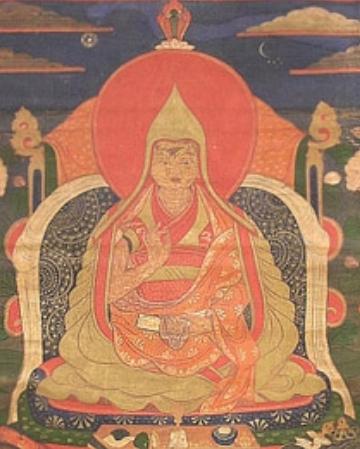
Throughout the ages there have been anonymous claims of deities, Humans claim themselves to be gods!
Who is a human? A human is technically understood to survive with Food,Water, Air and other lively hoods, without these supportive life materials; a human cannot survive.
Who is "THE GOD"? according to Quran, God is been defined under these criteria in chapter 112
But yet there are humans beings who use to eat, drink and defecate; claim themselves to be gods and the funniest part is that these mortal gods gain some charmed followers in their magics.
Now lets move into some of mortal gods throughout the history, i have categorized this article into three main sections
01-Ancient human gods
02-Modern day human gods
03-Human gods yet to die
Let's travel through the timeline of the human gods, we begin with...
Ancient human gods
01. The Pharaohs
 3050 – 30 BC Egyptian pharaohs were kings of Ancient Egypt, and were considered by their culture to be gods. Their titles equated them with aspects of the likes of the hawk god Horus, the vulture goddess Nekhbet and the cobra-goddess Wadjet. The Egyptians believed that when their Pharaoh had died, he would continue to lead them in the next life, which is why his burial was grand and completed to perfection, to please him in the next life and ensure his immortality to protect his people. See List of pharaohs.
Read more about The Miracle of Firown (Pharaoh) in the Quran
02-Imhotep

2600 BC
Ancient Egyptian architect and physician, who two thousand years after his death, was raised to that of a god, becoming the god of medicine and healing.
03-Naram-Sin
 2255–2119 BC The first Mesopotamian king to claim divinity
04-Queen Dido of Carthage
 814 BC Founder and first queen of Carthage, after her death, she was deified by her people with the name of Tanit and assimilated to the Great Goddess Astarte (Roman Juno).[6] The cult of Tanit survived Carthage's destruction by the Romans; it was introduced to Rome itself by Emperor Septimius Severus, himself born in North Africa. It was extinguished completely with the Theodosian decrees of the late 4th century.
05-Homer (hero cult)
 8th century BC Venerated at Alexandria by Ptolemy IV Philopator
06-Romulus and Remus (hero cult)
 771–717 BC
Founders of Rome, sons of Mars, Romulus served as first king. After his death, Romulus was defined as the god,Quirinus, the divine persona of the Roman people. He is now regarded as a mythological figure, and his name aback-formation from the name Rome, which may ultimately derive from a word for "river". Some scholars, notablyAndrea Carandini believe in the historicity of Romulus, in part because of the 1988 discovery of the Murus Romulion the north slope of the Palatine Hill in Rome.
07-Japanese Emperors

660 BC –
Claimed, at least by some Shintoists, including government officials, to be divine descendants of the goddessAmaterasu. Hirohito, the Showa emperor, repudiated this "false conception" in the Ningen-sengen in 1945.
08-Gautama Buddha
 563 BC(?)
Believed to be a god by some Mahayana sects, and worshipped as an avatar of Vishnu by some Vaishnavas.
Note: In Buddhist scriptures, Buddha has never claimed divinity; and he neither said "there is a God" nor "there isn't a God."
09-Hephaistion
 356–324 BC Deified by Alexander the Great
10-Alexander III of Macedon the Great (hero cult)
 356–323 BC
Some believe he implied he was a demigod by actively using the title "Son of Ammon–Zeus". The title was bestowed upon him by Egyptian priests of the god Ammon at the Oracle of the god at the Siwah oasis in theLibyan Desert.[8]
11-Antiochus II Theos
 286–246 BC Seleucid ruler. The younger son of Antiochus I and Stratonice, succeeded his father in 261. He liberated Ephesus, Ionia, Cilicia and Pamphylia from Egyptian domination, and in return for their autonomy the cities of Asia Minor gave him the title Theos ("God").
12-Antiochus IV Epiphanes
 215–164 BC Seleucid ruler (reigned 175-164); the only Seleucid king to claim divine honors, calling himself Theos Epiphaneus "God Manifest" and Nikephoros "Bringer of Victory." Nearly conquered Ptolemaic Egypt, the primary rival of the Seleucids among the Diadochi states. Famously attempted to impose ancient Greek religion on the Jews by persecution, leading to the Maccabean Revolt; remembered as a major persecutor in Jewish tradition.
13-Chinese Emperors

221 BC – AD 1911
Deified as "Son of Heaven" since the Qin Dynasty under Qin Shi Huang
14-Jesus Christ
 ~4 BC – ~33 AD In Romans 1 St. Paul the Apostle of Tarsus described Jesus as being the Son of God and the Lord. BishopAthanasius of Alexandria wrote in defence of the divinity of the Holy Spirit, orthodox Christianity adopted his teachings at the First Council of Nicaea in a Synod assembly of bishops in 325 AD called by the Roman emperorConstantine I the Great.
The Nicene Creed was formulated rejecting Arianism (one of two major strains of Christian thought) and establishedAthanasianism (Trinitarianism, the other strain) as "official doctrine."
Jesus was declared to be God Incarnate, and is now considered to be God in most Christian views of Jesus, God the Son in Trinitarian Christianity. See History of early Christianity, Constantine the Great and Christianity andChristology for details.
Note: Islam says Jesus the son of Mary is only a messenger of God and a human being - Read more Click here
15-Roman Emperors
 42 BC – AD 363 Following Julius Caesar who in 42 BC was formally deified as "the Divine Julius" (Divus Iulius), and Caesar Augustus henceforth became Divi filius ("Son of the Divine One"), some (not all) Roman Emperors of the 1st to 4th centuries claimed divinity, including Tiberius 14–37, Caligula 37–41, Claudius 41–54, Hadrian 117–138, Commodus161–192, Constantine I 306–312, Julian the Apostate 361–363
16-Simon Magus
 1st century Considered a god in Simonianism. According to Justin Martyr: "There was a Samaritan, Simon, a native of the village called Gitto, who in the reign of Claudius Caesar, and in your royal city of Rome, did mighty acts of magic, by virtue of the art of the devils operating in him. He was considered a god, ..."
17-Veleda
 1st century Germanic prophetess considered a deity during her lifetime.
06-Antinous
 111–130 Deified by Hadrian. He is the last non-Imperial human to be formally deified in Western Civilization.
07-Guan Yu
 581–618 Guan Yu has been deified as early as the Sui Dynasty and is still popularly worshipped today among the Chinese people variedly as an indigenous Chinese deity, a bodhisattva in Buddhism and a guardian deity in Taoism. He is also held in high esteem in Confucianism. In Hong Kong both police and gangsters consider him to be a divine object of reverence. In certain schools of Taoism and Chinese Buddhism he has been deemed divine or semi-divine status. The reverence for him may date back to the Sui dynasty.
06-Natchez rulers

700
The Natchez were a theocracy ruled by "The Great Sun." This ruler has sometimes been deemed a God-king.
Who is a human? A human is technically understood to survive with Food,Water, Air and other lively hoods, without these supportive life materials; a human cannot survive.
Who is "THE GOD"? according to Quran, God is been defined under these criteria in chapter 112
" Say: He is Allah, the One and Only!
Allah, the Eternal, Absolute;
He begetteth not nor is He begotten.
And there is none like unto Him."
A simple four line definition is been given by God himself; and non in the universe can fit in this definition.Allah, the Eternal, Absolute;
He begetteth not nor is He begotten.
And there is none like unto Him."
But yet there are humans beings who use to eat, drink and defecate; claim themselves to be gods and the funniest part is that these mortal gods gain some charmed followers in their magics.
Now lets move into some of mortal gods throughout the history, i have categorized this article into three main sections
01-Ancient human gods
02-Modern day human gods
03-Human gods yet to die
Let's travel through the timeline of the human gods, we begin with...
Ancient human gods
01. The Pharaohs
 3050 – 30 BC Egyptian pharaohs were kings of Ancient Egypt, and were considered by their culture to be gods. Their titles equated them with aspects of the likes of the hawk god Horus, the vulture goddess Nekhbet and the cobra-goddess Wadjet. The Egyptians believed that when their Pharaoh had died, he would continue to lead them in the next life, which is why his burial was grand and completed to perfection, to please him in the next life and ensure his immortality to protect his people. See List of pharaohs.
 Read more about The Miracle of Firown (Pharaoh) in the Quran
02-Imhotep

2600 BC
Ancient Egyptian architect and physician, who two thousand years after his death, was raised to that of a god, becoming the god of medicine and healing.
03-Naram-Sin
 2255–2119 BC The first Mesopotamian king to claim divinity
04-Queen Dido of Carthage
 814 BC Founder and first queen of Carthage, after her death, she was deified by her people with the name of Tanit and assimilated to the Great Goddess Astarte (Roman Juno).[6] The cult of Tanit survived Carthage's destruction by the Romans; it was introduced to Rome itself by Emperor Septimius Severus, himself born in North Africa. It was extinguished completely with the Theodosian decrees of the late 4th century.
05-Homer (hero cult)
 8th century BC Venerated at Alexandria by Ptolemy IV Philopator
06-Romulus and Remus (hero cult)
 771–717 BC
 Founders of Rome, sons of Mars, Romulus served as first king. After his death, Romulus was defined as the god,Quirinus, the divine persona of the Roman people. He is now regarded as a mythological figure, and his name aback-formation from the name Rome, which may ultimately derive from a word for "river". Some scholars, notablyAndrea Carandini believe in the historicity of Romulus, in part because of the 1988 discovery of the Murus Romulion the north slope of the Palatine Hill in Rome.
07-Japanese Emperors

660 BC –
Claimed, at least by some Shintoists, including government officials, to be divine descendants of the goddessAmaterasu. Hirohito, the Showa emperor, repudiated this "false conception" in the Ningen-sengen in 1945.
08-Gautama Buddha
 563 BC(?)
 Believed to be a god by some Mahayana sects, and worshipped as an avatar of Vishnu by some Vaishnavas.
Note: In Buddhist scriptures, Buddha has never claimed divinity; and he neither said "there is a God" nor "there isn't a God."
09-Hephaistion
 356–324 BC Deified by Alexander the Great
10-Alexander III of Macedon the Great (hero cult)
 356–323 BC
 Some believe he implied he was a demigod by actively using the title "Son of Ammon–Zeus". The title was bestowed upon him by Egyptian priests of the god Ammon at the Oracle of the god at the Siwah oasis in theLibyan Desert.[8]
11-Antiochus II Theos
 286–246 BC Seleucid ruler. The younger son of Antiochus I and Stratonice, succeeded his father in 261. He liberated Ephesus, Ionia, Cilicia and Pamphylia from Egyptian domination, and in return for their autonomy the cities of Asia Minor gave him the title Theos ("God").
12-Antiochus IV Epiphanes
 215–164 BC Seleucid ruler (reigned 175-164); the only Seleucid king to claim divine honors, calling himself Theos Epiphaneus "God Manifest" and Nikephoros "Bringer of Victory." Nearly conquered Ptolemaic Egypt, the primary rival of the Seleucids among the Diadochi states. Famously attempted to impose ancient Greek religion on the Jews by persecution, leading to the Maccabean Revolt; remembered as a major persecutor in Jewish tradition.
13-Chinese Emperors

221 BC – AD 1911
Deified as "Son of Heaven" since the Qin Dynasty under Qin Shi Huang
14-Jesus Christ
 ~4 BC – ~33 AD In Romans 1 St. Paul the Apostle of Tarsus described Jesus as being the Son of God and the Lord. BishopAthanasius of Alexandria wrote in defence of the divinity of the Holy Spirit, orthodox Christianity adopted his teachings at the First Council of Nicaea in a Synod assembly of bishops in 325 AD called by the Roman emperorConstantine I the Great.
The Nicene Creed was formulated rejecting Arianism (one of two major strains of Christian thought) and establishedAthanasianism (Trinitarianism, the other strain) as "official doctrine."
Jesus was declared to be God Incarnate, and is now considered to be God in most Christian views of Jesus, God the Son in Trinitarian Christianity. See History of early Christianity, Constantine the Great and Christianity andChristology for details.
Note: Islam says Jesus the son of Mary is only a messenger of God and a human being - Read more Click here
15-Roman Emperors
 42 BC – AD 363 Following Julius Caesar who in 42 BC was formally deified as "the Divine Julius" (Divus Iulius), and Caesar Augustus henceforth became Divi filius ("Son of the Divine One"), some (not all) Roman Emperors of the 1st to 4th centuries claimed divinity, including Tiberius 14–37, Caligula 37–41, Claudius 41–54, Hadrian 117–138, Commodus161–192, Constantine I 306–312, Julian the Apostate 361–363
16-Simon Magus
 1st century Considered a god in Simonianism. According to Justin Martyr: "There was a Samaritan, Simon, a native of the village called Gitto, who in the reign of Claudius Caesar, and in your royal city of Rome, did mighty acts of magic, by virtue of the art of the devils operating in him. He was considered a god, ..."
17-Veleda
 1st century Germanic prophetess considered a deity during her lifetime.
06-Antinous
 111–130 Deified by Hadrian. He is the last non-Imperial human to be formally deified in Western Civilization.
07-Guan Yu
 581–618 Guan Yu has been deified as early as the Sui Dynasty and is still popularly worshipped today among the Chinese people variedly as an indigenous Chinese deity, a bodhisattva in Buddhism and a guardian deity in Taoism. He is also held in high esteem in Confucianism. In Hong Kong both police and gangsters consider him to be a divine object of reverence. In certain schools of Taoism and Chinese Buddhism he has been deemed divine or semi-divine status. The reverence for him may date back to the Sui dynasty.
06-Natchez rulers

700
The Natchez were a theocracy ruled by "The Great Sun." This ruler has sometimes been deemed a God-king.