ඔක්තෝබර් මාසයේ සමරන උත්සව






10. Tübingen Duck Race
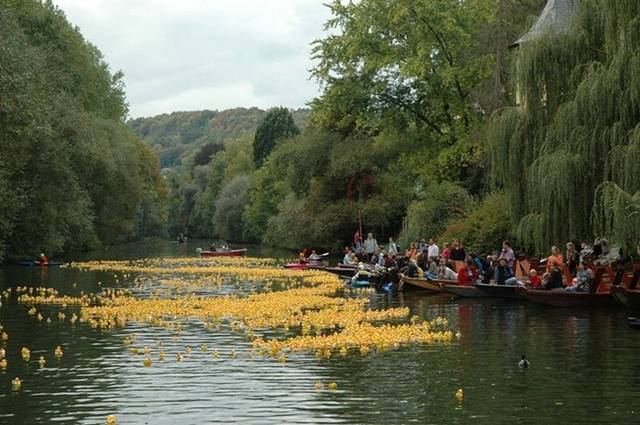
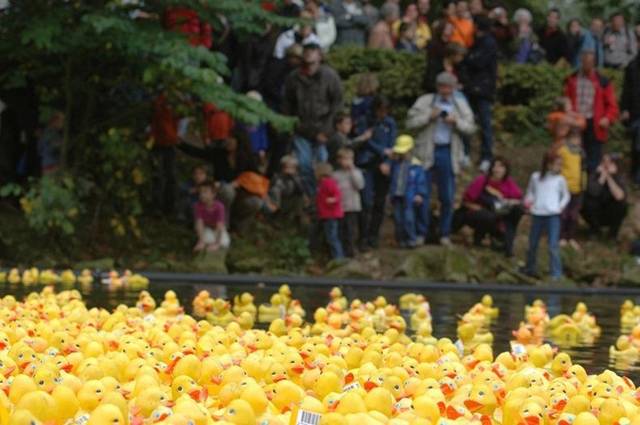
Every year since 1999 over 7000 yellow rubber ducks are let loose in River Necker that courses through this historic town near Stuttgart in Germany. This is almost a third of the city population. The competition starts at midday and anyone with a rubber duck can participate; and if you left yours at home in the bathtub, ducks can be rented before the race. Spectators stick their name and number on the ducks, release the toy in the water and cheer along the riverbank as the mass of yellow bob up and down the designated stretch of the Neckar. A metal weight is attached to their underside so that they don’t topple over on the way. The ducks race from Alleenbrücke to Neckarbrücke is taken very seriously, because there is €10.000 worth of prizes to be won. 28 More after the break...
The duck race is on this Saturday, October 6.
09. Oktoberfest

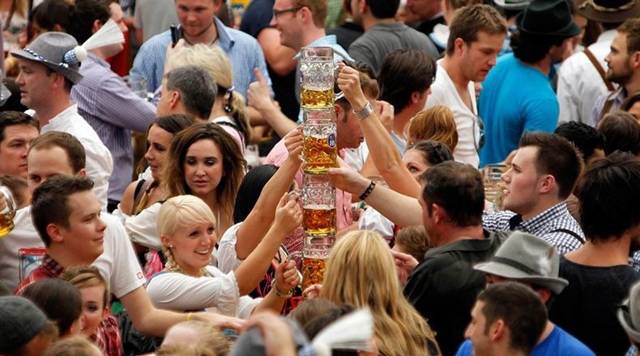
Oktoberfest is a celebration of Bavarian beer from Munich’s finest breweries. Each year, around six million liters of beer is consumed along with approximately 300,000 pork sausages, 600,000 roast chickens and 80 roast ox. Only beer from Munich’s six select breweries is sold in the 14 large tents, served by beer maids carrying armfuls at a time. Aside from beer there are traditional German amusements, folk costumes, traditional music and marching bands, fair ground rides and parades to name but a few. More pictures of Oktoberfest 2012.


08. Pushkar Camel Fair

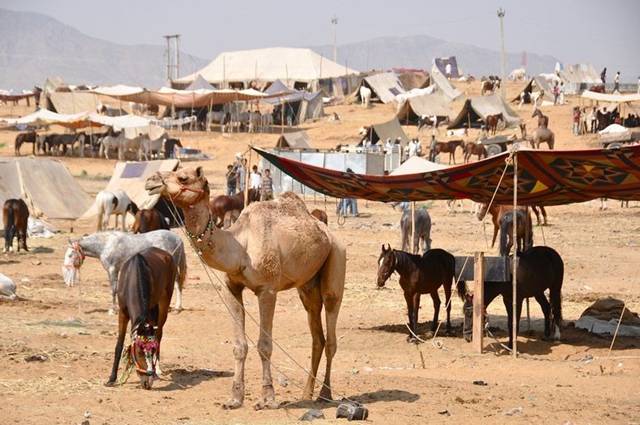
The annual five-day Pushkar Fair is held in the town of Pushkar in the state of Rajasthan, India. The fair attracts hundreds of Rabadi herdsmen who buy and sell many thousands of camels here each year. The camels are decorated with colorful bits of clothes and papers for trading, and there are camel races and even camel beauty parades to take part in as well.
It is one of the world's largest camel fairs, and apart from buying and selling of livestock it has become an important tourist attraction and its highlights have become competitions such as the "matka phod", "longest moustache", and "bridal competition". In recent years the fair has also included an exhibition cricket match between the local Pushkar club and a team of random foreign tourists.
07. Halloween

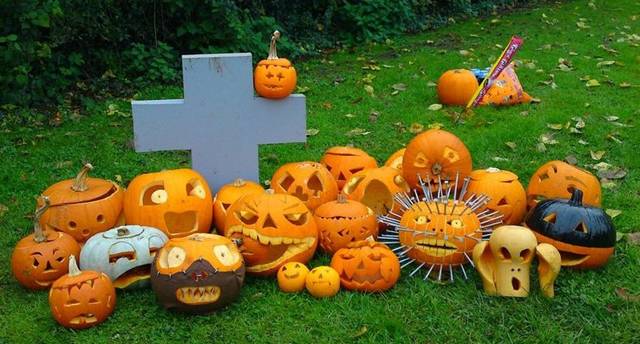
Halloween is observed around the world on October 31, the eve before the Western Christian feast of All Hallows. Halloween is thought to have originated with the ancient Celtic festival of Samhain, when people would light bonfires and wear costumes to ward off roaming ghosts. Over time, Halloween evolved into a secular, community-based event characterized by child-friendly activities such as trick-or-treating and pumpkin carving.
Children go from house to house dressed at witches and ghouls, asking for treats with the question, “Trick or treat?” The word "trick" refers to a (mostly idle) "threat" to perform mischief on the homeowners or their property if no treat is given. In this custom the child performs some sort of trick, i.e. sings a song or tells a ghost story, to earn their treats.

Because the holiday comes in the wake of the annual apple harvest, candy apples (known as toffee apples outside North America), caramel or taffy apples are common Halloween treats made by rolling whole apples in a sticky sugar syrup, sometimes followed by rolling them in nuts.
06. Diwali

Diwali or Dipawali popularly known as the "festival of lights," is the most well-known of the Hindu festivals. The name "Diwali" is a contraction of "Deepavali" which translates into "row of lamps". Diwali involves the lighting of small clay lamps filled with oil to signify the triumph of good over evil. These lamps are kept on during the night and one's house is cleaned, both done in order to make the goddess Lakshmi, the goddess of wealth, feel welcome. The festival is celebrated through festive fireworks, lights, flowers, sharing of sweets, and worship. The festival of Diwali extends over five days, and because of the lights, fireworks and sweets involved, it's a great favourite with children.


Diwali signifies many different things to people across the country. In north India, Diwali celebrates Rama's homecoming, that is his return to Ayodhya after the defeat of Ravana and his coronation as king; in Gujarat, the festival honors Lakshmi, the goddess of wealth; and in Bengal, it is associated with the goddess Kali. Everywhere, it signifies the renewal of life, and accordingly it is common to wear new clothes on the day of the festival; similarly, it heralds the approach of winter and the beginning of the sowing season. I am not counting Diwali festival in October coz this time Diwali is in Nov.

Last edited: