


දැවියාම් තීරනයක් පිළිබද නැවත සොයා බැලීම (DSR)
දැවියාම් තීරනයක් පිළිබද නැවත සොයා බැලීම
Umpire Decision Review System (DRS)
හරියටම දන්නෙ නැති අයට දැනගැනීම සදහා පමණයි..

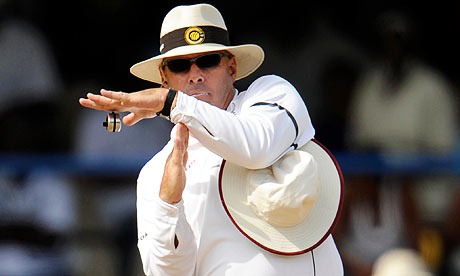
මෙමගින් පිටියෙ සිටින විනිසුරු විසින් ලබාදුන් දැවියාම් තීරනයක් පිළිබද නැවත සොයාබැලීමෙ අවථාවක් දෙපිලටම හිමිවෙ..
මෙහිදී එක් කන්ඩායමක් සදහා එක ඉනිමක් තුල සාර්තක නැවත සොයාබැලීමේ අවස්ථා ඔනෑම ප්රමානයක් ලබාගත හැකි අතර අසාර්තක වු ඉල්ලීමි දෙකනින් පසු නැවත සොයාබැලීමේ අවස්ථාව අහිමි වේ..
Each team is allowed to make two unsuccessful review requests per innings during a match. A fielding team may use the system to dispute a "not out" call and a batting team may do so to dispute an "out" call. The fielding team captain or the batsman being dismissed invokes the challenge by signalling a "T" with the arms. Once the challenge is invoked, acknowledged, and agreed, the Third Umpire reviews the play. While umpires may request the Third Umpire for certain close calls such as line calls (to determine run outs and stumpings) and boundary calls, a challenge may be used in situations that may result in a dismissal: for example, to determine if the ball is a legal catch (making contact with the batsman's bat or glove and not touching the ground before being held by a fielder) or if a delivery made the criteria for a leg before wicket dismissal (hitting the ground in line or on the off side and hitting the batsman in line with a path that would have hit the wicket). The Third Umpire then reports to the on-field umpire whether his analysis supports the original call, contradicts the call, or is inconclusive. The on-field umpire then makes the final decision: either re-signalling a call that is standing or revoking a call that is being reversed and then making the corrected signal. If a team's challenge results in a reversed call, the team keep that challenge; they can continue to challenge throughout the innings until they make two failed challenges.
වැඩේ හොද නම් +++
දැවියාම් තීරනයක් පිළිබද නැවත සොයා බැලීම
Umpire Decision Review System (DRS)
හරියටම දන්නෙ නැති අයට දැනගැනීම සදහා පමණයි..
මෙමගින් පිටියෙ සිටින විනිසුරු විසින් ලබාදුන් දැවියාම් තීරනයක් පිළිබද නැවත සොයාබැලීමෙ අවථාවක් දෙපිලටම හිමිවෙ..
මෙහිදී එක් කන්ඩායමක් සදහා එක ඉනිමක් තුල සාර්තක නැවත සොයාබැලීමේ අවස්ථා ඔනෑම ප්රමානයක් ලබාගත හැකි අතර අසාර්තක වු ඉල්ලීමි දෙකනින් පසු නැවත සොයාබැලීමේ අවස්ථාව අහිමි වේ..
Each team is allowed to make two unsuccessful review requests per innings during a match. A fielding team may use the system to dispute a "not out" call and a batting team may do so to dispute an "out" call. The fielding team captain or the batsman being dismissed invokes the challenge by signalling a "T" with the arms. Once the challenge is invoked, acknowledged, and agreed, the Third Umpire reviews the play. While umpires may request the Third Umpire for certain close calls such as line calls (to determine run outs and stumpings) and boundary calls, a challenge may be used in situations that may result in a dismissal: for example, to determine if the ball is a legal catch (making contact with the batsman's bat or glove and not touching the ground before being held by a fielder) or if a delivery made the criteria for a leg before wicket dismissal (hitting the ground in line or on the off side and hitting the batsman in line with a path that would have hit the wicket). The Third Umpire then reports to the on-field umpire whether his analysis supports the original call, contradicts the call, or is inconclusive. The on-field umpire then makes the final decision: either re-signalling a call that is standing or revoking a call that is being reversed and then making the corrected signal. If a team's challenge results in a reversed call, the team keep that challenge; they can continue to challenge throughout the innings until they make two failed challenges.
වැඩේ හොද නම් +++
Last edited:


