


දුමක් දාන්න කලින් බලන්න..!!!
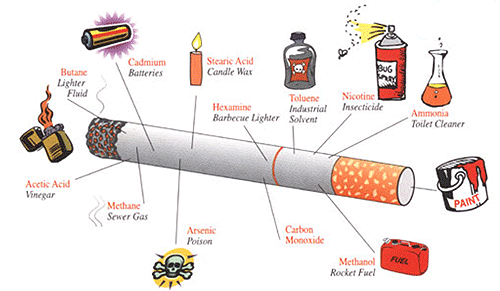
1. Nicotine
Nicotine is the main addictive ingredient in tobacco. Nicotine activates the synthesis of a chemical called dopamine in the brain. The effects of nicotine on the body are "biphasic," in that it can both stimulate and relax you.
2. Acetone
This is also used as a solvent to remove nail varnish.
3. Ammonia
Boosts the impact of nicotine.
4. Tar
Every time you smoke a cigarette, tar is deposited into the lungs. Heavy smokers (20+ cigarettes/day) can accumulate more than a pound of tar in their lungs each year.
5. Benzene
Benzene is used as a solvent in fuel and dyes. It is also carcinogenic.
6. Cadmium
Cadmium is used to make batteries; it is damaging to the kidney and increases the risk of developing lung cancer.
7. Hydrogen cyanide
This is a colorless-to-blue vapor, which can cause death within minutes if breathed in large concentrations. It is used as a pesticide and fumigant to kill rats. Breathing small amounts of it can cause headache, dizziness, weakness, nausea, and vomiting.
8. Ammonia
Ammonia is used in cigarettes to boost the impact of nicotine ("free-basing"). Ammonia can be irritating to the skin, eyes, nose, throat, and lungs.
9. Carbon monoxide (CO)
Carbon monoxide is a colorless, odorless gas which when inhaled reduces the body's ability to carry oxygen. Cigarette smoke can contain high levels of this gas. Breathing low levels of CO can cause fatigue while increasingly higher concentrations can lead to headache, nausea, confusion, disorientation, and eventually death.
10. Nitrogen oxides
Carbon monoxide is a colorless, odorless gas which when inhaled reduces the body's ability to carry oxygen. Cigarette smoke can contain high levels of this gas. Breathing low levels of CO can cause fatigue while increasingly higher concentrations can lead to headache, nausea, confusion, disorientation, and eventually death.
Drug Prevention Unit
1. Nicotine
Nicotine is the main addictive ingredient in tobacco. Nicotine activates the synthesis of a chemical called dopamine in the brain. The effects of nicotine on the body are "biphasic," in that it can both stimulate and relax you.
2. Acetone
This is also used as a solvent to remove nail varnish.
3. Ammonia
Boosts the impact of nicotine.
4. Tar
Every time you smoke a cigarette, tar is deposited into the lungs. Heavy smokers (20+ cigarettes/day) can accumulate more than a pound of tar in their lungs each year.
5. Benzene
Benzene is used as a solvent in fuel and dyes. It is also carcinogenic.
6. Cadmium
Cadmium is used to make batteries; it is damaging to the kidney and increases the risk of developing lung cancer.
7. Hydrogen cyanide
This is a colorless-to-blue vapor, which can cause death within minutes if breathed in large concentrations. It is used as a pesticide and fumigant to kill rats. Breathing small amounts of it can cause headache, dizziness, weakness, nausea, and vomiting.
8. Ammonia
Ammonia is used in cigarettes to boost the impact of nicotine ("free-basing"). Ammonia can be irritating to the skin, eyes, nose, throat, and lungs.
9. Carbon monoxide (CO)
Carbon monoxide is a colorless, odorless gas which when inhaled reduces the body's ability to carry oxygen. Cigarette smoke can contain high levels of this gas. Breathing low levels of CO can cause fatigue while increasingly higher concentrations can lead to headache, nausea, confusion, disorientation, and eventually death.
10. Nitrogen oxides
Carbon monoxide is a colorless, odorless gas which when inhaled reduces the body's ability to carry oxygen. Cigarette smoke can contain high levels of this gas. Breathing low levels of CO can cause fatigue while increasingly higher concentrations can lead to headache, nausea, confusion, disorientation, and eventually death.
Drug Prevention Unit


