


ලෝක ලාදුරු දිනය අදයි....World Leprosy Day
1.Leprosy is an infectious disease caused by a bacillus bacteria, Mycobacterium leprae
2.Leprosy is not highly infectious. It is transmitted via droplets from the nose and mouth during close and frequent contact with those infected who are not on treatment with multi-drug therapy (MDT).
3.Most people have natural immunity to leprosy and only a few people develop the disease.
4.Leprosy usually manifests itself as pale or reddish patches which lack sensation.
5.If detected early and treated, leprosy will not lead to disabilities.
6.Leprosy can be cured with MDT, a combination of dapsone, rifampicin (Rimactane®) and clofazimine (Lamprene®), in six to twelve months.
7.WHO has defined Leprosy elimination as a prevalence of less than 1 case per 10,000 people. By the end of 2000, leprosy was eliminated at a global level. Efforts now focus on eliminating leprosy from every country.
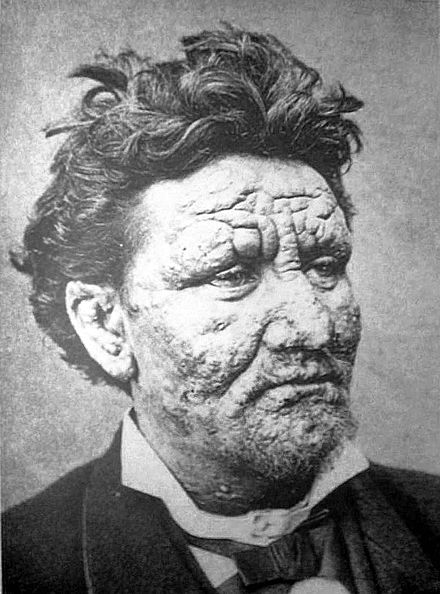
Types of leprosy..
1.Early and indeterminate leprosy
2.Tuberculoid leprosy
3.Borderline tuberculoid leprosy
4.Borderline leprosy
5.Borderline lepromatous leprosy
6.Lepromatous leprosy
7.Histoid leprosy
Leprosy in Sri Lanka...
Leprosy continues to be very prevalent in Sri Lanka. Some 2,000 new patients are discovered among the 20 million population every year. In addition, several thousand disabled leprosy victims live on the island. There are still certain areas in the west, south and east where leprosy continues to represent a serious problem for the population. Almost 10% of patients delay too long in coming for treatment and already have permanent, incurable nerve damage.

Projects to combat neglected illnesses
In 2006, we began to combat the killer disease leptospirosis in the Matara region in the south. The disease is probably transmitted by bacteria in urine of rats that multiply in mud and water. The pathogens infect people when they make their way through contaminated paddy fields or marshy meadows. The death rate in Sri Lanka for people infected with leptospirosis is almost 10%, mainly because the symptoms are incorrectly identified and the treatment started too late. The illness makes the people frightened and in many villages, rice production suffers as a consequence because the farmers are afraid to work their fields.

Education and preventive therapy
Support the health services in the fight against leptospirosis. We educate people on the dangers, so that they can avoid risks and call on swift medical assistance if infection is suspected. We finance preventive medicines throughout the potentially risky rice harvest, which effectively prevents the illness. As a result, we have been able to save many lives in recent years and given people the confidence to keep up their rice-growing in order to feed themselves and their families.

Impressive progress of the world
1.14 million people have been cured of leprosy, 4 million of them with drugs provided through the Novartis / WHO collaboration (cost of US$40 million).
2.Two decades ago leprosy was a public health problem in 122 countries. Today the disease has been eliminated as a public health problem from all but 9 (Angola, Brazil, Central African Republic,
3.Democratic Republic of the Congo, India, Madagascar, Mozambique, Nepal and the United Republic of Tanzania).
4.Two decades ago the global leprosy burden was 5 million, today it stands at 287 000.
5.The global prevalence rate has dropped by 90% since 1985 from 21.1 per 10000 inhabitants to less than 1 per 10000 inhabitants in 2000.
6.The new case load globally has dropped by 20% a year annual since 2001. In 2004, 408,000 new cases detected, down from a peak of 804,000 cases in 1998.

~☺☺add a rep if u like my thread☺☺~
Facts about Leprosy
1.Leprosy is an infectious disease caused by a bacillus bacteria, Mycobacterium leprae
2.Leprosy is not highly infectious. It is transmitted via droplets from the nose and mouth during close and frequent contact with those infected who are not on treatment with multi-drug therapy (MDT).
3.Most people have natural immunity to leprosy and only a few people develop the disease.
4.Leprosy usually manifests itself as pale or reddish patches which lack sensation.
5.If detected early and treated, leprosy will not lead to disabilities.
6.Leprosy can be cured with MDT, a combination of dapsone, rifampicin (Rimactane®) and clofazimine (Lamprene®), in six to twelve months.
7.WHO has defined Leprosy elimination as a prevalence of less than 1 case per 10,000 people. By the end of 2000, leprosy was eliminated at a global level. Efforts now focus on eliminating leprosy from every country.
Types of leprosy..
1.Early and indeterminate leprosy
2.Tuberculoid leprosy
3.Borderline tuberculoid leprosy
4.Borderline leprosy
5.Borderline lepromatous leprosy
6.Lepromatous leprosy
7.Histoid leprosy
Leprosy in Sri Lanka...
Leprosy continues to be very prevalent in Sri Lanka. Some 2,000 new patients are discovered among the 20 million population every year. In addition, several thousand disabled leprosy victims live on the island. There are still certain areas in the west, south and east where leprosy continues to represent a serious problem for the population. Almost 10% of patients delay too long in coming for treatment and already have permanent, incurable nerve damage.

Projects to combat neglected illnesses
In 2006, we began to combat the killer disease leptospirosis in the Matara region in the south. The disease is probably transmitted by bacteria in urine of rats that multiply in mud and water. The pathogens infect people when they make their way through contaminated paddy fields or marshy meadows. The death rate in Sri Lanka for people infected with leptospirosis is almost 10%, mainly because the symptoms are incorrectly identified and the treatment started too late. The illness makes the people frightened and in many villages, rice production suffers as a consequence because the farmers are afraid to work their fields.

Education and preventive therapy
Support the health services in the fight against leptospirosis. We educate people on the dangers, so that they can avoid risks and call on swift medical assistance if infection is suspected. We finance preventive medicines throughout the potentially risky rice harvest, which effectively prevents the illness. As a result, we have been able to save many lives in recent years and given people the confidence to keep up their rice-growing in order to feed themselves and their families.

Impressive progress of the world
1.14 million people have been cured of leprosy, 4 million of them with drugs provided through the Novartis / WHO collaboration (cost of US$40 million).
2.Two decades ago leprosy was a public health problem in 122 countries. Today the disease has been eliminated as a public health problem from all but 9 (Angola, Brazil, Central African Republic,
3.Democratic Republic of the Congo, India, Madagascar, Mozambique, Nepal and the United Republic of Tanzania).
4.Two decades ago the global leprosy burden was 5 million, today it stands at 287 000.
5.The global prevalence rate has dropped by 90% since 1985 from 21.1 per 10000 inhabitants to less than 1 per 10000 inhabitants in 2000.
6.The new case load globally has dropped by 20% a year annual since 2001. In 2004, 408,000 new cases detected, down from a peak of 804,000 cases in 1998.

~☺☺add a rep if u like my thread☺☺~


