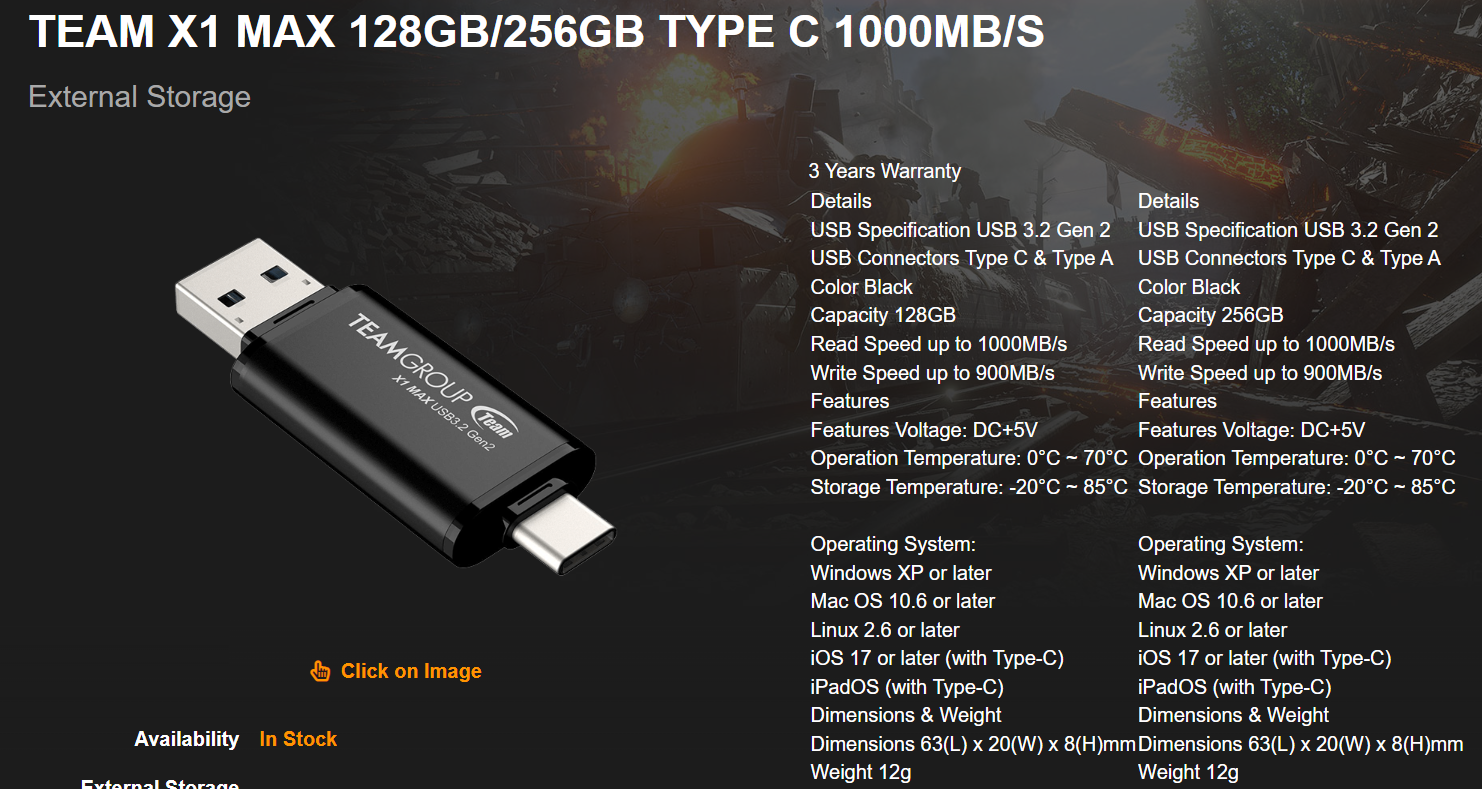
Performance-wise, reviews paint a nuanced picture. TechRadar’s 2024 review of the 1TB model confirms it can hit close to that 1,000 MB/s read speed for short bursts (e.g., small file transfers), beating out older drives like the Crucial X6 by up to 20% in some tests. However, write speeds drop significantly with larger files—sometimes dipping below 100 MB/s after 30GB or so—due to a limited SLC cache, a common trait in budget SSDs. PCWorld’s 2025 review echoes this, noting a painful 54-minute write time for a 450GB file, making it less ideal for heavy data dumps. Real-world use, like copying a few gigs, still feels snappy, though.
Build quality gets a nod for its aluminum alloy body, which aids heat dissipation (stays cool under load), but the plastic end caps are a weak point—easy to lose and flimsy. It’s got a 5-year warranty, which is solid for a thumb drive, though there’s no hardware encryption or bundled software, unlike some competitors (e.g., Samsung’s T7). Compared to rivals like the SanDisk Extreme Portable SSD (also 1TB, slightly cheaper at ~$80, IP65-rated) or the Netac ZX20 (faster at $99 with USB 3.2 Gen 2x2), the X1 Max sits in a middle ground: convenient and fast enough for casual use, but not a champ for sustained writes or ruggedness.
For general use—say, moving game files, backups, or media—it’s a decent pick, especially if you value the cable-free design and dual connectors. But if you’re regularly shifting massive files or need top-tier durability, Team Group’s own higher-end SSDs (like the MP44) or other brands might edge it out. Thoughts on what you’re planning to use it for? That could narrow it down further!
grok