සුපිරි Ai Site එකක් ......
මෙන්න සයිට් එක
-------------------------------------
According to Ask AI & Question AI

Sigiriya: An Overview
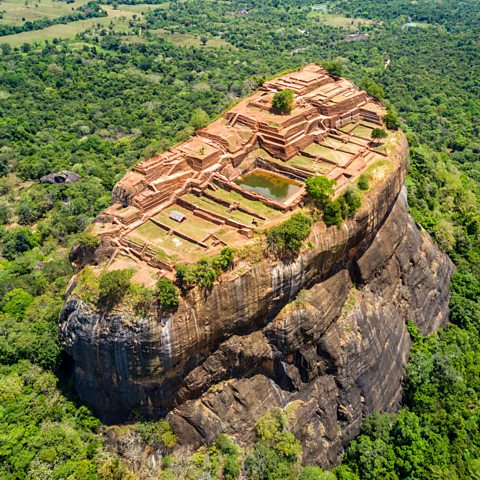
Sigiriya, also known as the “Lion Rock,” is an ancient rock fortress and archaeological site located in the Matale District of Sri Lanka’s Central Province. It is one of the most iconic landmarks in Sri Lanka and a UNESCO World Heritage Site since 1982. Sigiriya is renowned for its historical significance, architectural ingenuity, and breathtaking natural surroundings.
මෙන්න සයිට් එක
-------------------------------------
According to Ask AI & Question AI

Sigiriya: An Overview
Sigiriya, also known as the “Lion Rock,” is an ancient rock fortress and archaeological site located in the Matale District of Sri Lanka’s Central Province. It is one of the most iconic landmarks in Sri Lanka and a UNESCO World Heritage Site since 1982. Sigiriya is renowned for its historical significance, architectural ingenuity, and breathtaking natural surroundings.
Historical Background
Sigiriya dates back to the 5th century CE during the reign of King Kashyapa I (477–495 CE). According to historical records, King Kashyapa built this fortress as his royal residence after seizing the throne from his father, King Dhatusena. Fearing retaliation from his half-brother Moggallana, who was the rightful heir to the throne, Kashyapa moved his capital to Sigiriya for its strategic defensive advantages.
After Kashyapa’s death in 495 CE during a battle with Moggallana, Sigiriya ceased to function as a royal palace and was converted into a Buddhist monastery until it was abandoned in the 14th century.
After Kashyapa’s death in 495 CE during a battle with Moggallana, Sigiriya ceased to function as a royal palace and was converted into a Buddhist monastery until it was abandoned in the 14th century.
Geographical Features
Sigiriya is situated approximately 594 feet (181 meters) above sea level and rises about 660 feet (200 meters) above the surrounding plain. The rock itself is a hardened magma plug from an extinct volcano that eroded over time. Its location provides panoramic views of lush forests, water gardens, and distant mountains.
Nearby geographical features include:
Nearby geographical features include:
- Piduruthalagala Mountain (8281 feet), located 64 miles south.
- Adam’s Peak (7359 feet), located 78 miles south.
- Waterfalls such as Bambarakande Falls (863 feet) and Diyaluma Falls (722 feet), both within an 80–85 mile radius.
The nearest sea body is the Bay of Bengal, approximately 48 miles northeast of Sigiriya.
Architectural Significance
The architecture of Sigiriya demonstrates advanced urban planning and engineering techniques for its time. The site consists of several key components:
1. The Lion Staircase
The name “Sigiriya” translates to “Lion Rock,” derived from a massive lion-shaped gateway carved into the rock at its entrance. While only remnants of this structure remain today—such as two giant lion paws—it once served as an imposing symbol of power and authority.
2. The Palace Complex
Atop Sigiriya lies the ruins of King Kashyapa’s palace complex. This area includes foundations of buildings made from brick and stone, cisterns carved into the rock for water storage, and terraces offering stunning views.
3. The Mirror Wall
The Mirror Wall is a polished plaster wall that once reflected visitors’ images like a mirror. Over centuries, it became inscribed with graffiti by ancient travelers praising Sigiriya’s beauty or expressing their thoughts on love and life.
4. Water Gardens
At ground level are intricately designed water gardens featuring pools, fountains (some still functional during monsoon seasons), canals, and pavilions arranged symmetrically along axial lines—a testament to advanced hydraulic engineering.
5. Frescoes
One of Sigiriya’s most famous features is its frescoes painted on a sheltered section of the rock face about halfway up. These frescoes depict celestial maidens or apsaras adorned with jewelry and flowers in vibrant colors. Only about 19 frescoes survive today out of what was believed to be over 500 originally painted.
Cultural Importance
Sigiriya holds immense cultural significance for Sri Lanka:
- It represents a blend of secular royal architecture with spiritual Buddhist elements.
- The site reflects ancient Sinhalese civilization’s mastery over art, architecture, urban planning, and hydraulic technology.
- It has inspired poets, artists, historians, and archaeologists worldwide due to its unique combination of natural beauty and human ingenuity.
Tourism at Sigiriya
Today, Sigiriya is one of Sri Lanka’s most popular tourist destinations:
- Visitors can climb nearly 1,200 steps leading to the summit while exploring various features such as gardens, caves used by monks for meditation, fresco galleries, and more.
- Nearby attractions include Dambulla Cave Temple (7 miles southwest) and Minneriya National Park (famous for elephant gatherings).
- Facilities such as guided tours are available to help tourists understand its history better.
Tourists are advised to visit early morning or late afternoon due to high temperatures during midday hours; current weather data shows temperatures around 90°F with high humidity levels typical for this region.
Preservation Challenges
Despite being well-maintained by Sri Lankan authorities under UNESCO guidelines:
- Natural erosion poses ongoing threats to frescoes and other structures.
- Tourism-related activities sometimes lead to wear-and-tear on pathways or graffiti on walls.
- Climate change impacts such as increased rainfall intensity could affect drainage systems designed centuries ago.
Efforts continue through conservation programs aimed at preserving this invaluable heritage site for future generations while balancing tourism demands with sustainability concerns.
Top 3 Authoritative Sources Used in Answering this Question
- UNESCO World Heritage Centre
Description: Provides detailed information about World Heritage Sites globally including their history, significance, conservation status, challenges faced by these sites like Sigiriya. - Sri Lanka Tourism Development Authority
Description: Official government body responsible for promoting tourism in Sri Lanka; offers accurate details about major attractions like Sigiriya including visitor guidelines & cultural importance. - Archaeological Department of Sri Lanka
Description: Primary institution overseeing excavation work & preservation efforts at historical sites across Sri Lanka including comprehensive studies conducted on Sigiriya’s architecture & history.
Probability answer is correct: 99%
Last edited: