හඳ ඇත්තටම මොකද මෙච්චර ලොකු

SLHodahitha

Well-known member
  • Nov 8, 2017
    3,089
    2,979
    113
    ::0
    elakiri.com
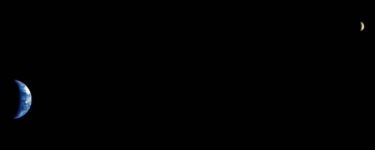
    නිකමට පොඩ්ඩක් හිතලා බැලුවොත් හඳ අපේ ග්‍රහලොකයේ සයිස් එකයි අපිට තියන හදයි(ච්‍රන්ද්‍රයන්), අනික් ග්‍රහලොක වලට තියන ච්‍රන්ද්‍රයන් එක්ක බැලුවොත් ටිකක් ලොකු වැඩි වගේ පෙන්නෙ නැද්ද?

    ලූනා පෘථිවිය වටා ගමන් කරන්නේ ඉලිප්සාකාර කක්ෂයක් නොව සම්පූර්ණයෙන්ම වාගේ වෘත්තාකාර කක්ෂයක ය.එමෙන්ම පෘතුවියට බොහෝ සමීප වේ.මීට ඉහලින්, එය සෑම විටම එහි එකම පැත්ත පෙන්වයි, ඉතා සුළු වෙනස්කම් පමණි.සඳ පෘථිවිය වටා එක් වරක් ගමන් කරන අතරතුර , එය හරියටම එක් වරක් භ්‍රමණය වේ, වැඩි නොවේ, අඩු නොවේ, එය හරියටම එක් වරක් නොවේ නම්, අවසානයේ අපට දුර පැත්ත (Far side) පෙනෙනු ඇත, නමුත් අපට නොපෙනේ. අහම්බයක්.....?

    හඳ අවම වශයෙන් වසර බිලියන 4.6 ක් පැරණි වන අතර සමහර පාෂාණ වසර බිලියන 5.3 ක් පැරණි බව නිවේදනය කරන ලදී.සඳ පෘථිවියට වඩා බොහෝ පැරණි බව පමණක් නොව, ඔවුන්ගේ හොඳම වර්තමාන කාල නිර්ණ ක්‍රම මගින් මනිනු ලැබේ, නමුත් වයසේ විශාල වෙනසක් ඇත. පැහැදිලි කිරීම ප්‍රතික්ෂේප කරන චන්ද්‍රයා: දූවිලි පාෂාණවලට වඩා බොහෝ පැරණිය.සඳ මත ඇති දූවිලි පැමිණියේ කොහෙන්ද?පාෂාණවලින් නොවේ.


    (Google translated)
    More in here http://viewzone.com/anomaluna1.html
    https://moon.nasa.gov/system/video_items/106_95_MoonRotationSVS.mp4
    https://moon.nasa.gov/inside-and-out/top-moon-questions/
     

    Attachments
    • 1693968180973.png
      1693968180973.png
      12.8 KB · Views: 51
    Last edited:

    mag123

    Well-known member
  • Jan 20, 2008
    5,584
    1,792
    113
    I think moon travels around our planet once every 27.322 days in an elliptical orbit. So its not traveling in circular orbit.
     
    • Like
    Reactions: SLHodahitha

    shenat

    Well-known member
  • May 13, 2007
    58,588
    86,933
    113
    ආශ්චර්යමත් රටක
    ඕක නෙවෙයි මට තව ප්‍රශ්නයක් තියෙනවා.

    ඇයි ලංකාවෙ පේනවට වඩා ලොකුවට වෙන රටවල් වලදි හඳ පේන්නෙ? (මට නං ඕස්ට්‍රේලියාවෙදි) පැහැදිලි වෙනසක් තියෙනවා.

    ඒකත් හඳ පායන්න ගත්ත ගමන් මුල් පැය කීපයෙදි වගේ.
     

    NiyamaSinhalaya

    Well-known member
  • Jul 17, 2008
    11,114
    13,784
    113
    පෘථිවිය
    නිකමට පොඩ්ඩක් හිතලා බැලුවොත් හඳ අපේ ග්‍රහලොකයේ සයිස් එකයි අපිට තියන හදයි(ච්‍රන්ද්‍රයන්), අනික් ග්‍රහලොක වලට තියන ච්‍රන්ද්‍රයන් එක්ක බැලුවොත් ටිකක් ලොකු වැඩි වගේ පෙන්නෙ නැද්ද?

    ලූනා පෘථිවිය වටා ගමන් කරන්නේ ඉලිප්සාකාර කක්ෂයක් නොව සම්පූර්ණයෙන්ම වාගේ වෘත්තාකාර කක්ෂයක ය.එමෙන්ම පෘතුවියට බොහෝ සමීප වේ.මීට ඉහලින්, එය සෑම විටම එහි එකම පැත්ත පෙන්වයි, ඉතා සුළු වෙනස්කම් පමණි.සඳ පෘථිවිය වටා එක් වරක් ගමන් කරන අතරතුර , එය හරියටම එක් වරක් භ්‍රමණය වේ, වැඩි නොවේ, අඩු නොවේ, එය හරියටම එක් වරක් නොවේ නම්, අවසානයේ අපට දුර පැත්ත (Far side) පෙනෙනු ඇත, නමුත් අපට නොපෙනේ. අහම්බයක්.....?

    හඳ අවම වශයෙන් වසර බිලියන 4.6 ක් පැරණි වන අතර සමහර පාෂාණ වසර බිලියන 5.3 ක් පැරණි බව නිවේදනය කරන ලදී.සඳ පෘථිවියට වඩා බොහෝ පැරණි බව පමණක් නොව, ඔවුන්ගේ හොඳම වර්තමාන කාල නිර්ණ ක්‍රම මගින් මනිනු ලැබේ, නමුත් වයසේ විශාල වෙනසක් ඇත. පැහැදිලි කිරීම ප්‍රතික්ෂේප කරන චන්ද්‍රයා: දූවිලි පාෂාණවලට වඩා බොහෝ පැරණිය.සඳ මත ඇති දූවිලි පැමිණියේ කොහෙන්ද?පාෂාණවලින් නොවේ.


    (Google translated)
    More in here http://viewzone.com/anomaluna1.html
    https://moon.nasa.gov/system/video_items/106_95_MoonRotationSVS.mp4
    https://moon.nasa.gov/inside-and-out/top-moon-questions/
    හඳ ඔතන කලින් තිබිල නැහැ

    මල ග්‍රහයෙක් ගෙනත් හරි තැන තියල පොලවේ වඩදිය බාදිය හැදුවේ පස්සේ
     

    SLHodahitha

    Well-known member
  • Nov 8, 2017
    3,089
    2,979
    113
    ::0
    elakiri.com
    ඕක නෙවෙයි මට තව ප්‍රශ්නයක් තියෙනවා.

    ඇයි ලංකාවෙ පේනවට වඩා ලොකුවට වෙන රටවල් වලදි හඳ පේන්නෙ? (මට නං ඕස්ට්‍රේලියාවෙදි) පැහැදිලි වෙනසක් තියෙනවා.

    ඒකත් හඳ පායන්න ගත්ත ගමන් මුල් පැය කීපයෙදි වගේ.
    Ow neda ban. Uba poddak gihin balapan philips island patte poya dawasakata ehema. Pattama size. (optical illusions da manda) kohomath australia tiyenne edge eke hinda wath da?

    හඳ ඔතන කලින් තිබිල නැහැ

    මල ග්‍රහයෙක් ගෙනත් හරි තැන තියල පොලවේ වඩදිය බාදිය හැදුවේ පස්සේ
    Uba kiyanawa wage seen ekak man ahala tiyanawa conspiracy therory widihata.

    Muth eka kiyanawa


    ------ Post added on Sep 6, 2023 at 8:32 AM
     
    • Like
    Reactions: shenat

    jdchathuranga

    Well-known member
  • May 4, 2009
    568
    1,348
    93
    37
    Colombo
    I think moon travels around our planet once every 27.322 days in an elliptical orbit. So its not traveling in circular orbit.
    technically it is elliptical orbit, but difference between semimajor and semiminor of that elipse is about 0.15%, so at that scale this orbit is almost a perfect circle

    This is same with plantes as well, for the earth(around the sun) it is 4% difference between axis, so it is more like a circle than a elipse. some of the diagrams we have seen in text books are not showing how the actual orbit looks like

    ඕක නෙවෙයි මට තව ප්‍රශ්නයක් තියෙනවා.

    ඇයි ලංකාවෙ පේනවට වඩා ලොකුවට වෙන රටවල් වලදි හඳ පේන්නෙ? (මට නං ඕස්ට්‍රේලියාවෙදි) පැහැදිලි වෙනසක් තියෙනවා.

    ඒකත් හඳ පායන්න ගත්ත ගමන් මුල් පැය කීපයෙදි වගේ.
    may be due to the position of the observer and and effects of the atmosphere
     
    • Like
    Reactions: Asmodeus and shenat

    NiyamaSinhalaya

    Well-known member
  • Jul 17, 2008
    11,114
    13,784
    113
    පෘථිවිය
    හඳට කිසිම යානයක් හෝ මොන දෙයක්වත් යැවුවට වැඩක් නැහැ එකේ ගන්න කිසිම දෙයක් නැහැ

    හිරුගෙන් එන රශ්මිය සහ වෙනත් ග්‍රහලෝක වල සොල සිස්ටම් එකේ පොලොව තනියම යන නිසා ආරක්ෂාවට සහ එම ස්ථානයේ ග්‍රහයේ පිහිටීම නිසා ඇදීමක් සිදු කරනවා ඒ ඇදීම මගින් පොලවේ ජාල තලය දෙපැත්තට පැද්දෙනවා

    හඳේ සමහර විට හංගල තියෙන දෙයක් තියෙන්න පුළුවන්

    ලංකාවේ බොහෝ රහස් ඉන්දියාවේ තියෙනවා ඉස්සර උස්සපු පුස්කොල පොත් සහ ලිපි අනුව
    එකයි ඉන්දියාව මේ වැඩේට වැඩිපුර බහින්නේ
    එයාල ඒක අරගෙන ලෝකේ හොල්ලන්න බලන්නේ

    චිචි ඕක දන්නවනම් හඳට ට්‍රැක්ටරයක් හරි ඇරලා ඕක හාරනවා
     

    Asmodeus

    Well-known member
  • Feb 6, 2023
    6,885
    15,680
    113
    Ursa Major
    හඳ ඔතන කලින් තිබිල නැහැ

    මල ග්‍රහයෙක් ගෙනත් හරි තැන තියල පොලවේ වඩදිය බාදිය හැදුවේ පස්සේ
    At the beginning of the planetary system, the earth and its sister planet, Theia, collided, and the largest part became the earth; the rest became the moon.
     

    NiyamaSinhalaya

    Well-known member
  • Jul 17, 2008
    11,114
    13,784
    113
    පෘථිවිය
    At the beginning of the planetary system, the earth and its sister planet, Theia, collided, and the largest part became the earth; the rest became the moon.
    Do you mean it collided in a way that it held the almost proper round shape?
    Or do you have a theorem that when rotating around the sun, it rolls and shaped?
    Also if it collided and separated, only Earth rotates and not the Moon rotates in proper speed or motion? What is the reason behind it?
     

    mag123

    Well-known member
  • Jan 20, 2008
    5,584
    1,792
    113
    Some other theories
    suggested by scientists include:

    the moon broke away from the Earth (“Fission theory”)
    the moon formed elsewhere in the solar system and was captured by Earth’s gravity (“Capture theory”)
    the Earth and moon formed from the protoplanetary disk at the same time (“Co-formation”)
     

    Asmodeus

    Well-known member
  • Feb 6, 2023
    6,885
    15,680
    113
    Ursa Major
    Do you mean it collided in a way that it held the almost proper round shape?
    Or do you have a theorem that when rotating around the sun, it rolls and shaped?
    Also if it collided and separated, only Earth rotates and not the Moon rotates in proper speed or motion? What is the reason behind it?
    Why not? Such a collision almost destroyed two planets, and gravity helped the moon collect smaller parts to become its shape now, and the earth is not perfectly spherical; its shape is much like a pear, a geologist would say, a geode. and the moon is not perfectly rounded either. It appears so, but geologists say it is an oblated spheroid, which means its equator is larger than the diameter of its poles.

    And what is meant by proper speed? few billion years ago the speed was faster than today, and the moon was closer. It was said that the earth's tidal waves were so powerful that the ocean moved 200 kilometers to the land and retreated daily. With time, this speed slowed down and the moon drifted away. This is the reason that we have gentle tides now, and it is the reason the earth has continental drift and volcanic activity.
     
    • Like
    Reactions: MrCat

    vishwadt

    Well-known member
  • Aug 6, 2010
    367
    605
    93
    හඳ ගමන් කරන්නේ ඉලිප්සාකාර මාර්ගයක වෘත්තාකාරම නොවේ. කිලෝමීටර් 40000 විතර වෙනසක් තියෙනවා දුරම සහ ලංගම කක්ෂීය පිහිටුම් වල සාමාන්‍ය කක්ෂීය දුර වන කිලෝමීටර් 485000 එක්ක ගත්තම එක 10% පමණ වෙනසක් ඒ කියන්නේ ඉලිප්සයක්.

    ග්‍රහවස්තු ගමන් කල හැකි මාර්ග සියල්ලම කොනික් සේක්ෂන්ස්(https://en.wikipedia.org/wiki/Conic_section) වල පවතින්නේ කොනික් සෙක්ෂන් වලට වෘත, ඉලිප්ස, පරාවල වගේ සියල්ල අයිතියි එහෙම ගත්තම වෘත්තයක යන එක අමුතු දෙයක් නොවේ පුදුම වෙන්න ඕන. හඬ හතරැස් මාර්ගයක යනවනම් පුදුම වෙන්න ඕන.

    එකම පැත්තට හැරී භ්‍රමණය වීමට කියන්නේ tidal locking(https://en.wikipedia.org/wiki/Tidal_locking) කියන සන්සිධ්දිය මෙයත් අරුම පුදුම දෙයක් නොවේ සුර්යග්‍රහ මණ්ඩලය තුල වෙනත් ග්‍රහලෝක වල චන්ද්‍රයන් අතරත් මෙය බහුලයි වෙන එකක් තබා බුධ හිරුවටා යන්නෙත් tidal lock වෙලා. පුලුටෝ සහ චාරෝන් දෙන්නා ඉන්නේ දෙන්නම tidal lock වෙලා කැරකෙන්නේ දෙන්නා දෙන්නා දිහා බලාගෙන. බ්‍රහස්පතීගේ ප්‍රධාන චන්ද්‍රයන් 4 ඇතුළු චන්ද්‍රයන් 10 විතර තියෙන්නෙත් tidal lock වෙලා.

    ඔබ පුදුම ලෙස ගෙනහැර දක්වන ලද කරුණු විශ්වයේ බහුල සිදුවීම් මිස පුදුම නොවේ.
     

    ලොකු bhai

    Well-known member
  • Jun 18, 2012
    1,163
    1,746
    113
    ඕක නෙවෙයි මට තව ප්‍රශ්නයක් තියෙනවා.

    ඇයි ලංකාවෙ පේනවට වඩා ලොකුවට වෙන රටවල් වලදි හඳ පේන්නෙ? (මට නං ඕස්ට්‍රේලියාවෙදි) පැහැදිලි වෙනසක් තියෙනවා.

    ඒකත් හඳ පායන්න ගත්ත ගමන් මුල් පැය කීපයෙදි වගේ.

    මේකනම් ඇත්ත. කෙලින් පාරවල් වල හද කෙලින් යද්දී ී හදට යනවා වගේ
     

    Honda.putha

    Well-known member
  • Dec 26, 2017
    17,242
    29,827
    113
    ඕක නෙවෙයි මට තව ප්‍රශ්නයක් තියෙනවා.

    ඇයි ලංකාවෙ පේනවට වඩා ලොකුවට වෙන රටවල් වලදි හඳ පේන්නෙ? (මට නං ඕස්ට්‍රේලියාවෙදි) පැහැදිලි වෙනසක් තියෙනවා.

    ඒකත් හඳ පායන්න ගත්ත ගමන් මුල් පැය කීපයෙදි වගේ.
    matath Australia ekek kiyala thiyenawa handa wagema irath ehemalu.

    hena loku rawumaklu penne.
     
    • Like
    Reactions: shenat