What is anorexia nervosa?
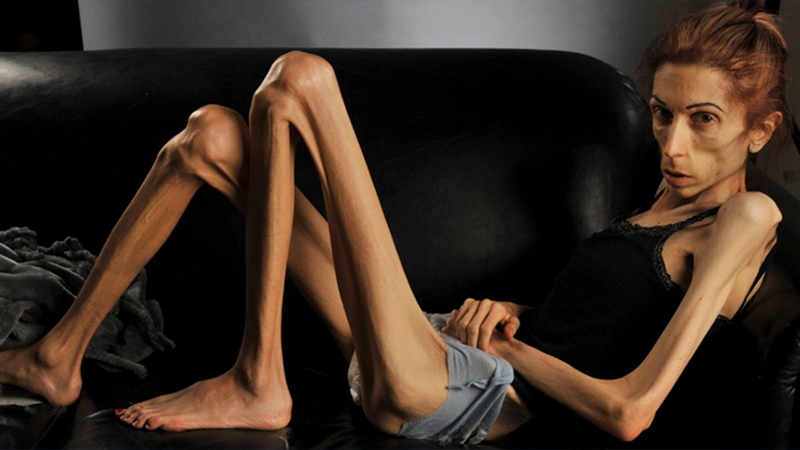
In today’s image-obsessed culture, many of us worry about putting on weight or wish we looked different or could fix something about ourselves. That’s only human. But if a preoccupation with being thin has taken over your eating habits, thoughts, and life, you may have the serious eating disorder, anorexia nervosa.
Anorexia can result in unhealthy, often dangerous weight loss. In fact, the desire to lose weight may become more important than anything else. You may even lose the ability to see yourself as you truly are. While it is most common among adolescent women, anorexia can affect women and men of all ages and is characterized by a refusal to maintain healthy body weight, an intense fear of gaining weight, and a distorted body image.
You may try to lose weight by starving yourself, exercising excessively, or using laxatives, vomiting, or other methods to purge yourself after eating. Thoughts about dieting, food, and your body may take up most of your day—leaving little time for friends, family, and other activities you used to enjoy. Life becomes a relentless pursuit of thinness and intense weight loss. But no matter how skinny you become, it’s never enough.
- Restricting type of anorexia is where weight loss is achieved by restricting calories (following drastic diets, fasting, exercising to excess).
- The purging type of anorexia is where weight loss is achieved by vomiting or using laxatives and diuretics.
Are you anorexic?
- Do you feel fat even though people tell you you’re not?
- Are you terrified of gaining weight?
- Do you lie about how much you eat or hide your eating habits from others?
- Are your friends or family concerned about your weight loss, eating habits, or appearance?
- Do you diet, compulsively exercise, or purge when you’re feeling overwhelmed or bad about yourself?
- Do you feel powerful or in control when you go without food, over-exercise, or purge?
- Do you base your self-worth on your weight or body size?
Signs and symptoms of anorexia
/What-are-the-Signs-of-anorexia-in-teens-3200814_Final2-611d248f4e0d4508878e9fe1679fd52e.png)
While people with anorexia often exhibit different habits, one constant is that living with anorexia means you’re constantly hiding those habits. This can make it hard at first for friends and family to spot the warning signs. When confronted, you might try to explain away your disordered eating and wave away concerns. But as anorexia progresses, people close to you won’t be able to deny their instincts that something is wrong—and neither should you. If eating and weight control your life, you don’t have to wait until your symptoms have progressed or your health is dangerously poor before seeking help.
Food behaviour symptoms
Dieting despite being thin. Following a severely restricted diet. Eating only certain low-calorie foods. Banning “bad” foods such as carbohydrates and fats.Obsession with calories, fat grams, and nutrition. Reading food labels, measuring and weighing portions, keeping a food diary, reading diet books.
Pretending to eat or lying about eating. Hiding, playing with, or throwing away food to avoid eating. Making excuses to get out of meals (“I had a huge lunch” or “My stomach isn’t feeling good”).
Preoccupation with food. Constantly thinking about food. Cooking for others, collecting recipes, reading food magazines, or making meal plans while eating very little.
Strange or secretive food rituals. Refusing to eat around others or in public places. Eating in rigid, ritualistic ways (e.g. cutting food “just so,” chewing food and spitting it out, using a specific plate).
Appearance and body image symptoms
Dramatic weight loss. Rapid, drastic weight loss with no medical cause.Feeling fat, despite being underweight. You may feel overweight in general or just “too fat” in certain places, such as the stomach, hips, or thighs.
Fixation on body image. Obsessed with weight, body shape, or clothing size. Frequent weigh-ins and concern over tiny fluctuations in weight.
Harshly critical of appearance. Spending a lot of time in front of the mirror checking for flaws. There’s always something to criticize. You’re never thin enough.
Denial that you’re too thin. You may deny that your low body weight is a problem while trying to conceal it (drinking a lot of water before being weighed, wearing baggy or oversized clothes).
Purging symptoms
Using diet pills, laxatives, or diuretics. Abusing water pills, herbal appetite suppressants, prescription stimulants, ipecac syrup, and other drugs for weight loss.Throwing up after eating. Frequently disappearing after meals or going to the bathroom. May run the water to disguise sounds of vomiting or reappear smelling like mouthwash or mints.
Compulsive exercising. Following a punishing exercise regimen aimed at burning calories. Exercising through injuries, illness, and bad weather. Working out extra hard after bingeing or eating something “bad.”
Anorexia causes and effects

There are no simple answers to the causes of anorexia. Anorexia is a complex condition that arises from a combination of many social, emotional, and biological factors. Although our culture’s idealization of thinness plays a powerful role, there are many other contributing factors, including:
- Body dissatisfaction
- Strict dieting
- Low self-esteem
- Emotional difficulties
- Perfectionism
- Troubled family relationships
- History of physical or sexual abuse
- Other traumatic experiences
- Family history of eating disorders
Effects of anorexia
While the causes of anorexia are uncertain, the physical effects are clear. When your body doesn’t get the fuel it needs to function normally, it goes into starvation mode and slows down to conserve energy. Essentially, your body begins to consume itself. If self-starvation continues and more body fat is lost, medical complications pile up and your body and mind pay the price.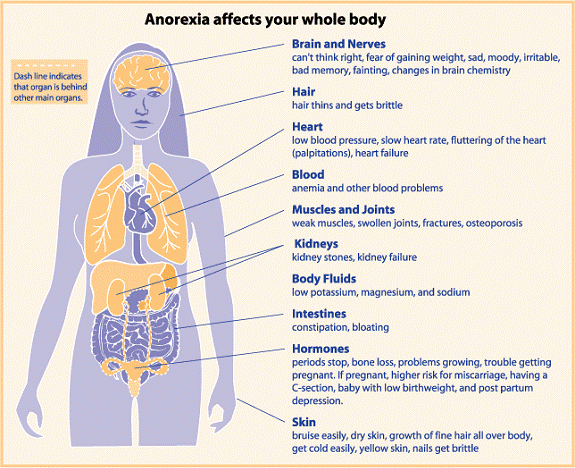
Source: National Women’s Health Information Center
Last edited: