


This is very basic introduction of difference between petrol and diesel four stroke engines
•Petrol and diesel engines are different because petrol and diesel are different types of fuel.
•Petrol is a highly volatile fuel and gets ignited very easily whereas diesel is comparatively heavy and dirtier fuel.
Let’s start with what does a 4 stroke engine mean
•It means that the engine has 4 strokes – inlet, compression, expansion and exhaust
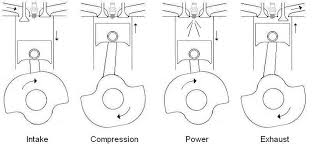
Let’s see stroke by stroke how both engines work
In petrol engines the mixture of air and petrol is drawn in by the falling piston
In diesel engines only air is drawn in by the falling piston
In petrol engine, the mixture is compressed upto about 1/8th to 1/12th of its original size.
In diesel engine, only air is compressed upto about 1/14th to 1/25th of its original size.
In petrol engine, the air and fuel mixture is ignited using a spark plug and burns expanding and forcing the piston down.
In diesel engine, fuel is injected at a high pressure into the hot, compressed air in the cylinder, causing it to burn and force the piston down. No spark is required.
In both petrol and diesel engines, the burned mixture of air and fuel is pushed out of the cylinder by the rising piston.
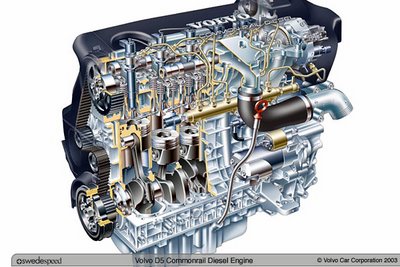
• A diesel engine is also known as a “compression ignition” engine. Since the air is compressed to very high pressure raising its temperature and then diesel is injected in a very fine spray which causes the diesel to ignite and explode.
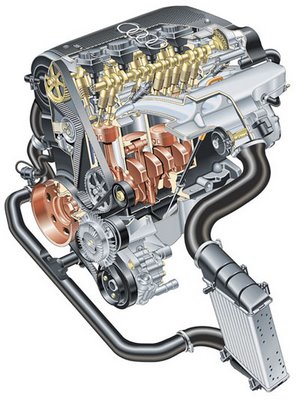
petrol engine is known as a “spark ignition” engine. Since a spark plug is required to ignite the mixture of petrol and air in the combustion chamber.
• A diesel engine is more easily turbocharged than a petrol engine
•A petrol engine cannot be easily turbocharged due to the fact that if the compression ratio and the pressure in the cylinder is too high during the inlet stroke, the mixture starts to burn too soon, while the piston is on its way up
•The diesel engine has no fuel in the cylinder, thus letting the turbocharger suck as much air as it can without creating any problems. (A turbo charger is a simple air compressor which compresses air in the combustion chamber for burning)
•Some diesel engines also have an intercooler which helps in blowing cold and oxygen rich air in the combustion chamber
•Electronic engine management not necessary in diesel engines
•Some modern diesel engines are gaining electronically controlled injection pumps, but the vast majority of them out there have purely mechanical pumps
•This also means that a diesel engine does not have any ignition breakers, ignition coils, distributors and ignition wires to go bad
•So a diesel engine should start no matter if it is dry or rainy or wet
•Petrol destroys lubrication and burns the engine whereas diesel doesn’t
•So a diesel engine would last longer than a petrol engine
•Petrol engines are lighter than diesel engines
•Diesel engine would pull heavy loads easily than a petrol engine
•Though the pickup of a petrol engine would be much more than that of a diesel engine, the diesel engine would be steady and carry heavier loads to longer distances
•Diesel engines have better fuel efficiency as compared to petrol due to the fact that they have higher compression ratio
•Diesel engines don’t need an ignition system, which reduces their complexity. But they are noisier and may require frequent maintenance as compared to petrol engines. Also they are more durable
•Diesel engines may also need glow plugs in extreme cold conditions which heat up the cylinder so that a cold engine can start easily
•Diesel engines give better mileage than petrol engines
Source: http://jayant7k.blogspot.com/2006/10/petrol-engine-versus-diesel-engine.html
Visit home for more on Automobile: http://www.elakiri.com/forum/showthread.php?t=1626999
Please correct me, comment your suggestions and add more details
Thank you for your time.
•Petrol and diesel engines are different because petrol and diesel are different types of fuel.
•Petrol is a highly volatile fuel and gets ignited very easily whereas diesel is comparatively heavy and dirtier fuel.
Let’s start with what does a 4 stroke engine mean
•It means that the engine has 4 strokes – inlet, compression, expansion and exhaust
Let’s see stroke by stroke how both engines work
Inlet stroke
In petrol engines the mixture of air and petrol is drawn in by the falling piston
In diesel engines only air is drawn in by the falling piston
Compression stroke
In petrol engine, the mixture is compressed upto about 1/8th to 1/12th of its original size.
In diesel engine, only air is compressed upto about 1/14th to 1/25th of its original size.
Expansion stroke
In petrol engine, the air and fuel mixture is ignited using a spark plug and burns expanding and forcing the piston down.
In diesel engine, fuel is injected at a high pressure into the hot, compressed air in the cylinder, causing it to burn and force the piston down. No spark is required.
Exhause stroke
In both petrol and diesel engines, the burned mixture of air and fuel is pushed out of the cylinder by the rising piston.
Diesel engine
• A diesel engine is also known as a “compression ignition” engine. Since the air is compressed to very high pressure raising its temperature and then diesel is injected in a very fine spray which causes the diesel to ignite and explode.
Petrol engine
petrol engine is known as a “spark ignition” engine. Since a spark plug is required to ignite the mixture of petrol and air in the combustion chamber.
Furthermore differences of the same
• A diesel engine is more easily turbocharged than a petrol engine
•A petrol engine cannot be easily turbocharged due to the fact that if the compression ratio and the pressure in the cylinder is too high during the inlet stroke, the mixture starts to burn too soon, while the piston is on its way up
•The diesel engine has no fuel in the cylinder, thus letting the turbocharger suck as much air as it can without creating any problems. (A turbo charger is a simple air compressor which compresses air in the combustion chamber for burning)
•Some diesel engines also have an intercooler which helps in blowing cold and oxygen rich air in the combustion chamber
•Electronic engine management not necessary in diesel engines
•Some modern diesel engines are gaining electronically controlled injection pumps, but the vast majority of them out there have purely mechanical pumps
•This also means that a diesel engine does not have any ignition breakers, ignition coils, distributors and ignition wires to go bad
•So a diesel engine should start no matter if it is dry or rainy or wet
•Petrol destroys lubrication and burns the engine whereas diesel doesn’t
•So a diesel engine would last longer than a petrol engine
•Petrol engines are lighter than diesel engines
•Diesel engine would pull heavy loads easily than a petrol engine
•Though the pickup of a petrol engine would be much more than that of a diesel engine, the diesel engine would be steady and carry heavier loads to longer distances
•Diesel engines have better fuel efficiency as compared to petrol due to the fact that they have higher compression ratio
•Diesel engines don’t need an ignition system, which reduces their complexity. But they are noisier and may require frequent maintenance as compared to petrol engines. Also they are more durable
•Diesel engines may also need glow plugs in extreme cold conditions which heat up the cylinder so that a cold engine can start easily
•Diesel engines give better mileage than petrol engines
Source: http://jayant7k.blogspot.com/2006/10/petrol-engine-versus-diesel-engine.html
Visit home for more on Automobile: http://www.elakiri.com/forum/showthread.php?t=1626999
Please correct me, comment your suggestions and add more details
Thank you for your time.
Last edited:


