


Dual rear cameras 
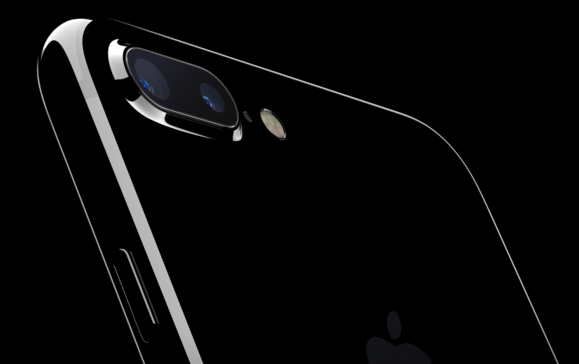
We have heard this one before. Phones like the LG G5, Huawei P9, and the HTC One M8 (from 2014!) feature dual rear cameras, which was the major feature of the iPhone 7 Plus. Apple isn’t the first to touch down in the world of 2X optical zoom, as the Zenfone Zoom has 3X optical zoom along with optical image stabilization (OIS). Same thing for RAW images—that's new to iPhone 7, but has been available on lots of Android phones.
Farewell to the headphone jack
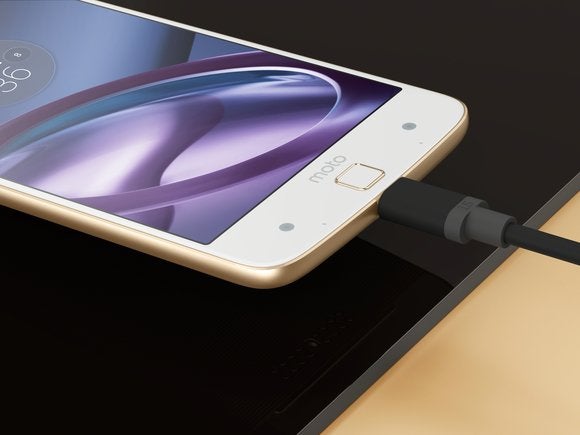
What sounds anathema to iPhone users is already old hat if you have a Moto Z. Lenovo ditched the traditional hole-in-the-phone with its modular smartphone line in order to make it ultra-slim and compact. Other phones that have gone without it include Chinese-made Oppo R5 and LeEcco Le Max 2.
Water and dust resistance

Samsung’s Galaxy phones have been dunked in water for a couple of generations now. The current-generation Galaxy S7, S7 Edge, and Note 7 feature water and dust resistance to the tune of an IP68 rating. Apple's IP67 rating means slightly less water resistance.
And if you really want to go rugged, there’s always the Galaxy S7 Active that can also take more spills and tumbles. Don’t plan on doing that with the new jet black iPhone model unless you bulk it up with a heavy-duty case.
Stereo speakers
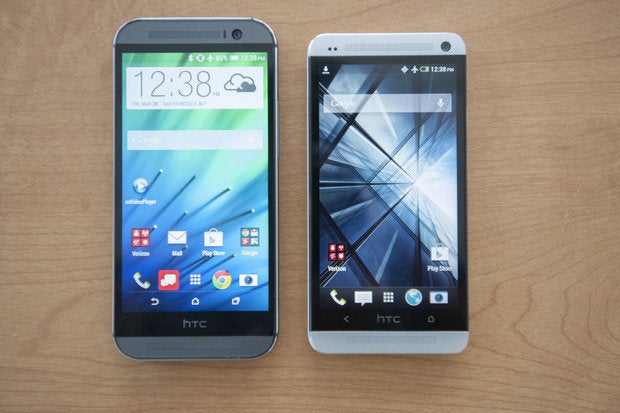
Stereo speakers have been around on Android phones for ages. The HTC One M7 was one of the first phones I remember that truly blew me away with the audio experience.
Quad-core, big-and-little CPU cores
Apple’s Phil Schiller spent a lot of time talking about the A10 chip, which included a game demo with a spell-throwing scarecrow from the Wizard of Oz. The key selling point was that the new quad-core CPU, with two high-performance and two power-efficient cores.
But keeping with the theme here, you’ll find that this came to us first with the big.LITTLE technology from ARM, used in phones as far back as 2013. Quad-core chipsets are also fairly common on Android phones, now the norm in many of this year’s flagships.
Faster LTE
Everyone wants faster Internet speeds, right? Apple promised you’ll get that with the iPhone 7, as it jumps ahead to LTE Cat.9 from Cat.6. In numbers that matter, this means you’ll be able to get up to 450 Mbps (from 300) if you’re connected to a network that can serve this up.
Again, Apple is a couple of years behind the curve on this one as the Galaxy Note 4 was among the first to offer this level. Most high-end Android phones have support for this speed, and we're even starting to see LTE Cat.12 (up to 600 Mbps).
Finally! 32GB of minimum storage
Frankly, this is a move Apple should have made a couple of years ago. The low-end storage option is now 32GB, up from the paltry 16GB they used to offer. And if you want as much as possible you can pack in 256GB in either the iPhone 7 or 7 Plus. Of course, storage options have long been the strengths of Android phones, as many similarly-priced phones have jumped to the 32GB minimum long ago. This year’s Galaxy S7 and S7 Edge offered 32GB only, but you can slap in an SD card to add much more. The Galaxy Note 7 starts at 64GB. Hell, you can get a OnePlus 3 with 64GB for only $400.
We have heard this one before. Phones like the LG G5, Huawei P9, and the HTC One M8 (from 2014!) feature dual rear cameras, which was the major feature of the iPhone 7 Plus. Apple isn’t the first to touch down in the world of 2X optical zoom, as the Zenfone Zoom has 3X optical zoom along with optical image stabilization (OIS). Same thing for RAW images—that's new to iPhone 7, but has been available on lots of Android phones.
Farewell to the headphone jack
What sounds anathema to iPhone users is already old hat if you have a Moto Z. Lenovo ditched the traditional hole-in-the-phone with its modular smartphone line in order to make it ultra-slim and compact. Other phones that have gone without it include Chinese-made Oppo R5 and LeEcco Le Max 2.
Water and dust resistance

Samsung’s Galaxy phones have been dunked in water for a couple of generations now. The current-generation Galaxy S7, S7 Edge, and Note 7 feature water and dust resistance to the tune of an IP68 rating. Apple's IP67 rating means slightly less water resistance.
And if you really want to go rugged, there’s always the Galaxy S7 Active that can also take more spills and tumbles. Don’t plan on doing that with the new jet black iPhone model unless you bulk it up with a heavy-duty case.
Stereo speakers
Stereo speakers have been around on Android phones for ages. The HTC One M7 was one of the first phones I remember that truly blew me away with the audio experience.
Quad-core, big-and-little CPU cores
Apple’s Phil Schiller spent a lot of time talking about the A10 chip, which included a game demo with a spell-throwing scarecrow from the Wizard of Oz. The key selling point was that the new quad-core CPU, with two high-performance and two power-efficient cores.
But keeping with the theme here, you’ll find that this came to us first with the big.LITTLE technology from ARM, used in phones as far back as 2013. Quad-core chipsets are also fairly common on Android phones, now the norm in many of this year’s flagships.
Faster LTE
Everyone wants faster Internet speeds, right? Apple promised you’ll get that with the iPhone 7, as it jumps ahead to LTE Cat.9 from Cat.6. In numbers that matter, this means you’ll be able to get up to 450 Mbps (from 300) if you’re connected to a network that can serve this up.
Again, Apple is a couple of years behind the curve on this one as the Galaxy Note 4 was among the first to offer this level. Most high-end Android phones have support for this speed, and we're even starting to see LTE Cat.12 (up to 600 Mbps).
Finally! 32GB of minimum storage
Frankly, this is a move Apple should have made a couple of years ago. The low-end storage option is now 32GB, up from the paltry 16GB they used to offer. And if you want as much as possible you can pack in 256GB in either the iPhone 7 or 7 Plus. Of course, storage options have long been the strengths of Android phones, as many similarly-priced phones have jumped to the 32GB minimum long ago. This year’s Galaxy S7 and S7 Edge offered 32GB only, but you can slap in an SD card to add much more. The Galaxy Note 7 starts at 64GB. Hell, you can get a OnePlus 3 with 64GB for only $400.


