AMD Cuts Ryzen 7 Prices, Readies Threadripper CPU Lineup
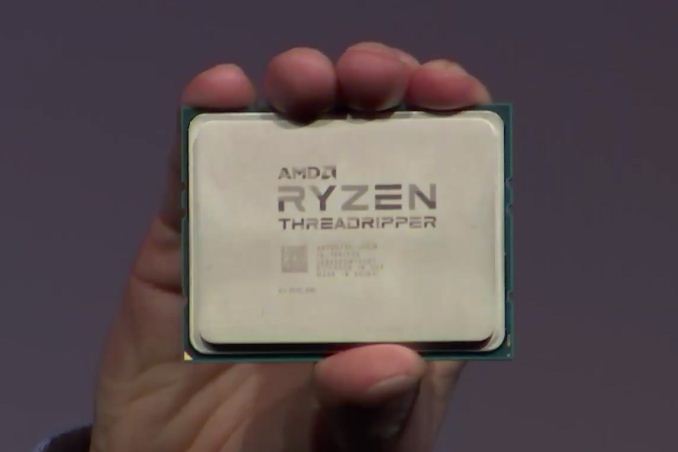
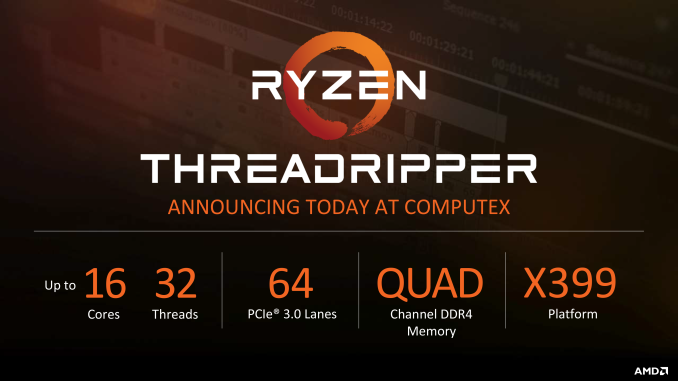
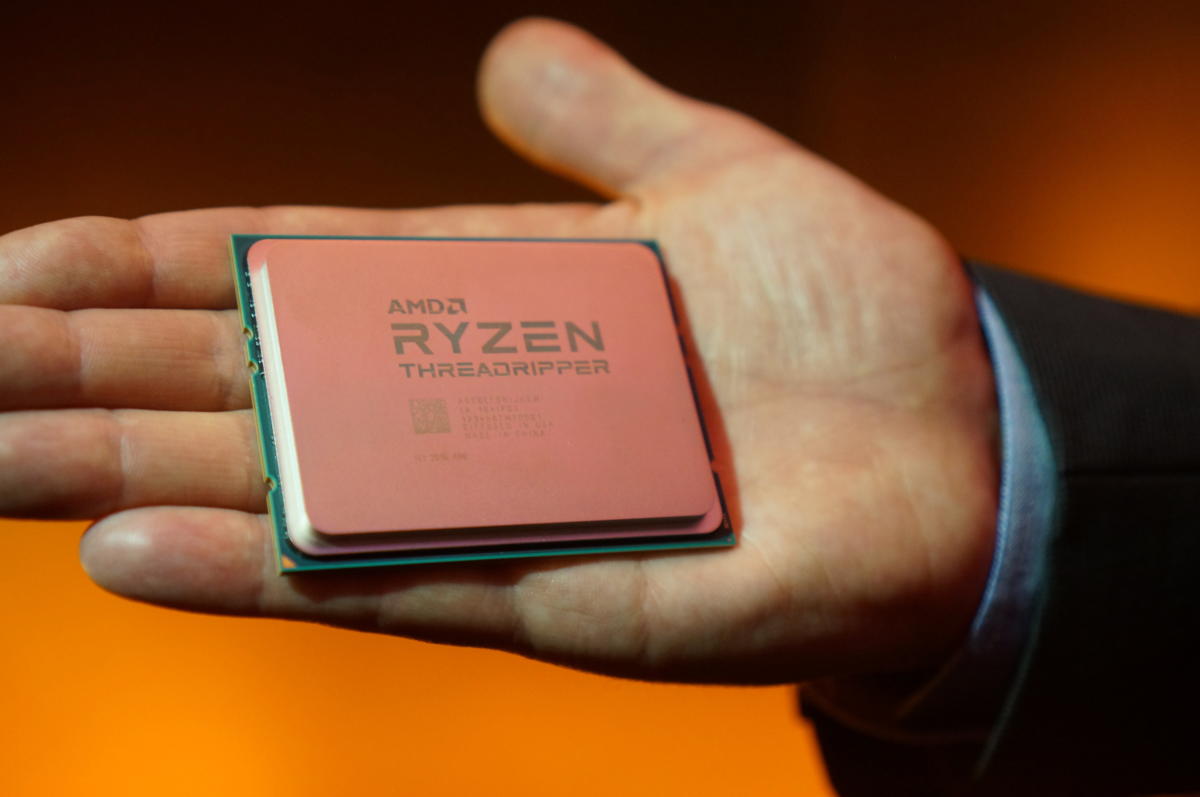
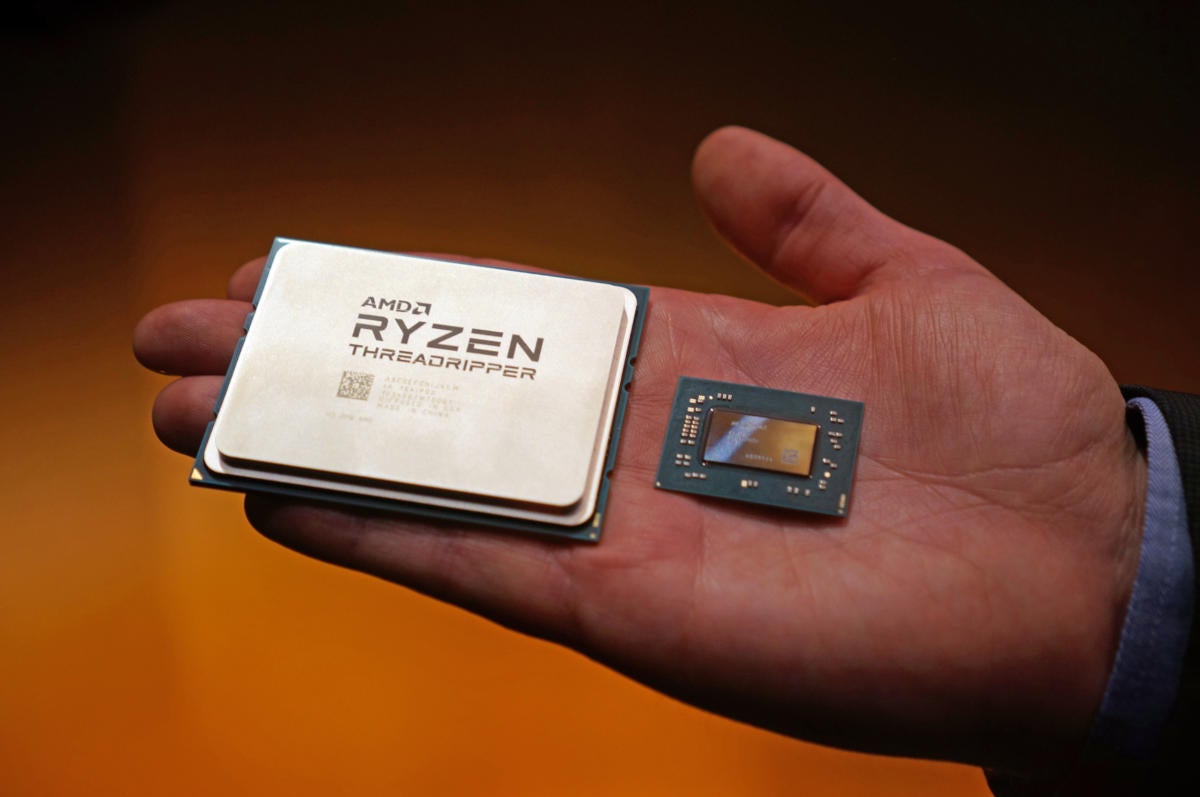
AMD’s Ryzen family has been a major story ever since it debuted several months ago. We know there’s a new high-end, 16-core variant, dubbed Threadripper, on its way in the not-too-distant future, and now we’ve got some early rumors on what clock speeds might be. Oh — and AMD has trimmed the price on existing Ryzen 7 CPUs as well, in case you’re interested in buying into that family, but were hoping for a bit of a price cut first.
Let’s talk about the price cutting first. It’s not clear yet if the current price trimming is permanent or not, but Tech Report reports that the Ryzen 7 1700 has gotten trimmed from $329 to $315, the Ryzen 7 1700X has dropped to $350 from $399, and the Ryzen 7 1800X is dropping from $500 to $460. The cuts are fairly modest, ranging from about 5 percent to ~13 percent. AMD hasn’t given any reason for the price trimming, but if I had to guess, I’d guess that the company is testing the waters at various prices to see how consumers respond.
CPU prices have been static for so long, it’s easy to forget that these kinds of periodic price cuts used to be the norm. Back when AMD and Intel were in direct competition with each other, it was normal for prices to drop on a regular basis as new, faster parts were introduced. Both companies still enforced price banding and kept their mainstream, high-end, and server parts separate, but it wasn’t unusual to see chip prices fall on a regular basis. Neither AMD nor Intel launch new parts at the speeds they used to, and Ryzen 7 is relatively new, so I suspect something different may be happening here (assuming, of course, that these aren’t just temporary prices to goose sales a bit during Computex).
AMD’s Ryzen 7 is the most competitive desktop CPU the company has launched in over a decade. Phenom II (aka Deneb) was a good part for its day, but it didn’t compete particularly well against Nehalem, which had been in market for over a year by the time Deneb debuted in early 2009. Ryzen 7, in contrast, takes the fight directly to Intel’s top-end HEDT markets, and it does so at dramatically lower prices. Our own benchmark comparison of Ryzen 7 1800X versus its various Intel counterparts like the 6900K and 6950X are shown below, and our full review is here.
Maxon's Cinebench R15.038 is a good way to open our tests, given that AMD has been aggressively quoting these figures. In Cinebench's multi-core tests, Ryzen 7 blows past the Core i7-6900K (its chief rival) and nearly challenges the Core i7-6950X. Single-core results still show the Core i7-6950X, Core i7-6900K, and Ryzen 7 1800X on top of one another, while the Core i7-7700K wins that test overall. The FX-9590 is far behind on both.
The flip side to this, however, is that AMD is retaking some degree of market share in spaces where it hasn’t competed for a number of years. It’s hard to accurately guide on price when there’s no near-term market data to draw on, the response from your primary competitor is uncertain, and the PC market is moving in different directions depending on where you look. Overall PC unit shipments have fallen from 365 million units in 2011 to 269.7 million units in 2016, while gaming and enthusiast markets have continued to grow throughout that period.
It’s not surprising, therefore, to see AMD playing a bit with Ryzen 7 pricing, and again, all of this assumes that the new prices aren’t temporary.
AMD’s Threadripper Lineup
Meanwhile, on the Threadripper front, Hot Hardware has a rumored spec sheet of future Ryzen Threadripper parts. There isn’t just one Threadripper SKU — there are nine, ranging from the R9 1955 (10 cores, 20 threads, 3.1GHz base, 3.7GHz Turbo) to the R9 1998X (16 cores, 32 threads, 3.5GHz base, 3.8GHz Turbo). AMD’s top-end 10-core part would be a 125W TDP core with a 3.6GHz base and 3.9GHz Turbo, as compared to Intel’s Core i7-7900X, with a 3.3GHz base clock and 4.3GHz Turbo. As always, all of these specs should be taken with a substantial grain of salt. But while these are rumored specs, they’re rumored specs that make reasonable sense based on what we know about Ryzen’s performance, frequency scaling, and overall capabilities. I’d expect the final figures to be within 5-10 percent of these clocks and TDPs.

There’s only so much, however, that these spec sheets can tell us. Even if they’re accurate, the big question will be how effectively these big-core chips can maintain their clock speeds, and at what core counts. The more cores on any given piece of silicon, the harder it’ll be to move heat out of that die effectively and to keep the chip running at top frequency. Which company does a better job on this front could be critical to determining which company pulls ahead in the inevitable benchmark wars.
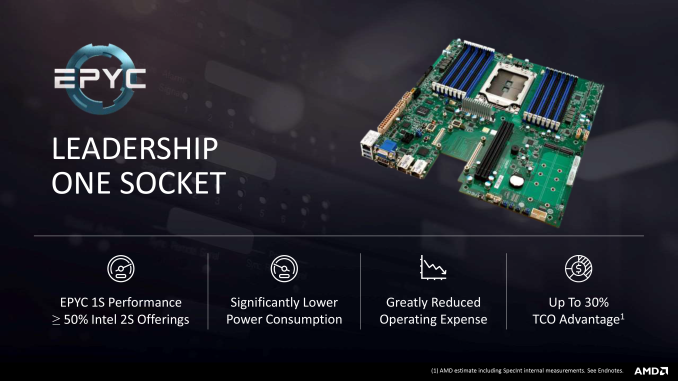
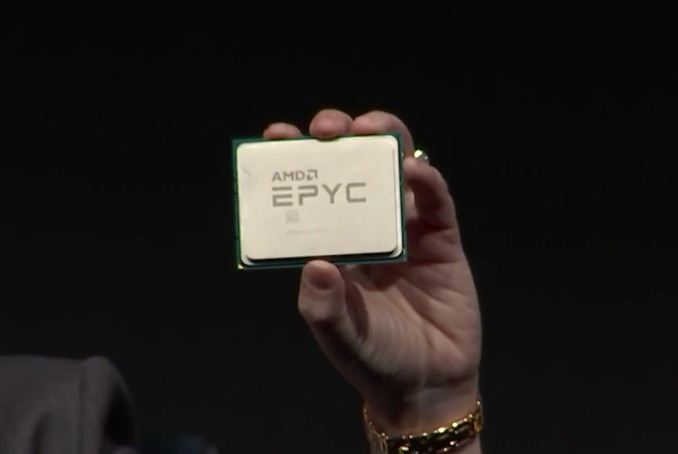
It’s interesting to watch AMD and Intel fight this battle now compared with AMD’s original surge, from 1999 through 2006. Back then, AMD started with a relatively high-end consumer CPU (Athlon), followed by a lower-end budget chip (Duron). It had a server platform for K7 (the AMD 760MP and less-expensive 760MPX), but didn’t get serious about that market until Opteron debuted in 2003. AMD is being much more aggressive this time around, taking on Intel’s entire product stack in desktop, high-end desktop, and in servers via Epyc, while simultaneously prepping updated APUs with Vega graphics for mobile and budget desktop markets. No matter what else happens, the next six months are going to be very interesting for the CPU market.
AMD’s Ryzen family has been a major story ever since it debuted several months ago. We know there’s a new high-end, 16-core variant, dubbed Threadripper, on its way in the not-too-distant future, and now we’ve got some early rumors on what clock speeds might be. Oh — and AMD has trimmed the price on existing Ryzen 7 CPUs as well, in case you’re interested in buying into that family, but were hoping for a bit of a price cut first.
Let’s talk about the price cutting first. It’s not clear yet if the current price trimming is permanent or not, but Tech Report reports that the Ryzen 7 1700 has gotten trimmed from $329 to $315, the Ryzen 7 1700X has dropped to $350 from $399, and the Ryzen 7 1800X is dropping from $500 to $460. The cuts are fairly modest, ranging from about 5 percent to ~13 percent. AMD hasn’t given any reason for the price trimming, but if I had to guess, I’d guess that the company is testing the waters at various prices to see how consumers respond.
CPU prices have been static for so long, it’s easy to forget that these kinds of periodic price cuts used to be the norm. Back when AMD and Intel were in direct competition with each other, it was normal for prices to drop on a regular basis as new, faster parts were introduced. Both companies still enforced price banding and kept their mainstream, high-end, and server parts separate, but it wasn’t unusual to see chip prices fall on a regular basis. Neither AMD nor Intel launch new parts at the speeds they used to, and Ryzen 7 is relatively new, so I suspect something different may be happening here (assuming, of course, that these aren’t just temporary prices to goose sales a bit during Computex).
AMD’s Ryzen 7 is the most competitive desktop CPU the company has launched in over a decade. Phenom II (aka Deneb) was a good part for its day, but it didn’t compete particularly well against Nehalem, which had been in market for over a year by the time Deneb debuted in early 2009. Ryzen 7, in contrast, takes the fight directly to Intel’s top-end HEDT markets, and it does so at dramatically lower prices. Our own benchmark comparison of Ryzen 7 1800X versus its various Intel counterparts like the 6900K and 6950X are shown below, and our full review is here.
Maxon's Cinebench R15.038 is a good way to open our tests, given that AMD has been aggressively quoting these figures. In Cinebench's multi-core tests, Ryzen 7 blows past the Core i7-6900K (its chief rival) and nearly challenges the Core i7-6950X. Single-core results still show the Core i7-6950X, Core i7-6900K, and Ryzen 7 1800X on top of one another, while the Core i7-7700K wins that test overall. The FX-9590 is far behind on both.
The flip side to this, however, is that AMD is retaking some degree of market share in spaces where it hasn’t competed for a number of years. It’s hard to accurately guide on price when there’s no near-term market data to draw on, the response from your primary competitor is uncertain, and the PC market is moving in different directions depending on where you look. Overall PC unit shipments have fallen from 365 million units in 2011 to 269.7 million units in 2016, while gaming and enthusiast markets have continued to grow throughout that period.
It’s not surprising, therefore, to see AMD playing a bit with Ryzen 7 pricing, and again, all of this assumes that the new prices aren’t temporary.
AMD’s Threadripper Lineup
Meanwhile, on the Threadripper front, Hot Hardware has a rumored spec sheet of future Ryzen Threadripper parts. There isn’t just one Threadripper SKU — there are nine, ranging from the R9 1955 (10 cores, 20 threads, 3.1GHz base, 3.7GHz Turbo) to the R9 1998X (16 cores, 32 threads, 3.5GHz base, 3.8GHz Turbo). AMD’s top-end 10-core part would be a 125W TDP core with a 3.6GHz base and 3.9GHz Turbo, as compared to Intel’s Core i7-7900X, with a 3.3GHz base clock and 4.3GHz Turbo. As always, all of these specs should be taken with a substantial grain of salt. But while these are rumored specs, they’re rumored specs that make reasonable sense based on what we know about Ryzen’s performance, frequency scaling, and overall capabilities. I’d expect the final figures to be within 5-10 percent of these clocks and TDPs.

There’s only so much, however, that these spec sheets can tell us. Even if they’re accurate, the big question will be how effectively these big-core chips can maintain their clock speeds, and at what core counts. The more cores on any given piece of silicon, the harder it’ll be to move heat out of that die effectively and to keep the chip running at top frequency. Which company does a better job on this front could be critical to determining which company pulls ahead in the inevitable benchmark wars.
It’s interesting to watch AMD and Intel fight this battle now compared with AMD’s original surge, from 1999 through 2006. Back then, AMD started with a relatively high-end consumer CPU (Athlon), followed by a lower-end budget chip (Duron). It had a server platform for K7 (the AMD 760MP and less-expensive 760MPX), but didn’t get serious about that market until Opteron debuted in 2003. AMD is being much more aggressive this time around, taking on Intel’s entire product stack in desktop, high-end desktop, and in servers via Epyc, while simultaneously prepping updated APUs with Vega graphics for mobile and budget desktop markets. No matter what else happens, the next six months are going to be very interesting for the CPU market.
Last edited: