


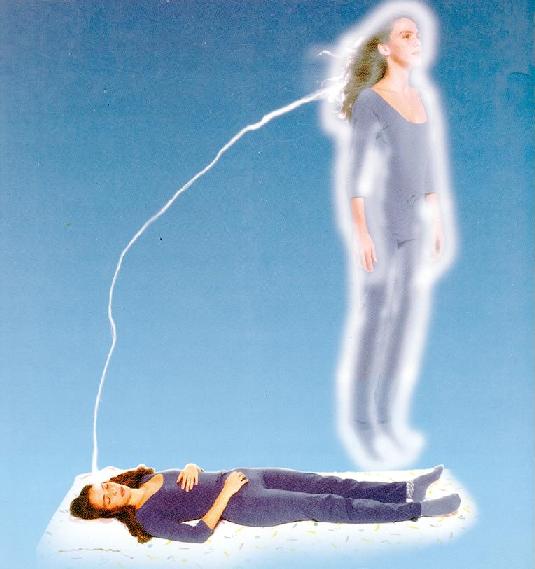
The astral body is a subtle body posited by many religious philosophers, intermediate between the intelligent soul and the physical body, composed of a subtle material. The concept ultimately derives from the philosophy of Plato: it is related to an astral plane, which consists of the planetary heavens of astrology. The term was adopted by nineteenth-century Theosophists and neo-Rosicrucians.
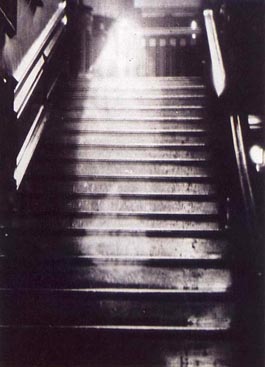
The idea is rooted in common worldwide religious accounts of the afterlife in which the soul's journey or "ascent" is described in such terms as "an ecstatic.., mystical or out-of body experience, wherein the spiritual traveller leaves the physical body and travels in his/her subtle body (or dreambody or astral body) into ‘higher’ realms".Hence "the "many kinds of 'heavens', 'hells' and purgatorial existences believed in by followers of innumerable religions" may also be understood as astral phenomena, as may the various "phenomena of the séance room". The phenomenon of apparitional experience is therefore related, as is made explicit in Cicero's Dream of Scipio.
The astral body is sometimes said to be visible as an aura of swirling colours. It is widely linked today with out-of-the-body experience or astral projection. Where this refers to a supposed movement around the real world, as in Muldoon and Carrington's book The Projection of the Astral Body, it conforms to Madame Blavatsky's usage of the term. Elsewhere this latter is termed "etheric", while "astral" denotes an experience of dream-symbols, archetypes, memories, spiritual beings and visionary landscapes. In reference to the secular scientific world view the concept is now generally considered superseded, being rooted in an attribution of materiality and dimensionality to the psychic world.


