

Latest ads
-
BlackWall V2ray servers
- hu KANNA
- Updated:
-
 Peppa Pig Family Plush Toy Set – 5 Characters
- anil1961
- Updated:
-
Express VPN PC - 1 Year Rs. 600.00
- Sanathbh
- Updated:
-
Capcut Pro 7 Days Team Plan - Rs. 3️⃣0️⃣0️⃣
- Sanathbh
- Updated:
-
 Singapore V2ray VPN for Tunneling
- hu KANNA
- Updated:
You are using an out of date browser. It may not display this or other websites correctly.
You should upgrade or use an alternative browser.
You should upgrade or use an alternative browser.


i have love birds about 40 and an lena(tiny) and two large fish tanks,
love dogs but don't have space to keep an dog.
love dogs but don't have space to keep an dog.
can u post pics of them. tnxxi have love birds about 40 and an lena(tiny) and two large fish tanks,
love dogs but don't have space to keep an dog.

unusual pets! around the world...
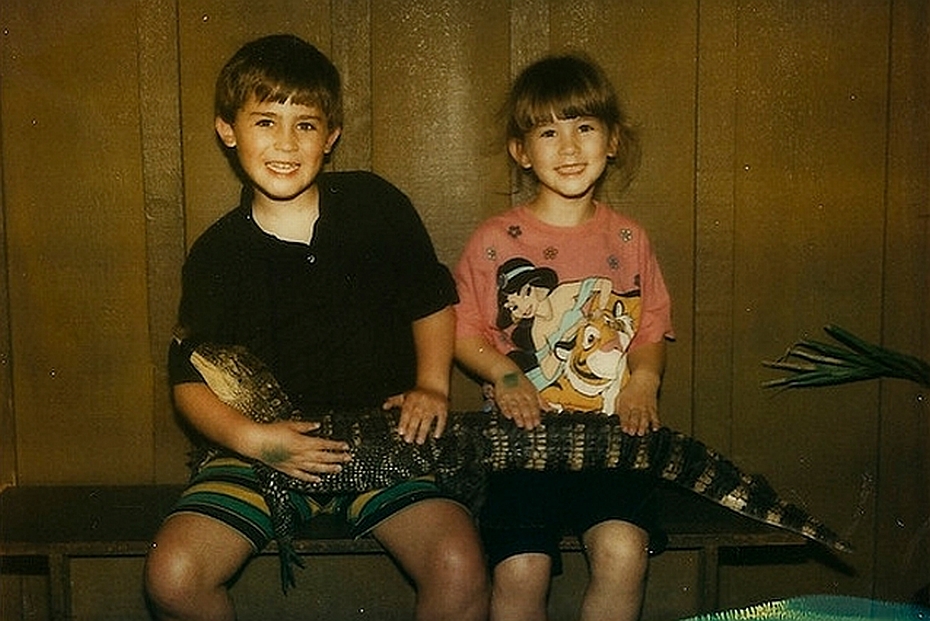 You have gotta be slightly concerned about having to muzzle your own pet.Still some people are willing to keep an animal that would happily bite the hand that feed them.
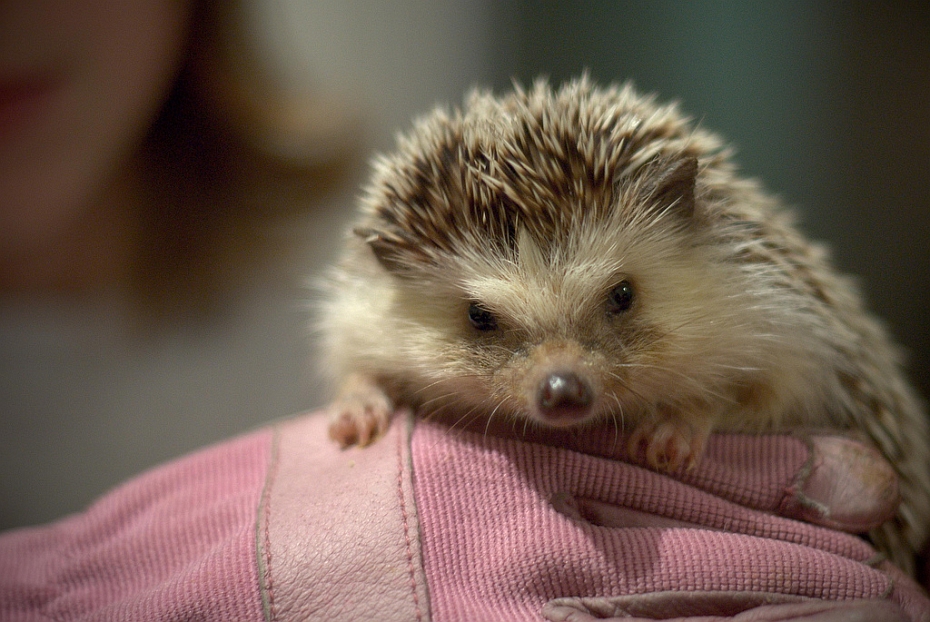 as well as being docile friendly and super cute hedgehogs enjoy being handled and can purr. whistle and snuggle to boot. just don't call your hedgehog "sonic" , unless you want to spend your whole day curled up in a ball., hurtling abound the house killing enemies.
to be continued...
to be continued...


loke godaak ratawala exotic pets la widihata me aya hadanawa...
lankaweth ekek hoyaganna eka amaru ne.
kamathi nadda ekek hadanna..!


mmmmmmmmmmm mage1nam waltation
waltaion ela ban...ma gawath inawa...


just for fun
all the credit goes to people who created these pics.
THE DODERPILLAR

The world is full of caterpillar’s it just seems strange how come we have never found a Dogerpillar. Will if we were to ever find one, it might look just like this.
THE NEW BALL BOY

This dog would make the perfect ball boy at Wimbledon either that or the dog has stolen loads of balls at the local park. One thing is for sure; those balls are going to be covered in saliva.
CAT BEATS THE HELL OUT OF BIG ASS DOG

Normally cats run away from dogs, but hell no not this Bruce Lee cat. This hard ass cat is clearly kicking the hell out of this big ass dog with a flying karate kick. Take that you bitch.
WHAT.....#$?

I have seen some very strange images of animals, but could you imagine if this thing come flying towards you. I have a fear of birds, but a bird that looks like a dog would make me crap myself.
WHO SAYS DOGS CAN'T FLY

all the credit goes to people who created these pics.
THE DODERPILLAR

The world is full of caterpillar’s it just seems strange how come we have never found a Dogerpillar. Will if we were to ever find one, it might look just like this.
THE NEW BALL BOY

This dog would make the perfect ball boy at Wimbledon either that or the dog has stolen loads of balls at the local park. One thing is for sure; those balls are going to be covered in saliva.
CAT BEATS THE HELL OUT OF BIG ASS DOG

Normally cats run away from dogs, but hell no not this Bruce Lee cat. This hard ass cat is clearly kicking the hell out of this big ass dog with a flying karate kick. Take that you bitch.
WHAT.....#$?

I have seen some very strange images of animals, but could you imagine if this thing come flying towards you. I have a fear of birds, but a bird that looks like a dog would make me crap myself.
WHO SAYS DOGS CAN'T FLY


POLAR BEARS FROM NATIONAL GEOGRAPHIC
POLAR BEAR MOTHER WITH CUBS.
Photograph by Norbert Rosing
Dutiful mothers, female polar bears usually give birth to twin cubs, which stay with her for more than two years until they can hunt and survive on their own.

POLAR BEAR SLEEPS SOUNDLY
Photograph by Flip Nicklin
A sleeping polar bear looks adorable, but beware! With no natural enemies, polar bears are at the top of the Arctic food chain. They are fearless, and will readily attack humans.

POLAR BEAR CUB RESTING WITH IT'S MOTHER
Photograph by Flip Nicklin
In winter, female polar bears give birth to two cubs in an igloo-like den, which insulates the mother and babies against the brutal winds and frigid Arctic temperatures outside.

CLOSE- UP POLAR BEAR PAWS
Photograph by Flip Nicklin
Polar bear paws have thick fur and sharp claws. The fur gives them better traction on ice, while the claws are excellent weapons for hunting.

WET POLAR BEAR
Photograph by Paul Nicklen
With their slightly webbed paws and powerful muscles, polar bears are excellent swimmers. Their favorite meal is seals, but they will eat anything they can catch, even scavenging through garbage in areas where their habitat overlaps with humans.

AMAZING....
Prandtl-Glauert
The Prandtl-Glauert singularity, also referred to as a vapor cone, shock collar, or shock egg, is the point at which a sudden drop in air pressure occurs. Under the right atmospheric conditions, this causes a visible condensation cloud to appear about an aircraft traveling at transonic speeds. This occurs for very short periods, sort of like a flickering light. This was a lucky capture at the Miramar air show in San Diego, California.
(Photo Steve Skinner/National Geographic)

POLAR BEAR MOTHER WITH CUBS.
Photograph by Norbert Rosing
Dutiful mothers, female polar bears usually give birth to twin cubs, which stay with her for more than two years until they can hunt and survive on their own.

POLAR BEAR SLEEPS SOUNDLY
Photograph by Flip Nicklin
A sleeping polar bear looks adorable, but beware! With no natural enemies, polar bears are at the top of the Arctic food chain. They are fearless, and will readily attack humans.

POLAR BEAR CUB RESTING WITH IT'S MOTHER
Photograph by Flip Nicklin
In winter, female polar bears give birth to two cubs in an igloo-like den, which insulates the mother and babies against the brutal winds and frigid Arctic temperatures outside.

CLOSE- UP POLAR BEAR PAWS
Photograph by Flip Nicklin
Polar bear paws have thick fur and sharp claws. The fur gives them better traction on ice, while the claws are excellent weapons for hunting.

WET POLAR BEAR
Photograph by Paul Nicklen
With their slightly webbed paws and powerful muscles, polar bears are excellent swimmers. Their favorite meal is seals, but they will eat anything they can catch, even scavenging through garbage in areas where their habitat overlaps with humans.

AMAZING....
Prandtl-Glauert
The Prandtl-Glauert singularity, also referred to as a vapor cone, shock collar, or shock egg, is the point at which a sudden drop in air pressure occurs. Under the right atmospheric conditions, this causes a visible condensation cloud to appear about an aircraft traveling at transonic speeds. This occurs for very short periods, sort of like a flickering light. This was a lucky capture at the Miramar air show in San Diego, California.
(Photo Steve Skinner/National Geographic)


Similar threads
- Replies
- 3
- Views
- 92

- Replies
- 2
- Views
- 309


- Replies
- 41
- Views
- 2K


