


Tamil Diaspora and LTTE Organizations Now& Then
This is something that everyone knows, Sri Lanka was engaged in a conflict with the Liberation of Tamil Tiger Eelam (LTTE)-considered as the most ruthless terrorist organisation in the world-for 30 long years. Yes, Sri Lanka achieved peace and freedom in May 2009 amidst the great sacrifices of the Armed Force, Police, Civil Defence Force, Military Intelligence and of course the people, all over the country. A conflict that was raged by the LTTE supposedly for the betterment of the Tamil people was anything but that. The moderate Tamil leadership of the country was systematically removed. That is another story to tell.
Once a conflict ends, is the threat eliminated completely? Does the country simply return to normalcy without any post conflict challenges to address? Should security be relaxed? These are the pertinent questions that need answers...
Challenges Identified Post 2009
The LTTE reorganising themselves and their networks internationally
- The re-emergence of terrorism within Sri Lanka
- Extremist groups organising within Sri Lanka
- Impact of geographical and international developments
LTTE Structure (Prior to 2009)
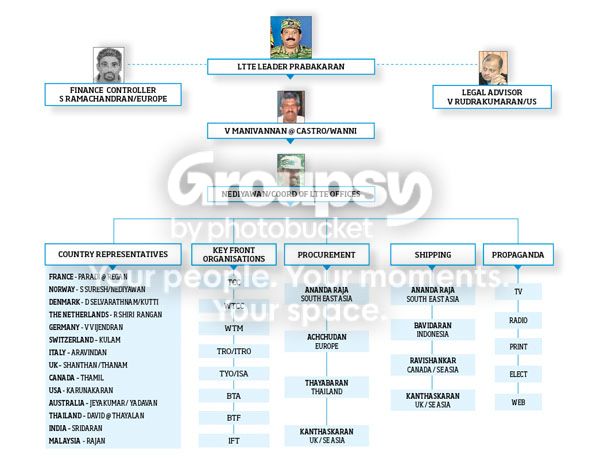
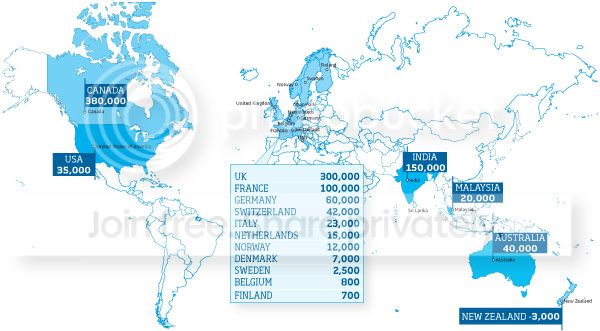
Despite the military defeat of the LTTE and elimination of its top leadership-Prabakaran and Castro-the LTTE international network remains intact and is actively pursuing the objectives of the LTTE. All other key individuals are still functioning overseas. However, the only difference is that a single person is not in-charge. The LTTE has a global presence and has exploited the approximately one million Sri Lankan Tamil diaspora where two thirds live in UK and Canada, creating a political environment and a funding base conducive for the LTTE to strengthen their network. While prior to 2009, there was a considerable number that supported the LTTE, a decline can be seen after 2009 where participation of the diaspora in events organised by pro-LTTE elements have decreased to a few hundreds from 15,000-20,000.
The Extent of The Tamil Diaspora and LTTE Organisations
[FONT="]The Manner in Which the LTTE Expanded Overseas

[/FONT]
With the demise of Prabakaran there was an internal tussle for leadership and the overseas network divided into four main groups. TGTE (Transnational Government of Tamil Eelam) headed by V Rudrakumaran, he was challenged by Nediyawan who was following the LTTE ideology in Norway and he formed the TCC. Vinayagam who was fourth in rank in the LTTE intelligence unit formed the HQ Group. He escaped from Sri Lanka during the final stages of the Humanitarian Operations and now lives in France. Though Vinayagam initially worked with Nediyawan, he too split from them and formed his own group. A fifth group emerged in Sri Lanka, about one and a half years ago, and this was controlled by Thevihan who was killed by the Security Forces in April 2014.
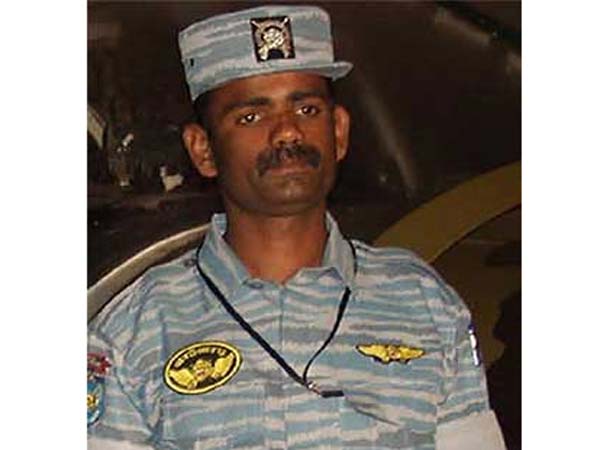
Thevihan
This is something that everyone knows, Sri Lanka was engaged in a conflict with the Liberation of Tamil Tiger Eelam (LTTE)-considered as the most ruthless terrorist organisation in the world-for 30 long years. Yes, Sri Lanka achieved peace and freedom in May 2009 amidst the great sacrifices of the Armed Force, Police, Civil Defence Force, Military Intelligence and of course the people, all over the country. A conflict that was raged by the LTTE supposedly for the betterment of the Tamil people was anything but that. The moderate Tamil leadership of the country was systematically removed. That is another story to tell.
Once a conflict ends, is the threat eliminated completely? Does the country simply return to normalcy without any post conflict challenges to address? Should security be relaxed? These are the pertinent questions that need answers...
Challenges Identified Post 2009
The LTTE reorganising themselves and their networks internationally
- The re-emergence of terrorism within Sri Lanka
- Extremist groups organising within Sri Lanka
- Impact of geographical and international developments
LTTE Structure (Prior to 2009)
Despite the military defeat of the LTTE and elimination of its top leadership-Prabakaran and Castro-the LTTE international network remains intact and is actively pursuing the objectives of the LTTE. All other key individuals are still functioning overseas. However, the only difference is that a single person is not in-charge. The LTTE has a global presence and has exploited the approximately one million Sri Lankan Tamil diaspora where two thirds live in UK and Canada, creating a political environment and a funding base conducive for the LTTE to strengthen their network. While prior to 2009, there was a considerable number that supported the LTTE, a decline can be seen after 2009 where participation of the diaspora in events organised by pro-LTTE elements have decreased to a few hundreds from 15,000-20,000.
The Extent of The Tamil Diaspora and LTTE Organisations
[FONT="]The Manner in Which the LTTE Expanded Overseas

[/FONT]
With the demise of Prabakaran there was an internal tussle for leadership and the overseas network divided into four main groups. TGTE (Transnational Government of Tamil Eelam) headed by V Rudrakumaran, he was challenged by Nediyawan who was following the LTTE ideology in Norway and he formed the TCC. Vinayagam who was fourth in rank in the LTTE intelligence unit formed the HQ Group. He escaped from Sri Lanka during the final stages of the Humanitarian Operations and now lives in France. Though Vinayagam initially worked with Nediyawan, he too split from them and formed his own group. A fifth group emerged in Sri Lanka, about one and a half years ago, and this was controlled by Thevihan who was killed by the Security Forces in April 2014.
Thevihan
Last edited:


