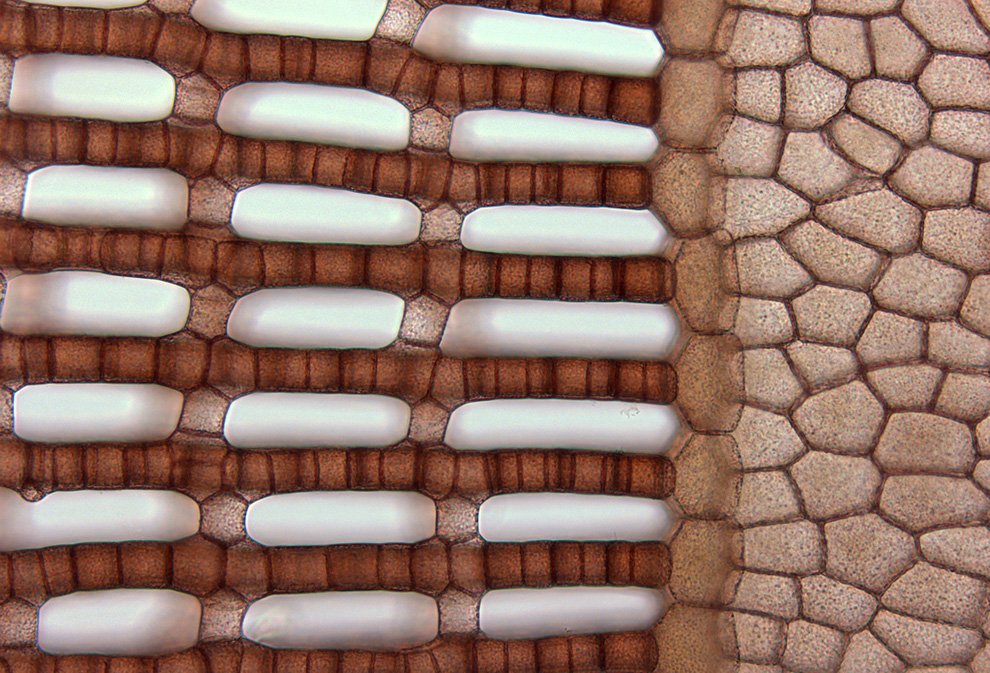
Small world
++ rep me if you like the pictures
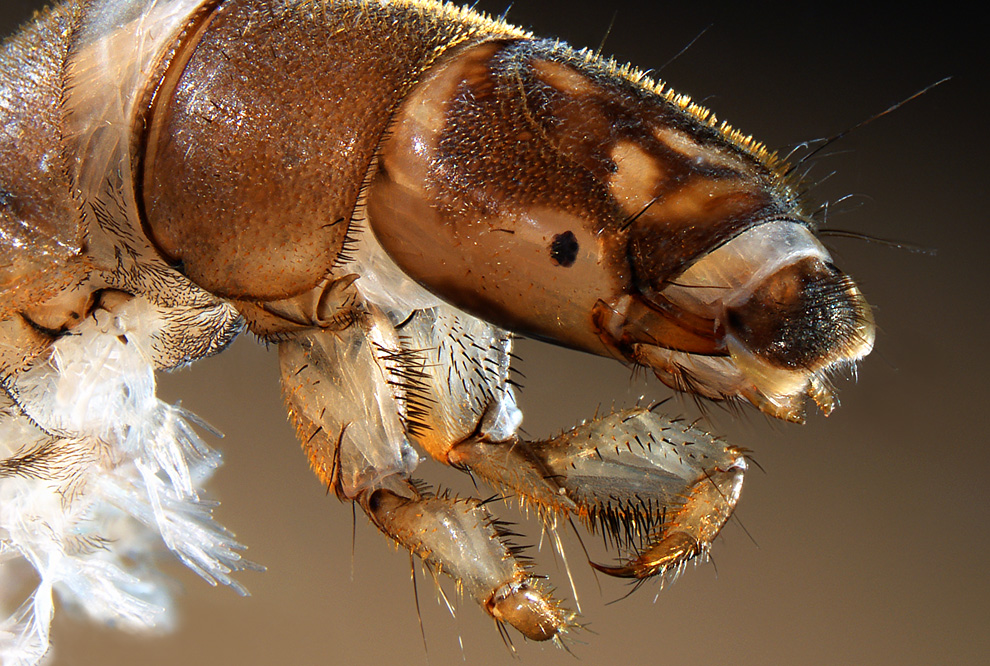
Magnified 30 times, this is an image of a Hydropsyche angustipennis (caddisfly) larva head
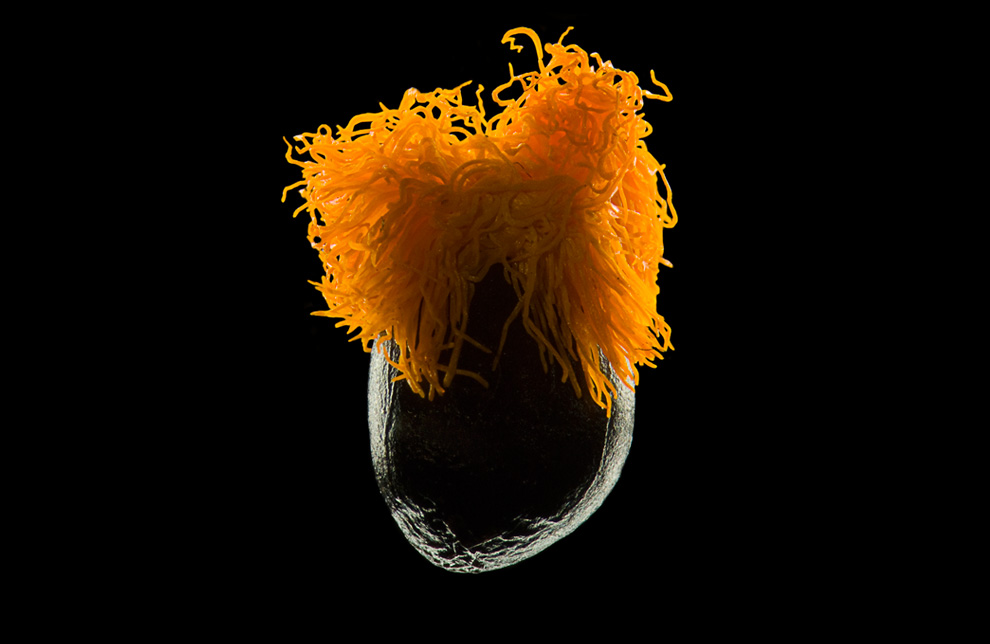
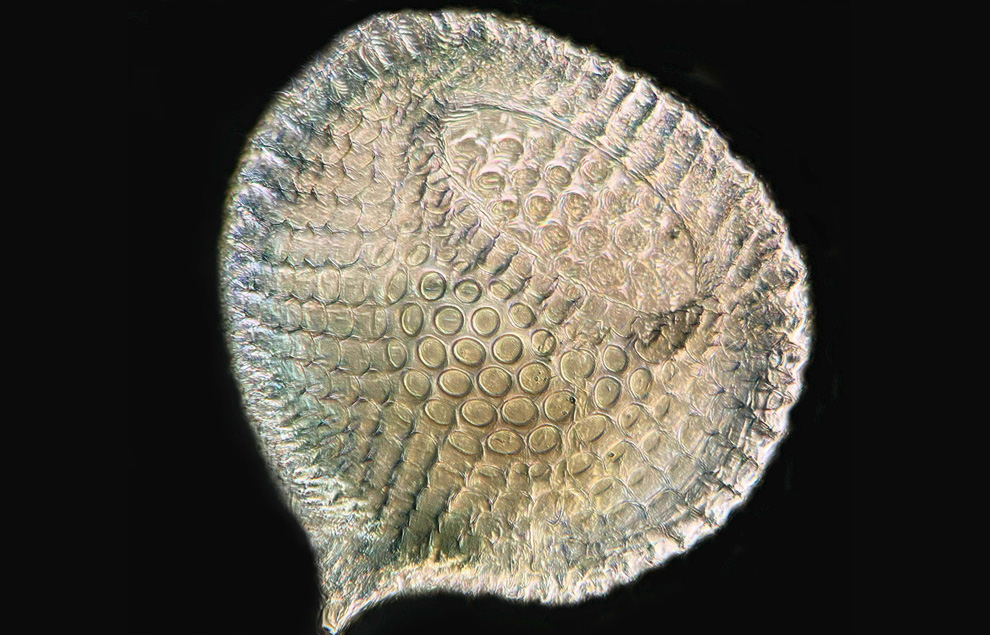
Strelitzia reginae (bird of paradise) seed magnified 10 times.
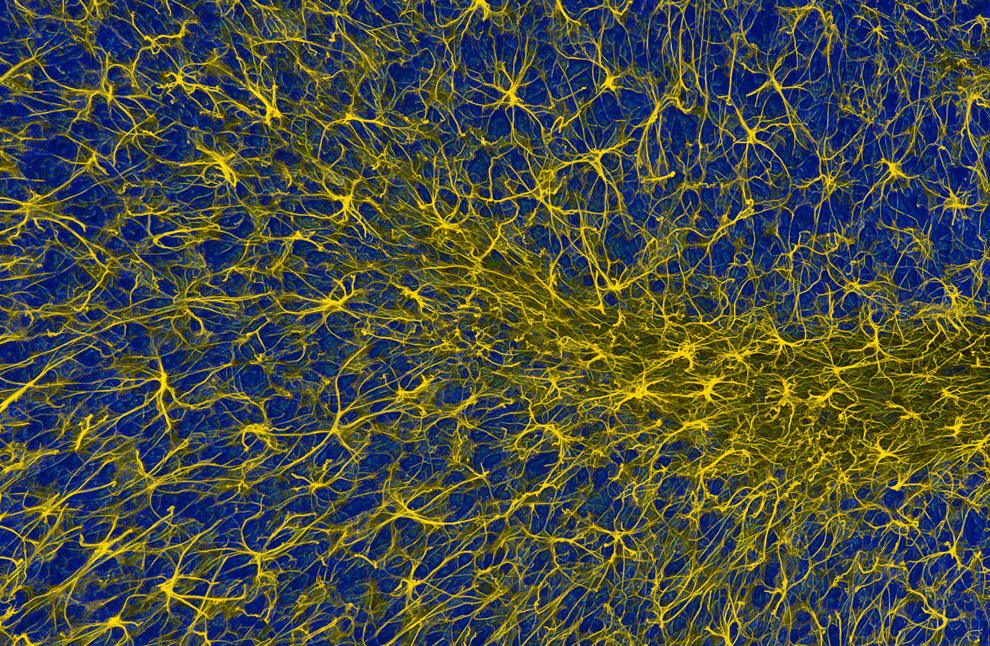
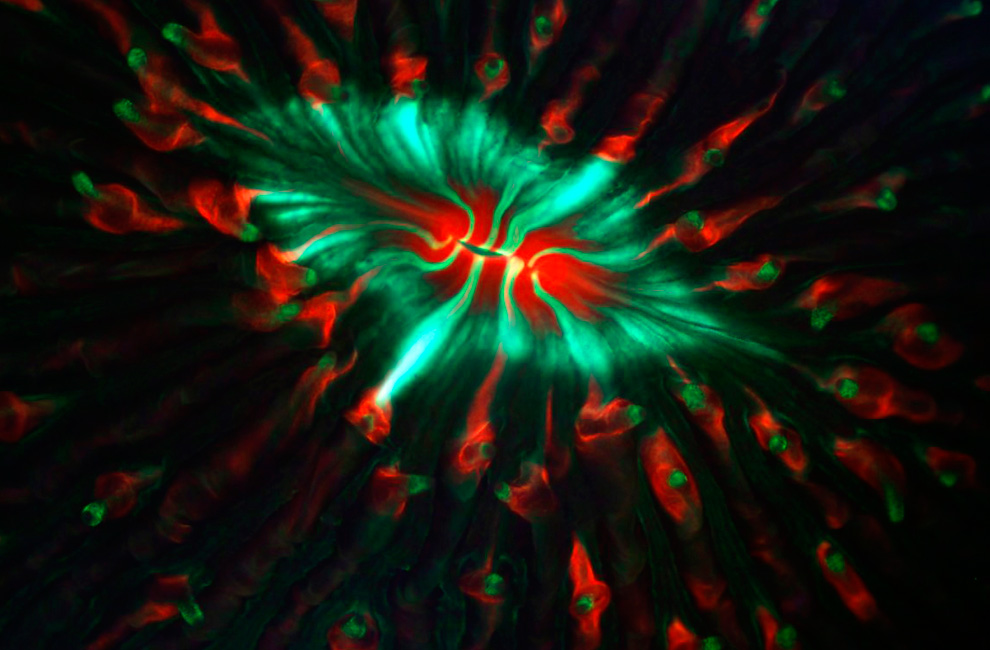
Magnified 400 times, this is a 2-Photon fluorescence image of glial cells in the cerebellum. Glial cells provide support for the brain's neurons.
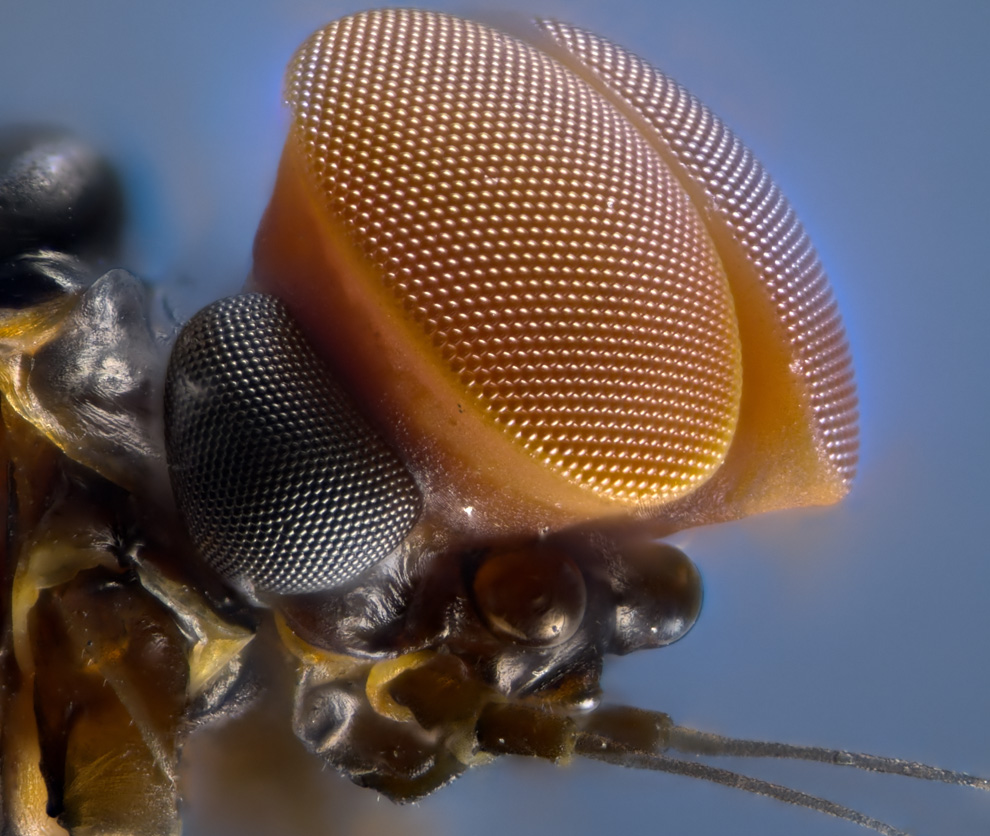
The turbinate eyes of male mayfly magnified 10 times.
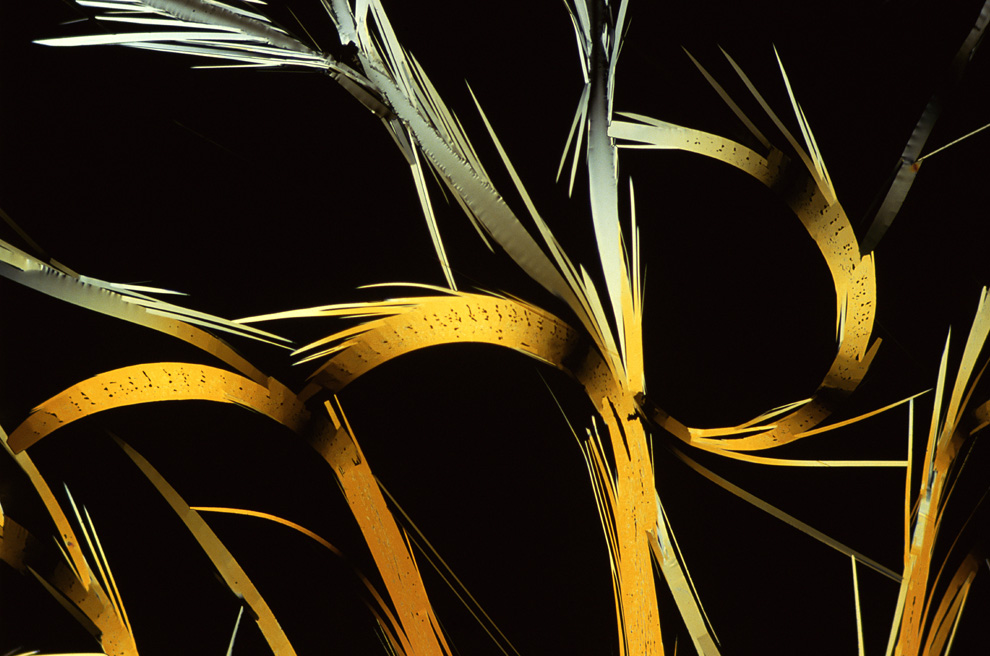
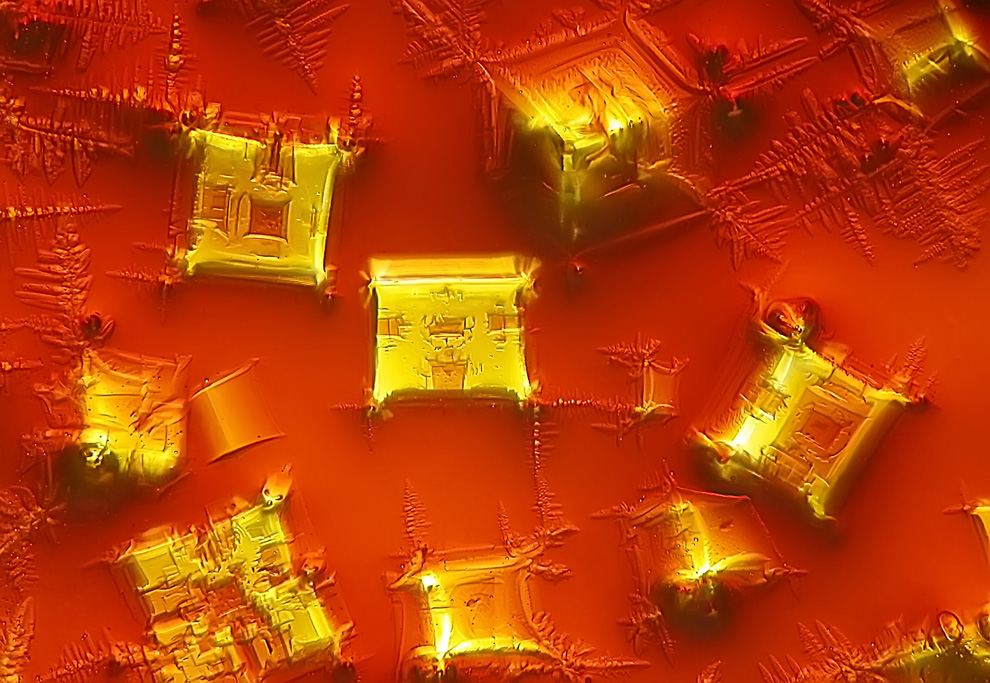
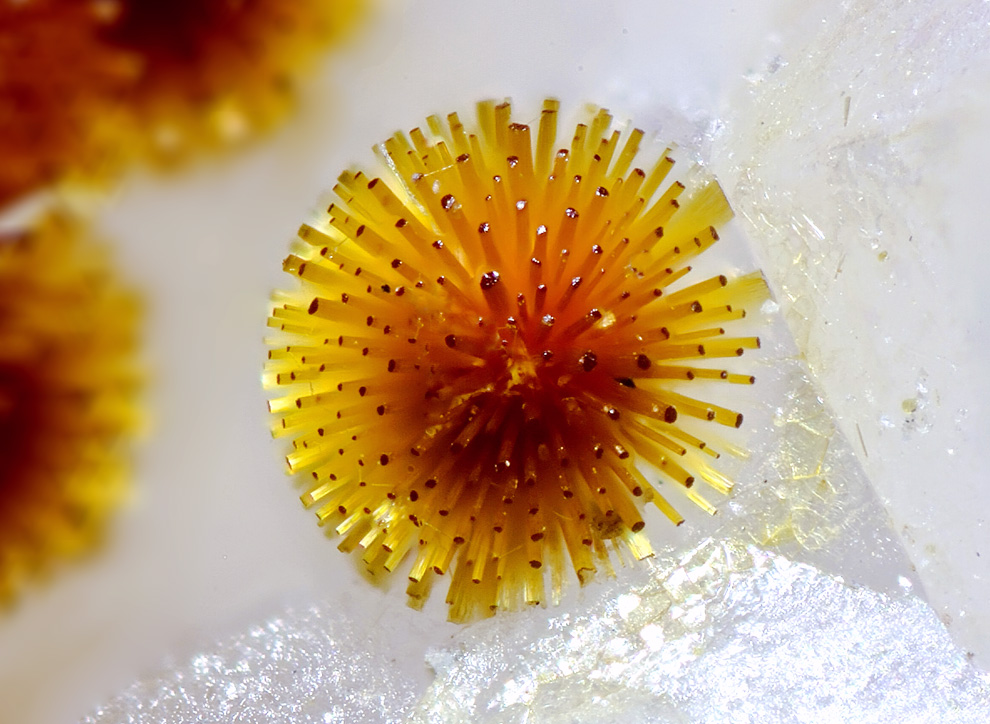
Seen at a magnification of 63x, this is an image of recrystallized sulfur.
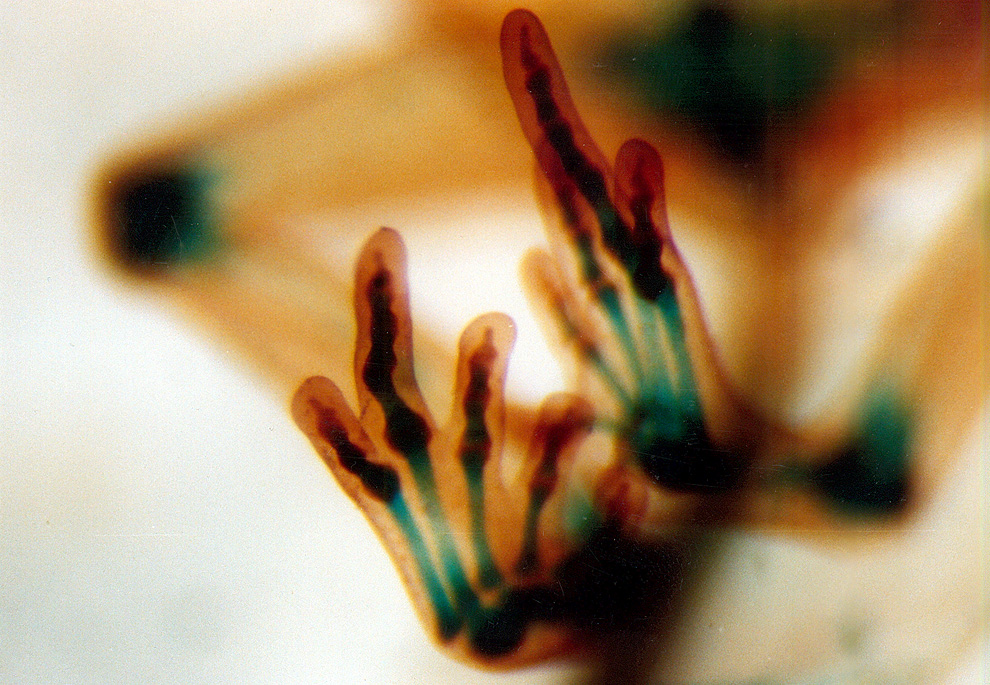
Tiny bones are seen inside a the limbs of a developing Eleutherodactylus coqui (frog), magnified 20 times.
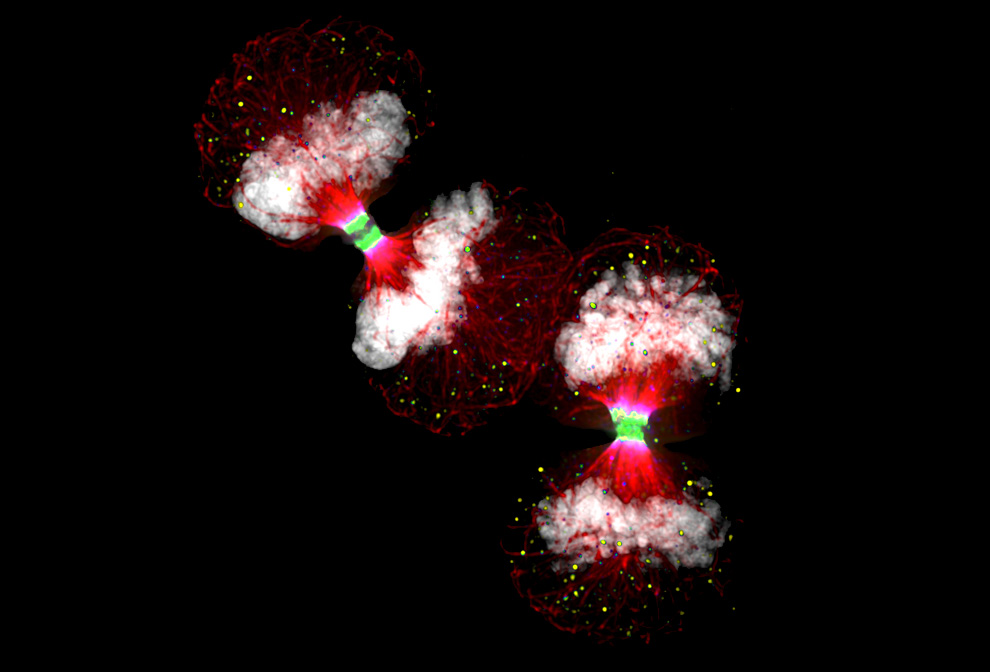
Two human cancer cells seen just before they divide into four cells, viewed at 100x magnification.
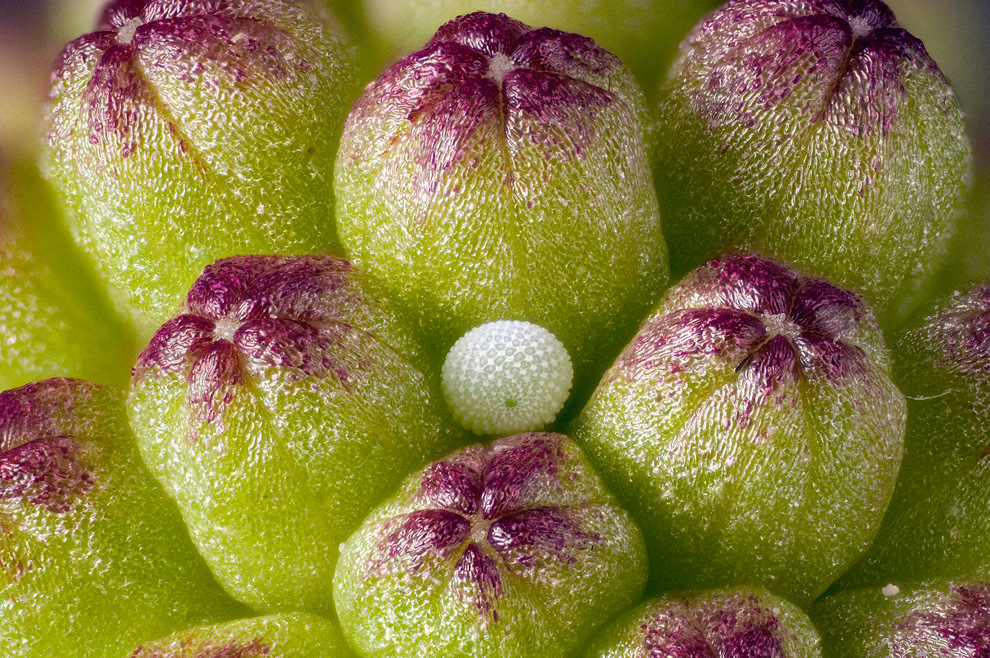
A single egg from a Hemiargus isola (Reakirt's blue butterfly) rests on Mimosa strigillosa (pink powderpuff) buds, viewed at 6x magnification.
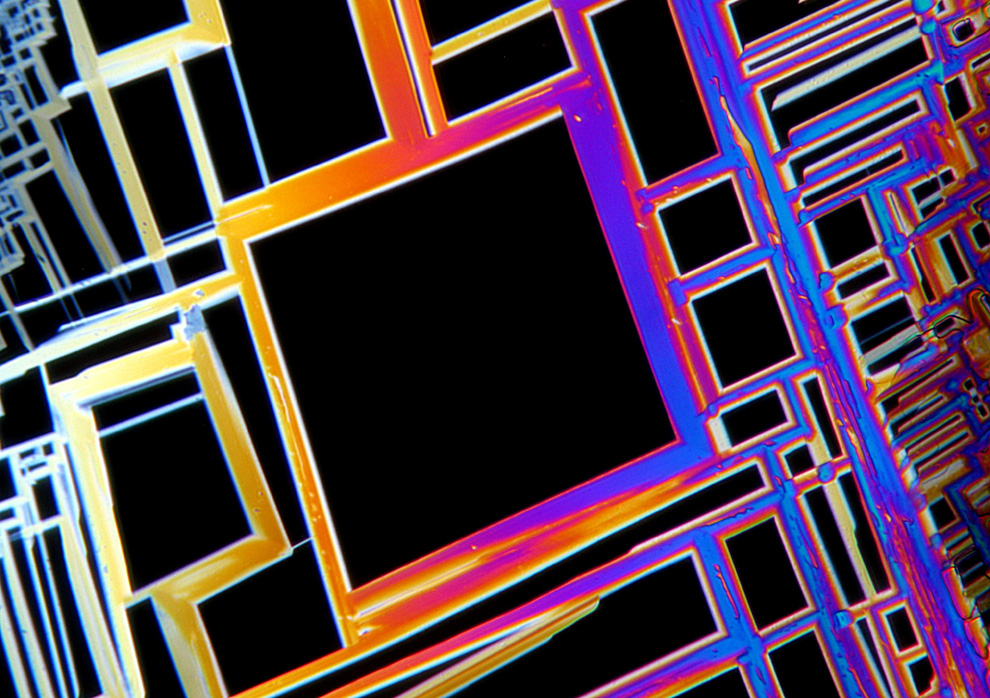
This 15th place image is of crystals of divaricatic acid extracted from Evernia divaricata (a lichen), which had been recrystallized from acetone and imaged at 10x magnification in polarized light.
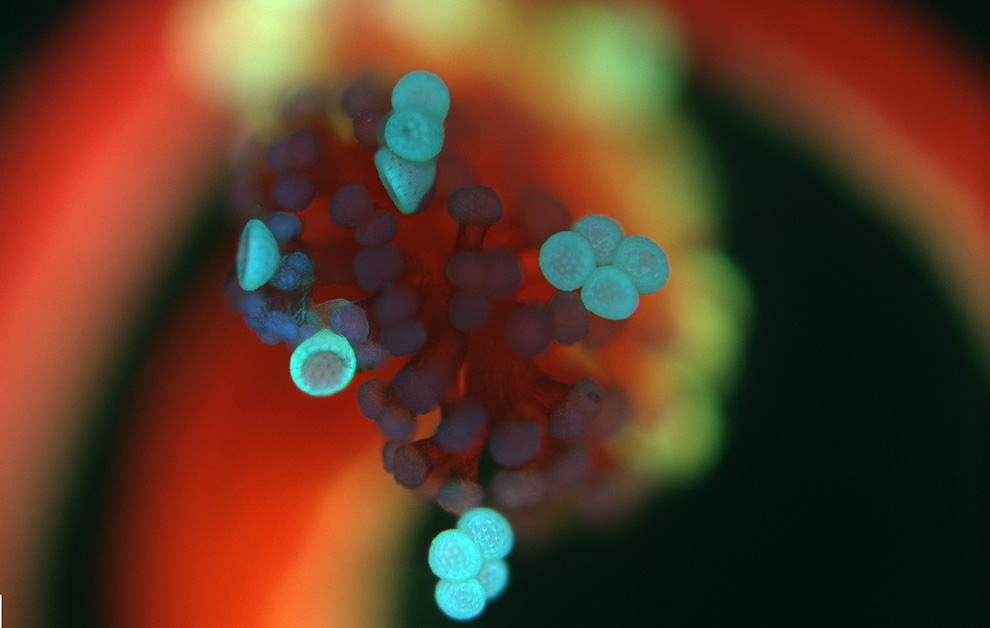
Magnified 100 times, a Mirabilis jalapa (four o'clock flower) stigma with pollen attached is seen.
++ rep me if you like the pictures
Magnified 30 times, this is an image of a Hydropsyche angustipennis (caddisfly) larva head
Strelitzia reginae (bird of paradise) seed magnified 10 times.
Magnified 400 times, this is a 2-Photon fluorescence image of glial cells in the cerebellum. Glial cells provide support for the brain's neurons.
The turbinate eyes of male mayfly magnified 10 times.
Seen at a magnification of 63x, this is an image of recrystallized sulfur.
Tiny bones are seen inside a the limbs of a developing Eleutherodactylus coqui (frog), magnified 20 times.
Two human cancer cells seen just before they divide into four cells, viewed at 100x magnification.
A single egg from a Hemiargus isola (Reakirt's blue butterfly) rests on Mimosa strigillosa (pink powderpuff) buds, viewed at 6x magnification.
This 15th place image is of crystals of divaricatic acid extracted from Evernia divaricata (a lichen), which had been recrystallized from acetone and imaged at 10x magnification in polarized light.
Magnified 100 times, a Mirabilis jalapa (four o'clock flower) stigma with pollen attached is seen.