
Latest ads
-
Jobreceive.com for sale
- Blogerwiki
- Updated:
-
 Post Your Vehicle for Sale — FREE! - https://libro.lk
- Kalu_Puth
- Updated:
-
 ඔයාගෙ Assignment හෝ Thesis එක හරියට හදාගමු
- ErMurazor
- Updated:
-
BlackWall V2ray servers
- hu KANNA
- Updated:
-
 Peppa Pig Family Plush Toy Set – 5 Characters
- anil1961
- Updated:
Smart,Cute,Adorable | Cats & Dogs |
- Thread starter IKL
- Start date
You are using an out of date browser. It may not display this or other websites correctly.
You should upgrade or use an alternative browser.
You should upgrade or use an alternative browser.


The Rarest Cat Breeds
The fishing cat
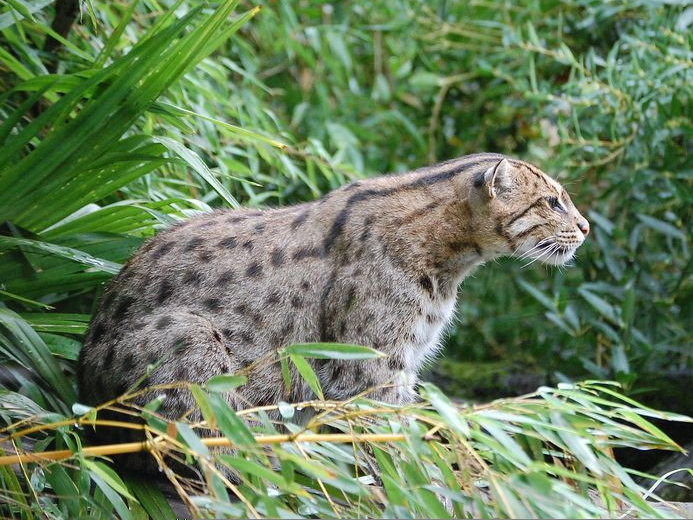
The fishing cat is thought to be primarily nocturnal, and is very much at home near water. It can swim long distances, even under water. Their most peculiar feature is the webbing beneath their toes for better swimming.They are about twice the size of a domestic cat and stocky and muscular with medium to short legs. They are usually not aggressive.
The fishing cat
The fishing cat is thought to be primarily nocturnal, and is very much at home near water. It can swim long distances, even under water. Their most peculiar feature is the webbing beneath their toes for better swimming.They are about twice the size of a domestic cat and stocky and muscular with medium to short legs. They are usually not aggressive.


The Rarest Cat Breeds
Kodkod

This small-headed wild cat lives primarily in Chile and in some areas of Argentina. They spend most of their time resting in dense vegetation in ravines, watching out for their prey. Kodkods are actually very good climbers, with a strong muscular system that allows them to climb high trees. Local people sometimes call them vampire cats because of the 2 bites they leave on their prey.
Kodkod

This small-headed wild cat lives primarily in Chile and in some areas of Argentina. They spend most of their time resting in dense vegetation in ravines, watching out for their prey. Kodkods are actually very good climbers, with a strong muscular system that allows them to climb high trees. Local people sometimes call them vampire cats because of the 2 bites they leave on their prey.


The Rarest Cat Breeds
Clouded Leopard

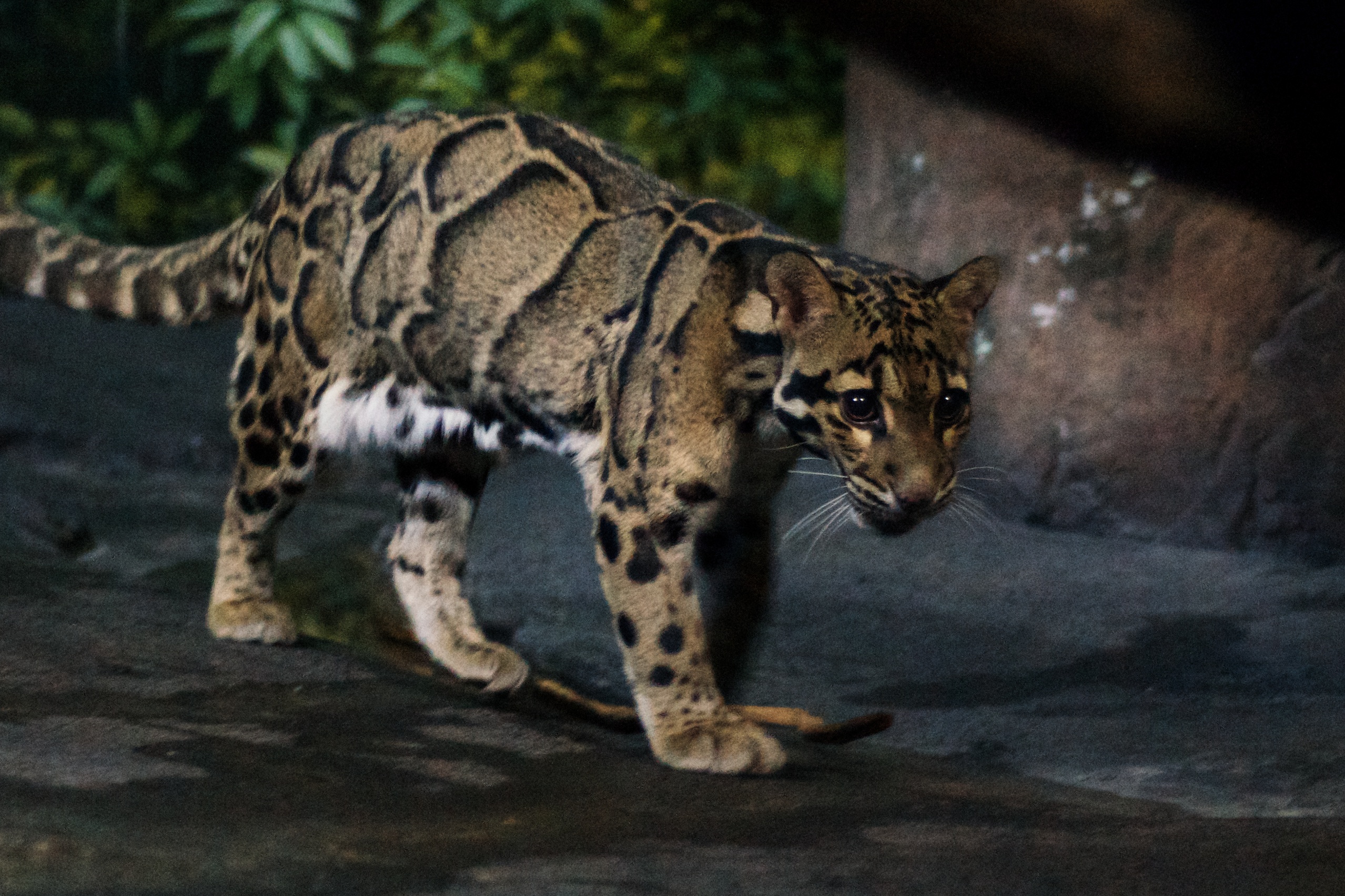
The clouded leopard is a wild cat occurring from the Himalayan foothills through mainland Southeast Asia into China. It’s head-to-body length reaches 32″, which is 22″ shorter than an ordinary leopard. It is believed that the clouded leopard is a link between big cats and small cats in wild nature. They like to rest on trees, and the females even use hollow trees to breed. A very beautiful dark gray pattern embellishes the whole body.
Clouded Leopard

The clouded leopard is a wild cat occurring from the Himalayan foothills through mainland Southeast Asia into China. It’s head-to-body length reaches 32″, which is 22″ shorter than an ordinary leopard. It is believed that the clouded leopard is a link between big cats and small cats in wild nature. They like to rest on trees, and the females even use hollow trees to breed. A very beautiful dark gray pattern embellishes the whole body.


The Rarest Cat Breeds
The sand cat

The sand cat inhabits the sandy places of our planet, like the deserts of North Africa and the Middle East. They feel perfectly safe among sand, stones, and a lack of fresh water. They reach only 14.2″ long, and half of this length is their tail. They satisfy their moisture needs from their prey.
The sand cat

The sand cat inhabits the sandy places of our planet, like the deserts of North Africa and the Middle East. They feel perfectly safe among sand, stones, and a lack of fresh water. They reach only 14.2″ long, and half of this length is their tail. They satisfy their moisture needs from their prey.
Similar threads


- Replies
- 6
- Views
- 300


