Sorry America..Asia wants better wages and won’t be your low-paid workshop for much longer..

Truth Hurts

Well-known member
  • Jun 15, 2013
    12,223
    20,377
    113
    Westනාහිර
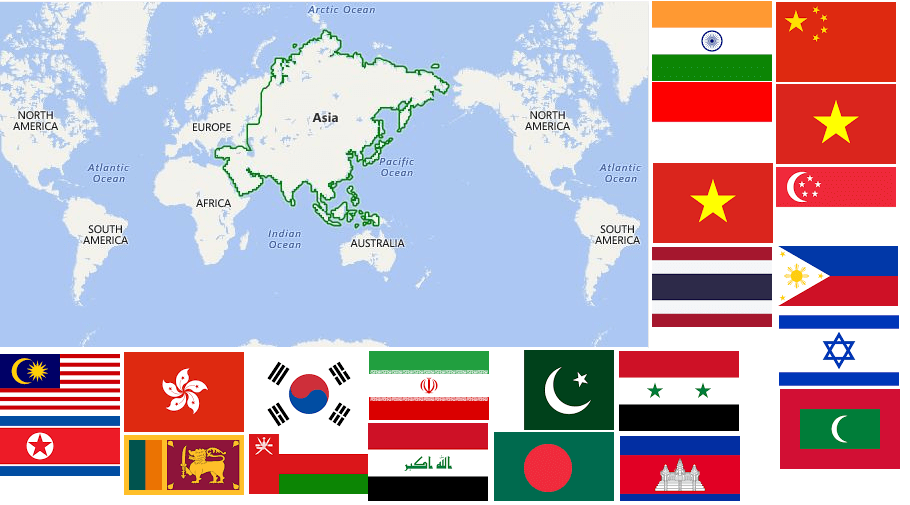
    Map-of-Countries-in-Asia.png


    • From China to Malaysia and Vietnam, Asian factory workers’ wages are on the up as manufacturers struggle to attract staff – especially the young
    • Moving to Mexico, or ‘nearshoring’, may not be the answer to keeping costs down, either. And the trickle-down effect on prices has already begun
    Stock up on your Barbie dolls while they’re still relatively cheap. Prices could shoot up in the years ahead, and it’s not just due to the hype around the new blockbuster film.
    The same goes for a wide range of products Americans have grown used to splurging on, including clothes, TVs, furniture, and toys.

    That’s because factories across Asia that have traditionally produced many of these goods are struggling to find workers, The Wall Street Journal reported. In response, many manufacturers are raising wages and offering other perks – including yoga classes, better cafeteria food, and subsidised kindergarten for workers’ children.

    While this is good news for Asian workers, it could be bad news for American shoppers when factories raise prices to offset their rising labour costs. The days of cheap stuff could be coming to an end.

    A worker sorts shirts at a garment factory in Hanoi. Factory workers in Vietnam have seen notable pay bumps over the past decade. Photo: AFP


    “For US consumers that have been used to having goods at a certain and relatively stable part of their disposable income, I think that foundation is going to have to be rejiggered,” Manoj Pradhan, a London-based economist, told the Journal.


    Over the past two decades, cheaper overseas manufacturing costs in Asian countries like China have driven down prices for a variety of goods. But factory work isn’t quite as cheap as it used to be. In China, manufacturing workers’ wages have more than tripled over the past decade, and factory workers in Vietnam, Malaysia and Japan, have seen notable pay bumps as well.

    The trickle-down effect on prices has already begun. Companies like the Barbie manufacturer Mattel, the toymaker Hasbro, and Nike are facing elevated labour costs in Asia that have contributed to price increases.

    Experts attribute Asia’s factory labour shortage to a variety of factors. It starts with young workers, many of whom have little desire to work in the industry. Some have pushed back on the working conditions, while others are holding out for higher-paying jobs more in line with their education levels. China’s unemployment rate among workers aged 16-24 hit a record 21 per cent last quarter despite the fact many factories are in need of workers.

    “After a while, that work makes your mind numb. I couldn’t stand the repetition,” former Chinese factory worker Julian Zhu told Voice of America News in November.
    In 2001, Nike’s typical Asian factory worker was 22 years old. Today, the company’s average Chinese and Vietnamese workers are aged 40 and 31 respectively.

    https://www.businessinsider.com/toys-clothes-electronic-prices-going-up-asia-worker-shortage-2023-8
     

    neyohk

    Well-known member
  • Oct 31, 2015
    16,105
    16,907
    113
    AI is here, robotics next.. asian unta thiyena padiyawath ganna wenne na issarahata..

    Ethakota ewata ganna material ehemath america wema hada ganiyi da?TESLA wage american company ehenam china, indonesia passe yanne ayi?


    Last edited:

    raman2

    Well-known member
  • Feb 16, 2009
    9,918
    11,967
    113
    Ethakota ewata ganna material ehemath amarica wema hada ganiyi da?TESLA wage american company ehenam china, indonesia passe yanne ayi?


    raw materials ara robot kenek haduwama life time human labour kenekta job eka nathi wenawa.. :lol:
    Tesla puluwan tharam automate karala bari tikata thama humans la ganne, eketh cost adu wenna thama china karanne..
    issarahata Tesla technology eka diyunu wena tharamata humans la wenuwata automation thama pawichchi karanne..
     

    neyohk

    Well-known member
  • Oct 31, 2015
    16,105
    16,907
    113
    raw materials ara robot kenek haduwama life time human labour kenekta job eka nathi wenawa.. :lol:
    Tesla puluwan tharam automate karala bari tikata thama humans la ganne, eketh cost adu wenna thama china karanne..
    issarahata Tesla technology eka diyunu wena tharamata humans la wenuwata automation thama pawichchi karanne..

    Mama kiwwe e badu hadana materials gana..example ekak widihata TESLA car eke battery ekata ona karana nickel ehema..unta china,Indonesia wage ratawal ona eka nisai..e wagema thama anith ewath.
     

    raman2

    Well-known member
  • Feb 16, 2009
    9,918
    11,967
    113
    Mama kiwwe e badu hadana materials gana..example ekak widihata TESLA car eke battery ekata ona karana nickel ehema..unta china,Indonesia wage ratawal ona eka nisai..e wagema thama anith ewath.
    meke katha karanne earth meterial gana nemei minissunge padi, job opportunities gana..
    anika north america wala ona tharam nickel thiyanawa un thaama ewata hariyata atha gahalawath naha, duppath rata wala thiyana tika adinne..
    unge witharak nemei russia walath ona tharam nidi thiyanawa..
     

    IndrajithGamage

    Well-known member
  • Oct 6, 2022
    13,698
    1
    15,414
    113
    Map-of-Countries-in-Asia.png


    • From China to Malaysia and Vietnam, Asian factory workers’ wages are on the up as manufacturers struggle to attract staff – especially the young
    • Moving to Mexico, or ‘nearshoring’, may not be the answer to keeping costs down, either. And the trickle-down effect on prices has already begun
    Stock up on your Barbie dolls while they’re still relatively cheap. Prices could shoot up in the years ahead, and it’s not just due to the hype around the new blockbuster film.
    The same goes for a wide range of products Americans have grown used to splurging on, including clothes, TVs, furniture, and toys.

    That’s because factories across Asia that have traditionally produced many of these goods are struggling to find workers, The Wall Street Journal reported. In response, many manufacturers are raising wages and offering other perks – including yoga classes, better cafeteria food, and subsidised kindergarten for workers’ children.

    While this is good news for Asian workers, it could be bad news for American shoppers when factories raise prices to offset their rising labour costs. The days of cheap stuff could be coming to an end.

    A worker sorts shirts at a garment factory in Hanoi. Factory workers in Vietnam have seen notable pay bumps over the past decade. Photo: AFP


    “For US consumers that have been used to having goods at a certain and relatively stable part of their disposable income, I think that foundation is going to have to be rejiggered,” Manoj Pradhan, a London-based economist, told the Journal.


    Over the past two decades, cheaper overseas manufacturing costs in Asian countries like China have driven down prices for a variety of goods. But factory work isn’t quite as cheap as it used to be. In China, manufacturing workers’ wages have more than tripled over the past decade, and factory workers in Vietnam, Malaysia and Japan, have seen notable pay bumps as well.

    The trickle-down effect on prices has already begun. Companies like the Barbie manufacturer Mattel, the toymaker Hasbro, and Nike are facing elevated labour costs in Asia that have contributed to price increases.

    Experts attribute Asia’s factory labour shortage to a variety of factors. It starts with young workers, many of whom have little desire to work in the industry. Some have pushed back on the working conditions, while others are holding out for higher-paying jobs more in line with their education levels. China’s unemployment rate among workers aged 16-24 hit a record 21 per cent last quarter despite the fact many factories are in need of workers.

    “After a while, that work makes your mind numb. I couldn’t stand the repetition,” former Chinese factory worker Julian Zhu told Voice of America News in November.
    In 2001, Nike’s typical Asian factory worker was 22 years old. Today, the company’s average Chinese and Vietnamese workers are aged 40 and 31 respectively.

    https://www.businessinsider.com/toys-clothes-electronic-prices-going-up-asia-worker-shortage-2023-8
    Mark my word. AFRICA will become the next Asia. Lots of cheap labor and centrally located to ship to the trifecta of Americas, Europe and Asia. China is already busy setting up shop in there. 😊
     

    malakadss

    Well-known member
  • Mar 8, 2009
    22,865
    1
    36,591
    113
    xxx
    meke katha karanne earth meterial gana nemei minissunge padi, job opportunities gana..
    anika north america wala ona tharam nickel thiyanawa un thaama ewata hariyata atha gahalawath naha, duppath rata wala thiyana tika adinne..
    unge witharak nemei russia walath ona tharam nidi thiyanawa..
    ඒවා ගෑන නම් කතා කරන්න දෙයක් නෑ. ලොකේ පුරාම පතල් වල වෑඩ පුලුවන් තරම් ඔටෝමේට් කරනවා. ලොකු කම්පෑණි ඔක්කොම ඒ පෑත්තට යනවා. පොඩි පොඩි ඒවා තමා මිනිස්සුගෙන් වෑඩ ගන්නේ