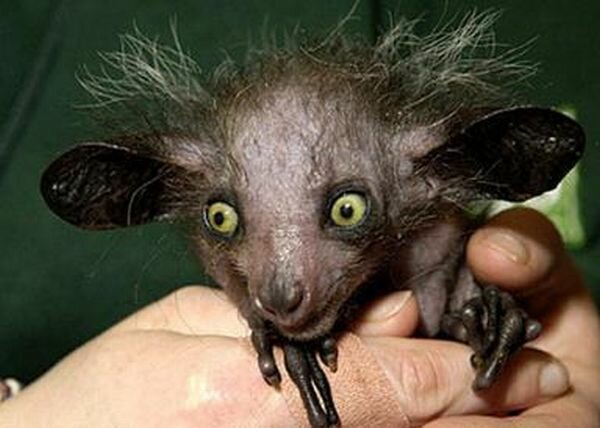
Strangest Looking Animals
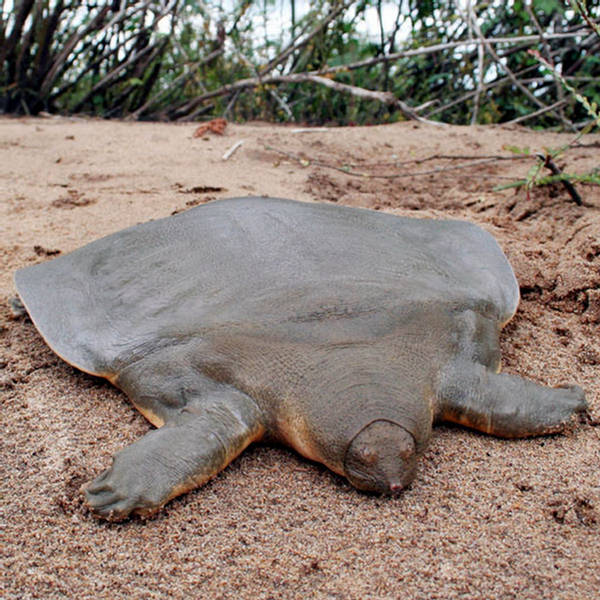
Pelochelys cantorii (Cantor's giant soft-shelled turtle)
The turtle is found primarily in inland, slow-moving fresh water rivers and streams. Cantor's giant soft-shelled turtles can grow up to 6 feet (about 2 meters) in length and weigh more than 100 pounds (about 50 kilograms).
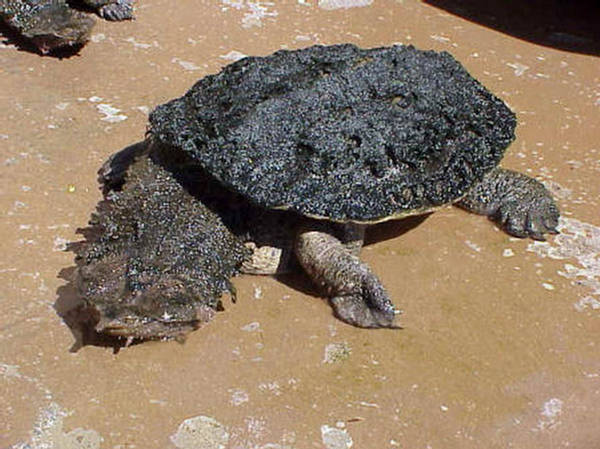
Matamata Turtle
The mata mata inhabits slow moving, blackwater streams, stagnant pools, marshes, and swamps ranging into northern Bolivia, eastern Peru, Ecuador, eastern Colombia, Venezuela, the Guianas, and northern and central Brazil. The mata mata is strictly an aquatic species but it prefers standing in shallow water where its snout can reach the surface to breathe.
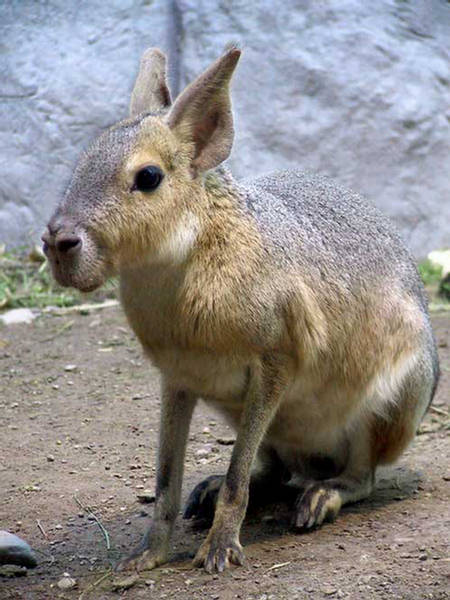
Patagonian Cavy (Mara)
A large rodent that looks sort of like a rabbit, sort of like a donkey. The Patagonian Mara lives in Central and Southern Argentina. Maras inhabit arid grasslands and scrub desert
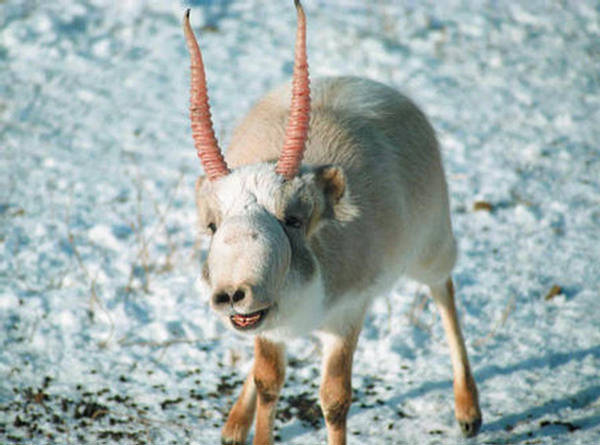
Saiga Antelope
Saiga is classified as critically endangered by the IUCN. There is an estimated total number of 50,000 Saigas today, which live in Kalmykia, three areas of Kazakhstan and in two isolated areas of Mongolia.
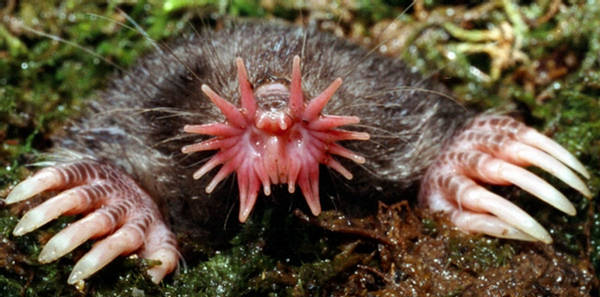
Star Nosed Mole
The Star-nosed Mole lives in wet lowland areas and eats small invertebrates, aquatic insects, worms and mollusks. It is a good swimmer and can forage along the bottoms of streams and ponds. Like other moles, this animal digs shallow surface tunnels for foraging; often, these tunnels exit underwater.
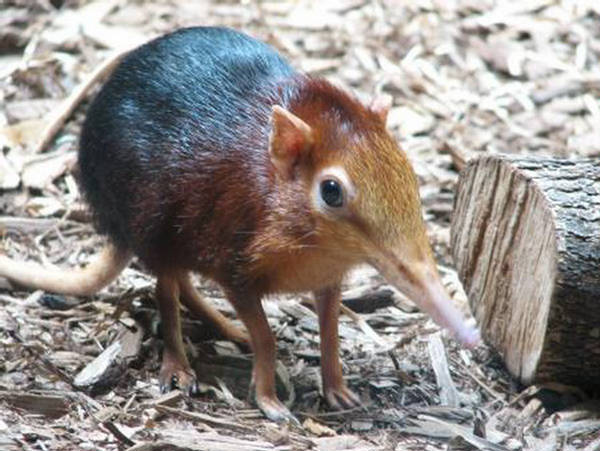
Elephant shrew
They are widely distributed across the southern part of Africa, and although common nowhere, can be found in almost any type of habitat, from the Namib Desert to boulder-strewn outcrops in South Africa to thick forest
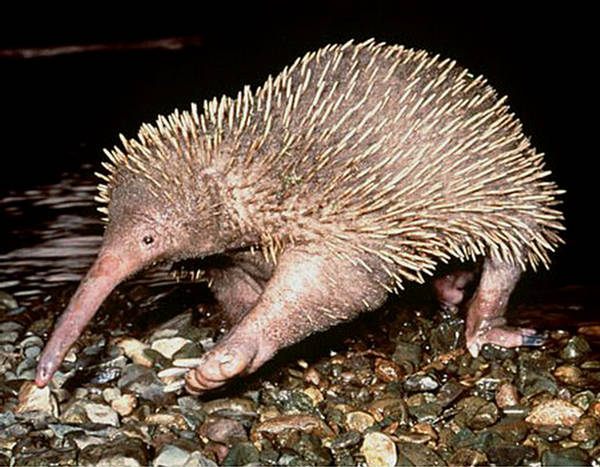
Long-beaked Echidna
Echidnas are one of the two types of mammals that lay eggs (the other one is platypus). The long-beaked echidna is found in New Guinea, where it is widespread.
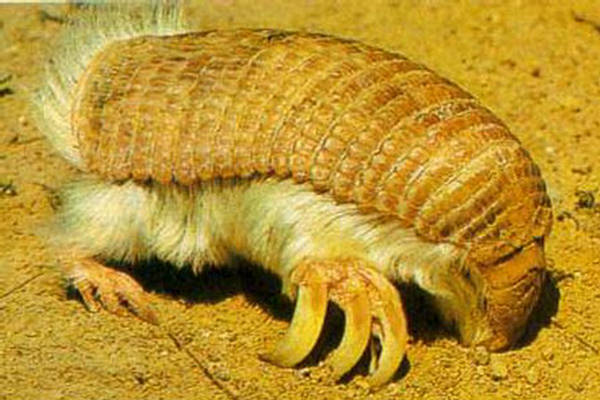
Pink Fairy Armadillo
It is found in central Argentina where it inhabits dry grasslands and sandy plains with thorn bushes and cacti. It has the ability to bury itself completely in a matter of seconds if frightened.
The Pink Fairy Armadillo burrows small holes near ant colonies in dry dirt. It feeds mainly on ants and ant larvae near its burrow.
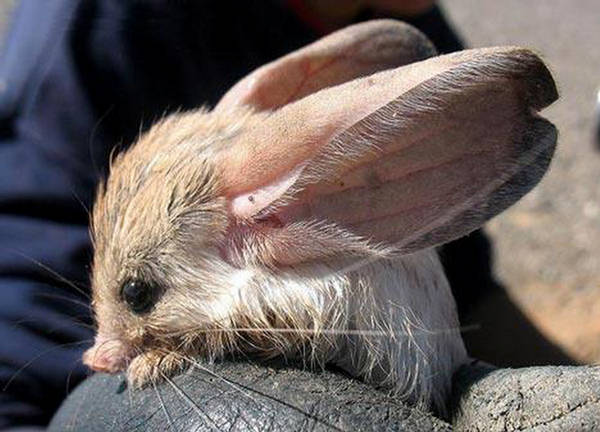
Long-eared Jerboa
"The Mickey Mouse of the desert" - mouse-like rodent with a long tail, long hind legs for jumping, and exceptionally large ears. The jerboa, found in the deserts of Mongolia and China, is listed as endangered on the IUCN Red List.
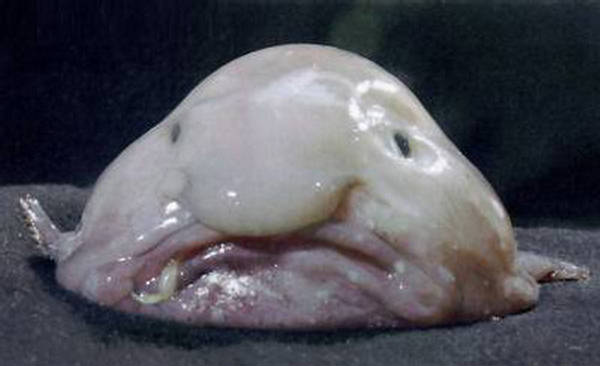
Blobfish
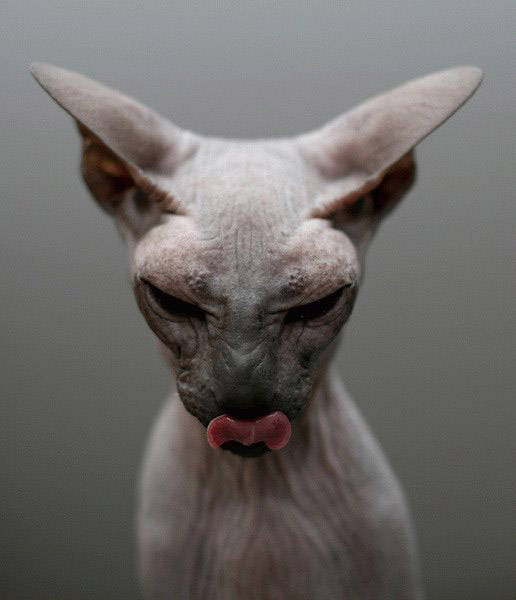
Lowbird
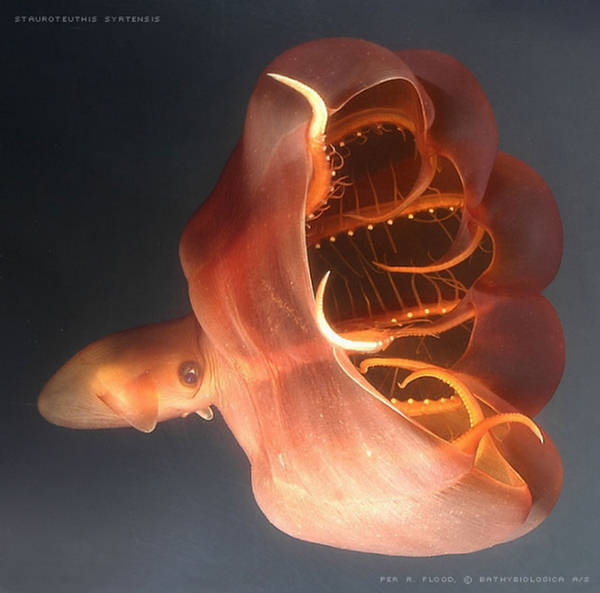
stauroteuthis syrtensis
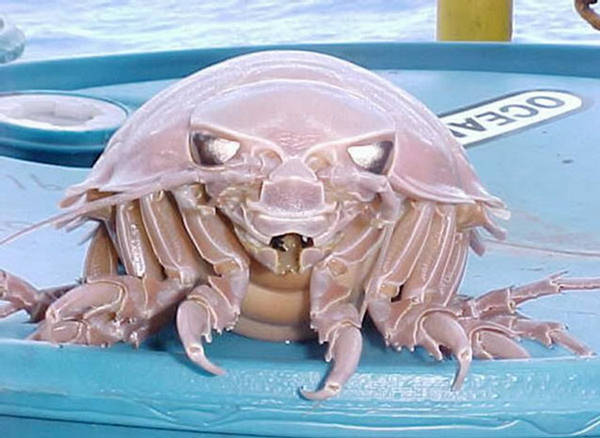
Giant isopod
Pelochelys cantorii (Cantor's giant soft-shelled turtle)
The turtle is found primarily in inland, slow-moving fresh water rivers and streams. Cantor's giant soft-shelled turtles can grow up to 6 feet (about 2 meters) in length and weigh more than 100 pounds (about 50 kilograms).
Matamata Turtle
The mata mata inhabits slow moving, blackwater streams, stagnant pools, marshes, and swamps ranging into northern Bolivia, eastern Peru, Ecuador, eastern Colombia, Venezuela, the Guianas, and northern and central Brazil. The mata mata is strictly an aquatic species but it prefers standing in shallow water where its snout can reach the surface to breathe.
Patagonian Cavy (Mara)
A large rodent that looks sort of like a rabbit, sort of like a donkey. The Patagonian Mara lives in Central and Southern Argentina. Maras inhabit arid grasslands and scrub desert
Saiga Antelope
Saiga is classified as critically endangered by the IUCN. There is an estimated total number of 50,000 Saigas today, which live in Kalmykia, three areas of Kazakhstan and in two isolated areas of Mongolia.
Star Nosed Mole
The Star-nosed Mole lives in wet lowland areas and eats small invertebrates, aquatic insects, worms and mollusks. It is a good swimmer and can forage along the bottoms of streams and ponds. Like other moles, this animal digs shallow surface tunnels for foraging; often, these tunnels exit underwater.
Elephant shrew
They are widely distributed across the southern part of Africa, and although common nowhere, can be found in almost any type of habitat, from the Namib Desert to boulder-strewn outcrops in South Africa to thick forest
Long-beaked Echidna
Echidnas are one of the two types of mammals that lay eggs (the other one is platypus). The long-beaked echidna is found in New Guinea, where it is widespread.
Pink Fairy Armadillo
It is found in central Argentina where it inhabits dry grasslands and sandy plains with thorn bushes and cacti. It has the ability to bury itself completely in a matter of seconds if frightened.
The Pink Fairy Armadillo burrows small holes near ant colonies in dry dirt. It feeds mainly on ants and ant larvae near its burrow.
Long-eared Jerboa
"The Mickey Mouse of the desert" - mouse-like rodent with a long tail, long hind legs for jumping, and exceptionally large ears. The jerboa, found in the deserts of Mongolia and China, is listed as endangered on the IUCN Red List.
Blobfish
Lowbird
stauroteuthis syrtensis
Giant isopod