


Where to Go in 2017
The 20 destinations that will be especially hot this year—and the data you need to plan your trip.
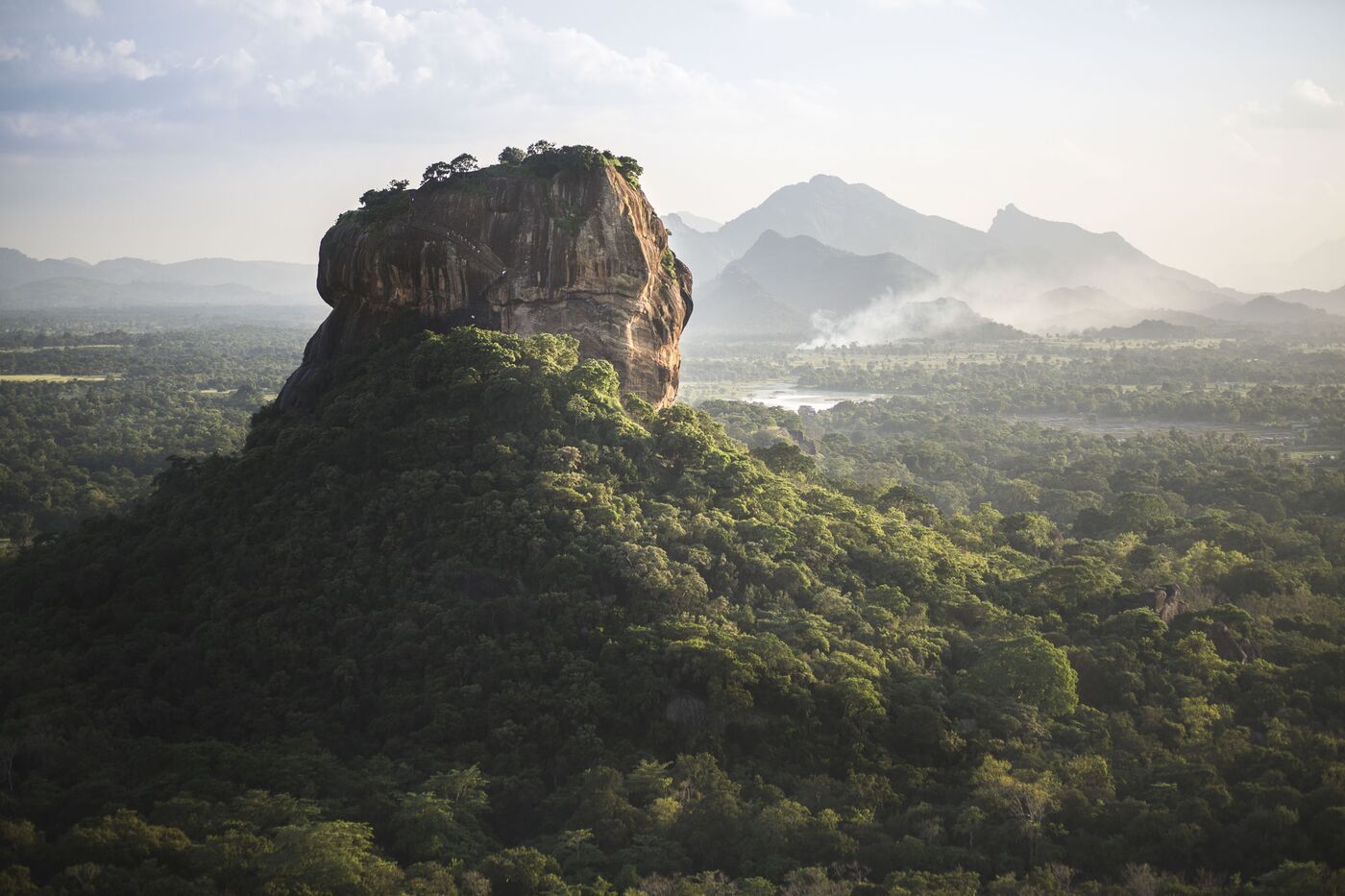
The Ancient City of Sigiriya, in central Sri Lanka, is built into the slopes of a granite peak called the Lion’s Rock.
Photographer: Sylvain Bouzat/Getty Images
Bloomberg Pursuits January 4, 2017, 2:30 PM GMT+5:30
Today’s fast-changing, hyper-globalized world has no shortage of incredible travel opportunities. This year, we’ve done all the legwork for you in rooting out the best, pinpointing the biggest hotel openings and cultural events of the year—along with the places you’ll want to see now, before they change forever.
And because it’s not enough to figure out where to go, we’re also helping you decide when to plan each trip, according to hotel price data from Google and insights from our preferred destination specialists across the globe. The cheapest and most expensive times to go are rarely the best and worst.
So get your passport ready—there’s lots of ground to cover in the next 12 months.

Leopard spotting in Sri Lanka.
Photographer: Byrdyak/Getty Images/iStockphoto
SRI LANKA
Leopards are some of the toughest cats to spot on an African safari; in Sri Lanka’s Yala National Park, their abundance practically guarantees daily encounters. And that’s only one reason to go. Add to the list ruins that rival Angkor Wat and opportunities to see humpback and blue whales off the country’s southern coast, and you’ll wonder why so few tourists have caught on.
Source: Google (hotel prices)
Chalk up Sri Lanka’s short immigration queues to its lack of luxury hotel options—a void that Malik Fernando, founder and owner of Resplendent Ceylon, is hurrying to fill. Already, his first two properties have earned Relais & Chateaux distinction—one is on an old tea plantation in the highlands and the other is built on a jungle-shrouded cliff facing the Indian Ocean. His third project, Wild Coast Tented Lodge, opens this October, with 28 cocoon-like tents on a private beach near leopard-filled Yala; two additional hotels are on the way. It’s the luxury travel circuit you didn’t know you were waiting for.
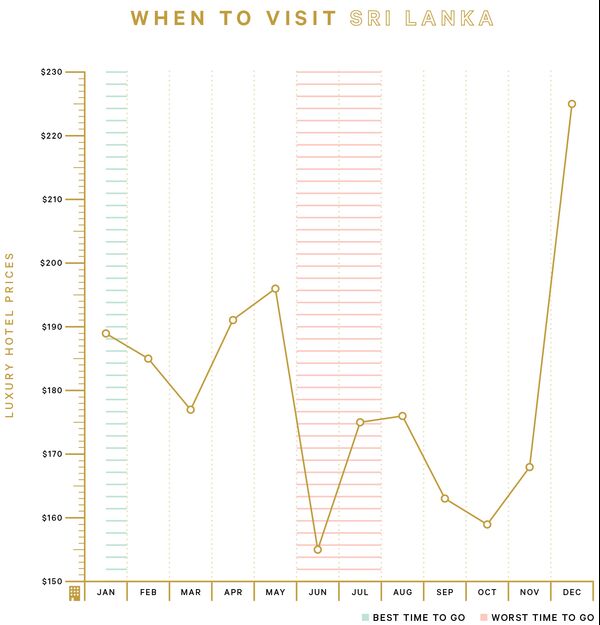
When to go: Late January. The weather is cool and the crowds are thin.
When not to go: June and July, when much of the country becomes inaccessible, thanks to nonstop rain and over-the-top heat swells.
Whom to call: Ashish Sanghrajka from Big Five Tours & Expeditions.
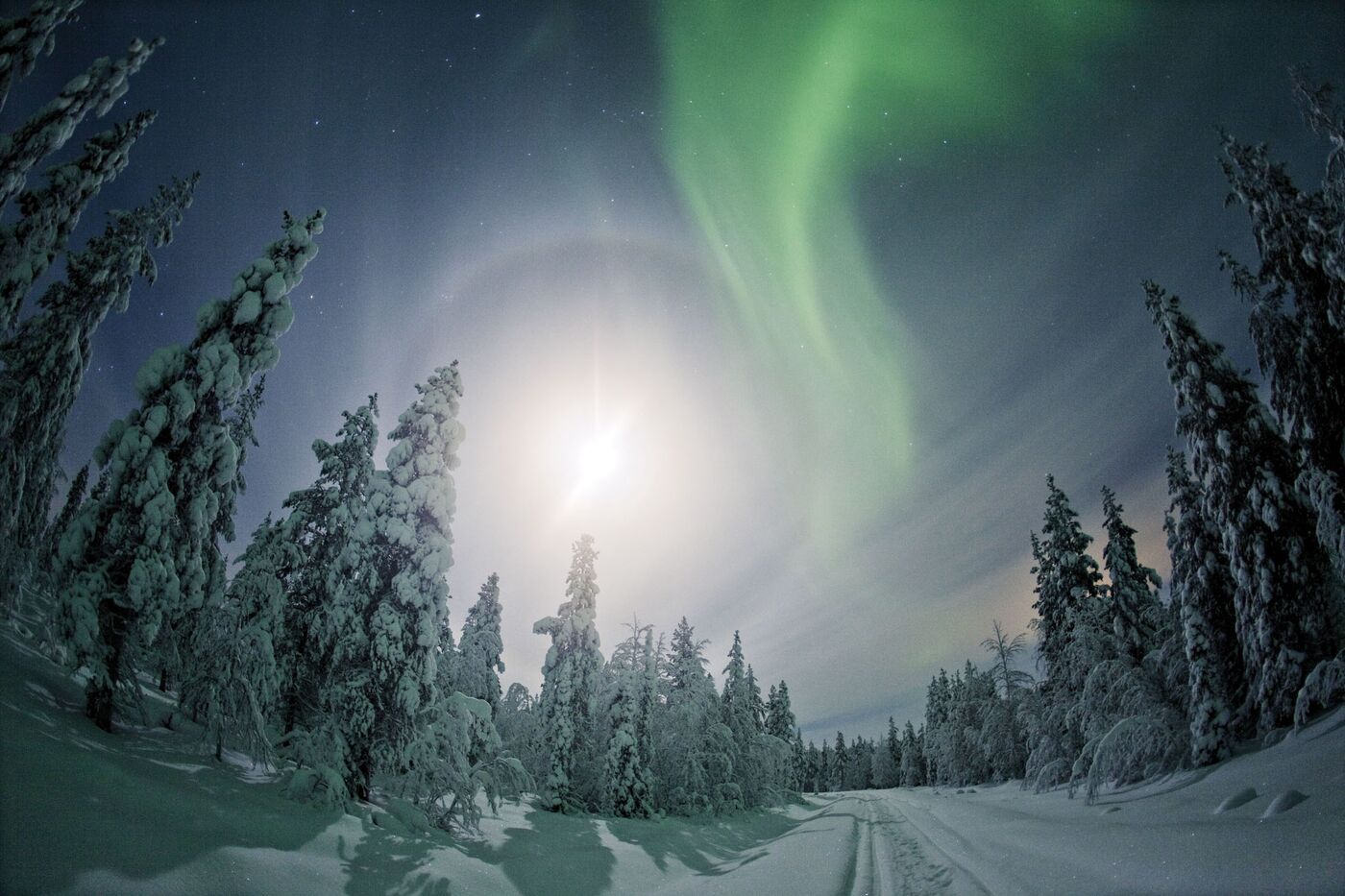
The Northern Lights as seen in arctic Finland.
Source: Visit Finland
FINLAND
The Finnish may be a modest lot, but they will have a bunch to boast about in 2017. Helsinki is buzzing with the energy of the country’s centennial: A grand hotel called the St. George will open this summer in a 19th century landmark building, and a showstopping public sauna by Avanto Architects is stoking the flames of a longtime national obsession.
Source: Google (hotel prices)
But the real excitement lies in Finnish Lapland, where adventurers on the hunt for “the next Iceland” can find the country’s most magical experiences. Such dramatic arrivals as the ultra-mod Arctic Treehouse Hotel and the glass-domed Northern Lights Village make plush spots to witness the Northern Lights, which are said to appear there 200 times a year. Luxe outfitter Abercrombie & Kent is launching a private jet expedition to the area that includes an Arctic treasure hunt and ice track racing with champion drivers.
In 2017 Finland will celebrate its pristine natural environments—from its many islands and lakes to forests and peat lands—with elaborate parties in the wild to honor the nation’s 100th year. Our top pick: a series of midsummer choral concerts in hidden crannies of the country’s national parks, set to simultaneously unfold on Aug. 26.
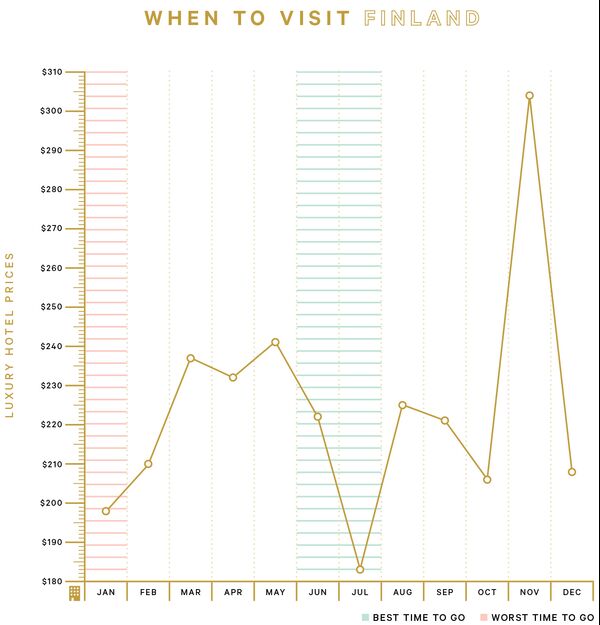
When to go: June, for the amazing festivals, and July, for endless sunshine.
When not to go: January. The beautiful, snow-covered landscapes don’t compensate for the bitter cold and 20-hour stretches of darkness.
Whom to call: Tom Marchant of Black Tomato.

The new Museum of Art, Architecture, and Technology in Lisbon.
Source: Visit Lisboa
PORTUGAL
Portugal’s position in the pantheon of European tourism has shot from “obscure” to “over-the-top,” and Lisbon, the charm-packed capital, is poised to keep climbing. This year will see added airlift from Delta and United, along with tons of additional beds for discerning travelers to sleep in. (Keep an eye out for Verride Palace, opening in February, where almost all the rooms are suites and the outdoor pool is heated year-round.)
The city’s arts scene is getting a much-needed injection, too. The paint has barely dried on the Museum of Art, Architecture and Technology, which won’t be the new kid on the block for long. Soon it’ll gain the company of the Berardo Museum (dedicated to Joe Berardo’s Art Nouveau and Art Deco collections) and the Museum of Portuguese Jewish History; both niche concepts will offer fascinating bodies of work.
Source: Google (hotel prices)
Use your Lisbon trip as an excuse to explore the nearby Algarve region, which is also stepping up its game. That’s where you’ll find the just-opened Cascade Wellness & Lifestyle Resort (with its own soccer school) and Europe’s first Anantara hotel (with the brand’s signature Thai spa). Bonus points if you make it to red-hot Porto, a newly crowned shopping destination that’s soon to debut Time Out Market, the Portuguese food court of your dreams.
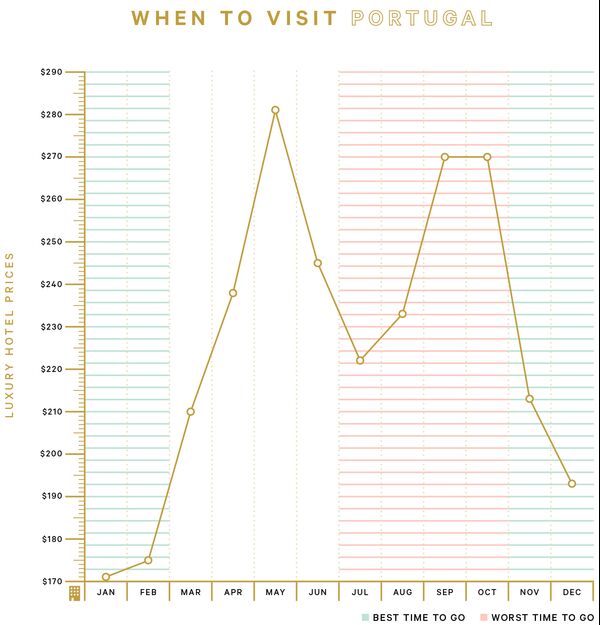
When to go: November through February. Warm weather during the winter is one reason to love its location in southern Europe.
When not to go: July to October. A dearth of luxe hotels means that snagging a decent room during high season can be a challenge. (But that’s what Airbnb is for.)
Whom to call: Virginia Irurita of Made for Spain and Portugal.
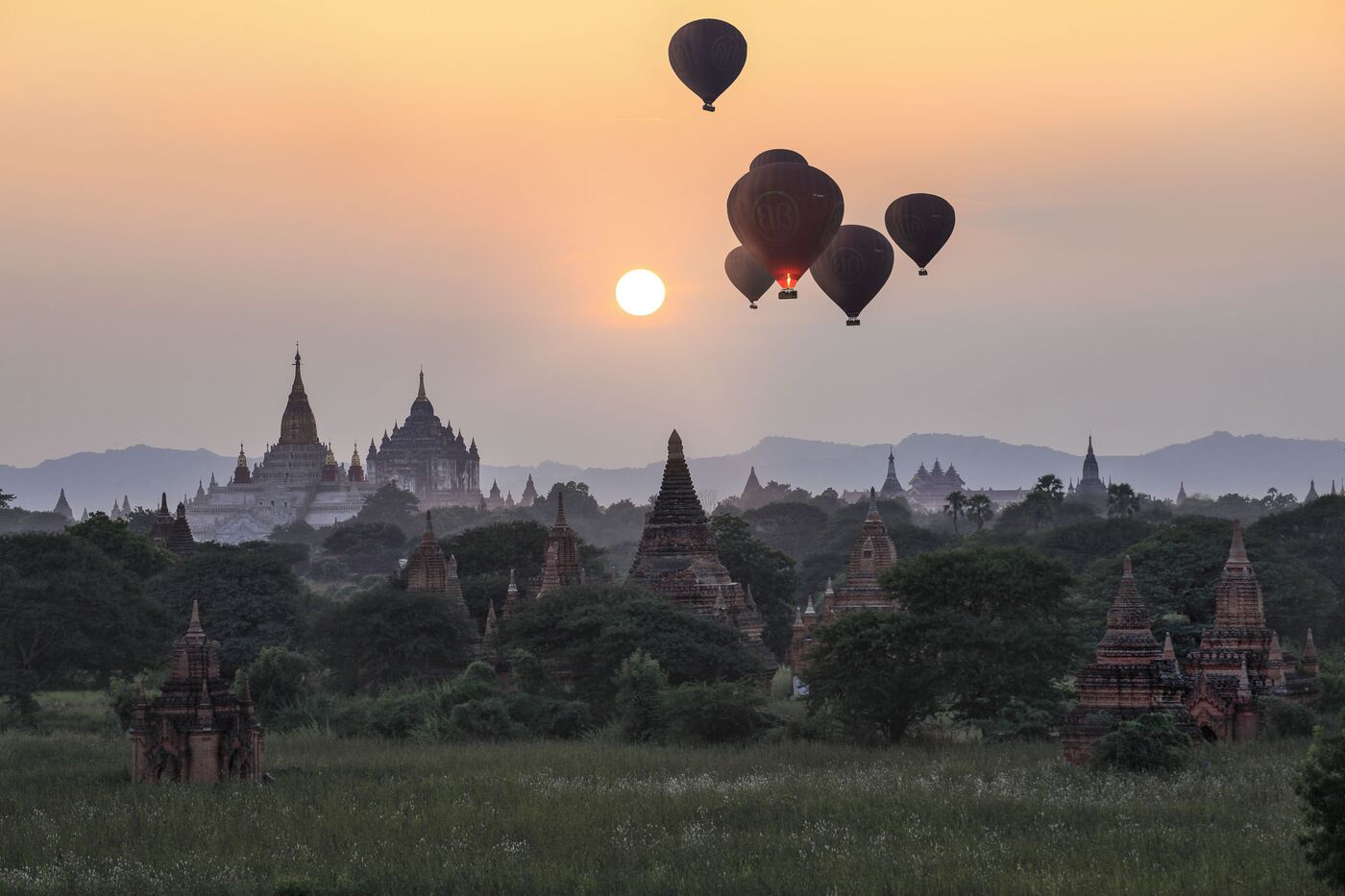
Hot air balloons flying over the ancient temples of Bagan.
Photographer: Kenny Teo/Getty Images
MYANMAR
By now, Myanmar might feel like old news. The gorgeously lush country opened up its borders in 2012 after half a century of political turmoil, catapulting to the top of bucket lists. Five years on, though, its romantic, historic cities have hit a sweet spot for travelers.
Source: Google (hotel prices)
Gone are the days of paying for everything in crisp-as-linen U.S. dollars; cash machines have finally become commonplace here, as have televisions, internet access, and mobile phones. Yangon’s grande dame hotel, the Strand, has reclaimed its luster after a head-to-toe makeover, while small, locally owned B&Bs are blossoming into culture-packed boutique hotels. These days, you can even sail a colonial-style schooner to Myanmar’s least-trod beaches. And the character of the place is as authentic as ever.
But Red Savannah’s Myanmar expert, Edward Granville, cautions that this golden period may be short-lived. “Like Eastern Europe in the 1990s, change is in the air,” he said. A Novotel arrived last year, Hilton and Conrad are said to be planting flags, and an entire hillside in Inle Lake has been cleared for a mass-market hotel park. In other words: Go before the country reaches a tipping point. It may never be the same again.
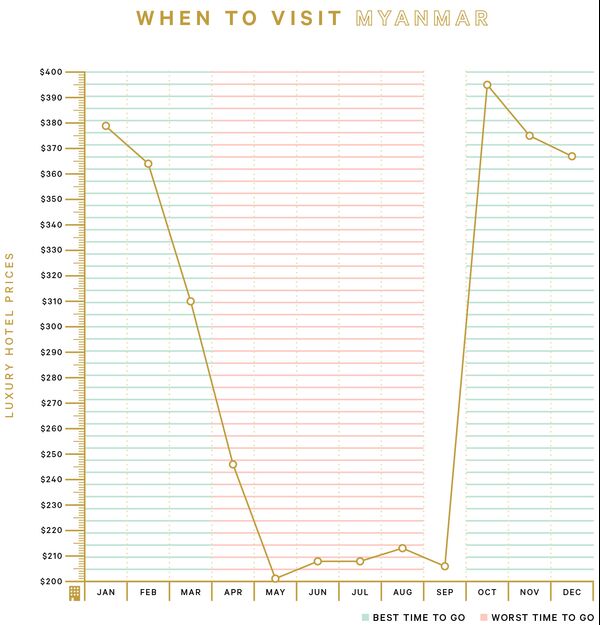
When to go: October to March. The weather is cool and dry, the skies are clear, and the sunrises and sunsets downright epic.
When not to go: April to August. It’s extremely hot in the buildup to monsoon season—and then extremely wet when the rains finally arrive.
Whom to call: Edward Granville of Red Savannah.
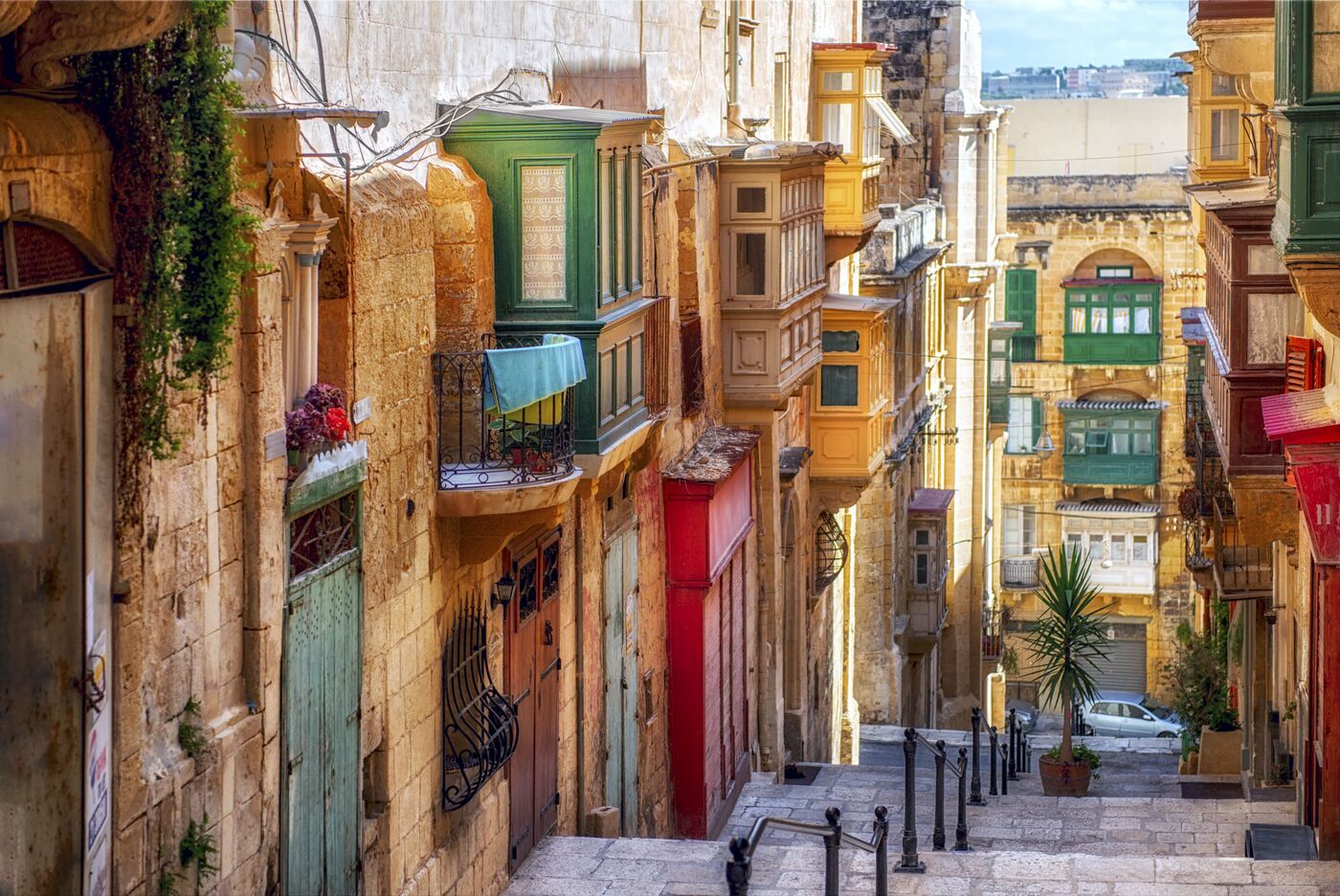
One of many pretty cobblestoned streets in Valletta, Malta.
Photographer: Liseykina/Getty Images/iStockphoto
MALTA
Malta has had few reasons to be in the spotlight since its historic Great Siege, a full 500 years ago. This year, the island nation has many.
After it was announced that Valletta would become the European Capital of Culture in 2018, abandoned Baroque townhouses in the port district became a hot commodity; now they’re being reopened as small businesses and stylish inns. The city’s Parliament and historic City Gate just got a makeover by starchitect Renzo Piano. And Strait Street, a one-time favorite place for knights to duel, is being redeveloped by the city's architect of the moment, Chris Briffa, who is converting a block of houses at the lower end of the street into bars, restaurants, and (it is hoped) an outdoor theater.
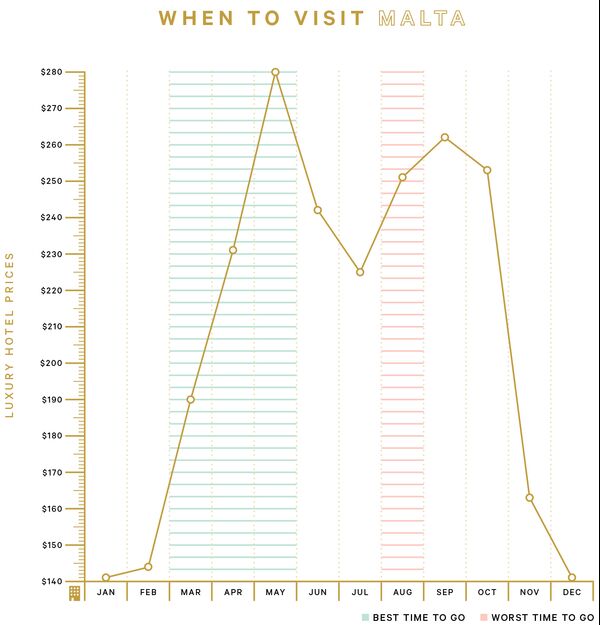
Source: Google (hotel prices)
Given the traditional dearth of good hotel options in town, it’s especially exciting news that the grande dame Hotel Phoenicia will be reopened in January after a tip-to-toe renovation; its foil, the ultra-sleek Iniala Harbour House, will open later in the year. And while developments like MUZA, Malta's Museum of Art, won’t pop until 2018, this is truly the year to go. For one thing, it’s still easy to walk in and grab a table at the excellent family-run tavernas you’ll find on almost every street. Soon enough, it’ll be reservations only.
When to go: Plan for spring, especially Easter, for a true taste of local traditions. Imagine dramatic processions and delicious almond-filled cakes (called figolla).
Worst: August. Aside from the intense heat, many of the shops may be closed.
Whom to call: Uri Harash of Perfetto Traveler.
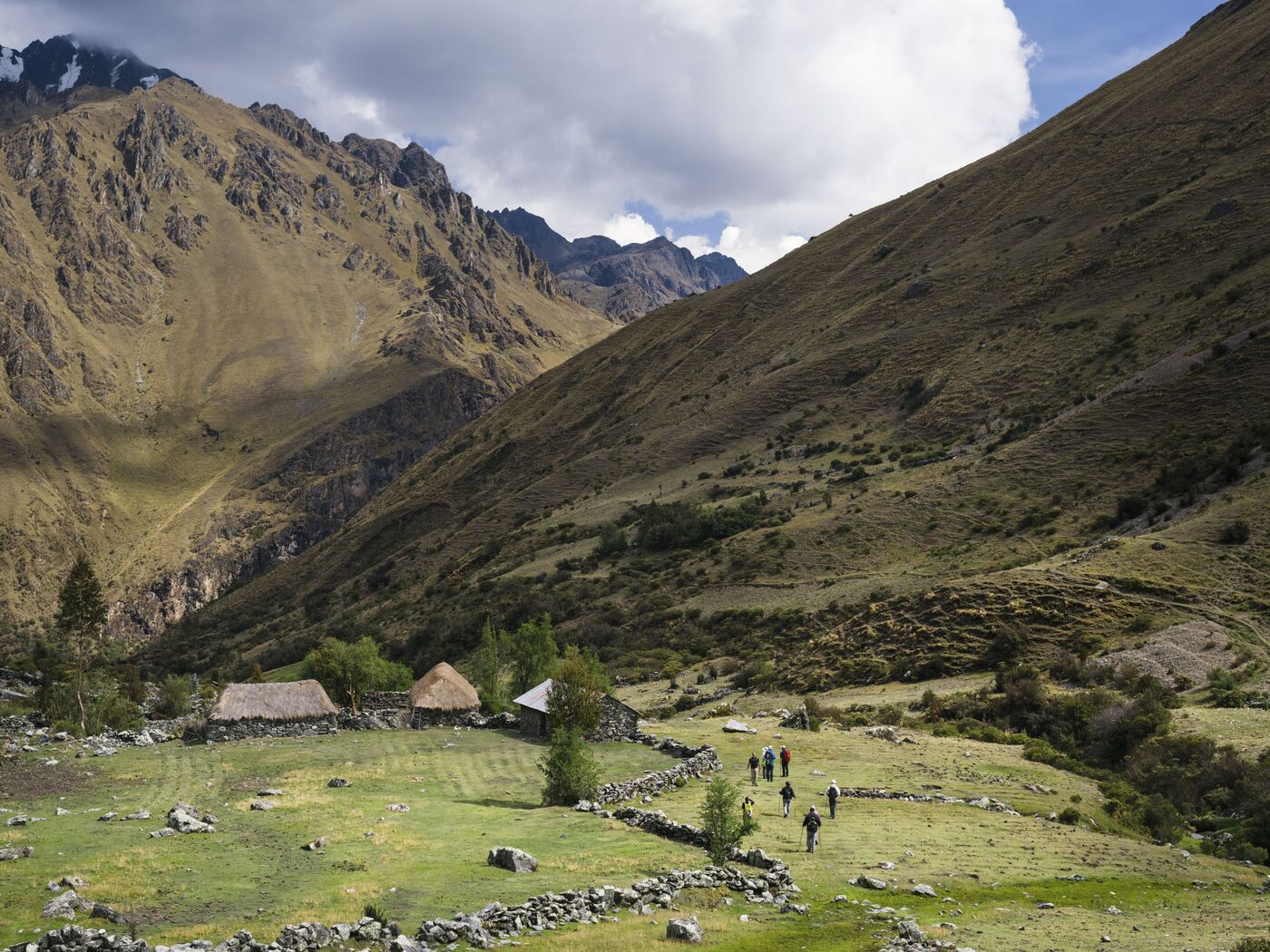
The snow-capped mountain of La Veronica, in Peru’s Sacred Valley.
Photographer: Peter Bohler for Bloomberg Pursuits
PERU
In 2017, think beyond Machu Picchu to the Incan salt pans of Maras, the uncharted, snow-capped mountains of Veronica and Sawasiray, and the endless horizon of Lake Titicaca. Thanks to improved infrastructure (and trailblazing travel operators), these places are perhaps even easier to access than the so-called Lost City of the Incas—and with zero trace of the crowds.
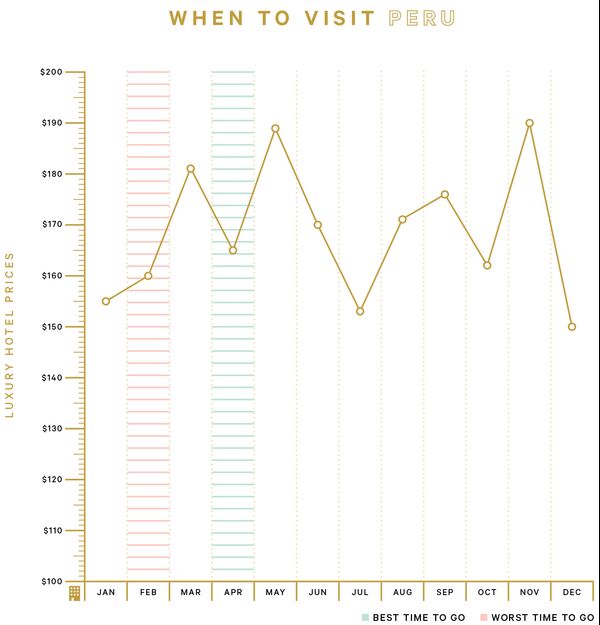
Source: Google (hotel prices)
The five-star Chilean adventure outfitter Explora, for instance, made its Peruvian debut with an architectural gem in the Sacred Valley last summer; it’s now taking travelers on stunningly remote treks that feel like time warps into simpler times. For those who prefer exploring on two wheels, the luxe bike outfitter DuVine is offering similarly off-the-beaten-path trips.
Adding to the buzz is Belmond, one of the original luxury hospitality brands in Peru, which will introduce South America’s first luxury sleeper train in May, connecting Cusco to the traditional villages surrounding Lake Titicaca. It all fits in with new President Pablo Kuczynski’s mission to expand tourism into Peru’s pristine countryside—which may quickly modernize it, for better or for worse.
When to go: April, when the post-rainy season landscape is at its greenest and the summer travelers have yet to descend.
When not to go: February. The rains are at their worst, and this is a place to be outside.
Whom to call: Emmanuel Burgio of Blue Parallel.
The 20 destinations that will be especially hot this year—and the data you need to plan your trip.
The Ancient City of Sigiriya, in central Sri Lanka, is built into the slopes of a granite peak called the Lion’s Rock.
Photographer: Sylvain Bouzat/Getty Images
Bloomberg Pursuits January 4, 2017, 2:30 PM GMT+5:30
Today’s fast-changing, hyper-globalized world has no shortage of incredible travel opportunities. This year, we’ve done all the legwork for you in rooting out the best, pinpointing the biggest hotel openings and cultural events of the year—along with the places you’ll want to see now, before they change forever.
And because it’s not enough to figure out where to go, we’re also helping you decide when to plan each trip, according to hotel price data from Google and insights from our preferred destination specialists across the globe. The cheapest and most expensive times to go are rarely the best and worst.
So get your passport ready—there’s lots of ground to cover in the next 12 months.

Leopard spotting in Sri Lanka.
Photographer: Byrdyak/Getty Images/iStockphoto
SRI LANKA
Leopards are some of the toughest cats to spot on an African safari; in Sri Lanka’s Yala National Park, their abundance practically guarantees daily encounters. And that’s only one reason to go. Add to the list ruins that rival Angkor Wat and opportunities to see humpback and blue whales off the country’s southern coast, and you’ll wonder why so few tourists have caught on.
Source: Google (hotel prices)
Chalk up Sri Lanka’s short immigration queues to its lack of luxury hotel options—a void that Malik Fernando, founder and owner of Resplendent Ceylon, is hurrying to fill. Already, his first two properties have earned Relais & Chateaux distinction—one is on an old tea plantation in the highlands and the other is built on a jungle-shrouded cliff facing the Indian Ocean. His third project, Wild Coast Tented Lodge, opens this October, with 28 cocoon-like tents on a private beach near leopard-filled Yala; two additional hotels are on the way. It’s the luxury travel circuit you didn’t know you were waiting for.
When to go: Late January. The weather is cool and the crowds are thin.
When not to go: June and July, when much of the country becomes inaccessible, thanks to nonstop rain and over-the-top heat swells.
Whom to call: Ashish Sanghrajka from Big Five Tours & Expeditions.
The Northern Lights as seen in arctic Finland.
Source: Visit Finland
FINLAND
The Finnish may be a modest lot, but they will have a bunch to boast about in 2017. Helsinki is buzzing with the energy of the country’s centennial: A grand hotel called the St. George will open this summer in a 19th century landmark building, and a showstopping public sauna by Avanto Architects is stoking the flames of a longtime national obsession.
Source: Google (hotel prices)
But the real excitement lies in Finnish Lapland, where adventurers on the hunt for “the next Iceland” can find the country’s most magical experiences. Such dramatic arrivals as the ultra-mod Arctic Treehouse Hotel and the glass-domed Northern Lights Village make plush spots to witness the Northern Lights, which are said to appear there 200 times a year. Luxe outfitter Abercrombie & Kent is launching a private jet expedition to the area that includes an Arctic treasure hunt and ice track racing with champion drivers.
In 2017 Finland will celebrate its pristine natural environments—from its many islands and lakes to forests and peat lands—with elaborate parties in the wild to honor the nation’s 100th year. Our top pick: a series of midsummer choral concerts in hidden crannies of the country’s national parks, set to simultaneously unfold on Aug. 26.
When to go: June, for the amazing festivals, and July, for endless sunshine.
When not to go: January. The beautiful, snow-covered landscapes don’t compensate for the bitter cold and 20-hour stretches of darkness.
Whom to call: Tom Marchant of Black Tomato.

The new Museum of Art, Architecture, and Technology in Lisbon.
Source: Visit Lisboa
PORTUGAL
Portugal’s position in the pantheon of European tourism has shot from “obscure” to “over-the-top,” and Lisbon, the charm-packed capital, is poised to keep climbing. This year will see added airlift from Delta and United, along with tons of additional beds for discerning travelers to sleep in. (Keep an eye out for Verride Palace, opening in February, where almost all the rooms are suites and the outdoor pool is heated year-round.)
The city’s arts scene is getting a much-needed injection, too. The paint has barely dried on the Museum of Art, Architecture and Technology, which won’t be the new kid on the block for long. Soon it’ll gain the company of the Berardo Museum (dedicated to Joe Berardo’s Art Nouveau and Art Deco collections) and the Museum of Portuguese Jewish History; both niche concepts will offer fascinating bodies of work.
Source: Google (hotel prices)
Use your Lisbon trip as an excuse to explore the nearby Algarve region, which is also stepping up its game. That’s where you’ll find the just-opened Cascade Wellness & Lifestyle Resort (with its own soccer school) and Europe’s first Anantara hotel (with the brand’s signature Thai spa). Bonus points if you make it to red-hot Porto, a newly crowned shopping destination that’s soon to debut Time Out Market, the Portuguese food court of your dreams.
When to go: November through February. Warm weather during the winter is one reason to love its location in southern Europe.
When not to go: July to October. A dearth of luxe hotels means that snagging a decent room during high season can be a challenge. (But that’s what Airbnb is for.)
Whom to call: Virginia Irurita of Made for Spain and Portugal.
Hot air balloons flying over the ancient temples of Bagan.
Photographer: Kenny Teo/Getty Images
MYANMAR
By now, Myanmar might feel like old news. The gorgeously lush country opened up its borders in 2012 after half a century of political turmoil, catapulting to the top of bucket lists. Five years on, though, its romantic, historic cities have hit a sweet spot for travelers.
Source: Google (hotel prices)
Gone are the days of paying for everything in crisp-as-linen U.S. dollars; cash machines have finally become commonplace here, as have televisions, internet access, and mobile phones. Yangon’s grande dame hotel, the Strand, has reclaimed its luster after a head-to-toe makeover, while small, locally owned B&Bs are blossoming into culture-packed boutique hotels. These days, you can even sail a colonial-style schooner to Myanmar’s least-trod beaches. And the character of the place is as authentic as ever.
But Red Savannah’s Myanmar expert, Edward Granville, cautions that this golden period may be short-lived. “Like Eastern Europe in the 1990s, change is in the air,” he said. A Novotel arrived last year, Hilton and Conrad are said to be planting flags, and an entire hillside in Inle Lake has been cleared for a mass-market hotel park. In other words: Go before the country reaches a tipping point. It may never be the same again.
When to go: October to March. The weather is cool and dry, the skies are clear, and the sunrises and sunsets downright epic.
When not to go: April to August. It’s extremely hot in the buildup to monsoon season—and then extremely wet when the rains finally arrive.
Whom to call: Edward Granville of Red Savannah.
One of many pretty cobblestoned streets in Valletta, Malta.
Photographer: Liseykina/Getty Images/iStockphoto
MALTA
Malta has had few reasons to be in the spotlight since its historic Great Siege, a full 500 years ago. This year, the island nation has many.
After it was announced that Valletta would become the European Capital of Culture in 2018, abandoned Baroque townhouses in the port district became a hot commodity; now they’re being reopened as small businesses and stylish inns. The city’s Parliament and historic City Gate just got a makeover by starchitect Renzo Piano. And Strait Street, a one-time favorite place for knights to duel, is being redeveloped by the city's architect of the moment, Chris Briffa, who is converting a block of houses at the lower end of the street into bars, restaurants, and (it is hoped) an outdoor theater.
Source: Google (hotel prices)
Given the traditional dearth of good hotel options in town, it’s especially exciting news that the grande dame Hotel Phoenicia will be reopened in January after a tip-to-toe renovation; its foil, the ultra-sleek Iniala Harbour House, will open later in the year. And while developments like MUZA, Malta's Museum of Art, won’t pop until 2018, this is truly the year to go. For one thing, it’s still easy to walk in and grab a table at the excellent family-run tavernas you’ll find on almost every street. Soon enough, it’ll be reservations only.
When to go: Plan for spring, especially Easter, for a true taste of local traditions. Imagine dramatic processions and delicious almond-filled cakes (called figolla).
Worst: August. Aside from the intense heat, many of the shops may be closed.
Whom to call: Uri Harash of Perfetto Traveler.
The snow-capped mountain of La Veronica, in Peru’s Sacred Valley.
Photographer: Peter Bohler for Bloomberg Pursuits
PERU
In 2017, think beyond Machu Picchu to the Incan salt pans of Maras, the uncharted, snow-capped mountains of Veronica and Sawasiray, and the endless horizon of Lake Titicaca. Thanks to improved infrastructure (and trailblazing travel operators), these places are perhaps even easier to access than the so-called Lost City of the Incas—and with zero trace of the crowds.
Source: Google (hotel prices)
The five-star Chilean adventure outfitter Explora, for instance, made its Peruvian debut with an architectural gem in the Sacred Valley last summer; it’s now taking travelers on stunningly remote treks that feel like time warps into simpler times. For those who prefer exploring on two wheels, the luxe bike outfitter DuVine is offering similarly off-the-beaten-path trips.
Adding to the buzz is Belmond, one of the original luxury hospitality brands in Peru, which will introduce South America’s first luxury sleeper train in May, connecting Cusco to the traditional villages surrounding Lake Titicaca. It all fits in with new President Pablo Kuczynski’s mission to expand tourism into Peru’s pristine countryside—which may quickly modernize it, for better or for worse.
When to go: April, when the post-rainy season landscape is at its greenest and the summer travelers have yet to descend.
When not to go: February. The rains are at their worst, and this is a place to be outside.
Whom to call: Emmanuel Burgio of Blue Parallel.


