


Asus ZenFone 6 and ZenFone 5
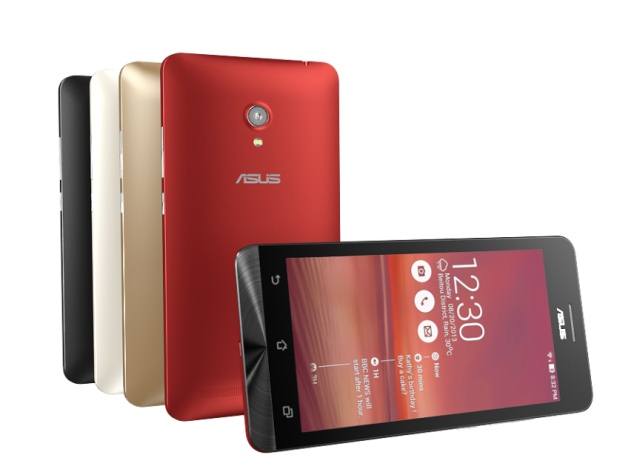
The ZenFone 5 and ZenFone 6 are both affordable smartphones, but Asus claims its PixelMaster technology allows them to capture great photos in dark environments. The trade-off is that, when shooting in low light mode, the 13 MP camera of the ZenFone 6 produces 3 MP images, while the 8 MP snapper of the ZenFone 5 delivers 2 MP images. We haven’t managed to test the ZenFones ourselves yet, but those who did seem to conclude that the smartphones do, indeed, take nice low-light photos.
Nokia Lumia 930 / Icon
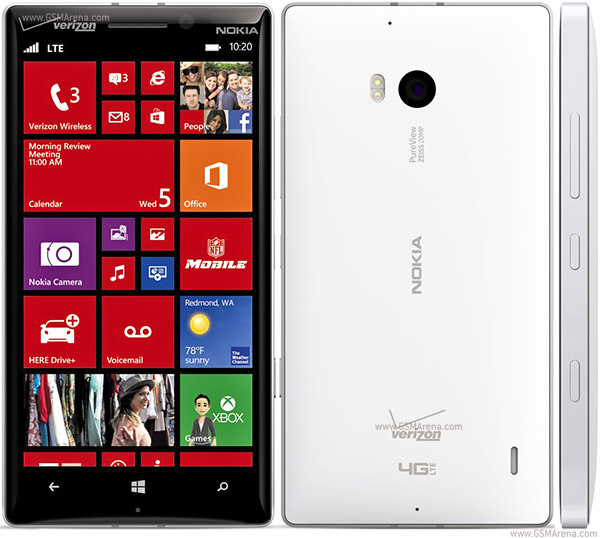
First available as the Lumia Icon in the US (since February), and then as the Lumia 930 in other parts of the world, what we have here is not Nokia’s best camera phone. Even so, the 930 / Icon is better at taking photos in low-light than most smartphones out there, thanks to its 20MP PureView rear camera with a 1/2.5" sensor and Optical Image Stabilization. Mind you, “most smartphones out there” doesn’t include the ones on this list.
Nokia Lumia 1020
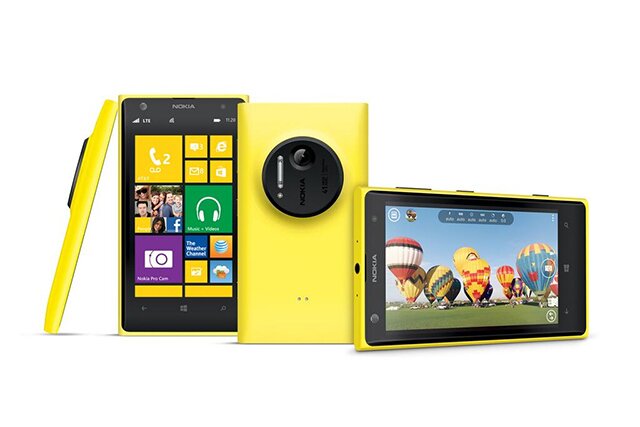
Although it’s older than the 930 / Icon, the Nokia Lumia 1020 is definitely better when it comes to photography (in every situation). The 1020 features an impressive 41 MP PureView camera with a 1/1.5" sensor and Optical Image Stabilization. You’ll have a hard time finding a better low-light performer than the Lumia 1020. This Windows Phone handset is even better at low-light photography than the discontinued Nokia PureView 808, which has a larger sensor (1/1.2"), but doesn’t feature OIS.
Sony Xperia Z3 and Z3 Compact
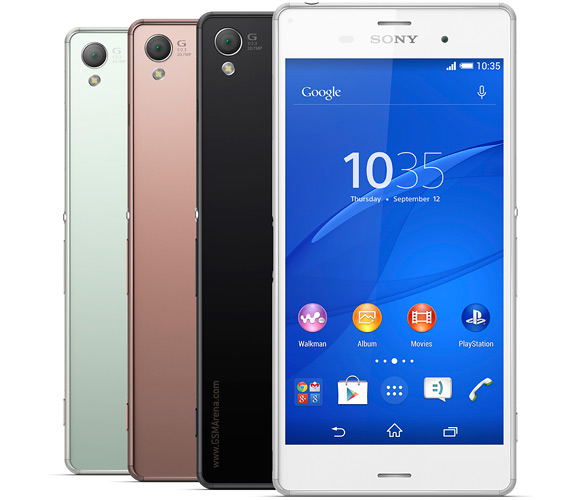
Sony’s new Xperia Z3 and Z3 Compact have the same rear camera: a 20.7 MP unit with a 1/2.3" sensor and a new G Lens system. There’s no Optical Image Stabilization, but Sony managed to push the ISO speed up to 12800 - a first in the smartphone space. This allows you to take usable 8 MP photos in situations where most handsets would deliver indecipherable results.
Apple iPhone 6 Plus
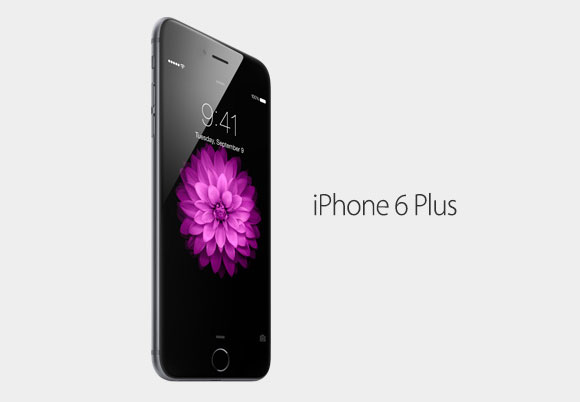
It seems that Apple has seriously thought about low-light photography when developing the iPhone 6 Plus. The 5.5-inch handset has an 8 MP rear camera with Optical Image Stabilization, and can deliver the best low-light photos ever taken with an iPhone.
Samsung Galaxy Note 4

the Note 4 isn’t out yet, but Samsung said that its 16 MP camera would offer improved photos in low-light conditions. The fact that the camera features Optical Image Stabilization (which is missing from previous Galaxy Note models) will certainly help a lot in this regard, so we’re setting our expectations high.
Samsung Galaxy K zoom
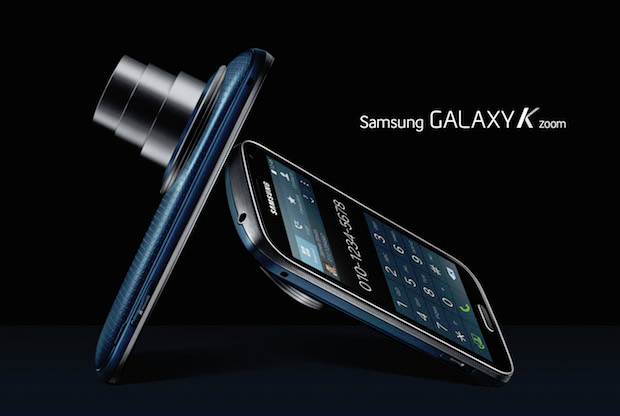
The Galaxy K zoom is Samsung’s latest smartphone-camera hybrid, so it’s thicker (16.6 mm) and heavier (200 grams) than a typical smartphone. The K zoom packs a 20.7 MP camera with a 1/2.3" sensor, Xenon flash, OIS, and 10x optical zoom. It takes pretty good photos in low-light environments, though noise is present - so don’t expect anything close to what DSLRs can offer.

Panasonic Lumix DMC-CM1
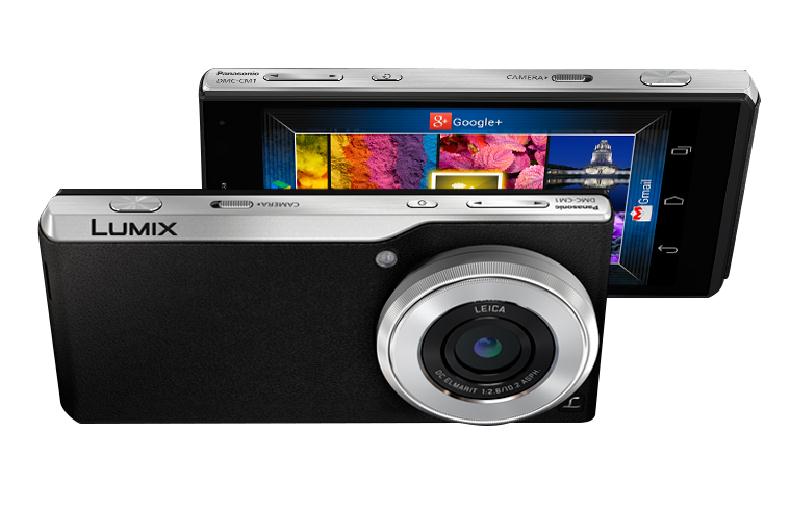
Announced earlier this month, the Pansonic Lumix DMC-CM1 is yet another smartphone-camera hybrid. This one has a 20 MP camera with a 1" sensor - the largest ever for a smartphone. The camera further features a 28mm wide-angle Leica lens, up to 25600 ISO, and the ability to shoot in RAW format. We’ll have to wait until November to get our hands on the Pansonic DMC-CM1, but this certainly has the potential to be one of the best smartphones for taking low-light photos - ever.


 secondly i love HTC. But its not here..


