


Mena macho magen Educational info tikak
man hithanawa mewa dana gena ina 1ka ada kale katath hodai kyala !!
ithin tika welawak aragena meka kiyawana cz SL wala Sex education nathi nisa mewa gana katawath hari knwledge 1k naa
but 1ka loku aduwak .... SL wala AIDS/STD preventing programme 1ke link 1kth thiyenwa !!
National STD/AIDS Control Program Sri Lanka - http://www.aidscontrol.gov.lk/me/PMIS/#
Classification and terminology
Specifically, the term STD refers only to infections that are causing symptoms. Because most of the time people do not know that they are infected with an STD until they start showing symptoms of disease, most people use the term STD, even though the term STI is also appropriate in many cases.
Moreover, the term sexually transmissible disease is sometimes used since it is less restrictive in consideration of other factors or means of transmission. For instance, meningitis is transmissible by means of sexual contact but is not labeled as an STI because sexual contact is not the primary vector for the pathogens that cause meningitis. This discrepancy is addressed by the probability of infection by means other than sexual contact. In general, an STI is an infection that has a negligible probability of transmission by means other than sexual contact, but has a realistic means of transmission by sexual contact (more sophisticated means—blood transfusion, sharing of hypodermic needles—are not taken into account). Thus, one may presume that, if a person is infected with an STI, e.g., chlamydia, gonorrhea, genital herpes, it was transmitted to him/her by means of sexual contact.
The diseases on this list are most commonly transmitted solely by sexual activity. Many infectious diseases, including the common cold, influenza, pneumonia, and most others that are transmitted person-to-person can also be transmitted during sexual contact, if one person is infected, due to the close contact involved. However, even though these diseases may be transmitted during sex, they are not considered STDs.
Bacterial
Sexually transmitted enteric infections
Various bacterial (Shigella, Campylobacter, or Salmonella), viral (Hepatitis A, Adenoviruses), or parasitic (Giardia or amoeba) pathogens are transmitted by sexual practices that promote anal-oral contamination (fecal-oral). Sharing sex toys without washing or multiple partnered barebacking can promote anal-anal contamination. Although the bacterial pathogens may coexist with or cause proctitis, they usually produce symptoms (diarrhea, fever, bloating, nausea, and abdominal pain) suggesting disease more proximal in the GI tract.
Prevention
Main article: Safe sex
Prevention is key in addressing incurable STIs, such as HIV & herpes.
The most effective way to prevent sexual transmission of STIs is to avoid contact of body parts or fluids which can lead to transfer with an infected partner. No contact minimizes risk. Not all sexual activities involve contact: cybersex, phonesex or masturbation from a distance are methods of avoiding contact. Proper use of condoms reduces contact and risk.
Ideally, both partners should get tested for STIs before initiating sexual contact, or before resuming contact if a partner engaged in contact with someone else. Many infections are not detectable immediately after exposure, so enough time must be allowed between possible exposures and testing for the tests to be accurate. Certain STIs, particularly certain persistent viruses like HPV, may be impossible to detect with current medical procedures.
Many diseases that establish permanent infections can so occupy the immune system that other diseases become more easily transmitted. The innate immune system led by defensins against HIV can prevent transmission of HIV when viral counts are very low, but if busy with other viruses or overwhelmed, HIV can establish itself. Certain viral STI's also greatly increase the risk of death for HIV infected patients.
Vaccines
Vaccines are available that protect against some viral STIs, such as Hepatitis B and some types of HPV. Vaccination before initiation of sexual contact is advised to assure maximal protection.
Condoms
Condoms only provide protection when used properly as a barrier, and only to and from the area that it covers. Uncovered areas are still susceptible to many STDs. In the case of HIV, sexual transmission routes almost always involve the penis, as HIV cannot spread through unbroken skin, thus properly shielding the insertive penis with a properly worn condom from the vagina and anus effectively stops HIV transmission. An infected fluid to broken skin borne direct transmission of HIV would not be considered "sexually transmitted", but can still theoretically occur during sexual contact, this can be avoided simply by not engaging in sexual contact when having open bleeding wounds. Other STDs, even viral infections, can be prevented with the use of latex condoms as a barrier. Some microorganisms and viruses are small enough to pass through the pores in natural skin condoms, but are still too large to pass through latex condoms.
Condoms are designed, tested, and manufactured to never fail if used properly. There has not been one documented case of an HIV transmission due to an improperly manufactured condom
Proper usage entails:
In order to best protect oneself and the partner from STIs, the old condom and its contents should be assumed to be still infectious. Therefore the old condom must be properly disposed of. A new condom should be used for each act of intercourse, as multiple usage increases the chance of breakage, defeating the primary purpose as a barrier.
Nonoxynol-9
Nonoxynol-9 a vaginal microbicide was hoped to decrease STD rates. Trials however have found it ineffective.[9]
Diagnosis
STI tests may test for a single infection, or consist of a number of individual tests for any of a wide range of STIs, including tests for syphilis, trichomonas, gonorrhea, chlamydia, herpes, hepatitis and HIV tests. No procedure tests for all infectious agents.
STI tests may be used for a number of reasons:
There is often a window period after initial infection during which an STI test will be negative. During this period the infection may be transmissible. The duration of this period varies depending on the infection and the test.
Treatment
High risk exposure such as what occurs in rape cases may be treated prophylacticly using antibiotic combinations such as azithromycin, cefixime, and metronidazole.
An option for treating partners of patients (index cases) diagnosed with chlamydia or gonorrhea is patient-delivered partner therapy (PDT or PDPT), which is the clinical practice of treating the sex partners of index cases by providing prescriptions or medications to the patient to take to his/her partner without the health care provider first examining the partner.

man hithanawa mewa dana gena ina 1ka ada kale katath hodai kyala !!
ithin tika welawak aragena meka kiyawana cz SL wala Sex education nathi nisa mewa gana katawath hari knwledge 1k naa
but 1ka loku aduwak .... SL wala AIDS/STD preventing programme 1ke link 1kth thiyenwa !!
National STD/AIDS Control Program Sri Lanka - http://www.aidscontrol.gov.lk/me/PMIS/#
Facts About STD
- 65 million of people living in the US with STD
- 15 million of new STD cases each year
- 2/3 of all STD's occurs in people 25 yrs of age or younger
- one in four new STD cases occur in teenagers
- cervical cancer in women is linked to HPV
- doctors are required to report newly diagnosed STD cases of gonorrhea, syphilis, chlamydia and hepatitis B to state health departments and the CDC
- one in four Americans have genital herpes, 80% of those with herpes are unaware they have it
- at least one in four Americans will contract an STD at some point in their lives
- 15% of all infertile American women are infertile because of tubal damage caused by untreated STD
- 12% of all infertile American men are infertile because of inflammation of the testicles and sterility caused by untreated STD
Classification and terminology
Specifically, the term STD refers only to infections that are causing symptoms. Because most of the time people do not know that they are infected with an STD until they start showing symptoms of disease, most people use the term STD, even though the term STI is also appropriate in many cases.
Moreover, the term sexually transmissible disease is sometimes used since it is less restrictive in consideration of other factors or means of transmission. For instance, meningitis is transmissible by means of sexual contact but is not labeled as an STI because sexual contact is not the primary vector for the pathogens that cause meningitis. This discrepancy is addressed by the probability of infection by means other than sexual contact. In general, an STI is an infection that has a negligible probability of transmission by means other than sexual contact, but has a realistic means of transmission by sexual contact (more sophisticated means—blood transfusion, sharing of hypodermic needles—are not taken into account). Thus, one may presume that, if a person is infected with an STI, e.g., chlamydia, gonorrhea, genital herpes, it was transmitted to him/her by means of sexual contact.
The diseases on this list are most commonly transmitted solely by sexual activity. Many infectious diseases, including the common cold, influenza, pneumonia, and most others that are transmitted person-to-person can also be transmitted during sexual contact, if one person is infected, due to the close contact involved. However, even though these diseases may be transmitted during sex, they are not considered STDs.
Bacterial
- Chancroid (Haemophilus ducreyi)
- Chlamydia (Chlamydia trachomatis)
- Granuloma inguinale or (Klebsiella granulomatis)
- Gonorrhea (Neisseria gonorrhoeae)
- Syphilis (Treponema pallidum)
- Tinea cruris "Jock Itch" (Trichophyton rubrum and others)—Sexually transmissible
- Candidiasis or "yeast Infection"
- Viral hepatitis (Hepatitis B virus)—saliva, venereal fluids.
(Note: Hepatitis A and Hepatitis E are transmitted via the fecal-oral route; Hepatitis C (liver cancer) is rarely sexually transmittable,[2] and the route of transmission of Hepatitis D (only if infected with B) is uncertain, but may include sexual transmission.[3][4][5]) - Herpes simplex (Herpes simplex virus 1, 2) skin and mucosal, transmissible with or without visible blisters
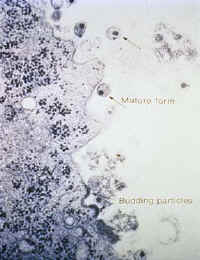
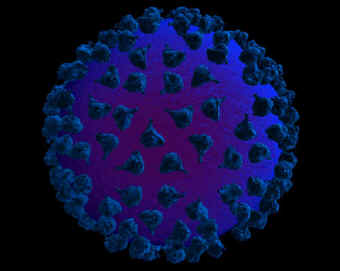
- HIV/ AIDS (Human Immunodeficiency Virus)— venereal fluids
- HPV (Human Papilloma Virus)— skin and mucosal contact. 'High risk' types of HPV are known to cause most types of cervical cancer, as well as anal, penile, and vulvar cancer, and genital warts.
- Molluscum contagiosum (molluscum contagiosum virus MCV)—close contact
- Crab louse, colloquially known as "crabs" (Phthirius pubis)
- Scabies (Sarcoptes scabiei)
Sexually transmitted enteric infections
Various bacterial (Shigella, Campylobacter, or Salmonella), viral (Hepatitis A, Adenoviruses), or parasitic (Giardia or amoeba) pathogens are transmitted by sexual practices that promote anal-oral contamination (fecal-oral). Sharing sex toys without washing or multiple partnered barebacking can promote anal-anal contamination. Although the bacterial pathogens may coexist with or cause proctitis, they usually produce symptoms (diarrhea, fever, bloating, nausea, and abdominal pain) suggesting disease more proximal in the GI tract.
Prevention
Main article: Safe sex
Prevention is key in addressing incurable STIs, such as HIV & herpes.
The most effective way to prevent sexual transmission of STIs is to avoid contact of body parts or fluids which can lead to transfer with an infected partner. No contact minimizes risk. Not all sexual activities involve contact: cybersex, phonesex or masturbation from a distance are methods of avoiding contact. Proper use of condoms reduces contact and risk.
Ideally, both partners should get tested for STIs before initiating sexual contact, or before resuming contact if a partner engaged in contact with someone else. Many infections are not detectable immediately after exposure, so enough time must be allowed between possible exposures and testing for the tests to be accurate. Certain STIs, particularly certain persistent viruses like HPV, may be impossible to detect with current medical procedures.
Many diseases that establish permanent infections can so occupy the immune system that other diseases become more easily transmitted. The innate immune system led by defensins against HIV can prevent transmission of HIV when viral counts are very low, but if busy with other viruses or overwhelmed, HIV can establish itself. Certain viral STI's also greatly increase the risk of death for HIV infected patients.
Vaccines
Vaccines are available that protect against some viral STIs, such as Hepatitis B and some types of HPV. Vaccination before initiation of sexual contact is advised to assure maximal protection.
Condoms
Condoms only provide protection when used properly as a barrier, and only to and from the area that it covers. Uncovered areas are still susceptible to many STDs. In the case of HIV, sexual transmission routes almost always involve the penis, as HIV cannot spread through unbroken skin, thus properly shielding the insertive penis with a properly worn condom from the vagina and anus effectively stops HIV transmission. An infected fluid to broken skin borne direct transmission of HIV would not be considered "sexually transmitted", but can still theoretically occur during sexual contact, this can be avoided simply by not engaging in sexual contact when having open bleeding wounds. Other STDs, even viral infections, can be prevented with the use of latex condoms as a barrier. Some microorganisms and viruses are small enough to pass through the pores in natural skin condoms, but are still too large to pass through latex condoms.
Condoms are designed, tested, and manufactured to never fail if used properly. There has not been one documented case of an HIV transmission due to an improperly manufactured condom
Proper usage entails:
- Not putting the condom on too tight at the end, and leaving 1.5 cm (3/4 inch) room at the tip for ejaculation. Putting the condom on snug can and often does lead to failure.
- Wearing a condom too loose can defeat the barrier.
- Avoiding inverting, spilling a condom once worn, whether it has ejaculate in it or not, even for a second.
- Avoiding condoms made of substances other than latex or polyurethane, as they don't protect against HIV.
- Avoiding the use of oil based lubricants (or anything with oil in it) with latex condoms, as oil can eat holes into them.
- Using flavored condoms for oral sex only, as the sugar in the flavoring can lead to yeast infections if used to penetrate.
In order to best protect oneself and the partner from STIs, the old condom and its contents should be assumed to be still infectious. Therefore the old condom must be properly disposed of. A new condom should be used for each act of intercourse, as multiple usage increases the chance of breakage, defeating the primary purpose as a barrier.
Nonoxynol-9
Nonoxynol-9 a vaginal microbicide was hoped to decrease STD rates. Trials however have found it ineffective.[9]
Diagnosis
STI tests may test for a single infection, or consist of a number of individual tests for any of a wide range of STIs, including tests for syphilis, trichomonas, gonorrhea, chlamydia, herpes, hepatitis and HIV tests. No procedure tests for all infectious agents.
STI tests may be used for a number of reasons:
- as a diagnostic test to determine the cause of symptoms or illness
- as a screening test to detect asymptomatic or presymptomatic infections
- as a check that prospective sexual partners are free of disease before they engage in sex without safer sex precautions (for example, in fluid bonding, or for procreation).
- as a check prior to or during pregnancy, to prevent harm to the baby
- as a check after birth, to check that the baby has not caught an STI from the mother
- to prevent the use of infected donated blood or organs
- as part of the process of contact tracing from a known infected individual
- as part of mass epidemiological surveillance
There is often a window period after initial infection during which an STI test will be negative. During this period the infection may be transmissible. The duration of this period varies depending on the infection and the test.
Treatment
High risk exposure such as what occurs in rape cases may be treated prophylacticly using antibiotic combinations such as azithromycin, cefixime, and metronidazole.
An option for treating partners of patients (index cases) diagnosed with chlamydia or gonorrhea is patient-delivered partner therapy (PDT or PDPT), which is the clinical practice of treating the sex partners of index cases by providing prescriptions or medications to the patient to take to his/her partner without the health care provider first examining the partner.
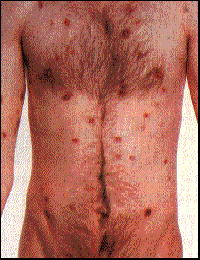
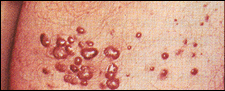
Pictures of the effects of Aids
[FONT=Verdana, Arial, Helvetica, sans-serif]Kaposi's sarcoma on the trunk and leg of a person affected with AIDS[/FONT]
Image source : Afraid To Ask http://www.afraidtoask.com


