


අඟහරු වෙත නොඑන ගමනක්
අඟහරු ග්රහලෝකය වෙත ගඟන ගාමීන් පිරිසක් යැවීමට නාසා සහ ජාත්යන්තර විද්යඥයන් කන්ඩයාමක් අලුත් සැලස්මක් ක්රියාත්මක කර ඇත.මේ ගගන ගාමීන් නැවත පෘතුවියට ගෙන ඒමට බලාපොරොත්තු නොවෙන බවත් , ඔවුන්ගේ මූලික කාර්යභාරය වන්නේ අඟහරු මත දිගටම රැඳී සිටිමින් මිනිස් ජනාවාස ඉදිකිරීම බවත්, මේ පිරිසට එකතු වීම සඳහා දිගින් දිගටම ගගනගාමින් අඟහරු වෙත යැවීම සිදු කරන බවද මේ විද්යඥයන් කන්ඩයාමෙ මූලික සැලස්ම වී ඇත. ඔවුන් දිගින් දිගටම මේ එකතුවන පිරිස් හරහා ජීවත් වීමට අවශ්යය කරන ආහාර, බෙහෙත් සහ තාක්ෂනික මෙවලම් අඟහරු වෙත යැවෙනු ඇත. පසුව මේ ගගන ගාමීන් අඟහරු තුල ඇති සම්පත් භාවිතා කරමින් ඔවුන්ට ස්වාධීනව ජීවත් වීමට අවශ්ය ආහාර, අමුද්රව්ය ඔවුන්ම නිපදවා ගත යුතුය.මේ සඳහා අවශ්යය තාක්ෂනය මේ වෙනවිට පෘතුවී මානවයන් සතු බවත්, අඟහරු මත ඒ සඳහා අවශ්යය අමුද්රව්යය ඇති බවත් ඔවුන් ප්රකාශ කරයි.අඟහරු වෙත යන එක ගමන් වාරයක් සඳහා මාස 6-9ක් පමණ ගත වේ.
NASA is planning a one-way mission to Mars in a programme called ‘Hundred Years Starship’ in which, a manned spacecraft will take astronauts to Mars and leave them there forever.
NASA Ames Director Pete Worden revealed that one of NASA’s main research centres, Ames Research Centre, has received 1 million dollars funding to start work on the project.
Mars is by far the most promising for sustained colonization and development because it is similar in many respects to Earth and, crucially, possesses a moderate surface gravity, an atmosphere, abundant water and carbon dioxide, together with a range of essential minerals.
“One approach could be to send four astronauts initially, two on each of two space craft, each with a lander and sufficient supplies, to stake a single outpost on Mars. A one-way human mission to Mars would be the first step in establishing a permanent human presence on the planet,” said Dirk Schulze-Makuch, a Washington State University associate professor.
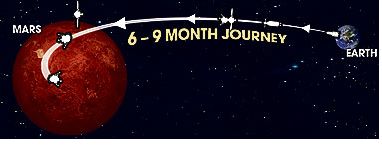

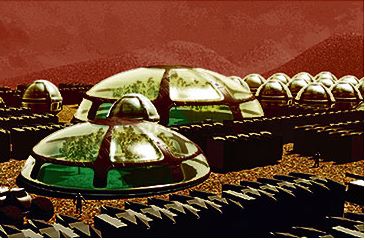
අඟහරු ග්රහලෝකය වෙත ගඟන ගාමීන් පිරිසක් යැවීමට නාසා සහ ජාත්යන්තර විද්යඥයන් කන්ඩයාමක් අලුත් සැලස්මක් ක්රියාත්මක කර ඇත.මේ ගගන ගාමීන් නැවත පෘතුවියට ගෙන ඒමට බලාපොරොත්තු නොවෙන බවත් , ඔවුන්ගේ මූලික කාර්යභාරය වන්නේ අඟහරු මත දිගටම රැඳී සිටිමින් මිනිස් ජනාවාස ඉදිකිරීම බවත්, මේ පිරිසට එකතු වීම සඳහා දිගින් දිගටම ගගනගාමින් අඟහරු වෙත යැවීම සිදු කරන බවද මේ විද්යඥයන් කන්ඩයාමෙ මූලික සැලස්ම වී ඇත. ඔවුන් දිගින් දිගටම මේ එකතුවන පිරිස් හරහා ජීවත් වීමට අවශ්යය කරන ආහාර, බෙහෙත් සහ තාක්ෂනික මෙවලම් අඟහරු වෙත යැවෙනු ඇත. පසුව මේ ගගන ගාමීන් අඟහරු තුල ඇති සම්පත් භාවිතා කරමින් ඔවුන්ට ස්වාධීනව ජීවත් වීමට අවශ්ය ආහාර, අමුද්රව්ය ඔවුන්ම නිපදවා ගත යුතුය.මේ සඳහා අවශ්යය තාක්ෂනය මේ වෙනවිට පෘතුවී මානවයන් සතු බවත්, අඟහරු මත ඒ සඳහා අවශ්යය අමුද්රව්යය ඇති බවත් ඔවුන් ප්රකාශ කරයි.අඟහරු වෙත යන එක ගමන් වාරයක් සඳහා මාස 6-9ක් පමණ ගත වේ.
NASA is planning a one-way mission to Mars in a programme called ‘Hundred Years Starship’ in which, a manned spacecraft will take astronauts to Mars and leave them there forever.
NASA Ames Director Pete Worden revealed that one of NASA’s main research centres, Ames Research Centre, has received 1 million dollars funding to start work on the project.
Mars is by far the most promising for sustained colonization and development because it is similar in many respects to Earth and, crucially, possesses a moderate surface gravity, an atmosphere, abundant water and carbon dioxide, together with a range of essential minerals.
“One approach could be to send four astronauts initially, two on each of two space craft, each with a lander and sufficient supplies, to stake a single outpost on Mars. A one-way human mission to Mars would be the first step in establishing a permanent human presence on the planet,” said Dirk Schulze-Makuch, a Washington State University associate professor.


