


ජීවමාන_ඡායාරූප_කොහොමද?
- The living photographs of Arthur Mole and John D. Thomas -
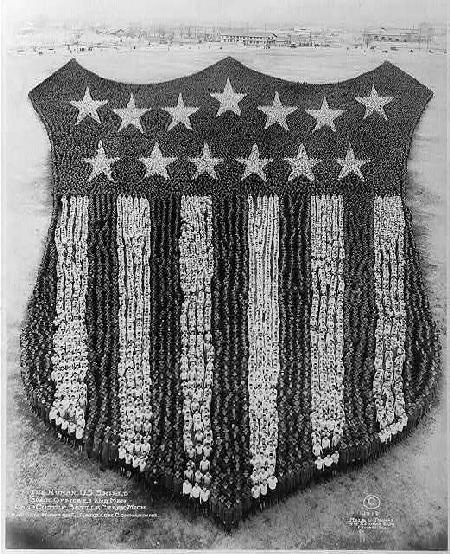
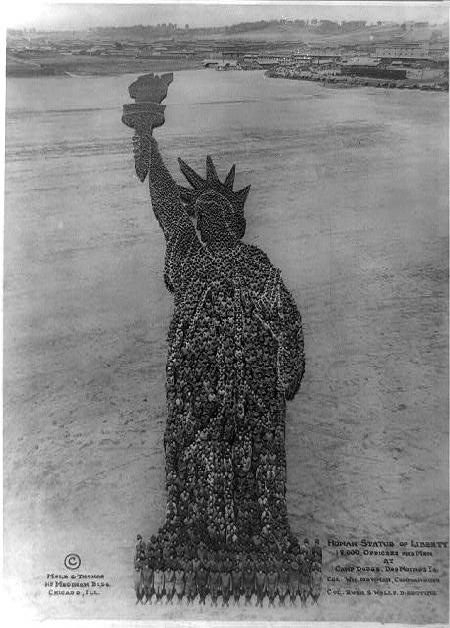
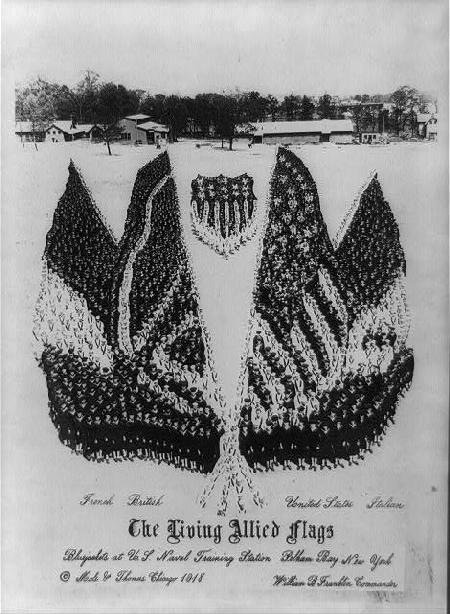
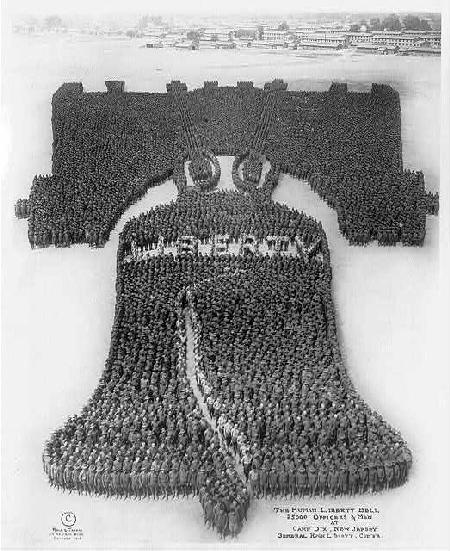
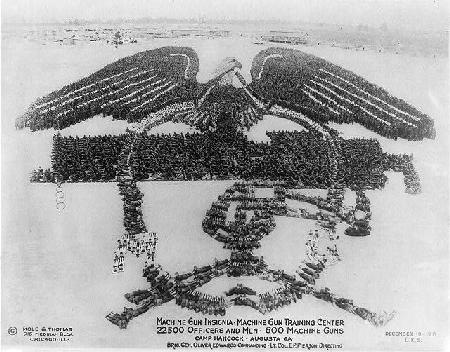
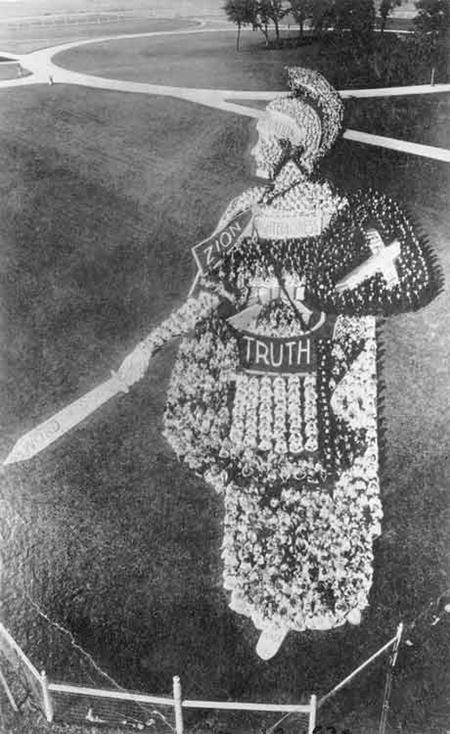
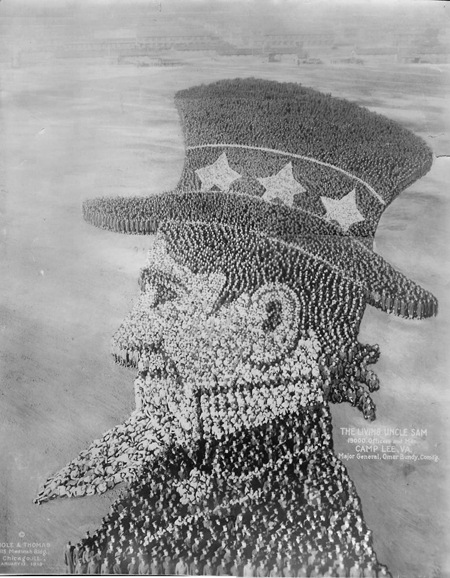
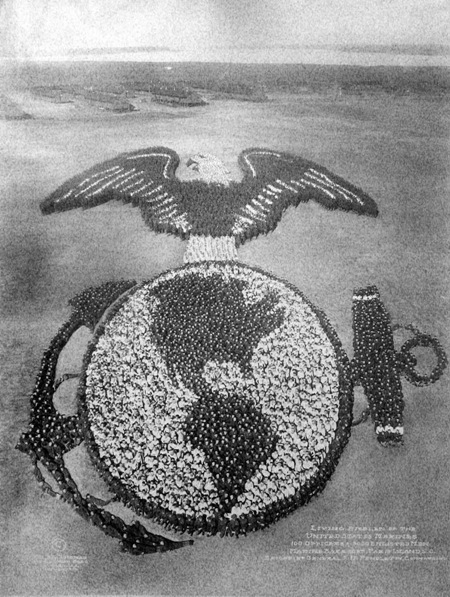
Arthur Mole and John Thomas, at a time when photography was still at it's nascent stage, produced a series of extraordinary photographic spectacles using large groups of people to form shapes of religious and national symbols. Arthur Mole initially developed this technique to create religious symbols photographing fellow church members. When the United States entered World War I, Mole and his colleague John Thomas turned to patriotic themes choreographing thousands of military troops and other groups to form American patriotic symbols, emblems, and military insignia. Arthur Mole photographed these formations from an 80-foot viewing tower using an 11 x 14-inch camera. Mole called them “living photographs.”
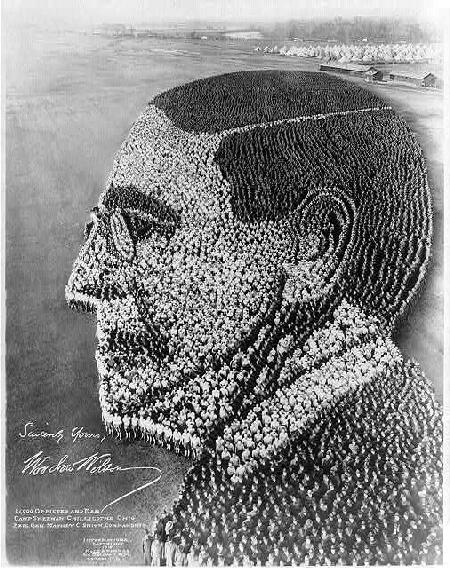
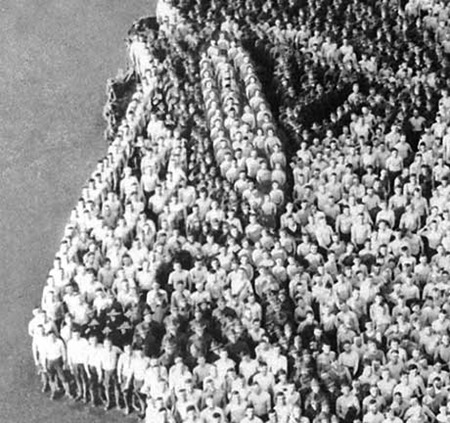
"Living Portrait of Woodrow Wilson" created in 1918 with 21,000 officers and men
හොදයිනම් සලකල ගියාට කාරියක් නැතෝ

Arthur Mole and John Thomas, at a time when photography was still at it's nascent stage, produced a series of extraordinary photographic spectacles using large groups of people to form shapes of religious and national symbols. Arthur Mole initially developed this technique to create religious symbols photographing fellow church members. When the United States entered World War I, Mole and his colleague John Thomas turned to patriotic themes choreographing thousands of military troops and other groups to form American patriotic symbols, emblems, and military insignia. Arthur Mole photographed these formations from an 80-foot viewing tower using an 11 x 14-inch camera. Mole called them “living photographs.”
"Living Portrait of Woodrow Wilson" created in 1918 with 21,000 officers and men
හොදයිනම් සලකල ගියාට කාරියක් නැතෝ


