මැරෙන්න කලින් බලන්නම ඕන තැන් ටිකක්
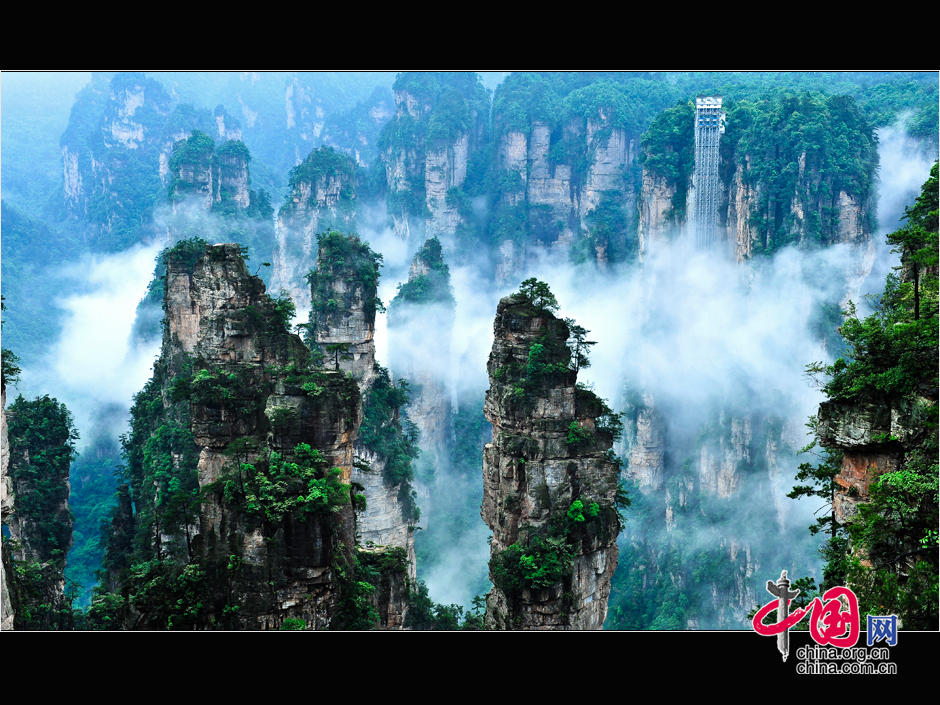
1.Tianzi Mountains, China
Tianzi Mountain (天子山) is located in Zhangjiajie in the Hunan Province of China, close to the Suoxi Valley.



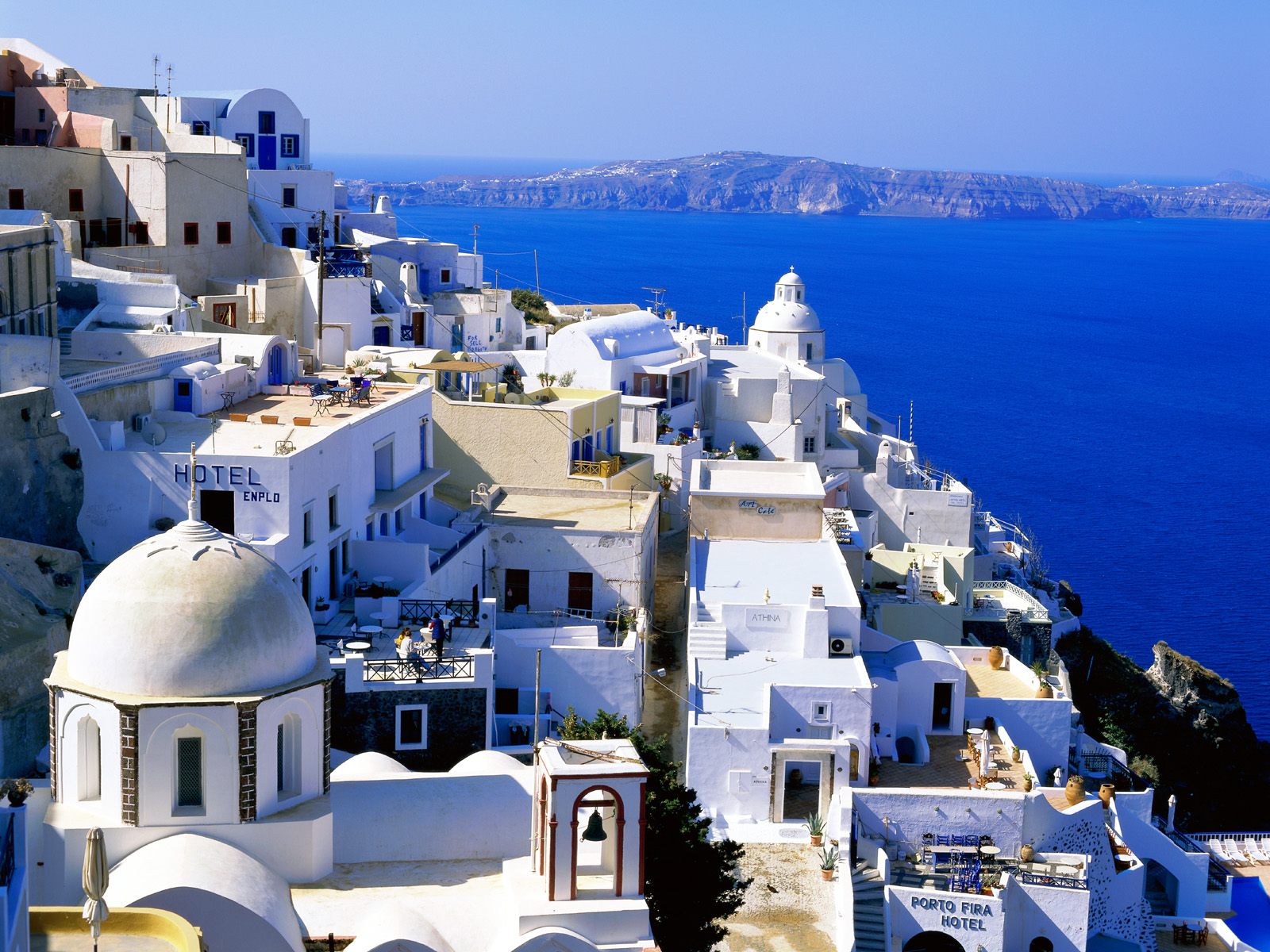
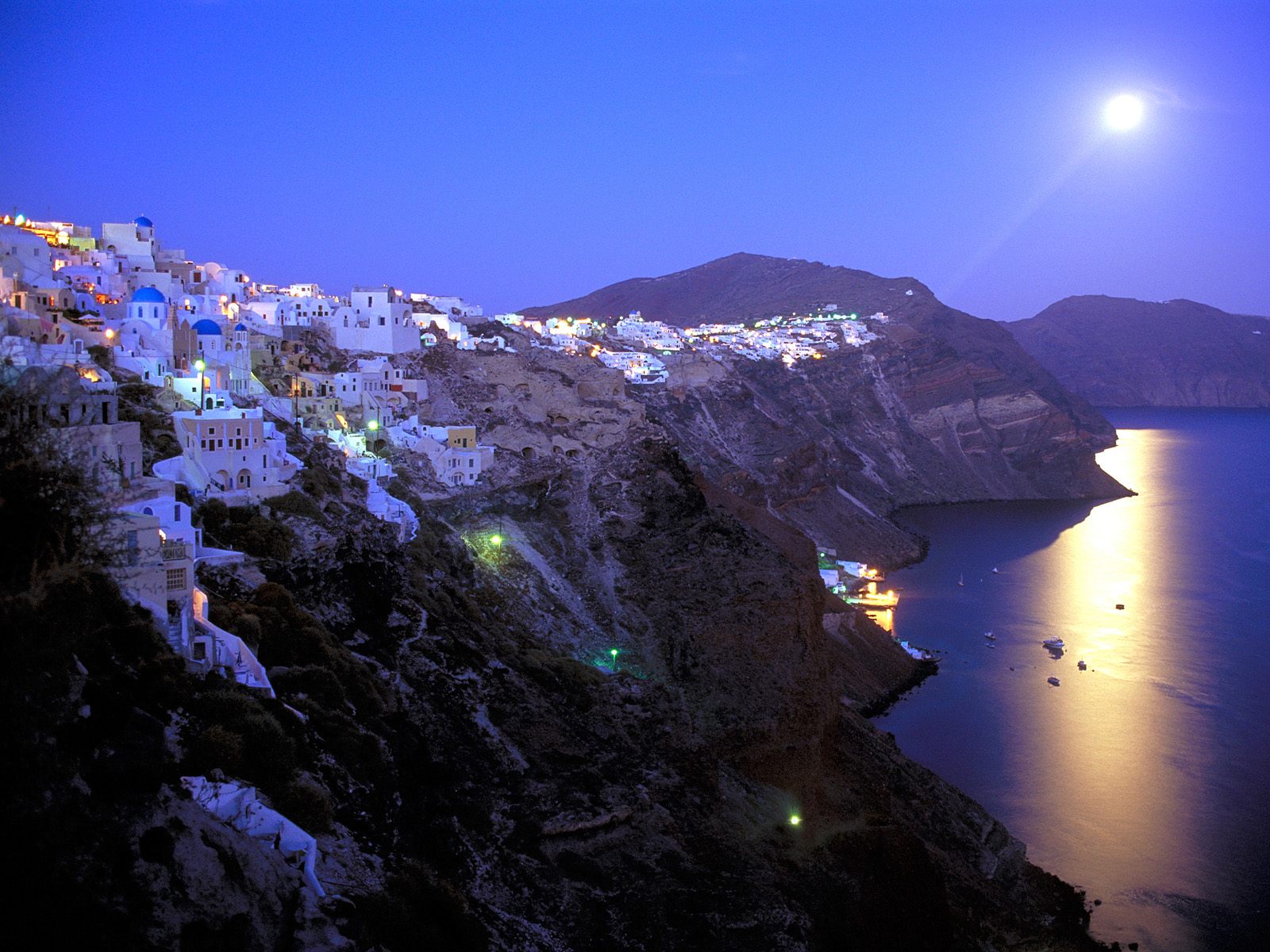
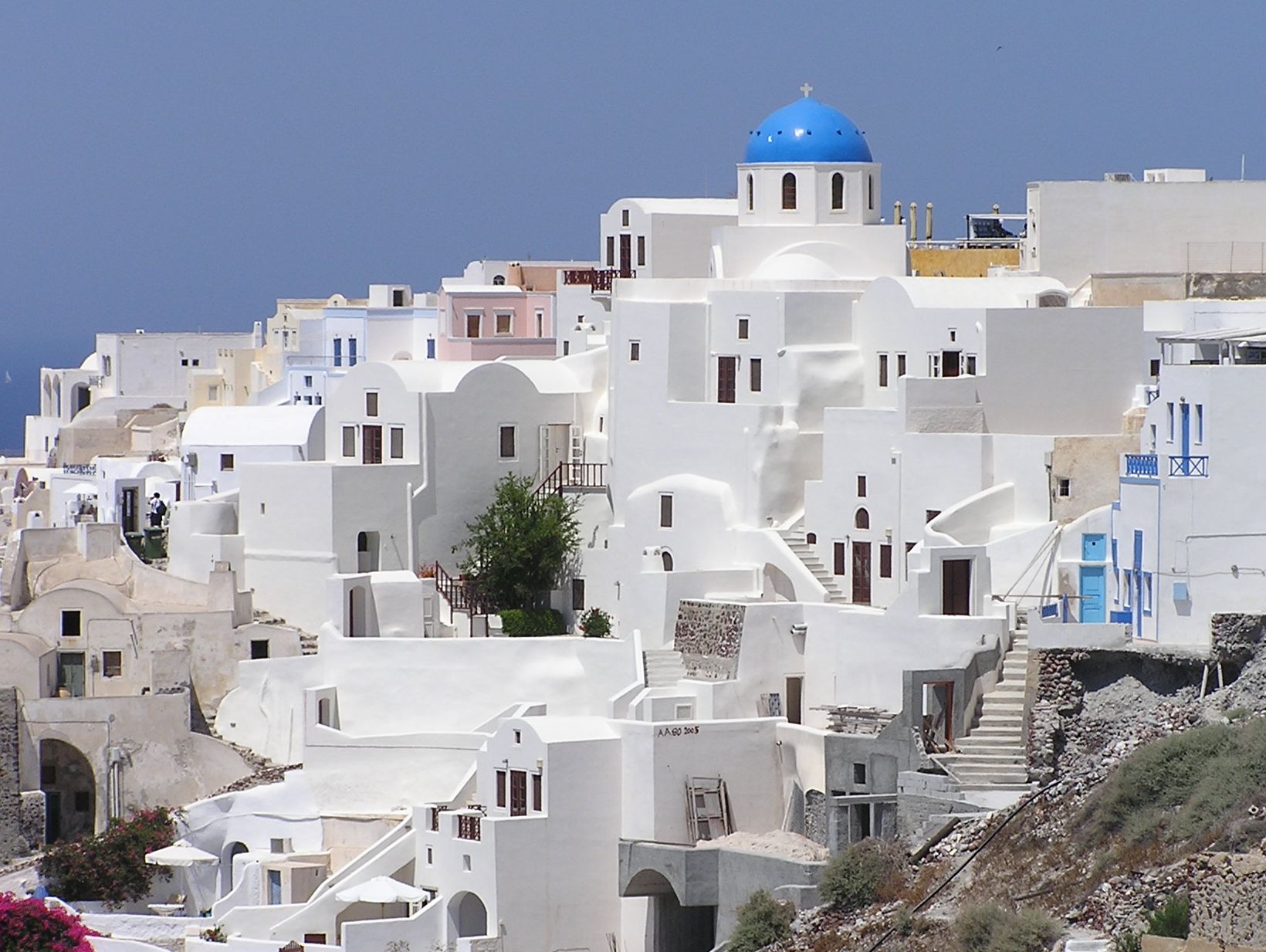
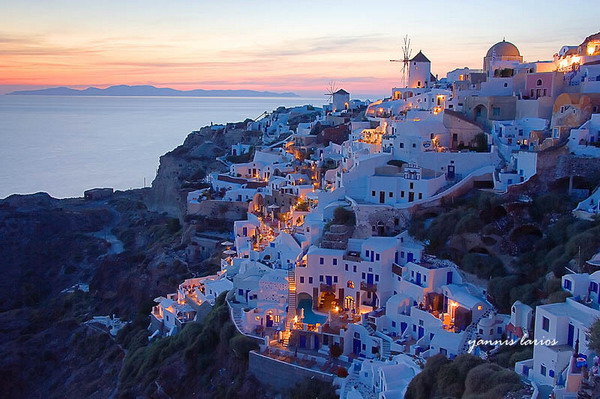
2.Santorini - Greece
Santorini is an island in the southern Aegean Sea, about 200 km (120 mi) southeast from Greece's mainland.It is the most active volcanic centre in the South Aegean Volcanic Arc, though what remains today is chiefly a water-filled caldera. The volcanic arc is approximately 500 km (310 mi) long and 20 to 40 km (12 to 25 mi) wide. The region first became volcanically active around 3–4 million years ago, though volcanism on Thera began around 2 million years ago with the extrusion of dacitic lavas from vents around the Akrotiri.


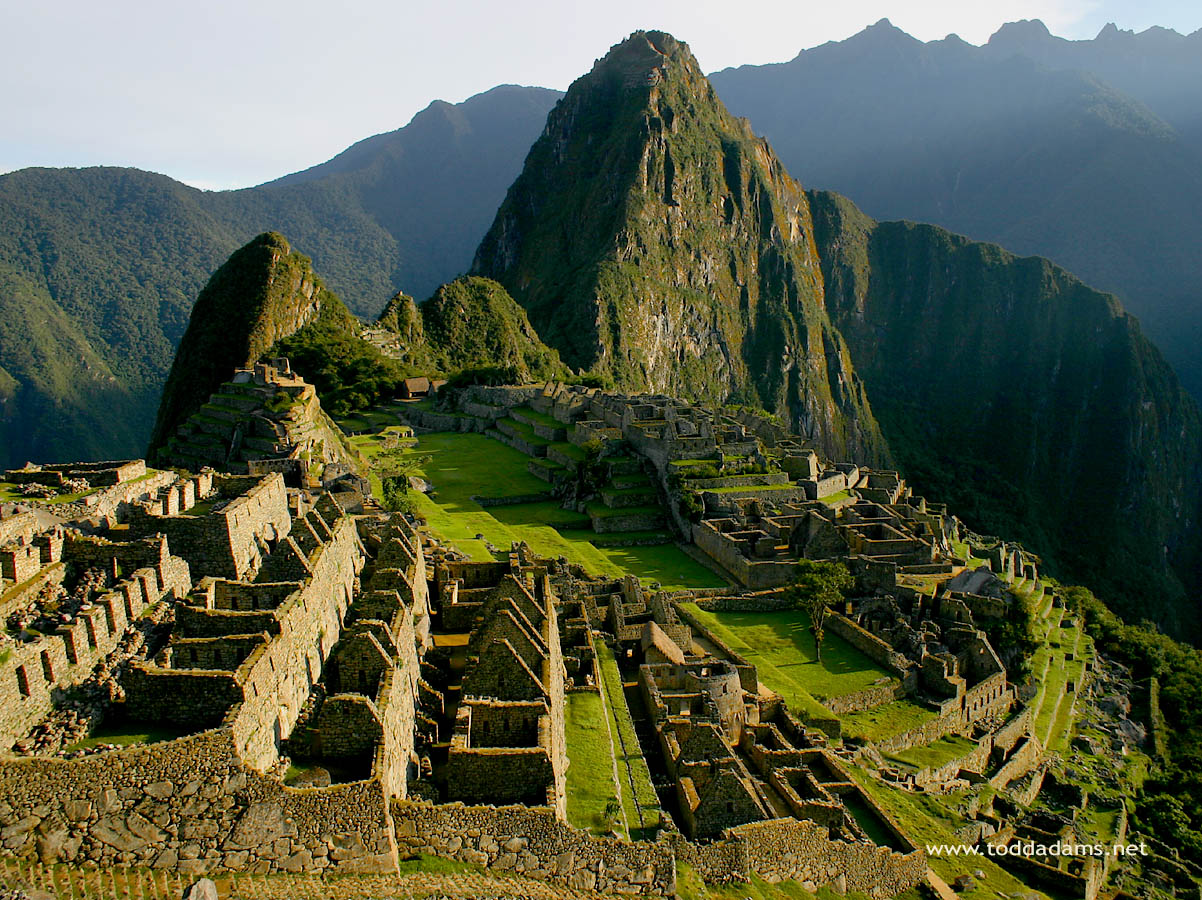
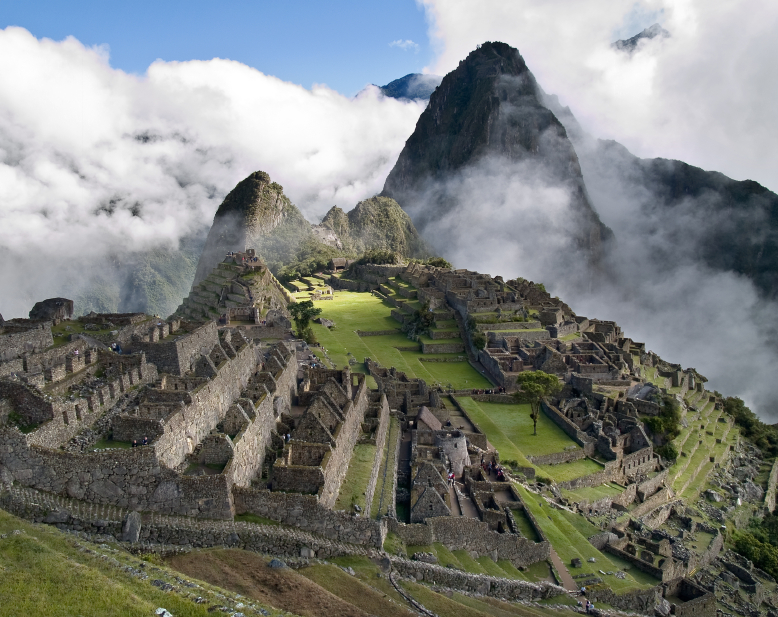
3. Machu Picchu
Machu Picchu is a 15th-century Inca site located 2,430 metres (7,970 ft) above sea level.[1][2] Machu Picchu is located in the Cusco Region of Peru, South America. It is situated on a mountain ridge above the Urubamba Valley in Peru, which is 80 kilometres (50 mi) northwest of Cusco and through which the Urubamba River flows. Mostarchaeologists believe that Machu Picchu was built as an estate for the Inca emperor Pachacuti (1438–1472). Often referred to as the "Lost City of the Incas", it is perhaps the most familiar icon of Inca civilization.


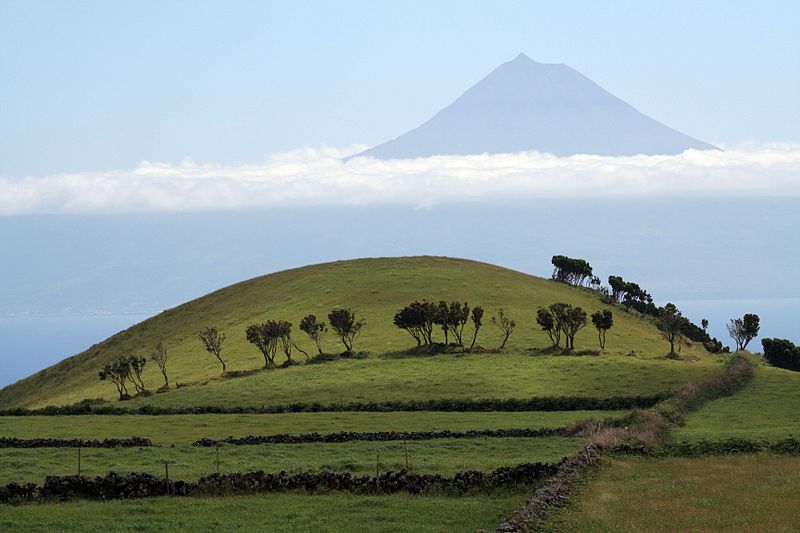
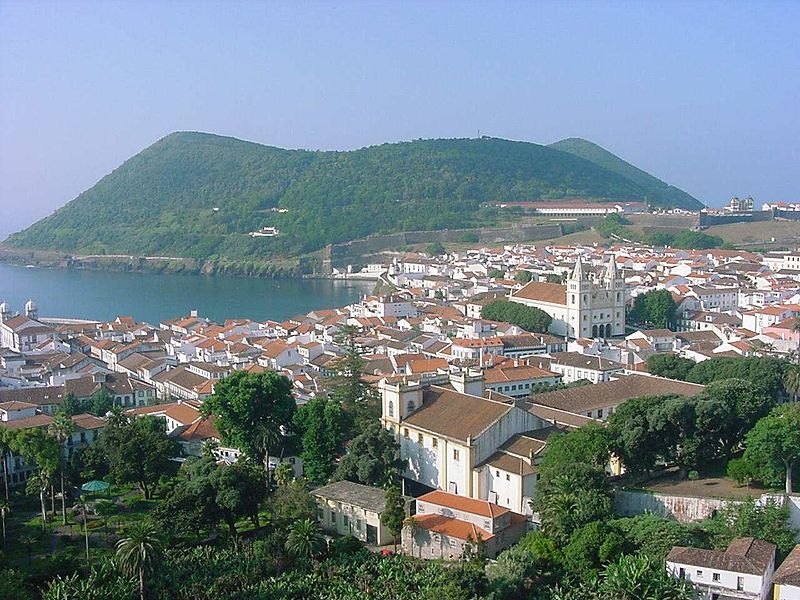
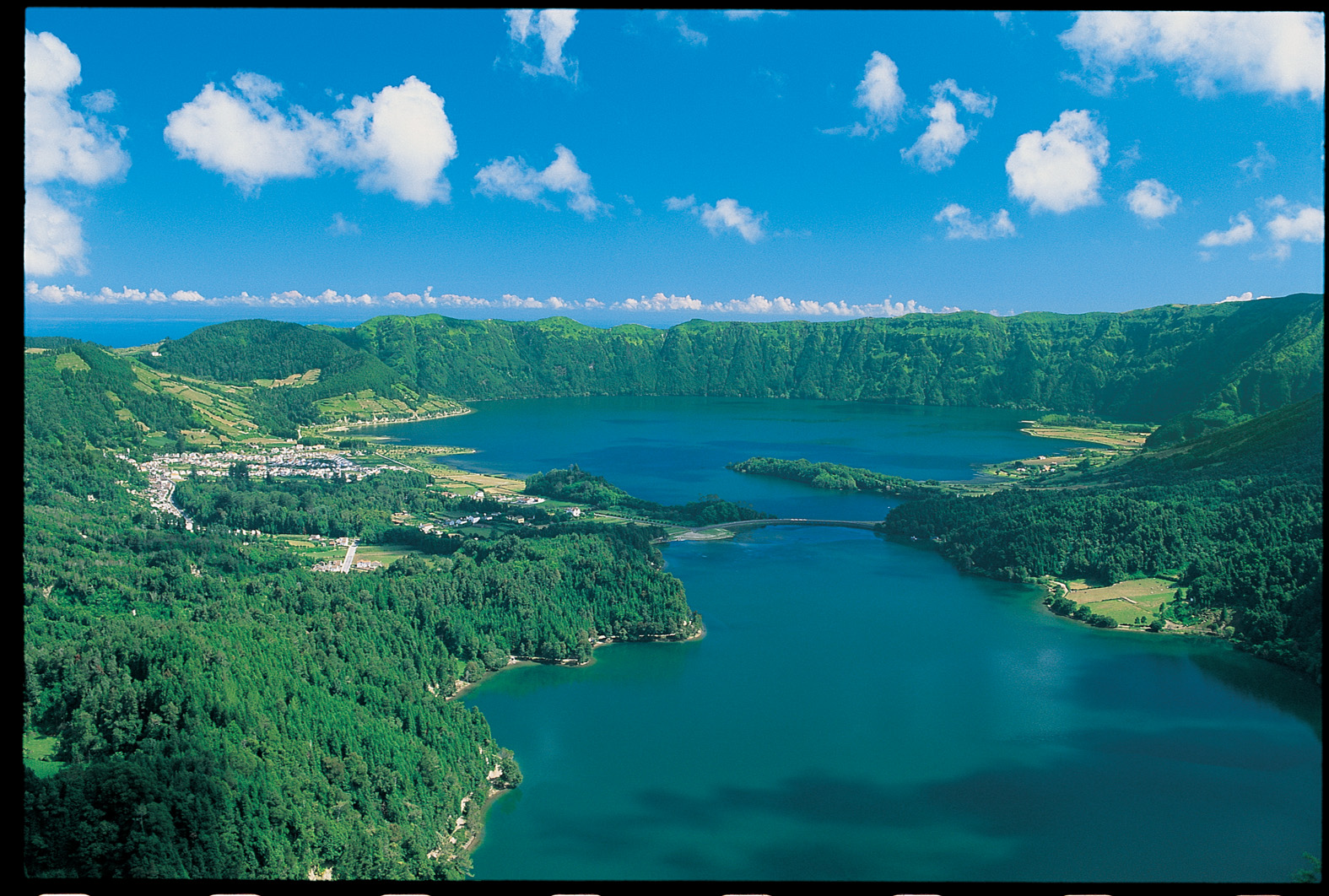
4. Archipelago of the Azores
The Archipelago of the Azores is composed of nine volcanic islands situated in the North Atlantic Ocean, and is located about 1,500 km west of Lisbon and about 1,900 km southeast of Newfoundland - Area - 2,346km²


5. Great Wall of China
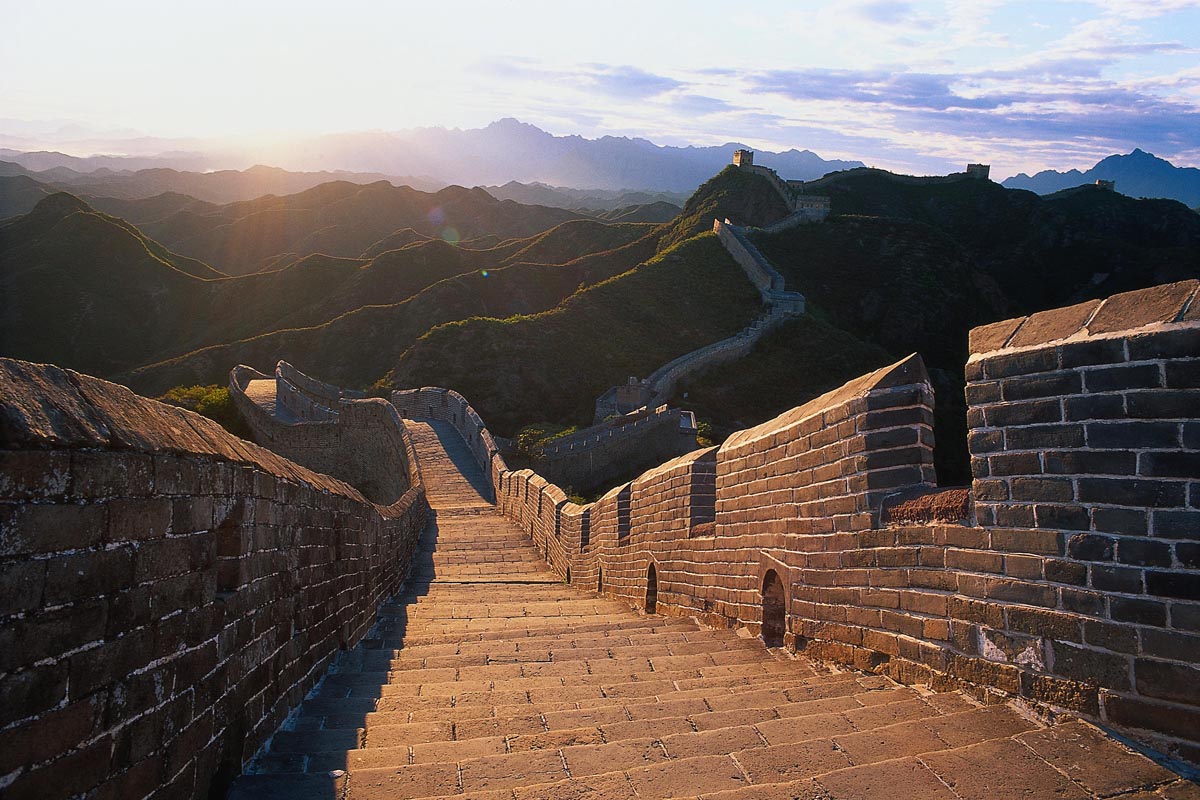
The Great Wall of China is a series of fortifications made of stone, brick, tamped earth, wood, and other materials, generally built along an east-to-west line across the historical northern borders of China in part to protect the Chinese Empire or its prototypical states against intrusions by various nomadic groups or military incursions by various warlike peoples or forces. Several walls were being built as early as the 7th century BC;[3] these, later joined together and made bigger, stronger, and unified are now collectively referred to as the Great Wall.[4] Especially famous is the wall built between 220–206 BC by the first Emperor of China, Qin Shi Huang. Little of that wall remains. Since then, the Great Wall has on and off been rebuilt, maintained, and enhanced; the majority of the existing wall was reconstructed during the Ming Dynasty.
The Great Wall stretches from Shanhaiguan in the east, to Lop Lake in the west, along an arc that roughly delineates the southern edge of Inner Mongolia. A comprehensive archaeological survey, using advanced technologies, has concluded that the Ming walls measure 8,850 km (5,500 mi).[5] This is made up of 6,259 km (3,889 mi) sections of actual wall, 359 km (223 mi) of trenches and 2,232 km (1,387 mi) of natural defensive barriers such as hills and rivers.[5] Another archaeological survey found that the entire wall with all of its branches measure out to be 21,196 km (13,171 mi).[6]

.jpg)


6. Petra - Jordan
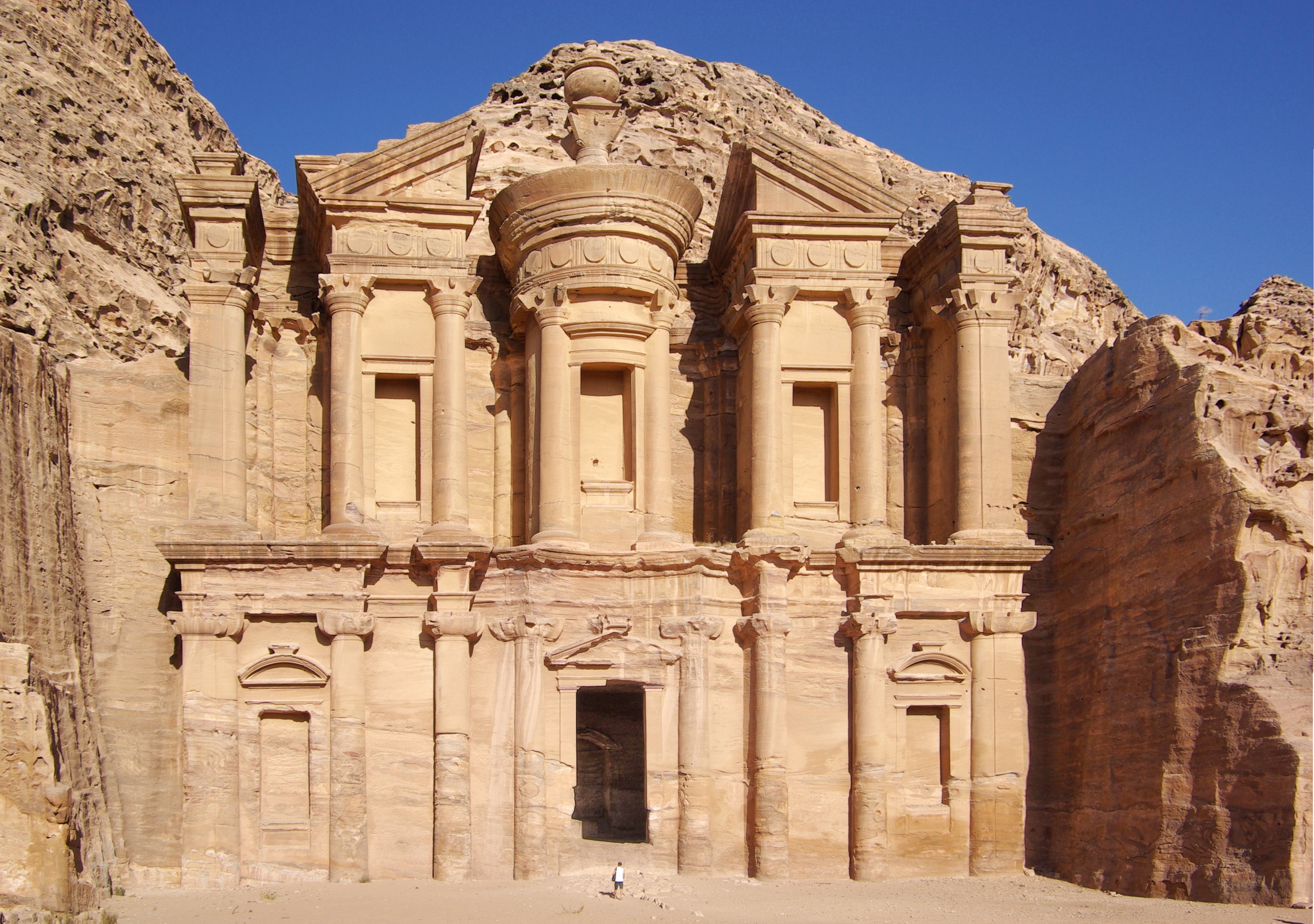
Petra is a historical and archaeological city in the southern Jordanian governorate of Ma'an, that is famous for its rock-cut architecture and water conduit system. Another name for Petra is the Rose City due to the color of the stone out of which it is carved.
Established possibly as early as 312 BC as the capital city of the Nabataeans,http://en.wikipedia.org/wiki/Petra#cite_note-1it is a symbol of Jordan, as well as its most-visited tourist attraction.http://en.wikipedia.org/wiki/Petra#cite_note-Jordan_Tourism_board-2It lies on the slope of Jebel al-Madhbah http://en.wikipedia.org/wiki/Petra#cite_note-WebsterNinthNewCollege-3in a basin among the mountains which form the eastern flank of Arabah.the large valley running from the Dead Sea to the Gulf of Aqaba. Petra has been a UNESCO World Heritage Site since 1985.



තව ලස්සන තැන් තියෙනවා . කට්ටියගේ ප්රතිචාර අනුව ඒවත් දාන්නම්

1.Tianzi Mountains, China
Tianzi Mountain (天子山) is located in Zhangjiajie in the Hunan Province of China, close to the Suoxi Valley.


2.Santorini - Greece
Santorini is an island in the southern Aegean Sea, about 200 km (120 mi) southeast from Greece's mainland.It is the most active volcanic centre in the South Aegean Volcanic Arc, though what remains today is chiefly a water-filled caldera. The volcanic arc is approximately 500 km (310 mi) long and 20 to 40 km (12 to 25 mi) wide. The region first became volcanically active around 3–4 million years ago, though volcanism on Thera began around 2 million years ago with the extrusion of dacitic lavas from vents around the Akrotiri.


3. Machu Picchu
Machu Picchu is a 15th-century Inca site located 2,430 metres (7,970 ft) above sea level.[1][2] Machu Picchu is located in the Cusco Region of Peru, South America. It is situated on a mountain ridge above the Urubamba Valley in Peru, which is 80 kilometres (50 mi) northwest of Cusco and through which the Urubamba River flows. Mostarchaeologists believe that Machu Picchu was built as an estate for the Inca emperor Pachacuti (1438–1472). Often referred to as the "Lost City of the Incas", it is perhaps the most familiar icon of Inca civilization.


4. Archipelago of the Azores
The Archipelago of the Azores is composed of nine volcanic islands situated in the North Atlantic Ocean, and is located about 1,500 km west of Lisbon and about 1,900 km southeast of Newfoundland - Area - 2,346km²


5. Great Wall of China
The Great Wall of China is a series of fortifications made of stone, brick, tamped earth, wood, and other materials, generally built along an east-to-west line across the historical northern borders of China in part to protect the Chinese Empire or its prototypical states against intrusions by various nomadic groups or military incursions by various warlike peoples or forces. Several walls were being built as early as the 7th century BC;[3] these, later joined together and made bigger, stronger, and unified are now collectively referred to as the Great Wall.[4] Especially famous is the wall built between 220–206 BC by the first Emperor of China, Qin Shi Huang. Little of that wall remains. Since then, the Great Wall has on and off been rebuilt, maintained, and enhanced; the majority of the existing wall was reconstructed during the Ming Dynasty.
The Great Wall stretches from Shanhaiguan in the east, to Lop Lake in the west, along an arc that roughly delineates the southern edge of Inner Mongolia. A comprehensive archaeological survey, using advanced technologies, has concluded that the Ming walls measure 8,850 km (5,500 mi).[5] This is made up of 6,259 km (3,889 mi) sections of actual wall, 359 km (223 mi) of trenches and 2,232 km (1,387 mi) of natural defensive barriers such as hills and rivers.[5] Another archaeological survey found that the entire wall with all of its branches measure out to be 21,196 km (13,171 mi).[6]

.jpg)


6. Petra - Jordan
Petra is a historical and archaeological city in the southern Jordanian governorate of Ma'an, that is famous for its rock-cut architecture and water conduit system. Another name for Petra is the Rose City due to the color of the stone out of which it is carved.
Established possibly as early as 312 BC as the capital city of the Nabataeans,http://en.wikipedia.org/wiki/Petra#cite_note-1it is a symbol of Jordan, as well as its most-visited tourist attraction.http://en.wikipedia.org/wiki/Petra#cite_note-Jordan_Tourism_board-2It lies on the slope of Jebel al-Madhbah http://en.wikipedia.org/wiki/Petra#cite_note-WebsterNinthNewCollege-3in a basin among the mountains which form the eastern flank of Arabah.the large valley running from the Dead Sea to the Gulf of Aqaba. Petra has been a UNESCO World Heritage Site since 1985.


තව ලස්සන තැන් තියෙනවා . කට්ටියගේ ප්රතිචාර අනුව ඒවත් දාන්නම්