


මදැයි ආසියාවටම සීනි දීලා එකෙන් විතරක් රට දියුණු කරන්න හිටියා 

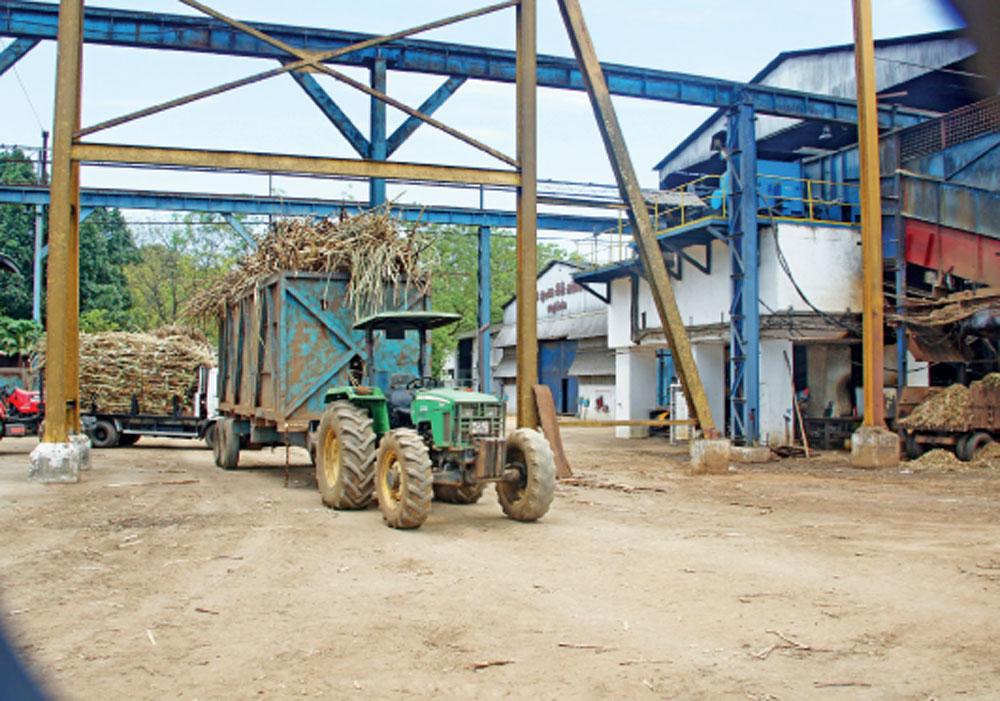
The primary reason behind the collapse of Pelwatte Sugar Industries is its inability to sell the sugar and spirits it has produced. The picture shows sugarcane being transported in tractors for the purpose of making sugar
By Prageeth Sampath Karunathilaka and Sudharika Gurusinghe
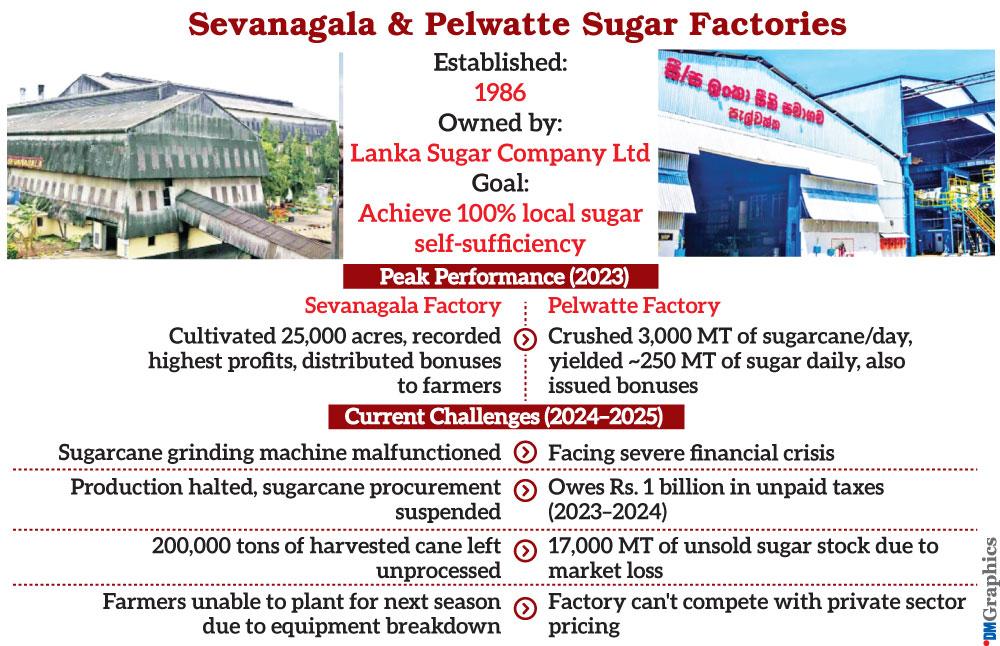
Sevanagala and Pelwatte sugar factories, owned by Lanka Sugar Company Ltd, were established in 1986 (ඔව් ඔව් ඒකත් UNP කාලේ වැඩක් ) with the aim of meeting 100 percent of the country’s sugar requirement through local production. Lanka Sugar Company Ltd Sevanagala, which cultivates approximately 25,000 acres of sugarcane, recorded its highest profits last year. It even distributed bonuses to sugarcane farmers as part of its profit-sharing scheme. However, a recent technical fault caused the factory’s sugarcane grinding machines to stop production. This incident brought to light internal issues within the Sevanagala factory that had previously remained hidden.
According to employees of Lanka Sugar Company Ltd, this situation has arisen due to irregularities associated with the management of the factory. Sevanagala factory with a 25,000-acre sugarcane plantation recorded its highest profit during the tenure of the previous government. Over the past few months, the factory has experienced a significant decline, according to its employees. Just last week, a malfunctioning in one of its machines forced the suspension of sugarcane procurement. As a result, farmers are facing a serious crisis and unable to sell their harvested sugarcane. The factory’s management reportedly informed the farmers that, due to financial losses, they are unable to purchase the harvest.
The Farmers’ associations maintained that the machinery of the factory and equipment have been out of order since the final week of last month, resulting in continuous losses for the company. Representatives of these associations stated that factory officials have informed them that they are currently unable to purchase the harvest of sugarcane farmers. According to the farmers’ associations, approximately 200,000 tons of sugarcane harvested during the second quarter has now accumulated. However, it hasn’t been possible to process this harvest due to the malfunctioning machinery and equipment. Farmers are also unable to prepare the land or plant the necessary crops for the upcoming sugarcane season, as the equipment needed for land preparation is also in disrepair. Representatives further said that the expected yield from Sevanagala area is unlikely to be achieved in the next season.
When this newspaper visited Sevanagala on last month to observe the situation firsthand, it could be observed that a large number of tractor trailers loaded with harvested sugarcane were parked near the factory. Many of these trailers had remained stationary for several days. Under normal circumstances, if the machinery were operating, these trailers would not be parked in various locations, but would enter the factory in sequence and begin unloading sugarcane for the grinding process. However, no such activity was taking place at Sevanagala factory, at the time this newspaper made the visit there. At Pelwatte Sugar Industries, large lorries and tractors carrying sugarcane were parked in an orderly line. There, this scribe could witness vehicles entering the factory in succession. The factory was the place where the grinding process of sugarcane was actively underway.
The primary reason behind the collapse of Pelwatte Sugar Industries is its inability to sell the sugar and spirits it has produced. The picture shows sugarcane being transported in tractors for the purpose of making sugar
By Prageeth Sampath Karunathilaka and Sudharika Gurusinghe

The gates to the entrance of Lanka Sugar Company Ltd Sevanagala are seen closed, indicating the crisis experienced by the industry |
) with the aim of meeting 100 percent of the country’s sugar requirement through local production. Lanka Sugar Company Ltd Sevanagala, which cultivates approximately 25,000 acres of sugarcane, recorded its highest profits last year. It even distributed bonuses to sugarcane farmers as part of its profit-sharing scheme. However, a recent technical fault caused the factory’s sugarcane grinding machines to stop production. This incident brought to light internal issues within the Sevanagala factory that had previously remained hidden.According to employees of Lanka Sugar Company Ltd, this situation has arisen due to irregularities associated with the management of the factory. Sevanagala factory with a 25,000-acre sugarcane plantation recorded its highest profit during the tenure of the previous government. Over the past few months, the factory has experienced a significant decline, according to its employees. Just last week, a malfunctioning in one of its machines forced the suspension of sugarcane procurement. As a result, farmers are facing a serious crisis and unable to sell their harvested sugarcane. The factory’s management reportedly informed the farmers that, due to financial losses, they are unable to purchase the harvest.
The Farmers’ associations maintained that the machinery of the factory and equipment have been out of order since the final week of last month, resulting in continuous losses for the company. Representatives of these associations stated that factory officials have informed them that they are currently unable to purchase the harvest of sugarcane farmers. According to the farmers’ associations, approximately 200,000 tons of sugarcane harvested during the second quarter has now accumulated. However, it hasn’t been possible to process this harvest due to the malfunctioning machinery and equipment. Farmers are also unable to prepare the land or plant the necessary crops for the upcoming sugarcane season, as the equipment needed for land preparation is also in disrepair. Representatives further said that the expected yield from Sevanagala area is unlikely to be achieved in the next season.
When this newspaper visited Sevanagala on last month to observe the situation firsthand, it could be observed that a large number of tractor trailers loaded with harvested sugarcane were parked near the factory. Many of these trailers had remained stationary for several days. Under normal circumstances, if the machinery were operating, these trailers would not be parked in various locations, but would enter the factory in sequence and begin unloading sugarcane for the grinding process. However, no such activity was taking place at Sevanagala factory, at the time this newspaper made the visit there. At Pelwatte Sugar Industries, large lorries and tractors carrying sugarcane were parked in an orderly line. There, this scribe could witness vehicles entering the factory in succession. The factory was the place where the grinding process of sugarcane was actively underway.

Although Pelwatte Sugar Industries has set varying prices for its sugar, it is now facing severe challenges due to its inability to sell at a competitive price |


 10% ක් දූර කාලය ඉවරයි. මොන පකක් කරනවද මන්ද.


