

Latest ads
-
I'll research & write an article - Rs. 2000 onwards
- Blogerwiki
- Updated:
-
 House Plan
- lenura
- Updated:
-
 iphone x used
- AssassiN1
- Updated:
-
 කිතුල් තලප
- Manoj Suranga Bandara
- Updated:
හිනා වෙන්නෙපා හරිය.... 😂🤣😂🤣 පාර් ලිමේන්තු අවතාරය...
- Thread starter netudara
- Start date
You are using an out of date browser. It may not display this or other websites correctly.
You should upgrade or use an alternative browser.
You should upgrade or use an alternative browser.


dan kathanayake saramak gahanda inna oone


ඇත්තද බං ලපයක් තියෙන එකෙක් දැන් ලංකාවේ ජනාධිපති කියන්නෙ?


මූ යටිං කට්ටක් ගහලා බං. ඒකයි වැඩියම කැතඕක හෝදනවා ඇතිනේ...අනාදිමත් කාලෙක ඉඳල ඕක දානවනේ....ඒ උනාට කරු ජයසූරිය එහෙම දැම්මාම පට්ට ලූක් එකක් එන්නේ..මු නම් ලපයි සිපැයි වගේ...
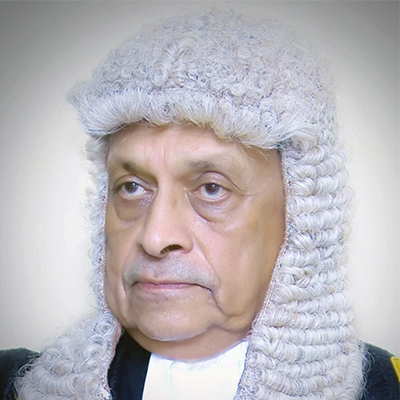

The headgear you're referring to is called a peruke or wig, traditionally worn in Sri Lanka by the Speaker of Parliament, judges, and other officials. This practice has its roots in colonial-era traditions inherited from the British legal and parliamentary systems. Here's an explanation of its significance and the wisdom behind it:ඒ තොප්පියයි, කරේ තියන අන්ඩර්ස්කර්ට් එකයි, කවුරු ආවත් වෙනස් වෙන්නේ නැත්තේ ඒවා ස්ථාවර නියෝගද බං. නිකං විහිලුවක් වගේ ඒ කිට් එක නම්.
What is it?
- Peruke/Wig: A peruke is a type of ceremonial wig made of horsehair or synthetic fibers. It's styled to resemble the wigs worn in 18th-century Britain.
- These wigs are often white or gray and can vary in length, with judges typically wearing longer, more elaborate wigs.
Why is it worn?
- Symbol of Authority and Impartiality:
- The wig signifies the authority of the office bearer, such as a judge or the Speaker.
- It acts as a symbol of impartiality, suggesting that decisions are made not by the individual but by the office they represent.
- Historical Tradition:
- Introduced during British colonial rule (1796–1948), the practice was part of the British legal and governmental systems, where wigs were worn as formal attire by officials in courts and parliaments.
- The tradition was retained in Sri Lanka even after independence as a mark of continuity and respect for the institutions established during colonial times.
- Uniformity and Professionalism:
- Wigs and robes create a standardized appearance for officials, emphasizing their role over personal identity.
- It contributes to the formality and decorum of legal and parliamentary proceedings.
- Cultural Adaptation:
- While rooted in colonial history, the wig in Sri Lanka has become a part of the local ceremonial and institutional culture, often adapted slightly in style to suit local customs.
The Wisdom Behind It
- Distinction of Roles: The wig helps to visually distinguish the role of a judge or parliamentary speaker from others, underlining their unique responsibility and neutrality.
- Historical Continuity: Retaining this tradition pays homage to the legal and parliamentary systems’ long-standing heritage.
- Focus on the Office, Not the Person: By obscuring personal characteristics like hair, the wig ensures the focus remains on the office and its duties rather than the individual.
පව් උට්ටෝ උඹdan kathanayake saramak gahanda inna oone


සිරාවටඕක හෝදනවා ඇතිනේ...අනාදිමත් කාලෙක ඉඳල ඕක දානවනේ....ඒ උනාට කරු ජයසූරිය එහෙම දැම්මාම පට්ට ලූක් එකක් එන්නේ..මු නම් ලපයි සිපැයි වගේ...
------ Post added on Nov 21, 2024 at 9:39 PM
හත් දෙයියනේ....ඒකනේ බං මන් මේ බැලුවේ මොකක්ද මේ වෙනස කියලා... ට හුඩු....ආයියු...... ගම කාලා... ෂුවර් එකටම මොකෙක් හරි ලන්නක් දීලා..
මූ යටිං කට්ටක් ගහලා බං. ඒකයි වැඩියම කැත

The headgear you're referring to is called a peruke or wig, traditionally worn in Sri Lanka by the Speaker of Parliament, judges, and other officials. This practice has its roots in colonial-era traditions inherited from the British legal and parliamentary systems. Here's an explanation of its significance and the wisdom behind it:
What is it?
- Peruke/Wig: A peruke is a type of ceremonial wig made of horsehair or synthetic fibers. It's styled to resemble the wigs worn in 18th-century Britain.
- These wigs are often white or gray and can vary in length, with judges typically wearing longer, more elaborate wigs.
Why is it worn?
- Symbol of Authority and Impartiality:
- The wig signifies the authority of the office bearer, such as a judge or the Speaker.
- It acts as a symbol of impartiality, suggesting that decisions are made not by the individual but by the office they represent.
- Historical Tradition:
- Introduced during British colonial rule (1796–1948), the practice was part of the British legal and governmental systems, where wigs were worn as formal attire by officials in courts and parliaments.
- The tradition was retained in Sri Lanka even after independence as a mark of continuity and respect for the institutions established during colonial times.
- Uniformity and Professionalism:
- Wigs and robes create a standardized appearance for officials, emphasizing their role over personal identity.
- It contributes to the formality and decorum of legal and parliamentary proceedings.
- Cultural Adaptation:
- While rooted in colonial history, the wig in Sri Lanka has become a part of the local ceremonial and institutional culture, often adapted slightly in style to suit local customs.
The Wisdom Behind It
Today, the practice is often debated, with some advocating for modern attire to replace it, while others argue for its historical and ceremonial significance.
- Distinction of Roles: The wig helps to visually distinguish the role of a judge or parliamentary speaker from others, underlining their unique responsibility and neutrality.
- Historical Continuity: Retaining this tradition pays homage to the legal and parliamentary systems’ long-standing heritage.
- Focus on the Office, Not the Person: By obscuring personal characteristics like hair, the wig ensures the focus remains on the office and its duties rather than the individual.
අපි කොලනි නිගාස් ලා බොලව්.
අපේ උන් සිංහල වචන දහයක් කියද්දී ඉංගිරිසි වචන 5ක් වත් අස්සේ ඔබනවා, ඒක තමයි කොලනි ගැම්ම.


Similar threads


- Replies
- 15
- Views
- 652
- Replies
- 41
- Views
- 2K