


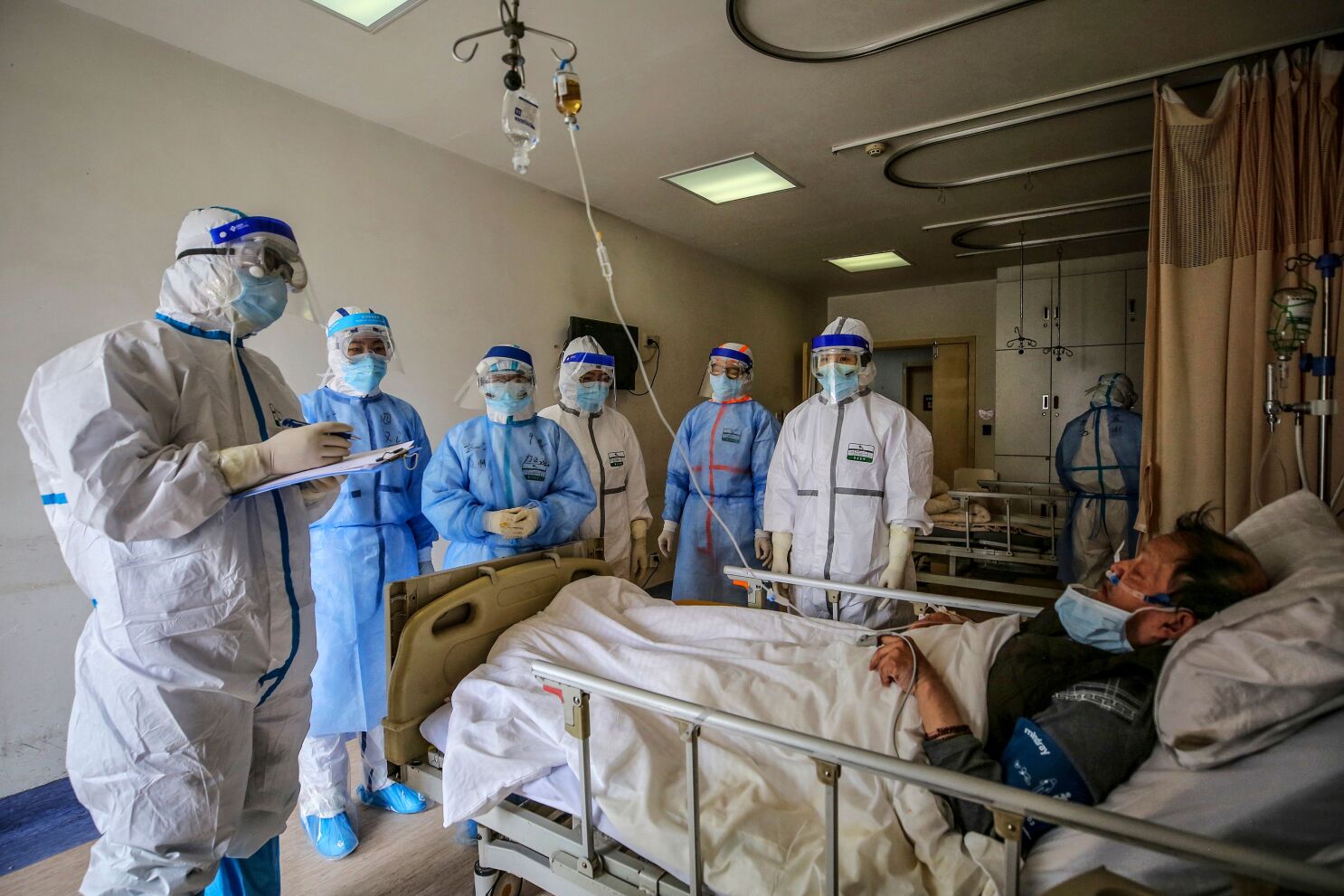
The list of COVID-19 symptoms has been expanding as scientists learn more about the virus, ranging from feeling feverish to a loss in taste and smell. According to a new study, neurological symptoms like depression and anxiety are also showing to be common in those who have contracted COVID-19 — even in more mild cases. The review surveyed 215 studies, comprised of a total of 105,638 COVID-19 patients, between January and July of last year. It was published Thursday in the BMJ Journal of Neurology, Neurosurgery & Psychiatry.
Jonathan Rogers, who led the review, told Global News his team of researchers expected to see “a bit of a gradient” in terms of the severity and prevalence of the COVID-19 symptoms.“We thought that as people had more severe COVID, you would see more frequent and more severe neurological and psychiatric presentations,” he said.“We didn’t find that. And actually, for some symptoms, we found the reverse.”Instead, Rogers said symptoms such as headaches, muscle aches and anosmia — which is the loss of smell — were more common in mild patients.
According to the systematic review, anosmia accounted for the highest reported symptom, found in 43 per cent of respondents. Forty per cent of COVID-19 patients surveyed also reported feeling weakness, while 38 per cent said they felt fatigued, 37 per cent reported dysgeusia — loss of taste — while 23 per cent said they felt depression and 16 per cent reported developing anxiety. More severe symptoms such as ischaemic stroke, hemorrhagic strokes and seizures were reported less frequently, occurring in 1.9 per cent, 0.4 per cent and 0.06 per cent of respondents respectively. Rogers said a majority of these symptoms will look similar to non-COVID-19 induced mental health problems, which could make them more difficult to spot in patients.
In terms of what could cause more severe symptoms, Rogers said there were several factors at work, including a lack of oxygen to the brain, inflammation, delirium and hypoxia — a lower level of oxygen found in the blood — in acute cases of COVID-19.
“We also can’t separate it from the psychological stress of this severe illness and the social isolation that goes along with it,” he added. The studies used by researchers were overrepresented by hospitalized patients, who accounted for 54.9 per cent of the review’s sample size, while 67 per cent of respondents said they suffered “acute illness.”But despite that, the data showed “several symptoms, such as anosmia, dysgeusia, fatigue, headache and myalgia, are common even among those with milder illness.”Mental health professionals have been waving a red flag on the pandemic’s inadvertent psychological risks, as well as the psychiatric of contracting COVID-19 since its onset. A study published in The Lancet medical journal in November last year found that 18 per cent of COVID-19 patients developed some sort of mental health issue, like depression or dementia.

Mental health experts told Global News then that a person’s mental health could be impacted greatly after being diagnosed with a potentially life-threatening disease. What needs to be done now with the review’s findings, according to Rogers, is a look at how to better treat and prevent some of these symptoms in future patients. Some symptoms and conditions, like strokes and delirium, have treatments readily available, he said, noting, however, that treatments to prevent the risk of more neurological conditions needed “a lot more work.”
One specific condition Rogers said could be treated or worked on right away, though, is PTSD caused by contracting COVID-19.“I think, in terms of treatment, people have got most excited by PTSD because it’s the mental disorder that you can most clearly link to a specific event,” said Rogers, noting that some therapies, like virtual reality therapy, could be used on a large-scale basis to treat those with the disorder. Lastly, Rogers raised an important issue revolving around mental health problems caused by COVID-19 and those caused by the government’s response to the pandemic.“We know that just among the general population, depressive and anxious symptoms are way more common than they were pre-COVID, and so I think governments have a very difficult task in balancing the risks of COVID and the risks of lockdown,” he said.
Experts have warned that the stringent lockdowns stemming from concurrent waves of the pandemic have left many feeling isolated and alone, without having contact with others for extended periods of time. In an April interview with Global News, University of Toronto psychiatrist and professor Roger McIntyre pointed to Ontario’s most recent lockdown, which incited “rage and despair” against Premier Doug Ford.McIntyre noted that the unpredictability of provinces having to move into lockdown, despite the increasing ramp-up in COVID-19 vaccinations, created “the straw breaking the camel’s back for many people.”
globalnews.ca


