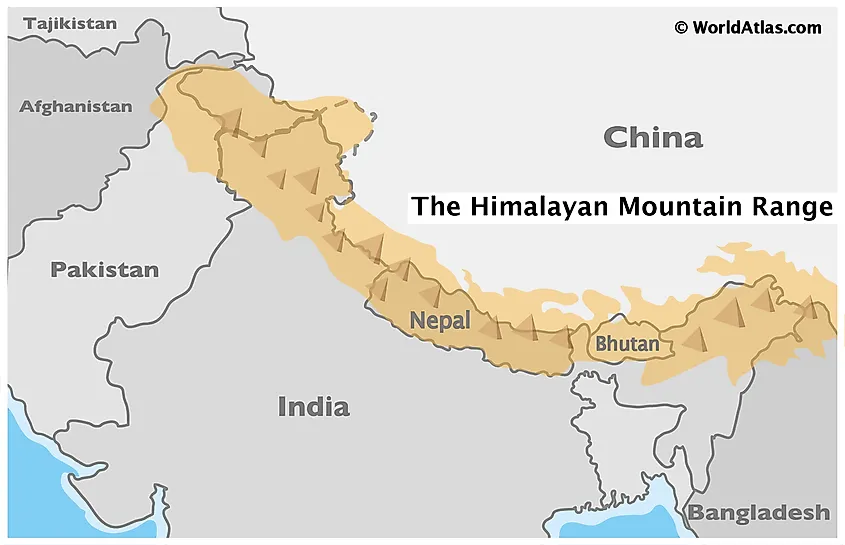
It starts with the map of the world familiar to everyone. Then India rapidly moves south, followed by parts of Southeast Asia as the past continent of Gondwana forms in the Southern Hemisphere.
Around 200 million years ago (Ma or mega-annum in the reconstruction), when the dinosaurs walked the earth, Gondwana linked with North America, Europe and northern Asia to form a large supercontinent called Pangea.
Then, the reconstruction carries on back through time. Pangea and Gondwana were themselves formed from older plate collisions. As time rolls back, an earlier supercontinent called Rodinia appears. It doesn't stop here. Rodinia, in turn, is formed by the break-up of an even older supercontinent called Nuna about 1.35 billion years ago.
The first evidence for complex cells with nuclei—like all animal and plant cells—dates to 1.65 billion years ago.
Published by Xianzhi Cao et al.
Around 200 million years ago (Ma or mega-annum in the reconstruction), when the dinosaurs walked the earth, Gondwana linked with North America, Europe and northern Asia to form a large supercontinent called Pangea.
Then, the reconstruction carries on back through time. Pangea and Gondwana were themselves formed from older plate collisions. As time rolls back, an earlier supercontinent called Rodinia appears. It doesn't stop here. Rodinia, in turn, is formed by the break-up of an even older supercontinent called Nuna about 1.35 billion years ago.
The first evidence for complex cells with nuclei—like all animal and plant cells—dates to 1.65 billion years ago.
Published by Xianzhi Cao et al.