


Your next smartphone and TV will cost 6.9% more in 2026: Here’s why
The global AI boom is putting a huge strain on the supply of many shared components, such as memory and storage.Google, Meta, Amazon, Nvidia, OpenAI, and others are devouring memory for their data centers.
And when hyperscalers buy tens of millions of chips at a time, the less-profitable consumer tech and smartphone segment becomes a second priority.
Samsung, SK Hynix, Micron, and others — the top DRAM and NAND suppliers for smartphones, tablets, and other devices — are directing their resources towards the high-margin enterprise market for AI servers.
That means fewer units for consumer electronics, driving up prices across the board.
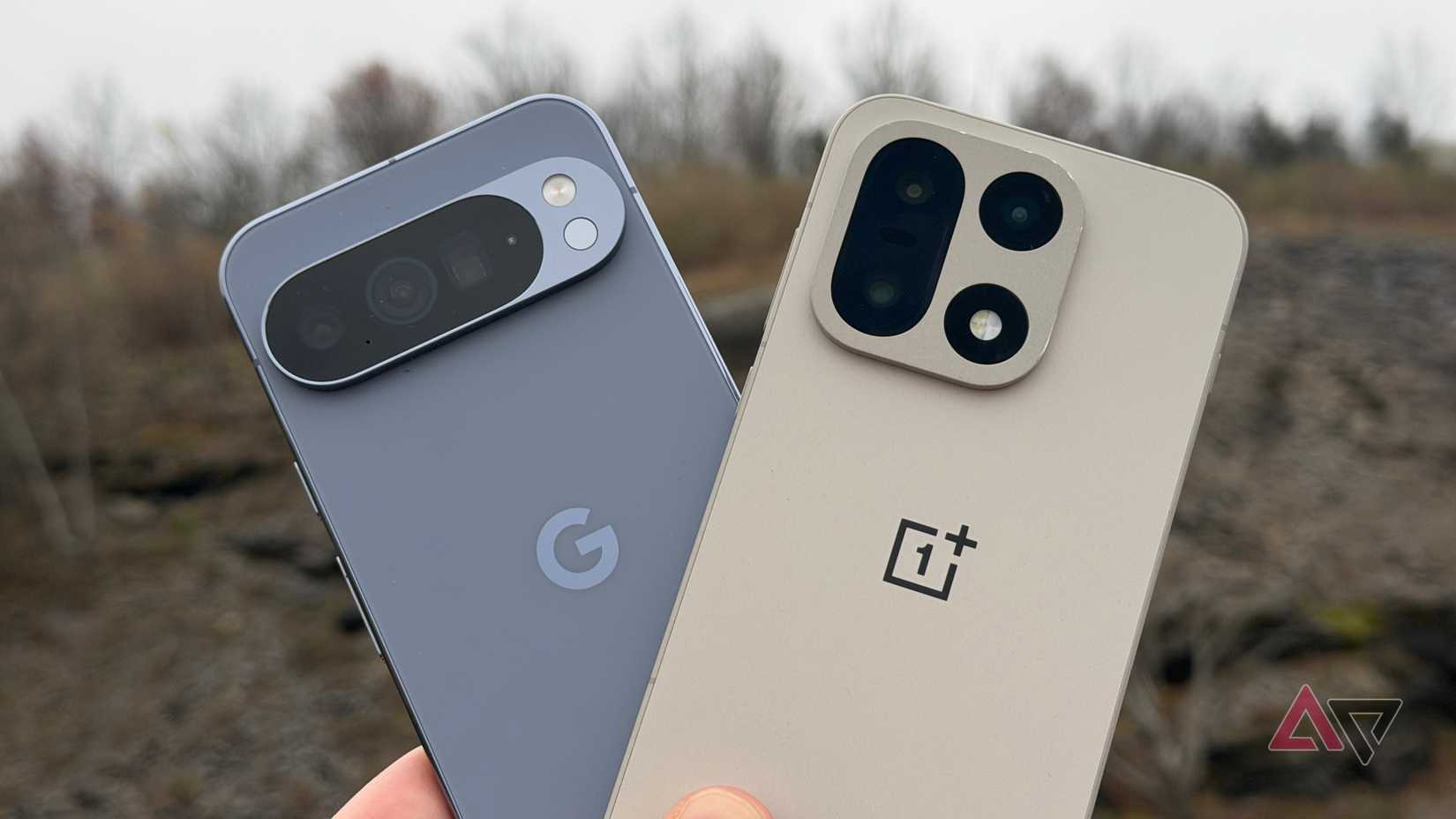
This has a ripple effect that will affect almost every consumer electronic device, including PCs, smartphones, tablets, and even TVs.
It's not just about a couple of extra dollars; DRAM prices have skyrocketed by almost 70% to 80%. A Chosun Biz report points to a whopping 170% increase in some cases.
Typically, DRAM and storage chips contribute about 10% to 15% of a phone's total Bill of Materials.
That might not sound like much, but when their prices more than double or triple within a few months, it puts a strain on manufacturers and their profit margins.
This leaves them with two options: either cut corners in other areas or increase prices.
With intense competition, cutting corners across multiple aspects, like the battery, display, or charging speed, is not always a viable option. And even this can only work to a certain extent.
That's what most smartphone makers did this year to absorb the rising component costs. But the rise in DRAM and NAND prices is now too steep to avoid a price hike.
AI features demand more RAM
All while tightening the global RAM supply
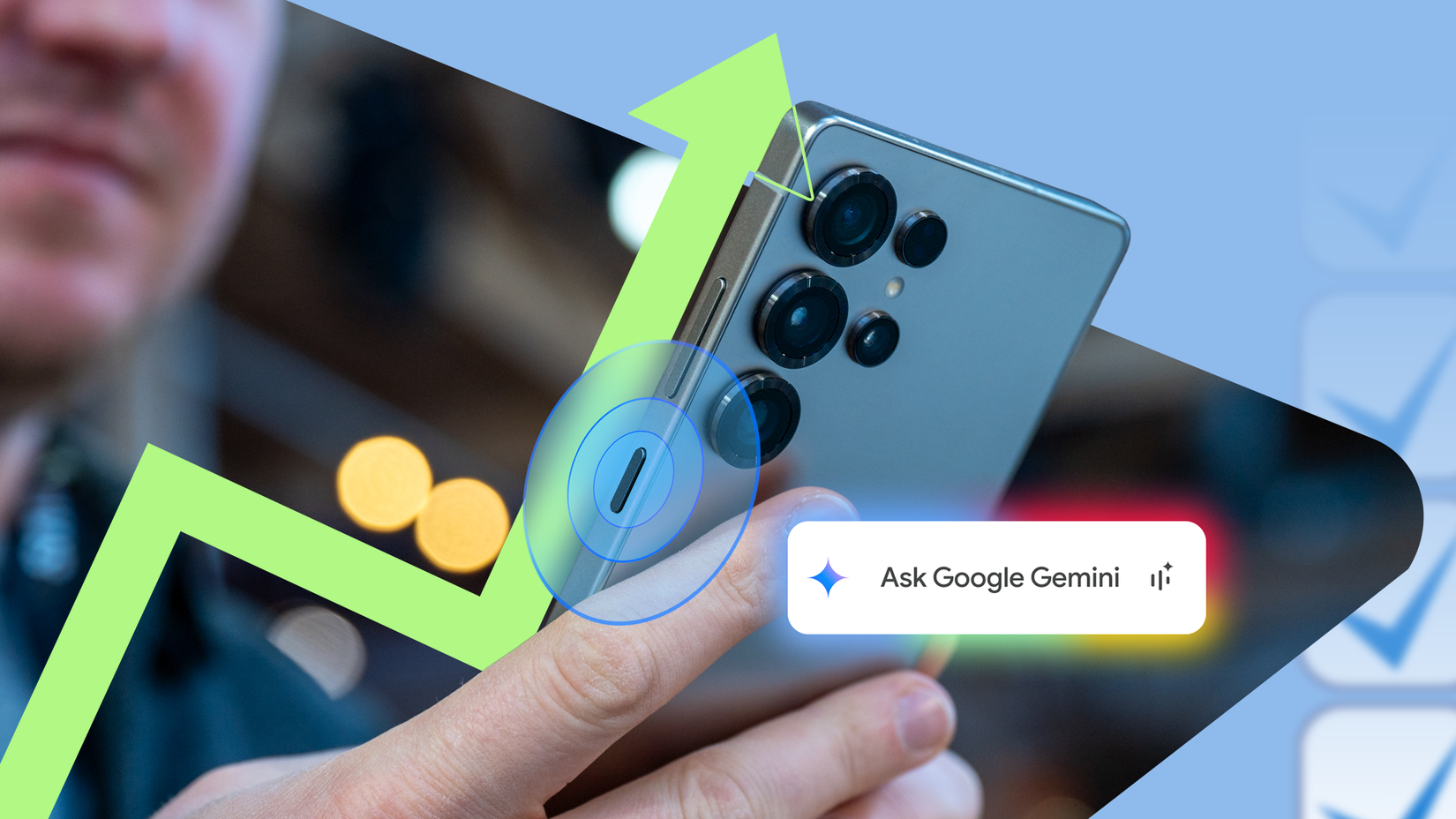
As memory is becoming more expensive and harder to source, its importance is also increasing in flagship smartphones.
While companies could get by with equipping their phones with 12GB RAM a few years ago, that will not work now.
On-device AI models, such as Gemini Nano, require a significant amount of RAM and high-speed storage to run locally on phones.
As AI workloads grow, phones will need more memory headroom to run larger, more capable models locally.
With flagship Android smartphones coming with seven years of OS updates, OEMs need to equip them with sufficient RAM for future-proofing.


