


Afghanistan Pictures (Pictures by James Lee)
++ rep me if you like the pictures
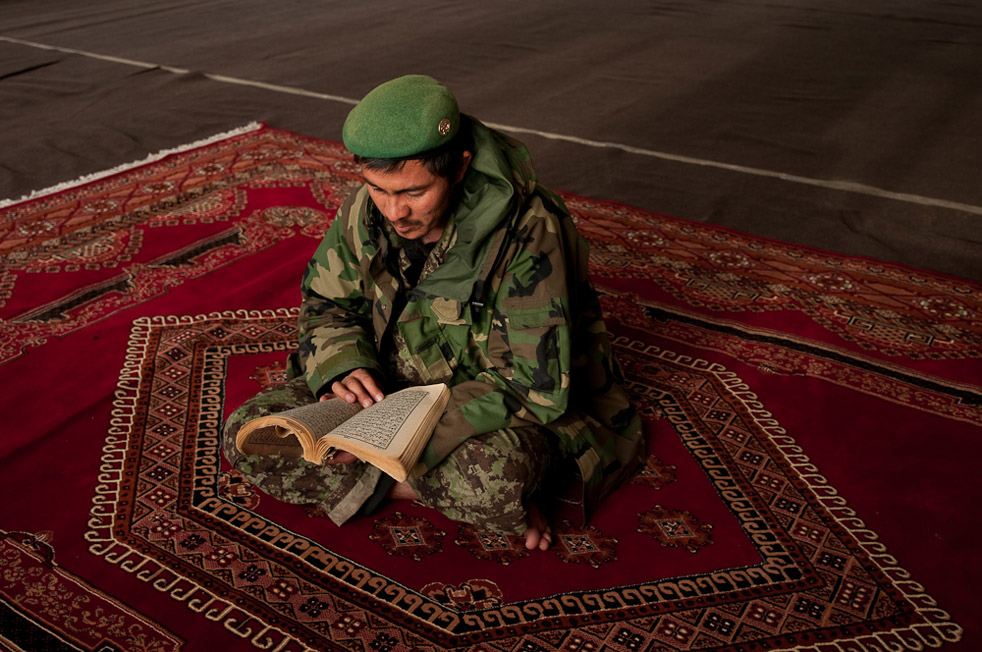
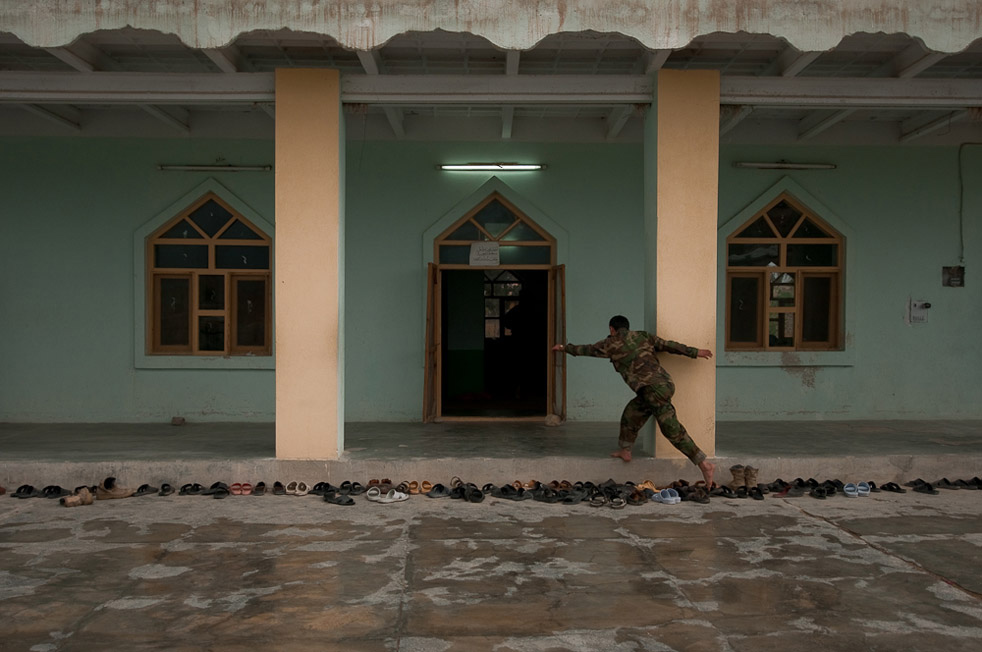
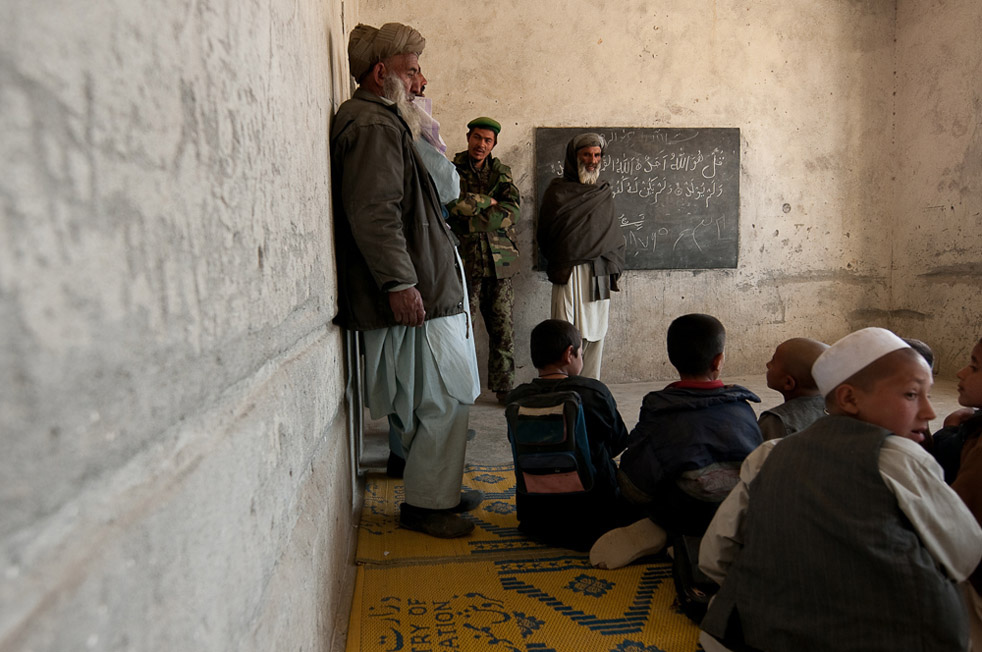
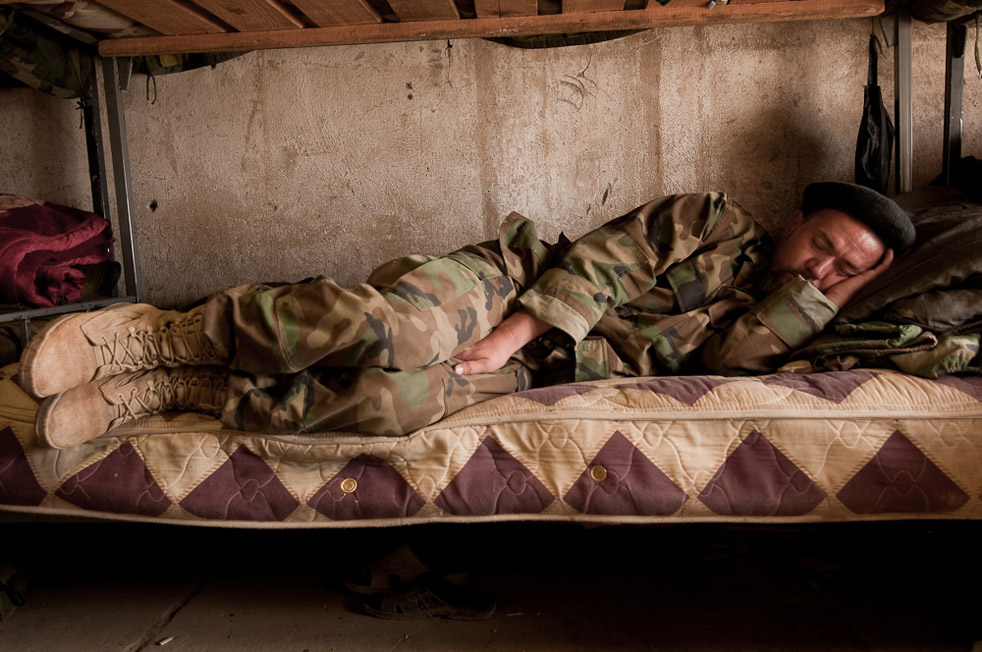
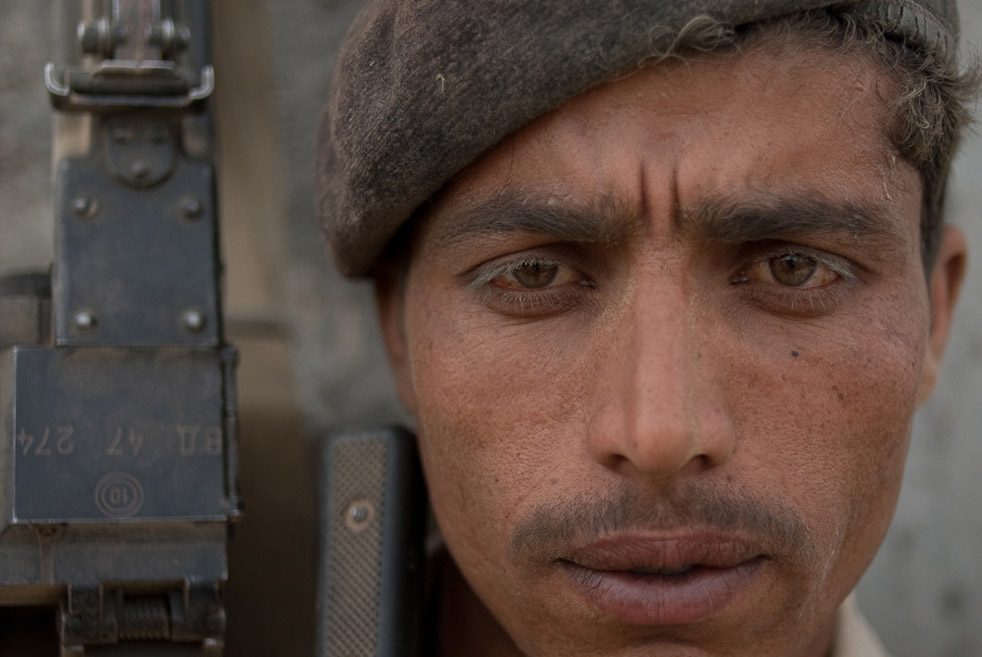
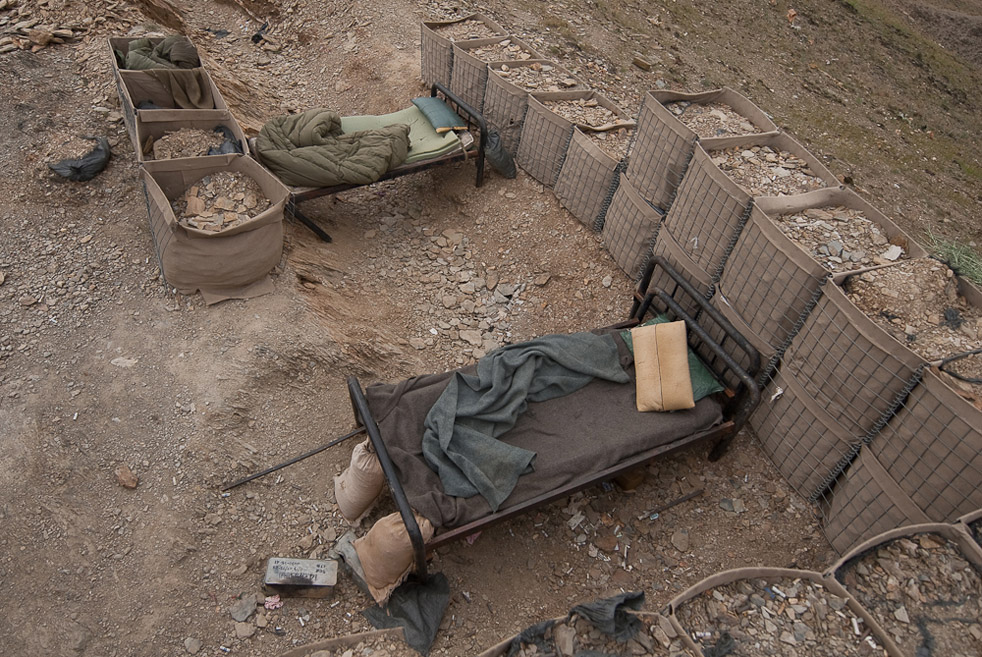
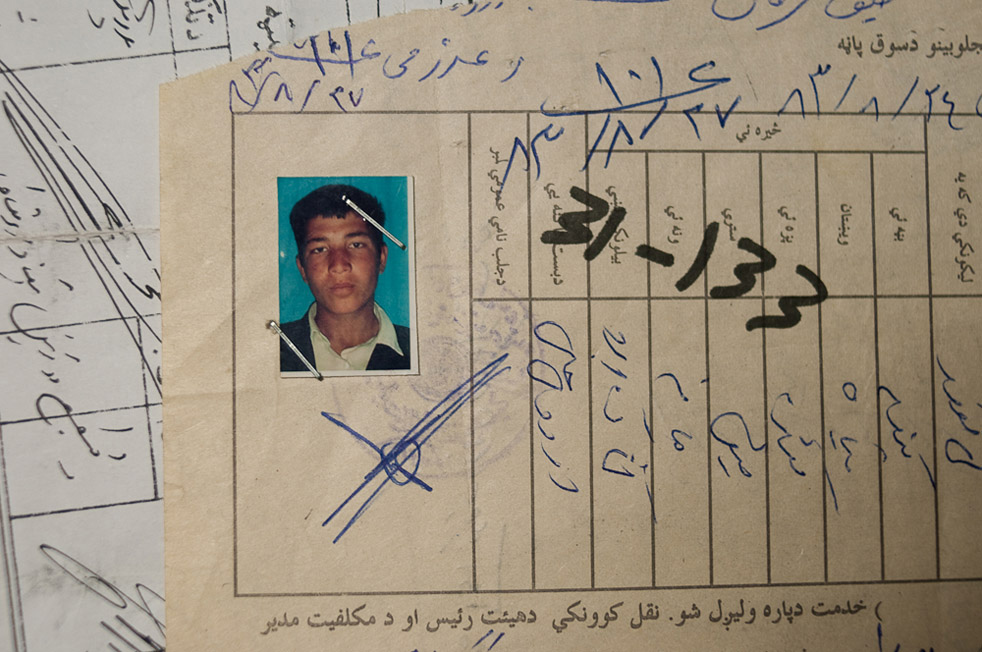
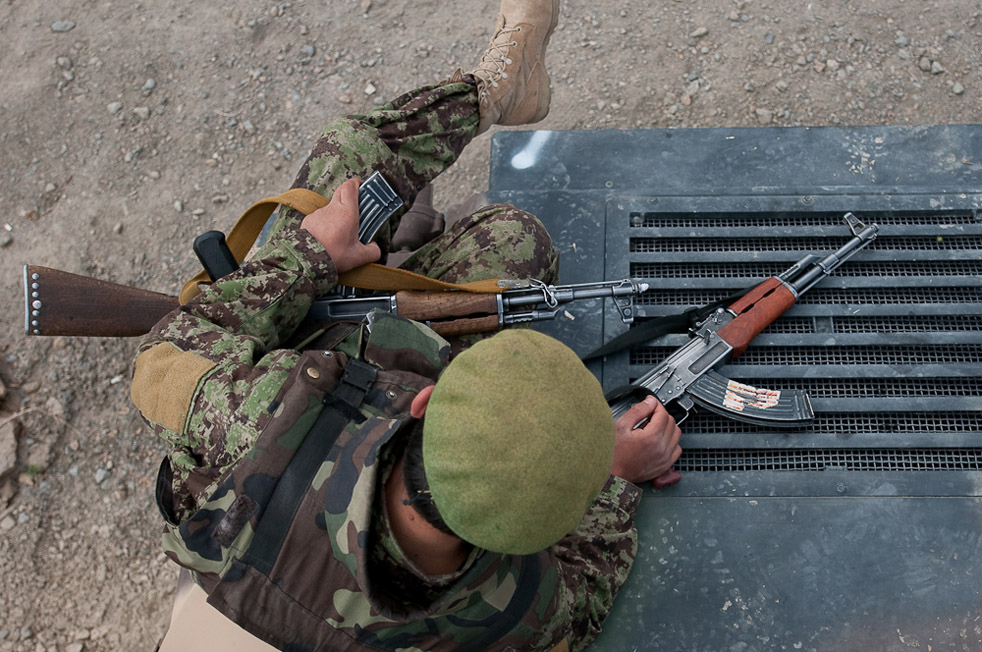
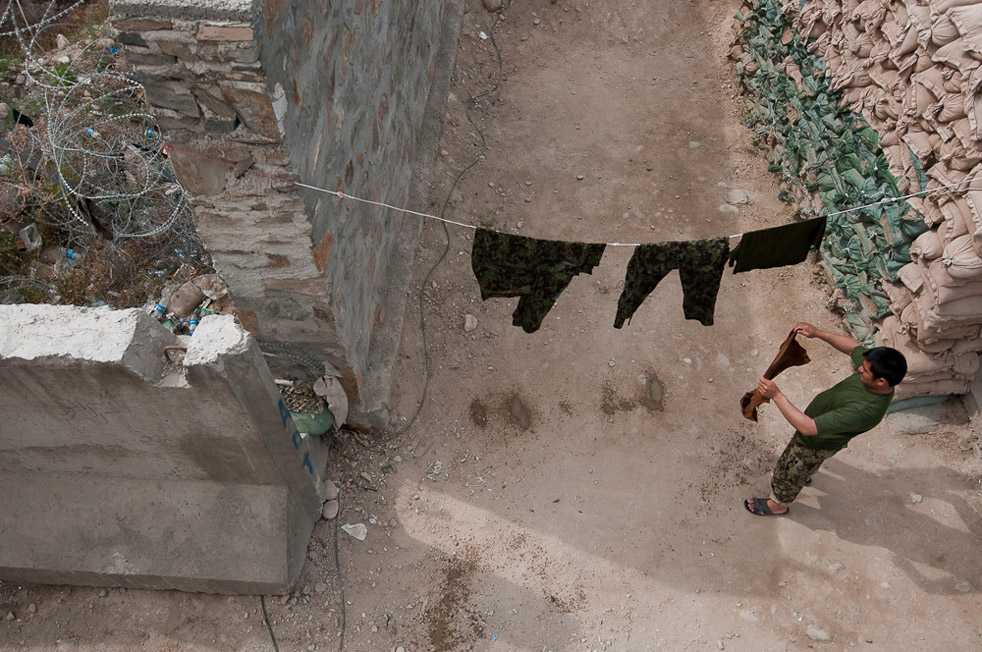
After serving three years with the Afghan National Army's 1st Company, 2nd Kandak, Abdullah Wahid Mohammad Hussain received a military discharge and returned home. Not all Afghan soldiers wait to be discharged before taking off their uniforms. According to official records, just over 100 soldiers are currently assigned to 1st Company. This number includes 25 soldiers who are listed as missing. Many of these absent soldiers simply removed their uniforms and walked away. An inability to transfer money to family members in remote villages and low pay may be responsible for many of these unauthorized absences.

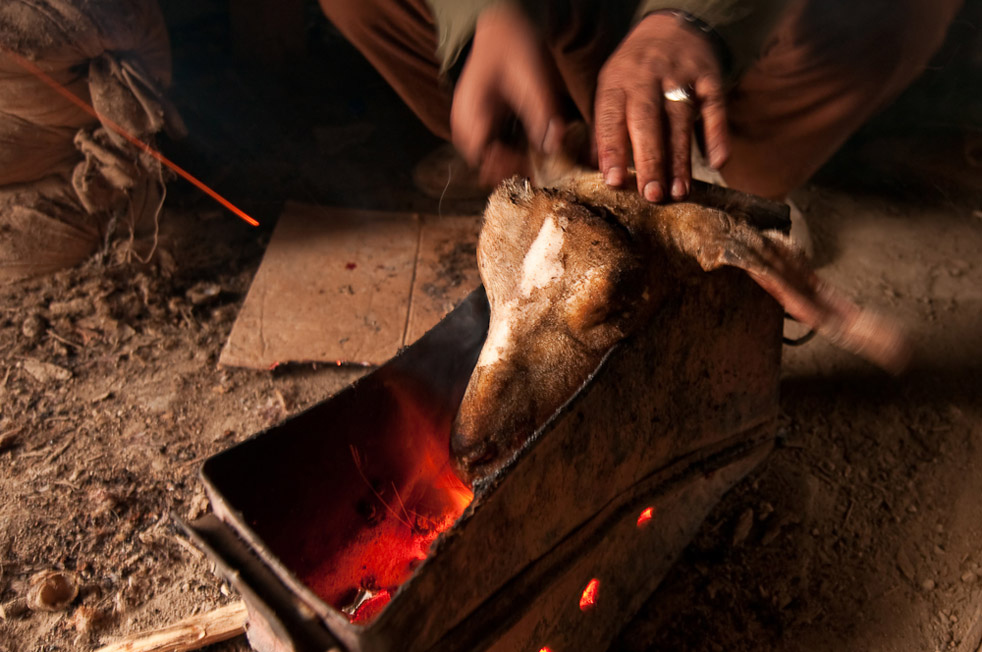
Before lunch, Marsham Khan rotates a goat head above a steel ammunition can full of hot coals in Gahziabad district on Feb. 15, 2010. "Removing all the hair is the hardest part," said Khan, an Afghan Security Guard at Combat Observation Post Pirtle King. "The tongue is the best meat, it has a very sweet taste."
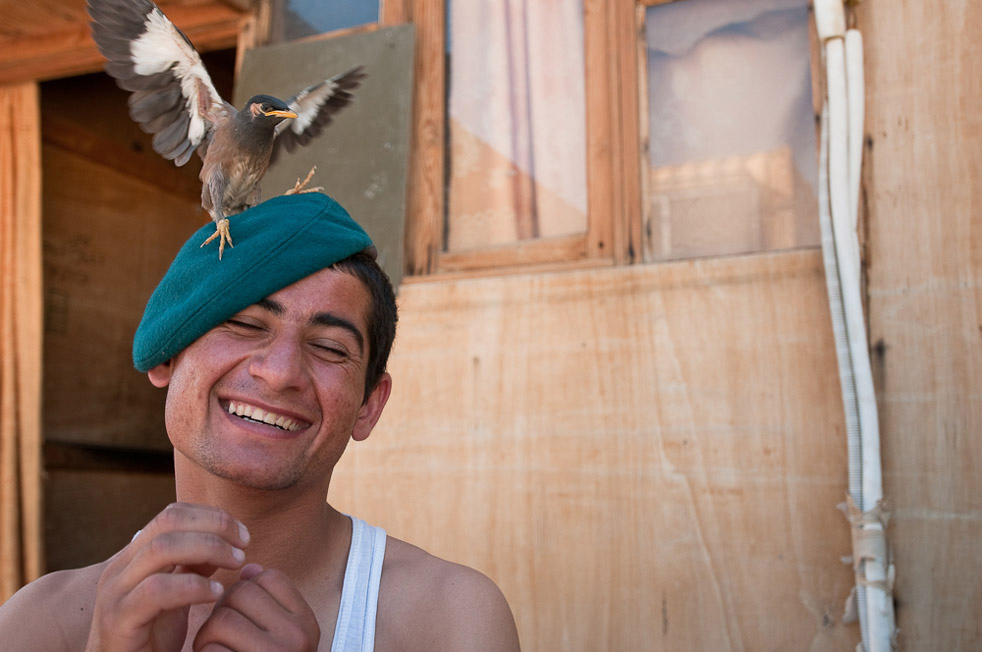
Juma Khan surrenders himself to a boyish grin while a pet bird is perched on his wool beret in Mehtarlam district, Laghman province, on April 24. "I feed this bird small insects," said Khan, a sergeant in the Afghan National Army. "Watching birds makes me forget about the problems in my country." Khan began raising birds during his childhood in the city of Mazar-i-Sharif.


Boys crowd together while waiting for the distribution of humanitarian goods distributed by the Afghan National Army in the mountain village of Saw on Jan. 31, 2010. Afghanistan is experiencing a dangerous youth-bulge, with nearly half of its population under 14 years old.

Flattened tins of vegetable oil line the outside walls of a rural mechanic shop in Wardak province
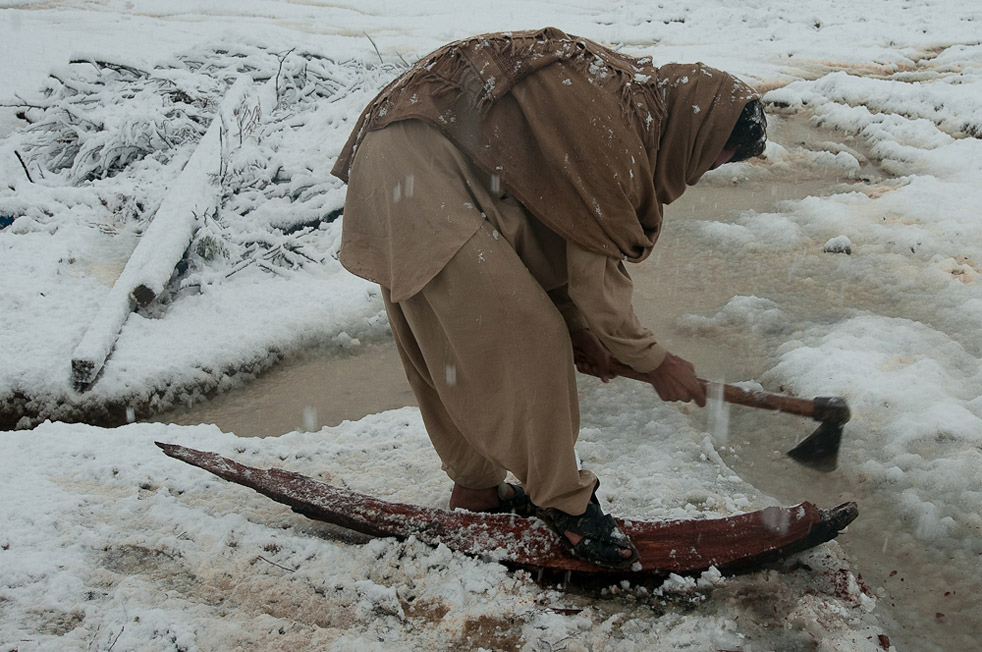
A fast-moving snowstorm finds Hakim-John Al-Sadine splitting wood at a labor camp in Gahziabad district

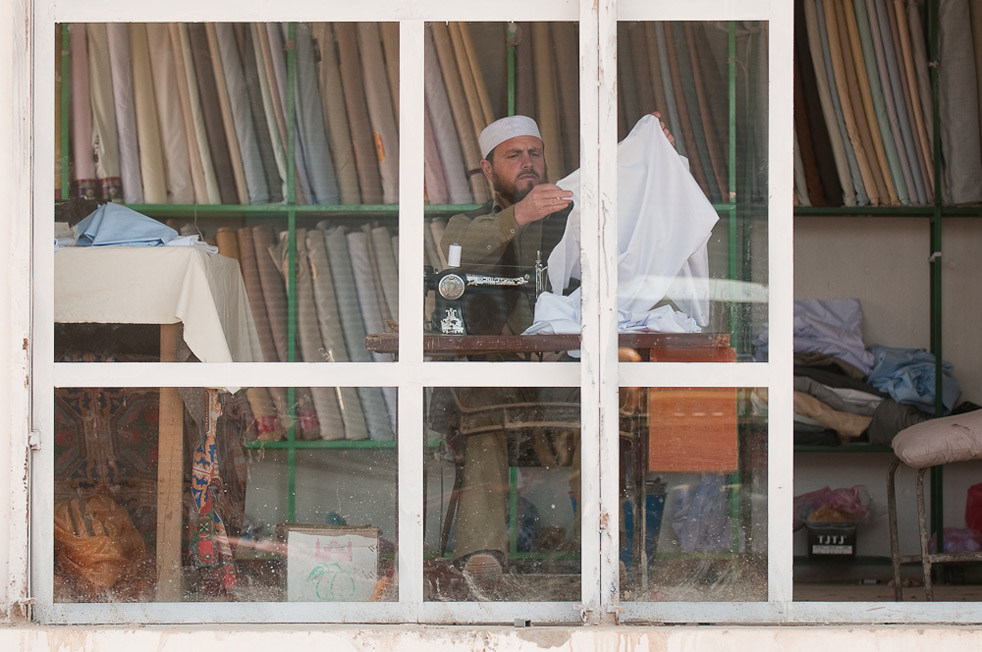
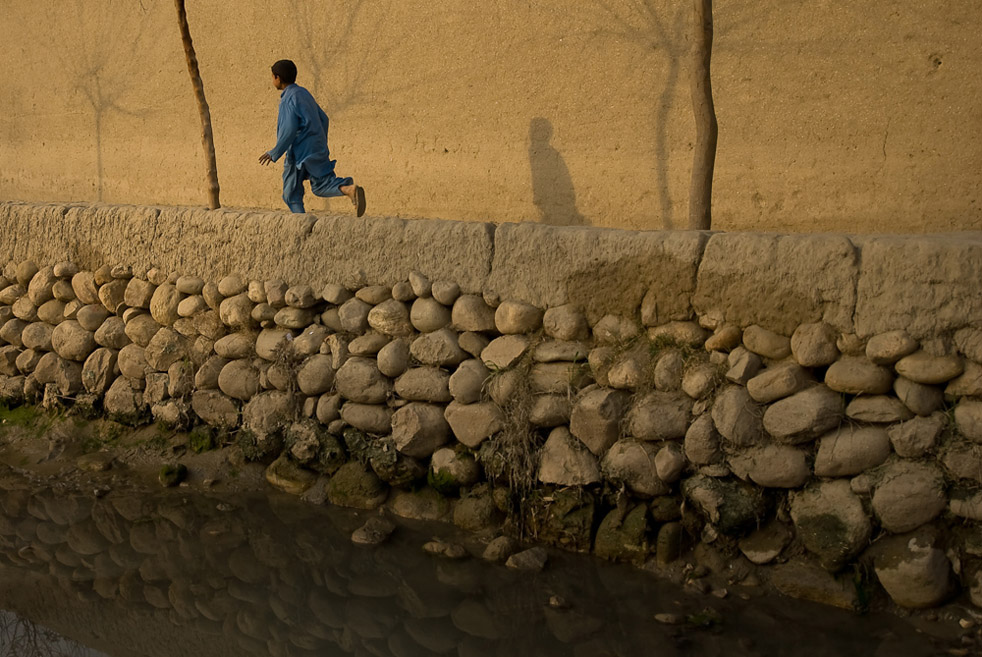
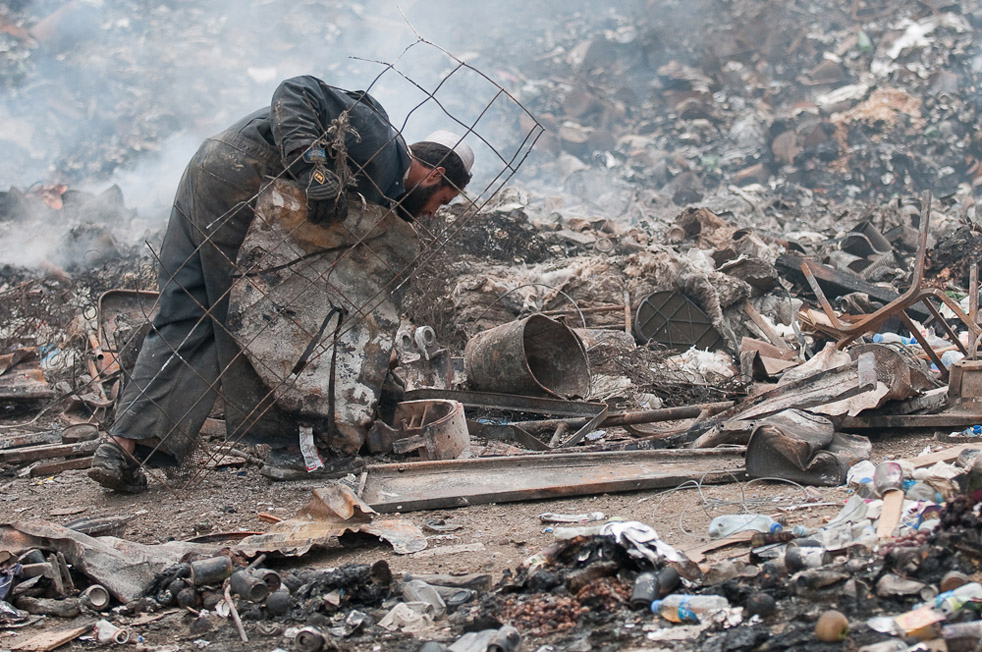
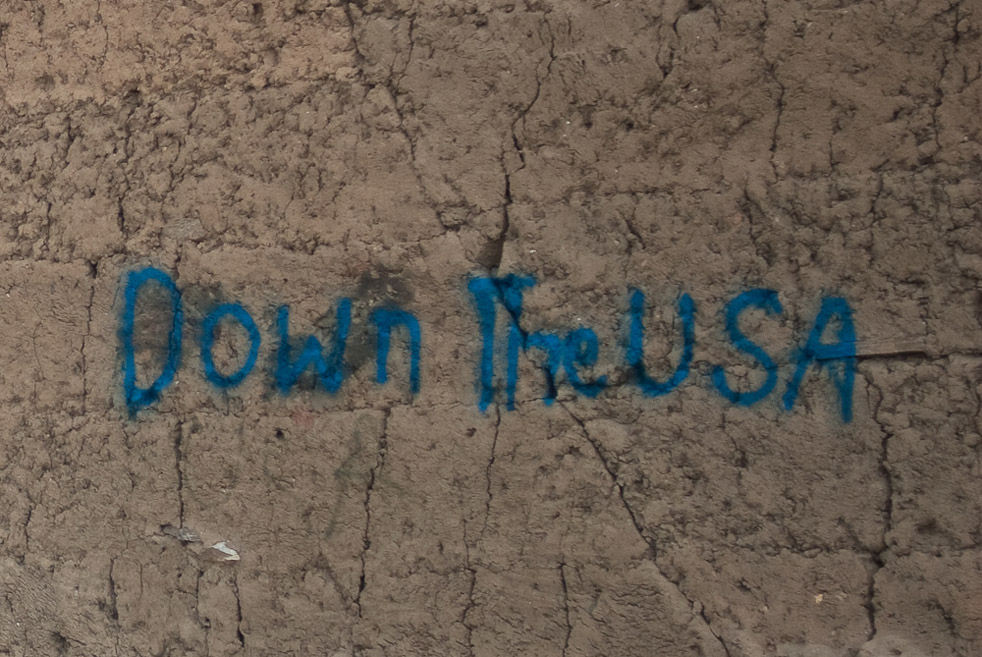
Evidence of resistance marks a mud wall in Jalrez district, Wardak province, on March 28, 2010. To counter these visible messages and extremist voices, the U.S. Department of State has identified the development of communication capacity as a key initiative. Included in these plans are the training of Afghan journalists and the installation of media infrastructure in outlying areas. As a milestone, these initiatives aim to notably reduce enemy propaganda by July of 2011. Reaching this landmark will be costly. Communications expenditure for fiscal year 2010 is estimated at $90 million. This figure reflects a budgetary increase of 44 percent since last year.
++ rep me if you like the pictures
After serving three years with the Afghan National Army's 1st Company, 2nd Kandak, Abdullah Wahid Mohammad Hussain received a military discharge and returned home. Not all Afghan soldiers wait to be discharged before taking off their uniforms. According to official records, just over 100 soldiers are currently assigned to 1st Company. This number includes 25 soldiers who are listed as missing. Many of these absent soldiers simply removed their uniforms and walked away. An inability to transfer money to family members in remote villages and low pay may be responsible for many of these unauthorized absences.

Before lunch, Marsham Khan rotates a goat head above a steel ammunition can full of hot coals in Gahziabad district on Feb. 15, 2010. "Removing all the hair is the hardest part," said Khan, an Afghan Security Guard at Combat Observation Post Pirtle King. "The tongue is the best meat, it has a very sweet taste."
Juma Khan surrenders himself to a boyish grin while a pet bird is perched on his wool beret in Mehtarlam district, Laghman province, on April 24. "I feed this bird small insects," said Khan, a sergeant in the Afghan National Army. "Watching birds makes me forget about the problems in my country." Khan began raising birds during his childhood in the city of Mazar-i-Sharif.


Boys crowd together while waiting for the distribution of humanitarian goods distributed by the Afghan National Army in the mountain village of Saw on Jan. 31, 2010. Afghanistan is experiencing a dangerous youth-bulge, with nearly half of its population under 14 years old.

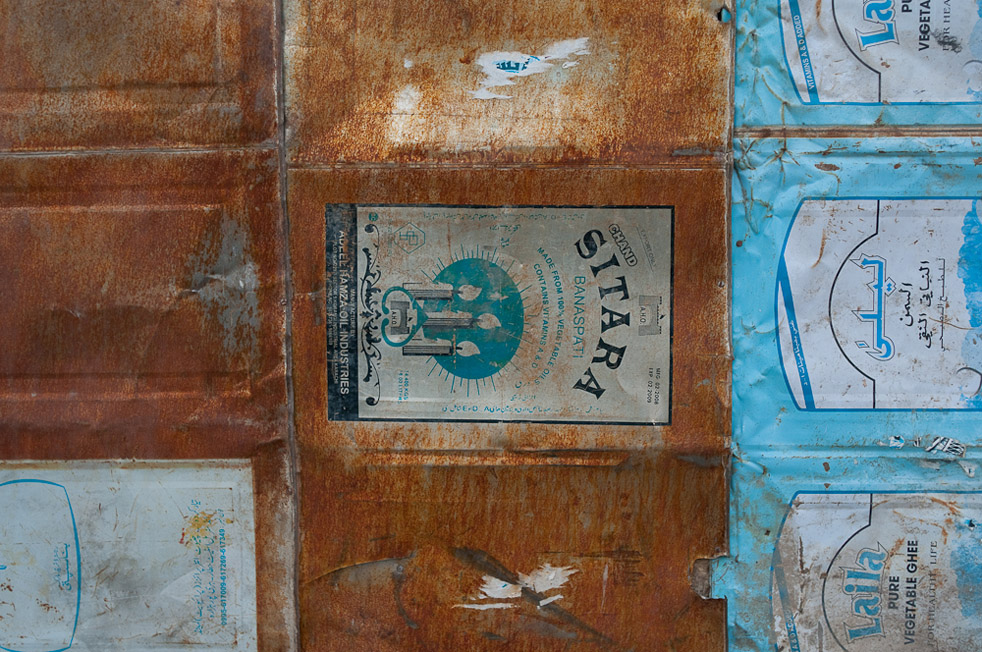
Flattened tins of vegetable oil line the outside walls of a rural mechanic shop in Wardak province
A fast-moving snowstorm finds Hakim-John Al-Sadine splitting wood at a labor camp in Gahziabad district

Evidence of resistance marks a mud wall in Jalrez district, Wardak province, on March 28, 2010. To counter these visible messages and extremist voices, the U.S. Department of State has identified the development of communication capacity as a key initiative. Included in these plans are the training of Afghan journalists and the installation of media infrastructure in outlying areas. As a milestone, these initiatives aim to notably reduce enemy propaganda by July of 2011. Reaching this landmark will be costly. Communications expenditure for fiscal year 2010 is estimated at $90 million. This figure reflects a budgetary increase of 44 percent since last year.


