

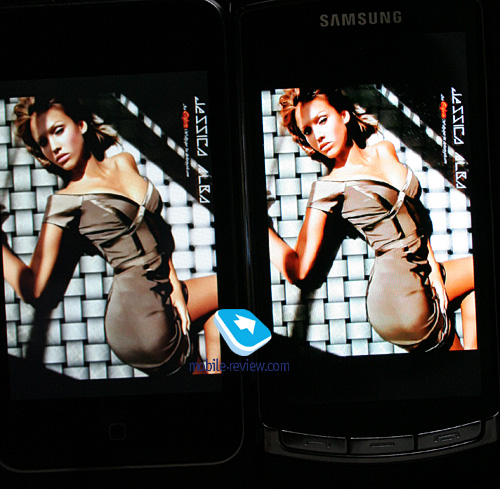
phone wala thiyena AMOLED kiyana screen ekada LCD screen ekada hoda?picture quality hoda mokeda?


Last edited:


පැටියා;13896687 said:Amoled
Amoled
bump
 thanks
AMOLED කොලටියි. හැබැයි ගණන්
LCD මිල අඩුයි.
ඉස්ස්රහට එන ඒවායේ AMOLED තමා.

LCD ekka gannakota AMOLED godak hodayi. danata thiyana hoda displays okkoma AMOLED thama. Power consumption ekath aduyi. habayi dan nam Mobile AMOLED devices wala FullHD resolution improvements waladi podi podi avul thiyanawalu. eka nisa Samsung lath PLS kiyala aluth technique ekak research karanawa kiyala thiyanwa.. habayi IPS LCD ekka gaththama nam AMOLED wala loku wenasak na power consumption arenna.. kohomath Backlit ekak nathi nisa IPS walata wadath meka tikak bright..
LCD ekka gannakota AMOLED godak hodayi. danata thiyana hoda displays okkoma AMOLED thama. Power consumption ekath aduyi. habayi dan nam Mobile AMOLED devices wala FullHD resolution improvements waladi podi podi avul thiyanawalu. eka nisa Samsung lath PLS kiyala aluth technique ekak research karanawa kiyala thiyanwa.. habayi IPS LCD ekka gaththama nam AMOLED wala loku wenasak na power consumption arenna.. kohomath Backlit ekak nathi nisa IPS walata wadath meka tikak bright..

පැටියා;13897744 said:IPS කියන්නෙ ඇපල්ලා මීට අවුරැදු ගානකට කලිං ඉඳං යූස් කරන ටෙක්නොලොජි එකක් බං
IPS වලට වඩා AMOLED වල කොලිටිය වැඩියි.
AMOLED වල බැක්ලිට් එකක් නෑ. ඒක නිසා ඕනෙම කලර් එකක් හොඳට ගන්න පුලුවන්.
AMOLED eka patta

IPS wala eka eka versions thiyanwa machan. man kiuwe lagadi apu versions gana HTC One X ekath ehema ekak. Nokia lage Puremotion HD+ kiyanneth IPS ekak thama. Othana case eka awe IPS wala hariyata black pennanne na kiyalane. oka LCD walin patan gaththa ekane.. passe apu IPS walitnuth eka hariyatama sidda wela naa. ita passeapu versions wala ewa hadala thiyenne.. eth samahara colors wala avul thiyanwalu.. Brightness athin nam kohomath AMOLED wadi. mokada IPS eka Bright karanan giyoth loku current ekak yana nisa.පැටියා;13897744 said:IPS කියන්නෙ ඇපල්ලා මීට අවුරැදු ගානකට කලිං ඉඳං යූස් කරන ටෙක්නොලොජි එකක් බං
IPS වලට වඩා AMOLED වල කොලිටිය වැඩියි.
AMOLED වල බැක්ලිට් එකක් නෑ. ඒක නිසා ඕනෙම කලර් එකක් හොඳට ගන්න පුලුවන්.


AMOLED
LCD

AMOLEDLCD, Liquid Crystal Display, has been part of our lives for years now. Besides mobile devices we see LCD screens being used with almost every computer monitor, and in the majority of recent TVs. While these screens are made of wondrous liquid crystals, they also require a couple panes of glass, and a light source. LCD screens produce some of the most realistic colors you can find on a screen, but might not offer as wide of a contrast ratio (darker darks and brighter brights) as AMOLED or OLED.
Some common terms you will find associated with LCD displays are TFT and IPS. TFT stands for Thin Film Transistor, which makes the wiring of LCD screens more efficient by reducing the number of electrodes per pixel. One benefit of TFT displays is improved image quality over standard LCD screens. Another popular LCD technology is In-Plane Switching, or IPS, which improves upon TFT by offering much wider viewing angles and color reproduction on LCD screens. IPS screens are able to achieve this by keeping all the liquid crystals parallel to the screen. IPS is generally preferable to standard TFT.
Read more: http://www.digitaltrends.com/mobile/amoled-vs-lcd-which-screen-is-best-for-your-phone/#ixzz2CooX4uhs
Follow us: @digitaltrends on Twitter | digitaltrendsftw on Facebook
http://ec.tynt.com/b/rf?id=a4WNn6KVyr4yHaacwqm_6r&u=digitaltrendsftw

AMOLED, Active Matrix Organic Light Emitting Diode, technology is actually fairly old but their emergence on the market at high end screens is recent. AMOLED screens consist of a thin layer of organic polymers that light up when zapped with an electric current. Due to this simple construction, AMOLED screens can be extremely thin and don’t require a backlight. The benefit of losing a backlight is readily apparent: these screens are able to produce blacks so deep that the screen pixels can shut right off. Shutting off pixels can also save electricity and battery life in phones and tablets. Just keep your backgrounds close to black and you’ll save energy.
Sometimes when you read about AMOLED screens, you might hear people complaining about something called a “pentile” display. This is a feature of most color AMOLED screens. Instead of having just a single red, blue, and green sub pixel per actual pixel, pentile displays have a RGBG sub pixel layout which has two green sub pixels for each red and blue. The positive of this technology that you are able to create a screen that is just as bright as normal screens with one third the amount of sub pixels. The negative of pentile screens is that they can appear grainy, or appear to be lower resolution due to the larger, more visible sub pixels. Samsung’s newest screen technology is Super AMOLED Plus, which does not use a pentile sub pixel layout and also improves viewability in direct sunlight — traditionally a weakness for AMOLED. Samsung used Super AMOLED plus screens in Galaxy S II phones, but reverted back to Super AMOLED screens for the Galaxy S III citing screen life as the reason for the switch.
Read more: http://www.digitaltrends.com/mobile/amoled-vs-lcd-which-screen-is-best-for-your-phone/#ixzz2CooX4uhs
Follow us: @digitaltrends on Twitter | digitaltrendsftw on Facebook
http://www.digitaltrends.com/mobile/amoled-vs-lcd-which-screen-is-best-for-your-phone/


