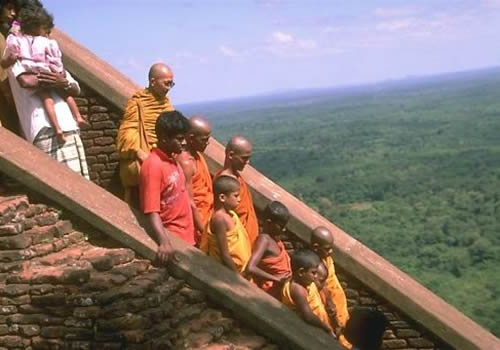
[FONT=Verdana, Arial, Helvetica, sans-serif]Sri Lanka has more festival days than anywhere on earth. There is so much here to[/FONT]
[FONT=Verdana, Arial, Helvetica, sans-serif] enjoy it's no wonder the Lankans love to party. They have such a plethora of celebrations demanding ritual, religion, razzmatazz and pageantry, and enough elephants, drummers, dancers and temples as exotic backdrops.
[/FONT][FONT=Verdana, Arial, Helvetica, sans-serif]Durutu Perahera (Kelaniya) - JANUARY

[/FONT]The Duruthu Perahara, held at the Raja Maha Vihara temple in Kelaniya, 8 km (5 miles) out side Colombo, is seconed only to the Kandy Perahara in september. Held annually in January , it commemorates the first visit of the Buddha to Sri Lanka.
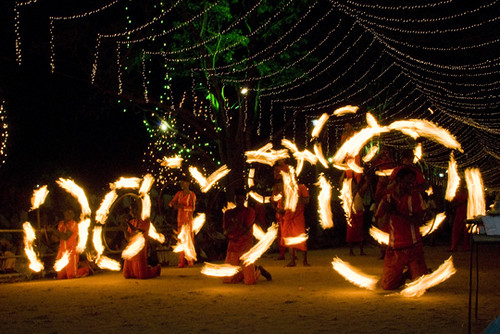
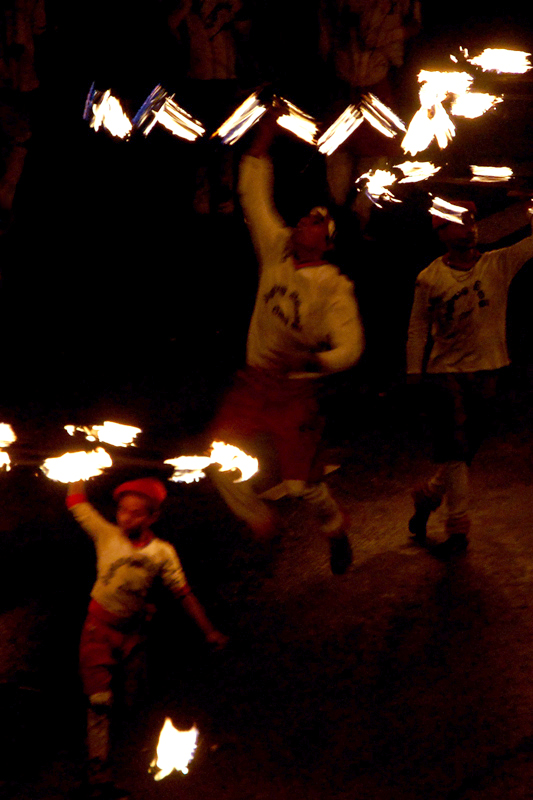
The Duruthu Perahera has taken place since 1927 and celebrates the Buddha's first visit to Sri Lanka more than 2500 years ago, attracting hundreds of thousands of people to the sacred Kelaniya Temple in Colombo. In commemoration of this visit a procession (perahera) is held for three nights in the month of January at Kelaniya (10 km. from Colombo). It is a colourful pageant with elephants, dancers and drummers, whip crackers attracting thousands of spectators.
It comprises three perahera (processions) featuring costumed actors, dancers, musicians, devotees dressed in white and elephants.
The firstprocession, Udamaluwa Perahera, starts on the upper terrace of the temple with the ritual handing over of a secret casket. Cannon fire marks the beginning of the parade and the casket is carefully placed on a colourful cushion.
The second procession, Pahathamaluwa Perahera, is more colourful but continues with the elephants carrying the casket and divine insignia. The festival reaches its climax with the Randoli Perahera, the most magnificent of the processions, held on the day prior to the January full moon.



[FONT=Verdana, Arial, Helvetica, sans-serif]
Id-Ul-Fitr (Ramazan Festival) - October

[/FONT][FONT=Verdana, Arial, Helvetica, sans-serif]Ramazan, which ends during April, is a month in every 2year set aside for fasting, a religious obligation compulsory for very devout follower of Islam.In this month, with the coming of every dawn, not a morsel of food, liquid or solid, will pass the lips of a Muslim observing the first, until the sun sets over the horizon. In this period, while going about his activities a Muslim is expected to devote his time to prayer and meditation.
In Sri Lanka it is not unusual to see large groups of people gathering at the doorways of mosques around the country. Muslims are clearly identifiable by there white lace caps or with a handkerchief covering their heads and kept in place with a knot tied at the back. You can also see them hurrying in the half light of the approaching dawn for the subah or the first prayer of the day. Usually it is just before this prayer that Muslims partake of the only meal for the day. breaking their fast after magrib, the evening prayer. This ritual will go on for 30 days.[/FONT] [FONT=Verdana, Arial, Helvetica, sans-serif]During this time, in the evenings after prayers, it's not unusual to see people gathering on the Galle Face Green eating ice cream and relaxing after their day's fast.
Muslim homes are a hive of activities in the evenings; many inviting their friends and relatives to partake of the breaking of the fast with them. A delicious selection of sweetmeats will be on the table for the children but it seems to hold a fascination for many an adult as well.[/FONT]
[FONT=Verdana, Arial, Helvetica, sans-serif]Another common sight is the movement of small groups of people, usually composed of women and children, asking for alms. this is because it is compulsory for every Muslim to give alms during the month of Ramazan.There are two forms of charity at this time; sadaquat-ul-fitr which is where the rich give food to the poor and zakat-ul-mal where they give one third to one tenth of the value of their property like gold, silver, flocks or grain.[/FONT]
[FONT=Verdana, Arial, Helvetica, sans-serif]At the end of the30 days, ehen the silvery shape of the moon heralds the beginning of a new month, the fast comes to an end and ld-ul-fitr or Ramazan festival day. Muslims gather in mosques all over the island in the morning for Eid prayers, happy in the knowledge that they have completed their fast. Children can be seen wearing new clothes, relatives and friends will visit each other and families will gather for lunch and dinner.[/FONT]
[FONT=Verdana, Arial, Helvetica, sans-serif]
 [/FONT]
[FONT=Verdana, Arial, Helvetica, sans-serif]
 [/FONT]
[FONT=Verdana, Arial, Helvetica, sans-serif]Navam Perahera - February[/FONT]

[FONT=Verdana, Arial, Helvetica, sans-serif]Most Colorful and Prestigious Buddhist Cultural Pageant held in Sri Lanka Annually the Colombo Nawam Maha Perahera,held in February
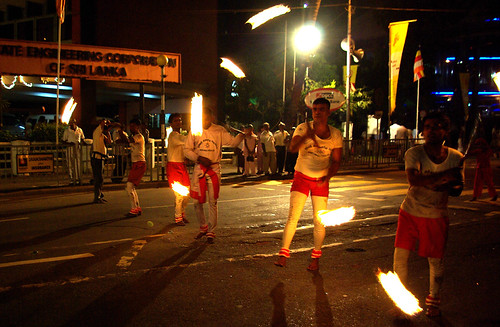
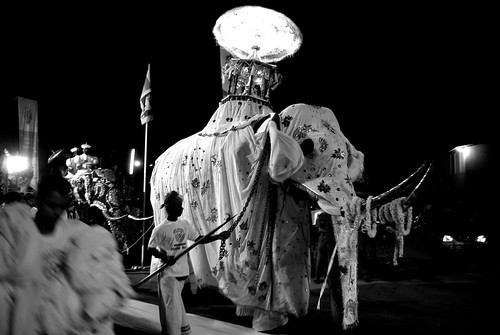
The Colombo Nawam Maha Perahera a Grand Pageant of Elephants, Dancers and Entertainment held to celebrate a Religious Event takes place on the Full Moon Day of February, every year.
The Colombo Nawam Maha Perahera is one of the most important religious and cultural events in Shri Lanka. Mi1lions of people view this spectacle every year including an estimated 10,000 Tourists. Seating accommodation for 1,000,000 persons is provided without charge on both days. The Perehara revives the ancient forms drawing dancing troupes from all parts of the country and providing an occasion to display their prowess.
The beneficiaries of events such as these are the traditional Dance Troupes, who now enjoy a revival of interest in their dance and forms of entertainment. The Perehera thus has a direct relevance to the preservation of our ancient Cultural Heritage. The entire organization of the Perahera is handled by the young people associated with the "Gangaramaya' Temple. The Perahera was first started in the year 1979
In Sri Lanka the Colombo Nawam Maha Perahera takes pride of place. In the Buddhist World no country can claim to have held such a Colorful, Cultural Pageant. Gangaramaya of Colombo.2, attends to the organizing work. The Flags, Banners and Decorations used for this Event are available for use for similar events in other parts of the island.



[/FONT][FONT=Verdana, Arial, Helvetica, sans-serif]Sinhala and Tamil New Year - April

[/FONT][FONT=Verdana, Arial, Helvetica, sans-serif]Sinhala and Tamil New Year is called Sinhala Avurudu despite being celebrated by both
Hindus and Buddhists alike. It marks the completion of the solar circuit and has to be astrologically determined. So the Sinhala Avurudu may begin somewhere between 13 and 15 April, depending on the sages.[/FONT] [FONT=Verdana, Arial, Helvetica, sans-serif]There is an astrological conclusion to the old year and the few hours beyond the new are the neutral period which is reserved for religious activity, regardless of the religion one might practise.[/FONT]
[FONT=Verdana, Arial, Helvetica, sans-serif]The New Year customs and the rituals are carried out between members of one's family, business associates, local tradesmen and even beggars. New clothes are worn, horoscopes are foretold, money is given and special foods are made, served and offered to the gods.[/FONT]
[FONT=Verdana, Arial, Helvetica, sans-serif]The Avuruddha is heralded by the constant lighting of fire crackers and the unmistakable call of the koel bird, popularly known as the koha which coos only once a year-at this time. Pay some attention to the multitude of sweet aromas flowing from country kitchens, which get crowded with clattering damsels preparing an assortment of coconut oil-based sweetmeats, which are high on the traditional holiday menu. [/FONT]
[FONT=Verdana, Arial, Helvetica, sans-serif]The day prior to the Sinhala and Tamil New year is one of anticipation. City bus and train stations are crowded with people in a hurry to get to their homes. Most people return to their ancestral homes, obviously with a longing to celebrate the holidays in much the same way they did as children. Cooking is completed, the hearth cleaned, fires extinguished, with fresh pots and pans now awaiting the preparation of the first meal of the new year. The ensuing period, astrologically prescribed is a time for complete relaxation. All activities are suspended and a lull ensues, as a nation waits for the dawning of the new year. [/FONT]
[FONT=Verdana, Arial, Helvetica, sans-serif]The new year approaches with a pre-determined time for pre -paring the ceremonial first meal. Dressed in the year's lucky colour, facing the auspicious, as the thunder of fire crackers, as housewives prepare a dish of Kiribath made from the first batch of the year's harvest of rice. Kiribath or milk rice , is Sri Lanka's quintessential festive food; an unsweetened rice pudding cooked in cream of coconut and placed reverently at the head of the table, right benith an equally revered coconut oil lamp.[/FONT]
[FONT=Verdana, Arial, Helvetica, sans-serif]The whole family will sit for the first meal, soon after transacting some business, referred to traditionally as ganudenu, or the act of receiving and giving. The time now is at its most auspicious, so it is believed that whatever is initiated at this time will undoubtedly yield fruits. Frames will plant a tree, students will read a book, etc.The clock-watching is now over. The next day or two will mark the most joyous period of the year; playing, eating, drinking, merry making and visiting relatives and loved ones. [/FONT]
[FONT=Verdana, Arial, Helvetica, sans-serif]there will be very few shops and restaurants open during this time, with the whole country seeped in celebration. The fun and frolic will continue till it is time for anointing with herbal oil, the auspicious time which falls roughly about three days after the Avuruddha. Hear, an adult member of the family will prepare a very special herbal oil and anoint family members, with blessings for a wonderful year to come. with it, Avurudhu comes to an end and Sri Lanka gets back to its normal pace of life.[/FONT]
[FONT=Verdana, Arial, Helvetica, sans-serif]
 [/FONT]
[FONT=Verdana, Arial, Helvetica, sans-serif]
 [/FONT]
[FONT=Verdana, Arial, Helvetica, sans-serif]
 [/FONT]


[FONT=Verdana, Arial, Helvetica, sans-serif]
[/FONT]
[FONT=Verdana, Arial, Helvetica, sans-serif] enjoy it's no wonder the Lankans love to party. They have such a plethora of celebrations demanding ritual, religion, razzmatazz and pageantry, and enough elephants, drummers, dancers and temples as exotic backdrops.
[/FONT][FONT=Verdana, Arial, Helvetica, sans-serif]Durutu Perahera (Kelaniya) - JANUARY

[/FONT]The Duruthu Perahara, held at the Raja Maha Vihara temple in Kelaniya, 8 km (5 miles) out side Colombo, is seconed only to the Kandy Perahara in september. Held annually in January , it commemorates the first visit of the Buddha to Sri Lanka.
The Duruthu Perahera has taken place since 1927 and celebrates the Buddha's first visit to Sri Lanka more than 2500 years ago, attracting hundreds of thousands of people to the sacred Kelaniya Temple in Colombo. In commemoration of this visit a procession (perahera) is held for three nights in the month of January at Kelaniya (10 km. from Colombo). It is a colourful pageant with elephants, dancers and drummers, whip crackers attracting thousands of spectators.
It comprises three perahera (processions) featuring costumed actors, dancers, musicians, devotees dressed in white and elephants.
The firstprocession, Udamaluwa Perahera, starts on the upper terrace of the temple with the ritual handing over of a secret casket. Cannon fire marks the beginning of the parade and the casket is carefully placed on a colourful cushion.
The second procession, Pahathamaluwa Perahera, is more colourful but continues with the elephants carrying the casket and divine insignia. The festival reaches its climax with the Randoli Perahera, the most magnificent of the processions, held on the day prior to the January full moon.


[FONT=Verdana, Arial, Helvetica, sans-serif]
Id-Ul-Fitr (Ramazan Festival) - October

[/FONT][FONT=Verdana, Arial, Helvetica, sans-serif]Ramazan, which ends during April, is a month in every 2year set aside for fasting, a religious obligation compulsory for very devout follower of Islam.In this month, with the coming of every dawn, not a morsel of food, liquid or solid, will pass the lips of a Muslim observing the first, until the sun sets over the horizon. In this period, while going about his activities a Muslim is expected to devote his time to prayer and meditation.
In Sri Lanka it is not unusual to see large groups of people gathering at the doorways of mosques around the country. Muslims are clearly identifiable by there white lace caps or with a handkerchief covering their heads and kept in place with a knot tied at the back. You can also see them hurrying in the half light of the approaching dawn for the subah or the first prayer of the day. Usually it is just before this prayer that Muslims partake of the only meal for the day. breaking their fast after magrib, the evening prayer. This ritual will go on for 30 days.[/FONT] [FONT=Verdana, Arial, Helvetica, sans-serif]During this time, in the evenings after prayers, it's not unusual to see people gathering on the Galle Face Green eating ice cream and relaxing after their day's fast.
Muslim homes are a hive of activities in the evenings; many inviting their friends and relatives to partake of the breaking of the fast with them. A delicious selection of sweetmeats will be on the table for the children but it seems to hold a fascination for many an adult as well.[/FONT]
[FONT=Verdana, Arial, Helvetica, sans-serif]Another common sight is the movement of small groups of people, usually composed of women and children, asking for alms. this is because it is compulsory for every Muslim to give alms during the month of Ramazan.There are two forms of charity at this time; sadaquat-ul-fitr which is where the rich give food to the poor and zakat-ul-mal where they give one third to one tenth of the value of their property like gold, silver, flocks or grain.[/FONT]
[FONT=Verdana, Arial, Helvetica, sans-serif]At the end of the30 days, ehen the silvery shape of the moon heralds the beginning of a new month, the fast comes to an end and ld-ul-fitr or Ramazan festival day. Muslims gather in mosques all over the island in the morning for Eid prayers, happy in the knowledge that they have completed their fast. Children can be seen wearing new clothes, relatives and friends will visit each other and families will gather for lunch and dinner.[/FONT]
[FONT=Verdana, Arial, Helvetica, sans-serif]

[FONT=Verdana, Arial, Helvetica, sans-serif]

[FONT=Verdana, Arial, Helvetica, sans-serif]Navam Perahera - February[/FONT]

[FONT=Verdana, Arial, Helvetica, sans-serif]Most Colorful and Prestigious Buddhist Cultural Pageant held in Sri Lanka Annually the Colombo Nawam Maha Perahera,held in February
The Colombo Nawam Maha Perahera a Grand Pageant of Elephants, Dancers and Entertainment held to celebrate a Religious Event takes place on the Full Moon Day of February, every year.
The Colombo Nawam Maha Perahera is one of the most important religious and cultural events in Shri Lanka. Mi1lions of people view this spectacle every year including an estimated 10,000 Tourists. Seating accommodation for 1,000,000 persons is provided without charge on both days. The Perehara revives the ancient forms drawing dancing troupes from all parts of the country and providing an occasion to display their prowess.
The beneficiaries of events such as these are the traditional Dance Troupes, who now enjoy a revival of interest in their dance and forms of entertainment. The Perehera thus has a direct relevance to the preservation of our ancient Cultural Heritage. The entire organization of the Perahera is handled by the young people associated with the "Gangaramaya' Temple. The Perahera was first started in the year 1979
In Sri Lanka the Colombo Nawam Maha Perahera takes pride of place. In the Buddhist World no country can claim to have held such a Colorful, Cultural Pageant. Gangaramaya of Colombo.2, attends to the organizing work. The Flags, Banners and Decorations used for this Event are available for use for similar events in other parts of the island.


[/FONT][FONT=Verdana, Arial, Helvetica, sans-serif]Sinhala and Tamil New Year - April

[/FONT][FONT=Verdana, Arial, Helvetica, sans-serif]Sinhala and Tamil New Year is called Sinhala Avurudu despite being celebrated by both
Hindus and Buddhists alike. It marks the completion of the solar circuit and has to be astrologically determined. So the Sinhala Avurudu may begin somewhere between 13 and 15 April, depending on the sages.[/FONT] [FONT=Verdana, Arial, Helvetica, sans-serif]There is an astrological conclusion to the old year and the few hours beyond the new are the neutral period which is reserved for religious activity, regardless of the religion one might practise.[/FONT]
[FONT=Verdana, Arial, Helvetica, sans-serif]The New Year customs and the rituals are carried out between members of one's family, business associates, local tradesmen and even beggars. New clothes are worn, horoscopes are foretold, money is given and special foods are made, served and offered to the gods.[/FONT]
[FONT=Verdana, Arial, Helvetica, sans-serif]The Avuruddha is heralded by the constant lighting of fire crackers and the unmistakable call of the koel bird, popularly known as the koha which coos only once a year-at this time. Pay some attention to the multitude of sweet aromas flowing from country kitchens, which get crowded with clattering damsels preparing an assortment of coconut oil-based sweetmeats, which are high on the traditional holiday menu. [/FONT]
[FONT=Verdana, Arial, Helvetica, sans-serif]The day prior to the Sinhala and Tamil New year is one of anticipation. City bus and train stations are crowded with people in a hurry to get to their homes. Most people return to their ancestral homes, obviously with a longing to celebrate the holidays in much the same way they did as children. Cooking is completed, the hearth cleaned, fires extinguished, with fresh pots and pans now awaiting the preparation of the first meal of the new year. The ensuing period, astrologically prescribed is a time for complete relaxation. All activities are suspended and a lull ensues, as a nation waits for the dawning of the new year. [/FONT]
[FONT=Verdana, Arial, Helvetica, sans-serif]The new year approaches with a pre-determined time for pre -paring the ceremonial first meal. Dressed in the year's lucky colour, facing the auspicious, as the thunder of fire crackers, as housewives prepare a dish of Kiribath made from the first batch of the year's harvest of rice. Kiribath or milk rice , is Sri Lanka's quintessential festive food; an unsweetened rice pudding cooked in cream of coconut and placed reverently at the head of the table, right benith an equally revered coconut oil lamp.[/FONT]
[FONT=Verdana, Arial, Helvetica, sans-serif]The whole family will sit for the first meal, soon after transacting some business, referred to traditionally as ganudenu, or the act of receiving and giving. The time now is at its most auspicious, so it is believed that whatever is initiated at this time will undoubtedly yield fruits. Frames will plant a tree, students will read a book, etc.The clock-watching is now over. The next day or two will mark the most joyous period of the year; playing, eating, drinking, merry making and visiting relatives and loved ones. [/FONT]
[FONT=Verdana, Arial, Helvetica, sans-serif]there will be very few shops and restaurants open during this time, with the whole country seeped in celebration. The fun and frolic will continue till it is time for anointing with herbal oil, the auspicious time which falls roughly about three days after the Avuruddha. Hear, an adult member of the family will prepare a very special herbal oil and anoint family members, with blessings for a wonderful year to come. with it, Avurudhu comes to an end and Sri Lanka gets back to its normal pace of life.[/FONT]
[FONT=Verdana, Arial, Helvetica, sans-serif]

[FONT=Verdana, Arial, Helvetica, sans-serif]

[FONT=Verdana, Arial, Helvetica, sans-serif]


[FONT=Verdana, Arial, Helvetica, sans-serif]
[/FONT]