


The terms of "Photography" and "The light" are bonded together..
we can not talk about photography without the word "light". So lets discuss three main items which helps us to control
light while taking the photographs.
Aperture
http://en.wikipedia.org/wiki/Aperture
Sometimes you may have seen a hole which opens inside the camera
lens when taking the photograph. The diameter of that hole called the "Aperture". we can control the size of the aperture using
camera settings. The lens aperture is usually specified as an f-number (ex: f/2, f/3) the ratio of focal length to effective aperture
diameter. Size of the aperture can change as numbers and that number settings in the range somewhere between 1.4 to 32
(Depends on your camera).
![url]](//[url]http://www.clickphotodesignsblog.com/wp-content/uploads/2010/01/Aperture-Comparison.jpg[/url])
![url]](//[url]http://www.1people1camera.com/wp-content/uploads/2009/04/aperture.jpg[/url])
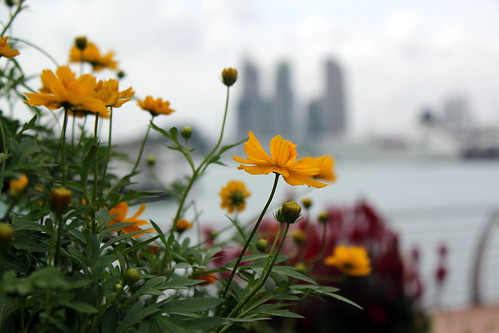
We can control two main things using aperture size. One is the density
of the light that comes in to the camera body through the aperture at one time, using this you can make your object is bright or
dim. Second thing is the "Field of depth" which means the background density or rather soft focus of the background. If you set
the smaller aperture (f/16 to f/32) you can get photograph which has greater depth of field or rather very clear background with
all in focus. If you set larger aperture (f/1.4 to f/8) you can get out of focused background with clear focus on your subject.

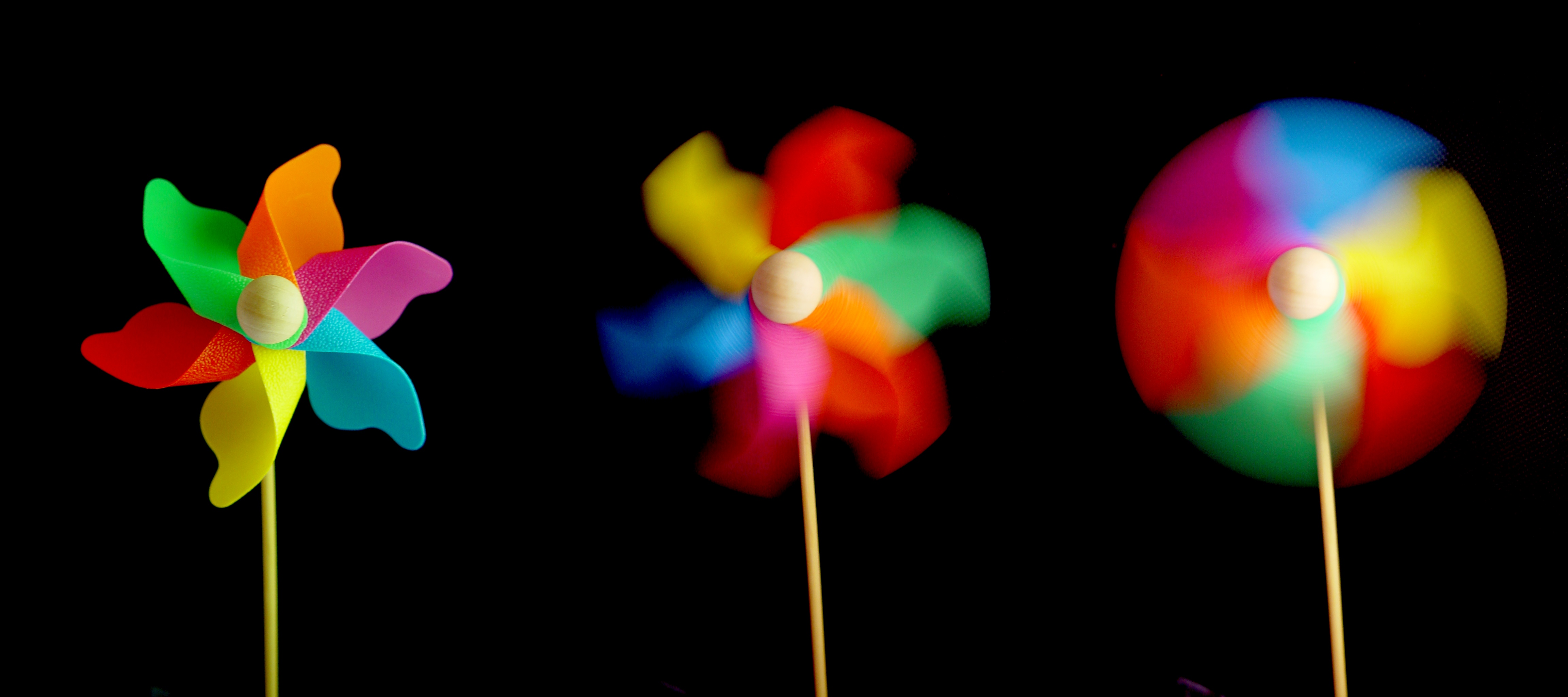
Shutter speed or rather exposure time is opening time of the shutter.
Since we can control the speed of the shutter using camera settings, we can control the light which comes inside to the
camera withing that "shutter speed" time period. For normal photography camera's shutter will stay open for about 1/250
th of a second. If the shutter stays open for 1/100 th of a second then more than twice as much light comes in. If the
shutter stays open for 1/500 of a second only half as much light come in. Shutter speeds can be as fast as 1/8000 of a
second (Depends on the camera).
In photography term for this setting is called "Film speed". The meaning of the ISO
is "International Organization for Standardization". The relationship of this setting to the photograph is if you are
shooting in bright light you'll want a low ISO rating i.e. ISO-100. If you are shooting in low light, perhaps indoors
or an evening setting, you'll want film with a high ISO rating i.e. ISO-1600.


I f you think you can get some knowledge add rep thanks for your support
we can not talk about photography without the word "light". So lets discuss three main items which helps us to control
light while taking the photographs.
Aperture
http://en.wikipedia.org/wiki/Aperture
Sometimes you may have seen a hole which opens inside the camera
lens when taking the photograph. The diameter of that hole called the "Aperture". we can control the size of the aperture using
camera settings. The lens aperture is usually specified as an f-number (ex: f/2, f/3) the ratio of focal length to effective aperture
diameter. Size of the aperture can change as numbers and that number settings in the range somewhere between 1.4 to 32
(Depends on your camera).
![url]](http://[url]http://www.clickphotodesignsblog.com/wp-content/uploads/2010/01/Aperture-Comparison.jpg[/url])
![url]](http://[url]http://www.1people1camera.com/wp-content/uploads/2009/04/aperture.jpg[/url])
We can control two main things using aperture size. One is the density
of the light that comes in to the camera body through the aperture at one time, using this you can make your object is bright or
dim. Second thing is the "Field of depth" which means the background density or rather soft focus of the background. If you set
the smaller aperture (f/16 to f/32) you can get photograph which has greater depth of field or rather very clear background with
all in focus. If you set larger aperture (f/1.4 to f/8) you can get out of focused background with clear focus on your subject.
Shutter Speed
http://en.wikipedia.org/wiki/Shutter_speedShutter speed or rather exposure time is opening time of the shutter.
Since we can control the speed of the shutter using camera settings, we can control the light which comes inside to the
camera withing that "shutter speed" time period. For normal photography camera's shutter will stay open for about 1/250
th of a second. If the shutter stays open for 1/100 th of a second then more than twice as much light comes in. If the
shutter stays open for 1/500 of a second only half as much light come in. Shutter speeds can be as fast as 1/8000 of a
second (Depends on the camera).
ISO settings
is "International Organization for Standardization". The relationship of this setting to the photograph is if you are
shooting in bright light you'll want a low ISO rating i.e. ISO-100. If you are shooting in low light, perhaps indoors
or an evening setting, you'll want film with a high ISO rating i.e. ISO-1600.


I f you think you can get some knowledge add rep thanks for your support
Last edited:


