

A unata thama unlaga display unit ekak wath ne nhOw wadi karala.e kiyanne demand 1 k athi.

Latest ads
-
V2ray VPN for Tunneling
- hu KANNA
- Updated:
-
 ඕනම රටකට සෙට් වෙන CV එකක්
- ErMurazor
- Updated:
-
 Hambantota 7 Acres Beachfront Land For Sell DownSouth , PerPerch Price 420 000
- 1024 Digital
- Updated:
-
 Baseus PI LITE INDOOR CAMERA
- ErMurazor
- Updated:
Suzuki Fronx Club - Preorders for Alpha 2025 From AMW
- Thread starter Nelza
- Start date
You are using an out of date browser. It may not display this or other websites correctly.
You should upgrade or use an alternative browser.
You should upgrade or use an alternative browser.

kohomada machan hoyaganne wet clutch or dry clutch da kiyalaDCT hama ekak ma awul yanne ne. wet clutch setup ekak nam thiyenne normally ok. kohomath normal AT gearbox walata wada tikak reliability eka adui.

kohomada machan hoyaganne wet clutch or dry clutch da kiyala
- .
- .
 Implications of Dry vs Wet DCT
Dry-clutch DCT (as in Sonet):- Clutches operate without oil immersion—simpler, lighter, and typically cheaper.
- Can get warmer and more prone to wear, especially in heavy stop-and-go city traffic.
- Clutch‑pack replacements can be required around 100,000–150,000 km, depending on driving habits and climate.
- Clutches are bathed in transmission fluid—better cooling and durability.
- Preferred in higher-torque or premium models (e.g., Seltos, Santa Fe).
- Typically more robust under demanding driving conditions.
 Summary
- Sonet DCT = dry‑clutch
- Offers good performance and efficiency, but may wear faster under heavy urban traffic
- Wet-clutch DCT (found in pricier models) provides more resilience but isn’t available in Sonet


eka nam direct widiyak ne. transmission eke model code eka aran eke specs balanna wenne. pahala kiyala thiyene widiyata Sonet eka dry clutch same as Vezel.kohomada machan hoyaganne wet clutch or dry clutch da kiyala

till up to Y'day
Advanced payment 250, 000 LKR
Total cost 9, 800, 000 LKR
from Today
Advanced?
Total coat 10, 250, 000 LK
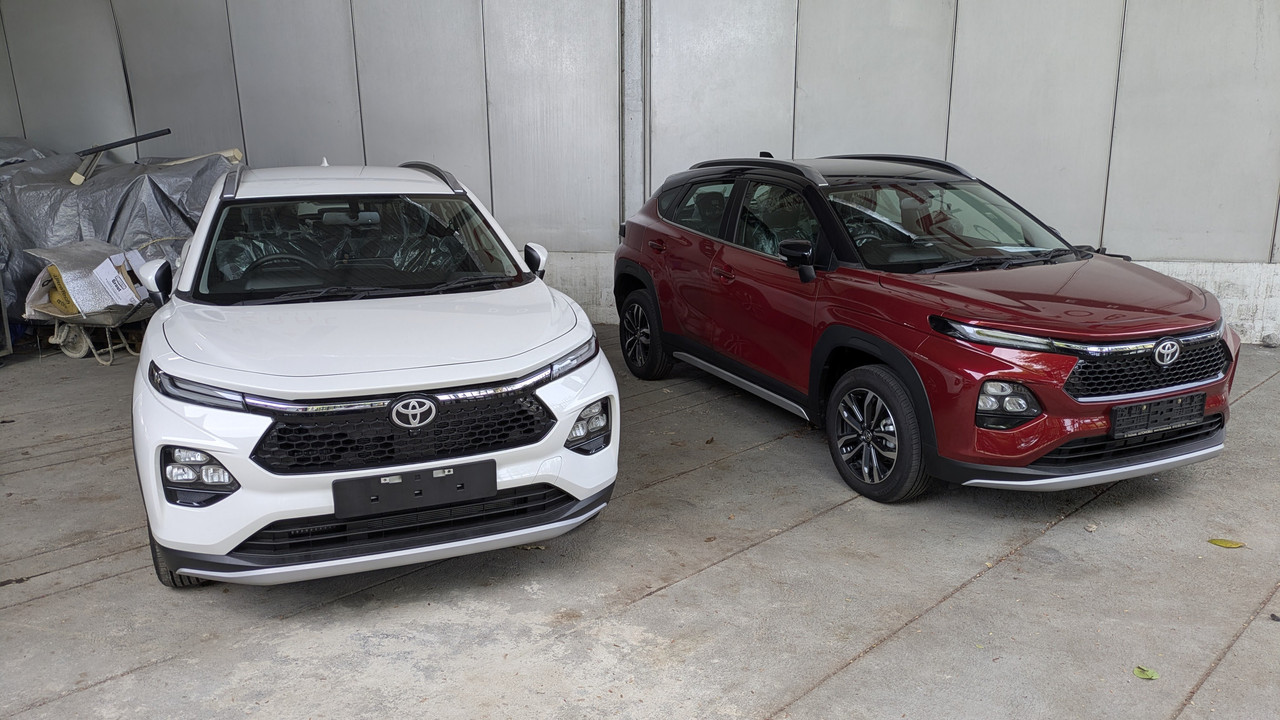
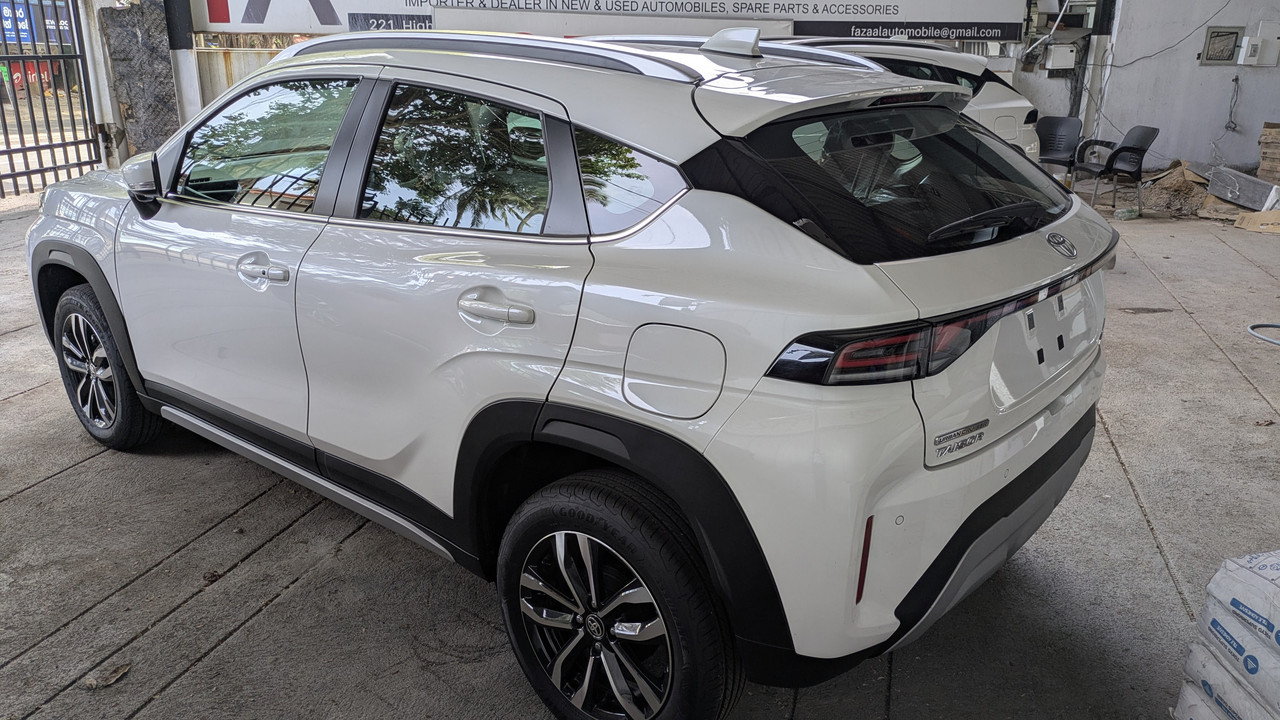
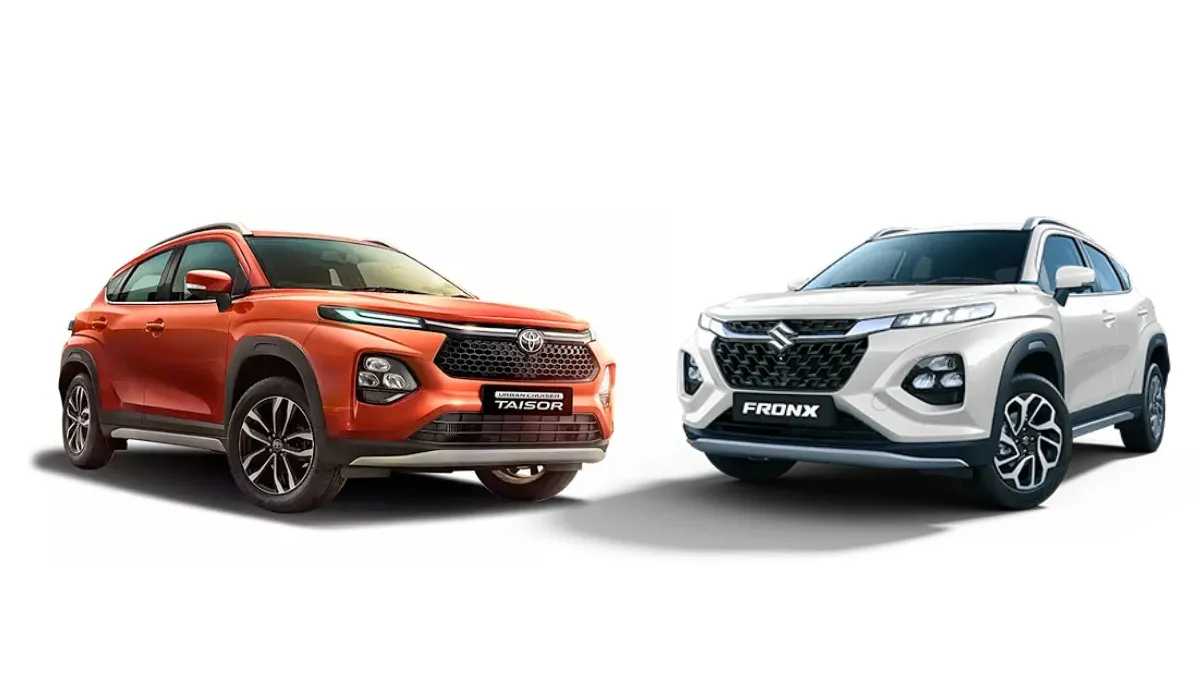
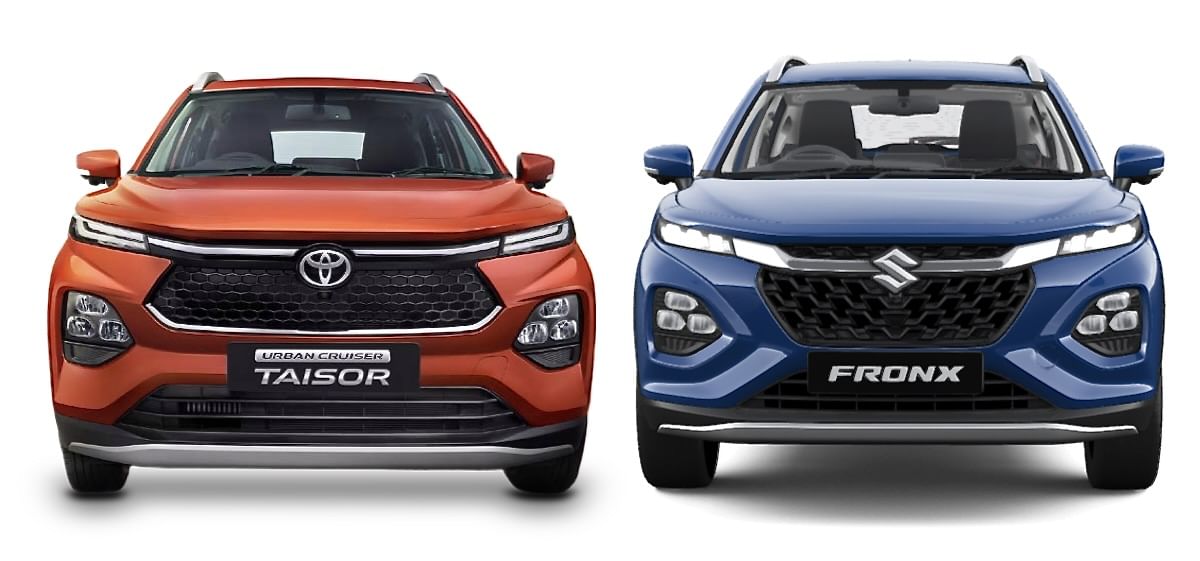
Rebadged version Toyota Taisor (images from - Fazaal Automobile)
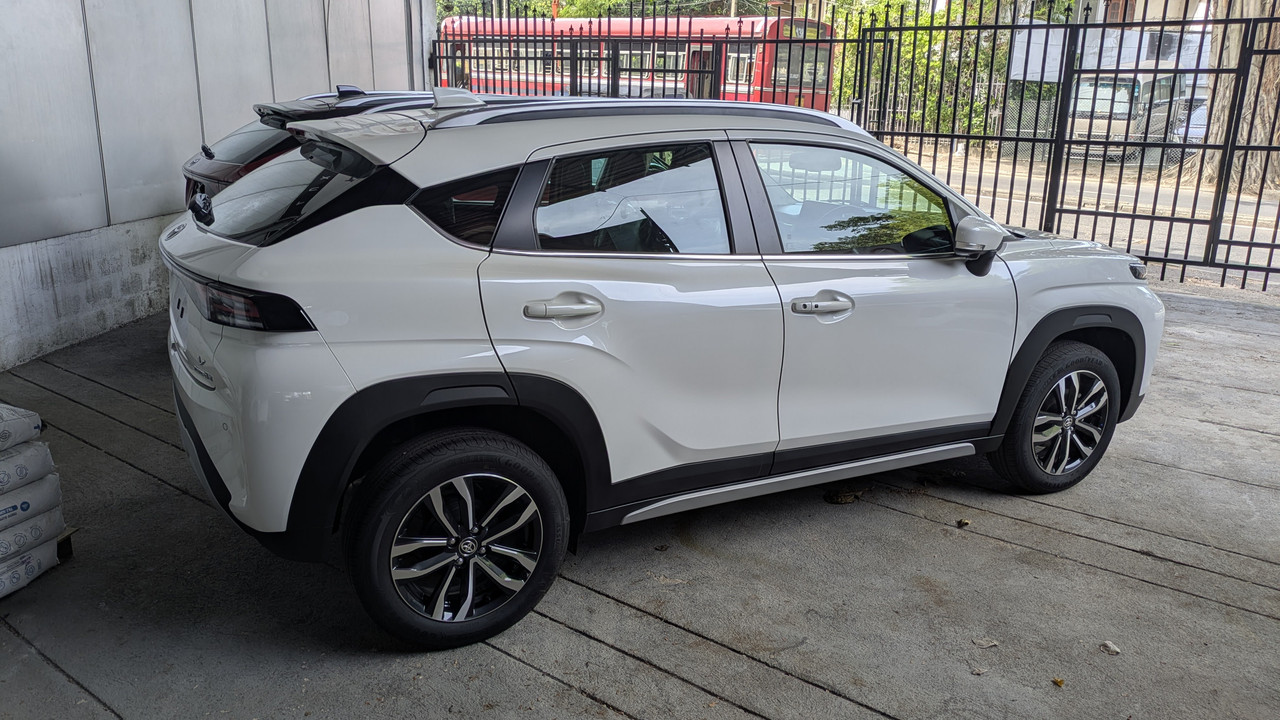
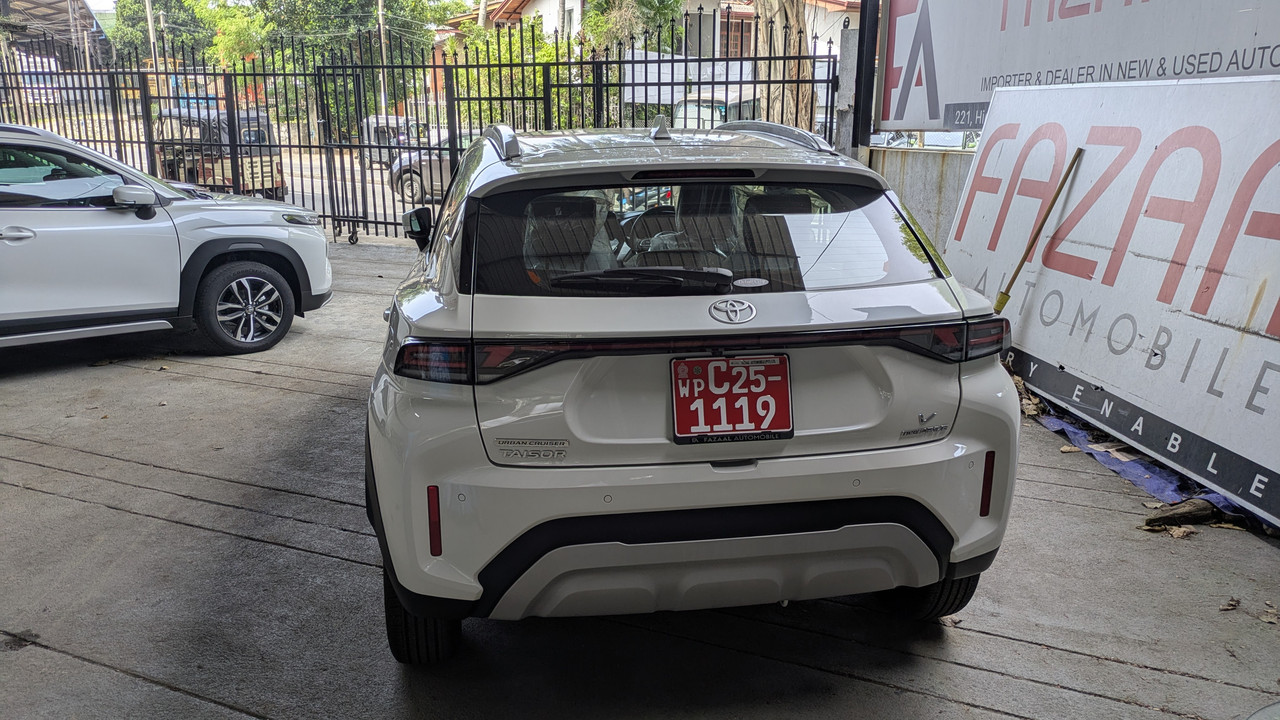
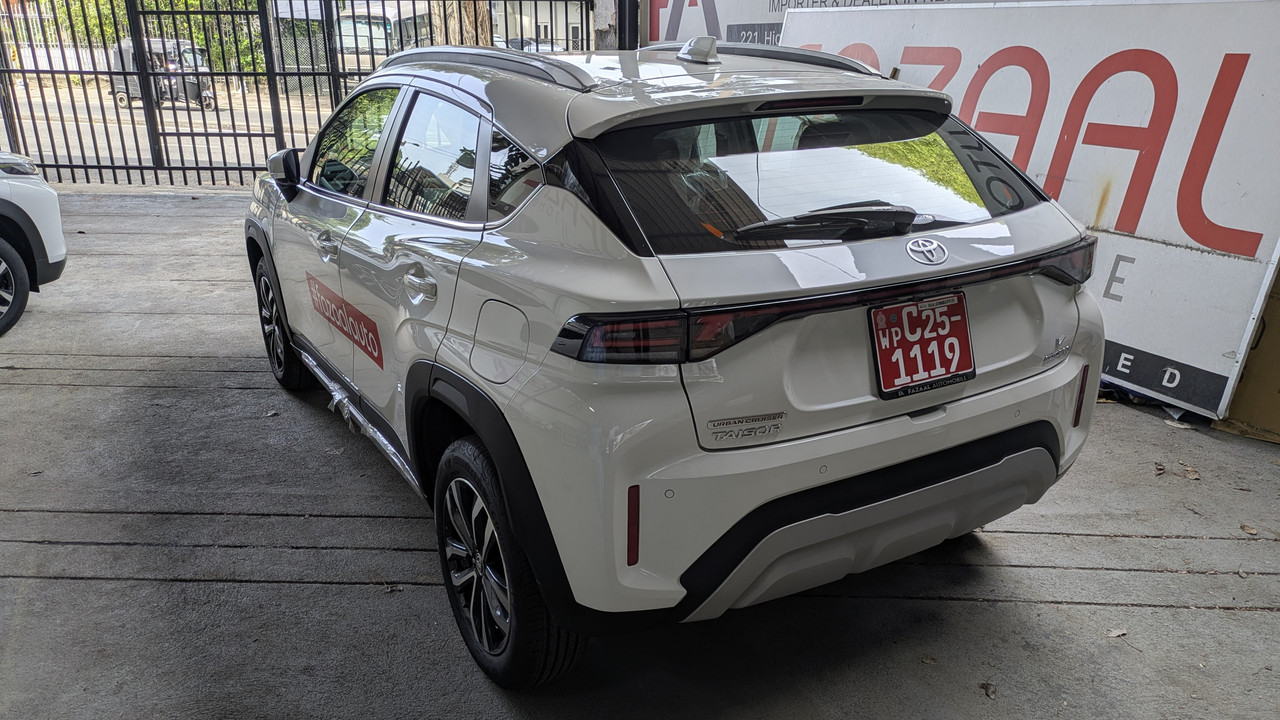
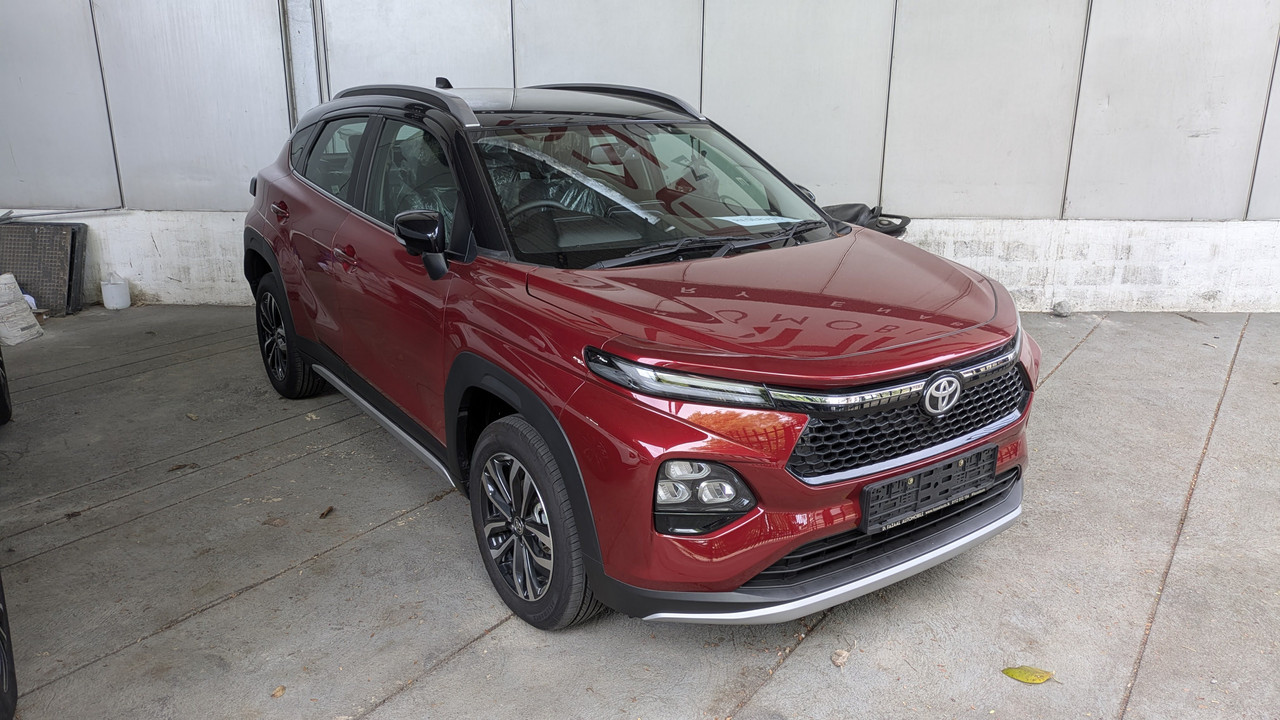
------ Post added on Jun 12, 2025 at 1:45 AM
Advanced payment 250, 000 LKR
Total cost 9, 800, 000 LKR
from Today
Advanced?
Total coat 10, 250, 000 LK
Rebadged version Toyota Taisor (images from - Fazaal Automobile)
------ Post added on Jun 12, 2025 at 1:45 AM
Last edited:

Taisor eka labaine bn kotiyakata ganna puluwan nan. Raize ekata wada penumaitill up to Y'day
Advanced payment 250, 000 LKR
Total cost 9, 800, 000 LKR
from Today
Advanced?
Total coat 10, 250, 000 LK
Rebadged version Toyota Taisor (images from - Fazaal Automobile)
------ Post added on Jun 12, 2025 at 1:45 AM
Both are Indian made.Taisor eka labaine bn kotiyakata ganna puluwan nan. Raize ekata wada penumai
Suzuki Fronx from AMW comes as brand-new for 10.25M
Toyota Taisor from Comes as a reconditioned from private importers for ~ 13M
Last edited:

Ow baleno hoda wahanayak ..mama gaththe nee gonekge kathawak ahalaganna aasai
salli na
baleno is a good vehicle , im using for last 7 years now
------ Post added on Jun 11, 2025 at 12:29 AM
machan uba pavichchi karanne baleno japan eka da amw eka da ?ganna aasai
salli na
baleno is a good vehicle , im using for last 7 years now
------ Post added on Jun 11, 2025 at 12:29 AM

imported from japan, All balenos made in indiamachan uba pavichchi karanne baleno japan eka da amw eka da ?

sinhalunta salli na kiwwt oya tynne ?Ow wadi karala.e kiyanne demand 1 k athi.

https://www.nexaexperience.com/configurator/fronx
"Suzuki Fronx is not primarily manufactured in Japan, Suzuki Fronx is assembled in India at Maruti Suzuki's Gujarat plant. It is then exported to various markets, including Japan, as part of the "Make in India" initiative. The Fronx is the second Maruti Suzuki model to be exported to Japan, following the Baleno. "
1. Not manufactured in india at all.
2. Look at Baleno, ask from a user!
3. Look at the reviews
4. This is the Highest grade Mild Hybrid - Alpha version
------ Post added on Jun 16, 2025 at 7:51 PM

machan ,baleno eke monawath issues ehema tihyenawada? uba dan kocchara duwalada? monawada awa major issues/repairs?imported from japan, All balenos made in india

Mekanm back seats ida madi wage netill up to Y'day
Advanced payment 250, 000 LKR
Total cost 9, 800, 000 LKR
from Today
Advanced?
Total coat 10, 250, 000 LK
Rebadged version Toyota Taisor (images from - Fazaal Automobile)
------ Post added on Jun 12, 2025 at 1:45 AM
Mekanm back seats ida madi wage ne
Not sure ban, ethula dekala nea, CHR eka ekata wadaa podida?
1. https://www.financialexpress.com/au...port-of-made-in-india-fronx-to-japan/3581896/
2. Suzuki Strategy is explained here, interesting - https://www.globalsuzuki.com/ir/library/financialpresentation/pdf/2025/0220_s.pdf

------ Post added on Jun 17, 2025 at 6:16 AM
Last edited:
2016 model im using, no majour issue ban , only ocncern is ground clearence from many users, other than that u get only general repairs like break pads so onmachan ,baleno eke monawath issues ehema tihyenawada? uba dan kocchara duwalada? monawada awa major issues/repairs?
Ground clearance case eka nattan hoda leda adu wahanayak2016 model im using, no majour issue ban , only ocncern is ground clearence from many users, other than that u get only general repairs like break pads so on

Similar threads

- Replies
- 20
- Views
- 1K

- Replies
- 75
- Views
- 4K


- Replies
- 22
- Views
- 1K

- Replies
- 3
- Views
- 441


- Replies
- 22
- Views
- 2K
