

Latest ads
-
 Peppa Pig Family Plush Toy Set – 5 Characters
- anil1961
- Updated:
-
Express VPN PC - 1 Year Rs. 600.00
- Sanathbh
- Updated:
-
Capcut Pro 7 Days Team Plan - Rs. 3️⃣0️⃣0️⃣
- Sanathbh
- Updated:
-
 Singapore V2ray VPN for Tunneling
- hu KANNA
- Updated:
-
Web hosting for your business
- avishka777
- Updated:
Vaginas grown in labs successfully
- Thread starter netlife007
- Start date
You are using an out of date browser. It may not display this or other websites correctly.
You should upgrade or use an alternative browser.
You should upgrade or use an alternative browser.
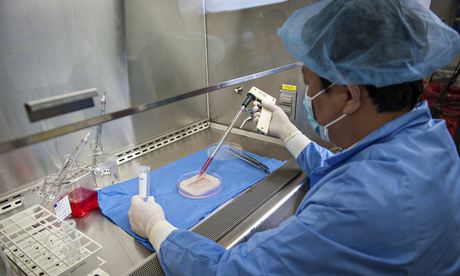
Scientists have successfully implanted vaginas grown in laboratories into four teenage girls who have a congenital condition which meant their own did not develop properly.
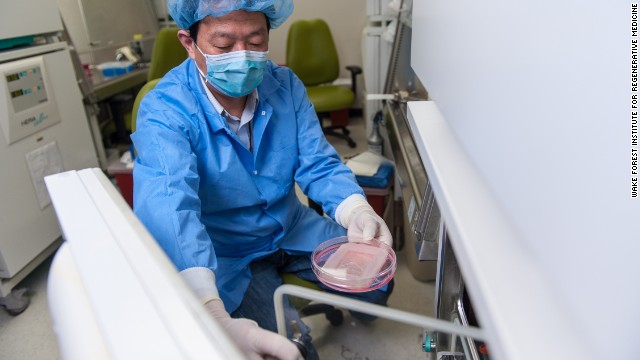
The artificial vaginas, engineered from the patient's own cells and individually made to fit them, allowed the women to later have full sex lives. As well as being a breakthrough in vaginal reconstruction, the US and Mexican scientists responsible for the procedures said it potentially meant other tissues or organs could be laboratory grown and implanted.
"This pilot study is the first to demonstrate that vaginal organs can be constructed in the lab and used successfully in humans," said lead researcher Dr Anthony Atala from Wake Forest Baptist medical centre in Winston-Salem, North Carolina.
"This may represent a new option for patients who require vaginal reconstructive surgeries. In addition, this study is one more example of how regenerative medicine strategies can be applied to a variety of tissues and organs."
The artificial vaginas, engineered from the patient's own cells and individually made to fit them, allowed the women to later have full sex lives. As well as being a breakthrough in vaginal reconstruction, the US and Mexican scientists responsible for the procedures said it potentially meant other tissues or organs could be laboratory grown and implanted.
"This pilot study is the first to demonstrate that vaginal organs can be constructed in the lab and used successfully in humans," said lead researcher Dr Anthony Atala from Wake Forest Baptist medical centre in Winston-Salem, North Carolina.
"This may represent a new option for patients who require vaginal reconstructive surgeries. In addition, this study is one more example of how regenerative medicine strategies can be applied to a variety of tissues and organs."
The patients, who were between 13 and 18, were all born with Mayer-Rokitansky-Kuster-Hauser (MRKH) syndrome (pdf), a rare genetic condition in which the vagina and uterus are underdeveloped or absent.
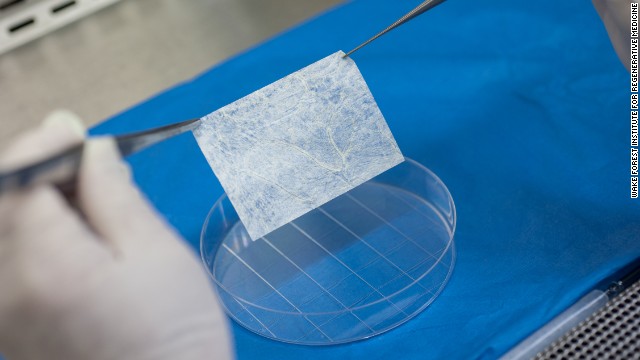
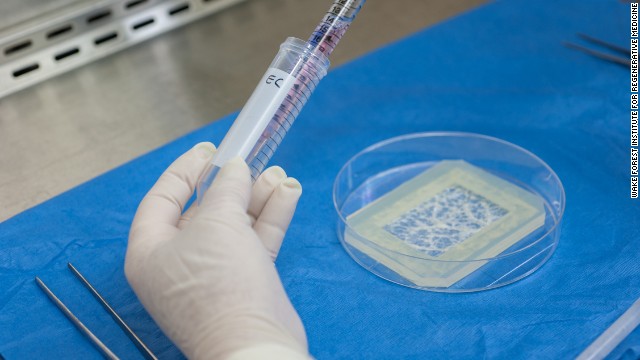
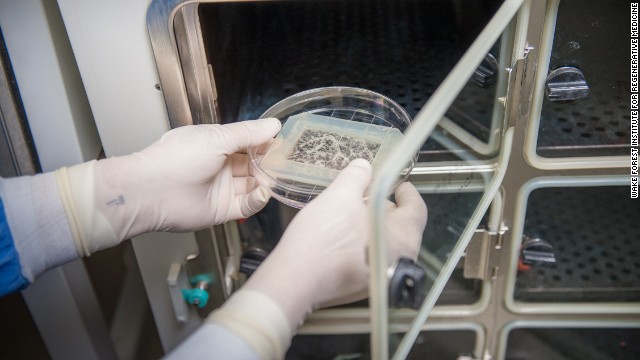
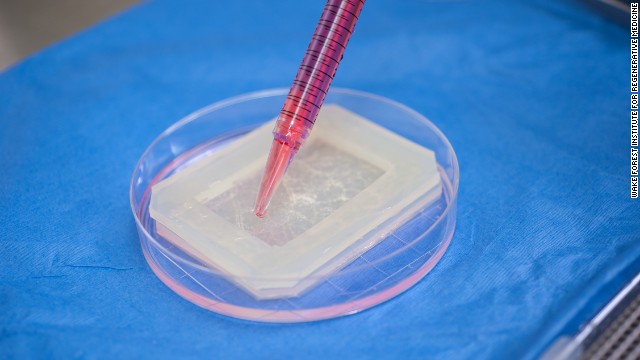
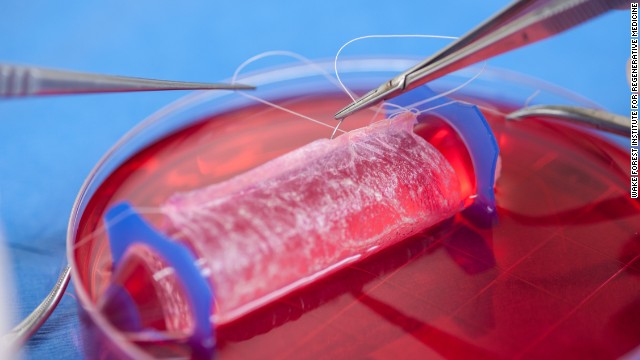
Using vulva tissue from each patients, the team grew tissue around vagina-shaped biodegradeable scaffolds before implanting the fully formed vagina.
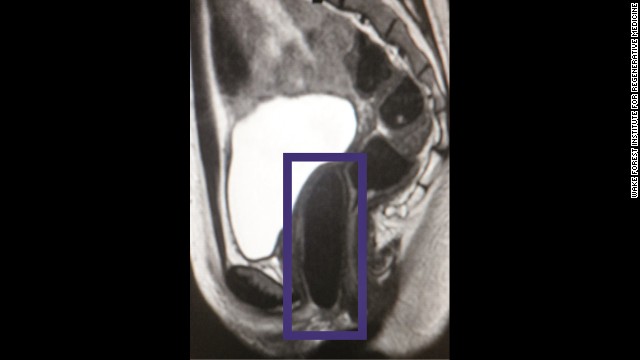
Follow-up tests over a number of years – the first of the implants took place eight years ago, although findings have only just been reported – found the engineered vaginas worked as hoped, with the women reporting they were able to have sex normally, without pain. None had yet become pregnant, but that is believed to be possible. The research is published in the medical journal the Lancet.
One of the patients, speaking anonymously, was quoted as saying the procedure had been hugely important to her life: "Truly I feel very fortunate because I have a normal life, completely normal."
Atala said: "Yearly tissue biopsy samples show that the reconstructed tissue is histologically and functionally similar to normal vaginal tissue. This technique is a viable option for vaginal reconstruction and has several advantages over current reconstructive methods because only a small biopsy of tissue is required, and using vaginal cells may reduce complications that arise from using non-vaginal tissue, such as infection and graft shrinkage."
Separately, he told the BBC: "Really, for the first time we've created a whole organ that was never there to start with. It was a challenge." Seeing the difference the breakthrough made to the women's lives was very rewarding, he added.

Vaginas grown in labs successfully
ohoma ekakwath tho daganin pons.

ohoma ekakwath tho daganin pons.
තෝ වගේ එකෙක්ට කිම්බකින් ඇති වැඩේ මොකකද ?
.


ohoma ekakwath tho daganin pons.
kotta babata ekak aragena deepan.

ohoma ekakwath tho daganin pons.
kotta babata ookak implant karapan pons. nice couple

ubata dan hari sathutu athi neda? dan kochchara raja gedara giyath awulak nahane
තෝ වගේ මුඩුක්කු වලින් එන JVP ජාතික වේසීගේ පුතාලාට ගෙවල් දැක්කම හුල්ලනවා මිසක් වෙන මෝනවා කරණ්නද.
.

තෝ වගේ මුඩුක්කු වලින් එන JVP ජාතික වේසීගේ පුතාලාට ගෙවල් දැක්කම හුල්ලනවා මිසක් වෙන මෝනවා කරණ්නද.
.
raja gedara dankuda kala....boru hu@#$hak set karapu ganiyekata arinakota sapada mathiya


Similar threads


- Replies
- 2
- Views
- 294


- Replies
- 2
- Views
- 143