Coronavirus (Covid19) Megathread #3

Status
Not open for further replies.

Pessimist

Well-known member
  • Mar 6, 2018
    20,665
    1,562
    113
    🌎
    lq6bzol4x9r41.jpg

    මේ කතාවෙ ඇත්තකුත් තියෙනව :( ඒ මිනිස්සු පව් එක අතකිං බලද්දි :sorry: ඒත් නැතුවත් බැහැ :(
     

    KasunKDP

    Well-known member
  • Oct 29, 2013
    35,872
    1,652
    113
    hell
    මේ කතාවෙ ඇත්තකුත් තියෙනව :( ඒ මිනිස්සු පව් එක අතකිං බලද්දි :sorry: ඒත් නැතුවත් බැහැ :(

    raja kale iota hapan. kiyala hitha hadaganna thiyenne:baffled:
     

    yapa100

    Well-known member
  • Oct 21, 2009
    8,725
    19,484
    113
    අපේ ගෙදර

    imhotep

    Well-known member
  • Mar 29, 2017
    14,825
    8
    35,339
    113
    Covid testing methods and shortcomings in brief.

    Just a brief round up on different testing methods and some of their drawbacks. Have seen numerous questions being asked in the main Covid threads and thought to clarify for the general reader.

    Essentially there are two main methods on how to detect a viral infection. These are the PCR (Polymerase Chain Reaction) and Immunoassays.

    A PCR has to be done in a Lab setting. Basically a PCR is a technique to amplify small samples of DNA into much larger quantities that can be detected and analysed.
    It was invented by a US biochemist Kary Mullis, and was awarded the Nobel prize in Chemistry in 1993.
    There are several stages involved in this process, which I am not going into detail, but what it basically does is to generate several thousands of copies of a particular section of DNA from a very small amount of DNA.

    The Covid-19 is a RNA virus, and hence the PCR has to be preceded by an additional step to produce a complementary DNA template (cDNA) from the RNA.

    This is done by the addition of a Reverse Transcriptase Enzyme- hence it's called as - Reverse Transcription-PCR (or aRT-PCR)
    From the cDNA there are a few more stages done by the addition of primers to create create the DNA and this trace DNA is massively amplified and followed by the addition of DNA probes, which produces a detectable marker.

    Note that the PCR detects the presence of the virus itself - and thus gives a more accurate result.

    A standard PCR could take a couple of days to perform. Hence several rapid tests have been developed. These give results less than an hour. One typical method how these tests work faster is as follows.

    Out of nearly 30,000 nucleotides in the virus, a rapid test targets just 100 nucleotides that are specific to Covid-19.
    These 100 nucleotides include two specific genes in the genome. A sample is considered positive if the test finds both genes, inconclusive if just one gene is found, and negative if neither gene is detected. This technique enables the faster processing to achieve the end result.

    An Immunoassay on the other hand, detects the presence of immune proteins - usually an antigen or an antibody.
    These are usually paper strips and with a couple of drops of blood the test is done. An ongoing or past infection can be detected by using a reporter protein.
    These are known as serological tests and or the rapid IgG/IgM tests.
    Note - Immunoglobulin G (IgG) is the most abundant antibody found and Immunoglobulin M (IgM) is the first antibody to be made by the body to fight a new infection.

    One of the advantages of the immunoassay is the ability to detect a past infection. When someone gets cured from Covid-19 infection, the virus is no longer in the body (hence there is no viral RNA), so a PCR test will yield a negative result but the antibodies remain for years.

    But sadly these antibody tests do have a big disadvantage - they rely on the detection of the antibodies that the patient develops as a response to the infection - Note that these tests do NOT detect the virus itself.
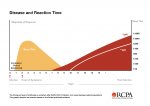
    A typical patient might develop the antibodies for Covid-19, one week to 12 days after they first become sick.
    So a rapid test done early in the disease can be totally wrong.
    Refer to the figure below to understand how the IgG/IgM develops.

    Disease_Reaction_Time.jpg


    However these IgG/IgM rapid test kit quality & sensitivities depends on the manufacturer and the cost. A typical company in the UK claims the following.

    "A total of 525 cases were tested: 397 (positive) clinically confirmed (including PCR test) SARS-CoV-2-infected patients and 128 non- SARS-CoV-2-infected patients (128 negative). Of the 397 blood samples from SARS-CoV-2-infected patients, 352 tested positive, resulting in a sensitivity of 88.66%. Twelve of the blood samples from the 128 non-SARS-CoV-2 infection patients tested positive, generating a specificity of 90.63%."


    There are several companies that are developing a combined antigen/antibody assays that could work at the onset of the infection itself - but these type of rapid tests are not in the market yet.

    The Abbott laboratories developed 5 minute test (which I have mentioned in another post sometime ago) is a molecular test that's accurate, but not cheap and needs their diagnostic platform which has to be purchased. So it's not going to be an option for SriLanka.
     
    • Like
    Reactions: Pessimist

    yapa100

    Well-known member
  • Oct 21, 2009
    8,725
    19,484
    113
    අපේ ගෙදර
    ආණමඩුව මුලික රෝහලේ වෛද්‍යවරුන් දෙදෙනෙකු ඇතුළු සෞඛ්‍ය කාර්ය මණ්ඩලයේ දස දෙනෙකු දින 14 ක ස්වයං නිරෝධායනයට යොමු කර තිබේ.
     

    Hyaenidae

    Well-known member
  • Apr 8, 2015
    52,514
    2
    54,014
    113
    ආණමඩුව මුලික රෝහලේ වෛද්‍යවරුන් දෙදෙනෙකු ඇතුළු සෞඛ්‍ය කාර්ය මණ්ඩලයේ දස දෙනෙකු දින 14 ක ස්වයං නිරෝධායනයට යොමු කර තිබේ.

    Sinhalu are safe
     

    yapa100

    Well-known member
  • Oct 21, 2009
    8,725
    19,484
    113
    අපේ ගෙදර
    Sinhalu are safe

    [B]මෙහෙම ගියොත් ඩොකාලා මෙකෙන් අයින් වෙයි කියලාත් සාධාරණ බයක් එනවා.උන් කොච්චර කිව්වාත් මුන් කියනදේ අහන්නේ නනේ[/B]
     

    Pessimist

    Well-known member
  • Mar 6, 2018
    20,665
    1,562
    113
    🌎
    Covid testing methods and shortcomings in brief.

    Just a brief round up on different testing methods and some of their drawbacks. Have seen numerous questions being asked in the main Covid threads and thought to clarify for the general reader.

    Essentially there are two main methods on how to detect a viral infection. These are the PCR (Polymerase Chain Reaction) and Immunoassays.

    A PCR has to be done in a Lab setting. Basically a PCR is a technique to amplify small samples of DNA into much larger quantities that can be detected and analysed.
    It was invented by a US biochemist Kary Mullis, and was awarded the Nobel prize in Chemistry in 1993.
    There are several stages involved in this process, which I am not going into detail, but what it basically does is to generate several thousands of copies of a particular section of DNA from a very small amount of DNA.

    The Covid-19 is a RNA virus, and hence the PCR has to be preceded by an additional step to produce a complementary DNA template (cDNA) from the RNA.

    This is done by the addition of a Reverse Transcriptase Enzyme- hence it's called as - Reverse Transcription-PCR (or aRT-PCR)
    From the cDNA there are a few more stages done by the addition of primers to create create the DNA and this trace DNA is massively amplified and followed by the addition of DNA probes, which produces a detectable marker.

    Note that the PCR detects the presence of the virus itself - and thus gives a more accurate result.

    A standard PCR could take a couple of days to perform. Hence several rapid tests have been developed. These give results less than an hour. One typical method how these tests work faster is as follows.

    Out of nearly 30,000 nucleotides in the virus, a rapid test targets just 100 nucleotides that are specific to Covid-19.
    These 100 nucleotides include two specific genes in the genome. A sample is considered positive if the test finds both genes, inconclusive if just one gene is found, and negative if neither gene is detected. This technique enables the faster processing to achieve the end result.

    An Immunoassay on the other hand, detects the presence of immune proteins - usually an antigen or an antibody.
    These are usually paper strips and with a couple of drops of blood the test is done. An ongoing or past infection can be detected by using a reporter protein.
    These are known as serological tests and or the rapid IgG/IgM tests.
    Note - Immunoglobulin G (IgG) is the most abundant antibody found and Immunoglobulin M (IgM) is the first antibody to be made by the body to fight a new infection.

    One of the advantages of the immunoassay is the ability to detect a past infection. When someone gets cured from Covid-19 infection, the virus is no longer in the body (hence there is no viral RNA), so a PCR test will yield a negative result but the antibodies remain for years.

    But sadly these antibody tests do have a big disadvantage - they rely on the detection of the antibodies that the patient develops as a response to the infection - Note that these tests do NOT detect the virus itself.
    A typical patient might develop the antibodies for Covid-19, one week to 12 days after they first become sick.
    So a rapid test done early in the disease can be totally wrong.
    Refer to the figure below to understand how the IgG/IgM develops.

    View attachment 79039


    However these IgG/IgM rapid test kit quality & sensitivities depends on the manufacturer and the cost. A typical company in the UK claims the following.

    "A total of 525 cases were tested: 397 (positive) clinically confirmed (including PCR test) SARS-CoV-2-infected patients and 128 non- SARS-CoV-2-infected patients (128 negative). Of the 397 blood samples from SARS-CoV-2-infected patients, 352 tested positive, resulting in a sensitivity of 88.66%. Twelve of the blood samples from the 128 non-SARS-CoV-2 infection patients tested positive, generating a specificity of 90.63%."


    There are several companies that are developing a combined antigen/antibody assays that could work at the onset of the infection itself - but these type of rapid tests are not in the market yet.

    The Abbott laboratories developed 5 minute test (which I have mentioned in another post sometime ago) is a molecular test that's accurate, but not cheap and needs their diagnostic platform which has to be purchased. So it's not going to be an option for SriLanka.

    BUMP
     
    • Like
    Reactions: imhotep
    Status
    Not open for further replies.