මේ තමයි සමසමානාත්මතාවය...අනික් අයගේ අසාවන් වලටත් ගරු කරන්නSHIT MONA REDDAKDA OI MEKA. THREAD EKA KALA

Latest ads
-
 Cinnamoroll Soft Toy – Cute & Cuddly Plush
- anil1961
- Updated:
-
 Google Pixel 9 Pro
- vgp
- Updated:
-
Jobreceive.com for sale
- Blogerwiki
- Updated:
-
 Post Your Vehicle for Sale — FREE! - https://libro.lk
- Kalu_Puth
- Updated:
-
 ඔයාගෙ Assignment හෝ Thesis එක හරියට හදාගමු
- ErMurazor
- Updated:
You are using an out of date browser. It may not display this or other websites correctly.
You should upgrade or use an alternative browser.
You should upgrade or use an alternative browser.

eeya koluu karayo.. athal eke thani athin pitu pella pella sokade holla holla athe gahapy ekama thread eka kala damma pakaya
රිපෝට් කරහන්


මේ තමයි සමසමානාත්මතාවය...අනික් අයගේ අසාවන් වලටත් ගරු කරන්න
මේ තමයි සමසමානාත්මතාවය...අනික් අයගේ අසාවන් වලටත් ගරු කරන්න
uba venama thread ekak dapan. ME thread eka vinasa karanna epa


මෙහෙම කරන්න යාලුවනේ,
ඔය "සමසමානාත්මතාවය...අනික් අයගේ අසාවන් වලටත් ගරු කරන්න" කියලා ලබ්බවල් දාන හැම එකාටම.
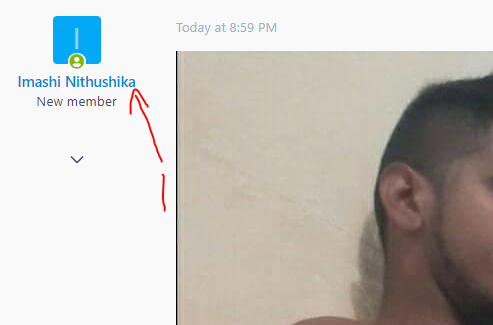
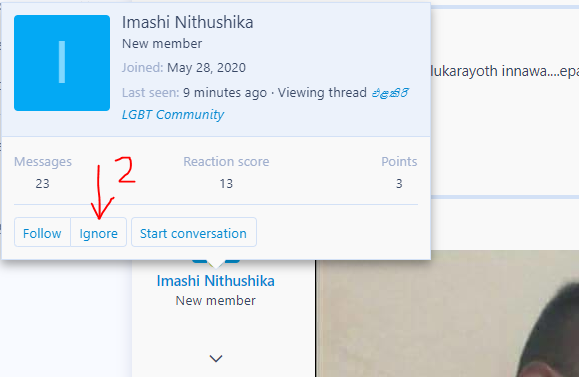
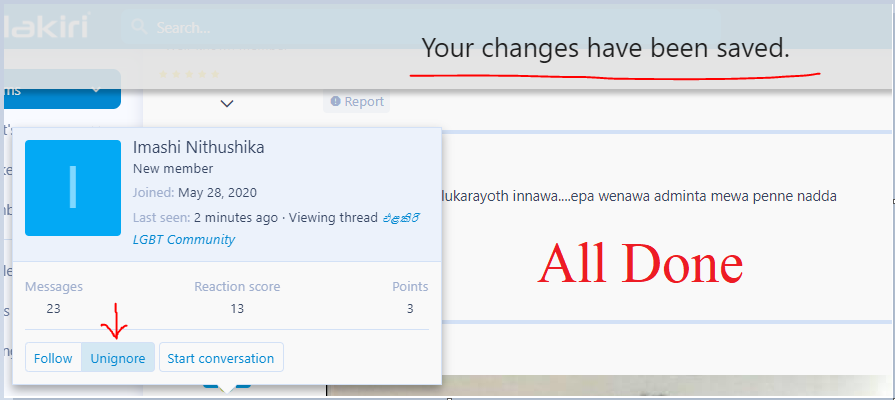
දැන් Page Refresh (F5) කරන්න.
ඔය "සමසමානාත්මතාවය...අනික් අයගේ අසාවන් වලටත් ගරු කරන්න" කියලා ලබ්බවල් දාන හැම එකාටම.
දැන් Page Refresh (F5) කරන්න.

@scurvy සමරිසි ද?
adada dannne
මේ තමයි සමසමානාත්මතාවය...අනික් අයගේ අසාවන් වලටත් ගරු කරන්න
hari dan ubage asawa kiyapanko?? monada wenna ona

why don't you post in a new thread instead of posting here?
Scurvy SPA යනවා, ඇන්ටිලාට ගහනවා. එහෙම කෙනෙක් සමරිසි වෙන්න පුළුවන් ද
SPA yanawa athi eth auntyilata gahanawa kiyala uba danne kohomada???

UNP ewun campaign karanawa da ??


ත්රෙඩ් එකේ නම අත් වැඩ ඉතින් සමසිරි උන් අත්වැඩ කරන්නේ එයිලව බලාගෙන නේ. සම අයිතිවාසිකම් ඉල්ලන් ඇවිත් . 
Mey thread ekey udin daala thiyenne 'ලාන්කීය නිලියගේ හෝ නිරූපිකාවගේ' kiyala. Anik evata onenam venama thread ekak hadaganna.මේ තමයි සමසමානාත්මතාවය...අනික් අයගේ අසාවන් වලටත් ගරු කරන්න


ත්රෙඩ් එකේ නම අත් වැඩ ඉතින් සමසිරි උන් අත්වැඩ කරන්නේ එයිලව බලාගෙන නේ. සම අයිතිවාසිකම් ඉල්ලන් ඇවිත් .
The third gendered in Sri Lanka are not as openly discussed as in other parts of South Asia. Though a strong tradition of transgender people exists in Sri Lanka, and even though these people have been allowed to convert for a long period of time, third gendered people have mostly avoided mainstream discussion on the island. A number of reports state that the concept of third gender is not found on island, but binary concepts are found that are similar to third gender
Hinduism
The concept of gender changing is very common within historic and ancient Indian culture, and distinction between biological sex and cultural gender was not made.
Sri Lanka's third gendered "hold an ancient association with a Hindu goddess of fertility to which they are said to sacrifice their own fertility for the sake of others. By becoming eunuchs, Hijras become semi-sacred, and can bless the health and fertility of newlyweds and newborns."
The Tamils of the Northern Province have a culture of cross-dressing, "so [a male] being feminine isn’t an entirely alien concept".
Buddhism
The term 'pandaka' can be used to trace the history of third gender back to the awakening of the Buddha and the arrival of Buddhism to Sri Lanka over two millennia ago. Buddhaghosa, a monk in Anurādhapura, Sri Lanka, wrote about pandaka; they "are full of defiling passions (ussanakilesa); their lusts are unquenchable (avupasantaparilaha); and they are dominated by their libido (parilahavegabhibhuta) and the desire for lovers just like prostitutes (vesiya) and coarse young girls (thulakumarika)" He also stated that they are “whose sexual burning is assuaged by taking another man’s member in his mouth and being sprayed by semen” and usuya (“jealous”) pandakas as those “whose sexual burning is assuaged by watching other people having sex”.
The Pali Tipitaka, the form of Buddhism followed in Thailand and Sri Lanka, and the most complete transmission being held custodian in Sri Lanka, "mentions several different types of transgendered states and individuals – the man-like woman (vepurisikā), sexual indistinctness (sambhinna), one having the characteristics of both genders (ubhatovyañjanaka), etc.".
Peter Jackson of the Australian National University felt that the Pali Canon had significant influence on the third gender cultures of Sri Lanka and similar countries such as Thailand; "Never the less [sic], what makes accounts of sex and gender in these ancient Indian texts especially fascinating is their contemporary relevance in Thailand, which together with Sri Lanka, Burma, Laos and Cambodia forms part of the Asian cultural sphere in which Therava da Buddhism remains a vital cultural institution."
*Pandaka
The term '' has two meaning in Indian languages. The first refers to 'eunuchs' and is of Tamil origin. The second refers to homosexual men and is academically considered to be a form of slang.
*Nachchi/Napunseka
Nachchis are described as being a variety of people that do not conform to hetereosexual male stereotypes. It was historically used to describe cross-dressers but now is mostly used to describe transgender people. But they are not real transgender people
A few organizations such as the National Aids Council describe the community as being "effeminate men who have sex with other men. They also operate as MSWs, and pick up clients from various cruising points. In addition to having clients, they often have regular male sex partners, with whom sexual activity takes place without financial transactions." It is debatable what this refers to however as there is no clean definition provided.
Other organizations describe them as being a subculture of the transgender community, often as a substitute for the terms such as third gender or hijra.
Nice one machan . Unfortunately more people even bother to read this . Sri lankan culture is fucked up according to me worst than stone age in some areas . Main reason we live in an island and our ass hole politics and poor old social and health education .The third gendered in Sri Lanka are not as openly discussed as in other parts of South Asia. Though a strong tradition of transgender people exists in Sri Lanka, and even though these people have been allowed to convert for a long period of time, third gendered people have mostly avoided mainstream discussion on the island. A number of reports state that the concept of third gender is not found on island, but binary concepts are found that are similar to third gender
Hinduism
The concept of gender changing is very common within historic and ancient Indian culture, and distinction between biological sex and cultural gender was not made.
Sri Lanka's third gendered "hold an ancient association with a Hindu goddess of fertility to which they are said to sacrifice their own fertility for the sake of others. By becoming eunuchs, Hijras become semi-sacred, and can bless the health and fertility of newlyweds and newborns."
The Tamils of the Northern Province have a culture of cross-dressing, "so [a male] being feminine isn’t an entirely alien concept".
Buddhism
The term 'pandaka' can be used to trace the history of third gender back to the awakening of the Buddha and the arrival of Buddhism to Sri Lanka over two millennia ago. Buddhaghosa, a monk in Anurādhapura, Sri Lanka, wrote about pandaka; they "are full of defiling passions (ussanakilesa); their lusts are unquenchable (avupasantaparilaha); and they are dominated by their libido (parilahavegabhibhuta) and the desire for lovers just like prostitutes (vesiya) and coarse young girls (thulakumarika)" He also stated that they are “whose sexual burning is assuaged by taking another man’s member in his mouth and being sprayed by semen” and usuya (“jealous”) pandakas as those “whose sexual burning is assuaged by watching other people having sex”.
The Pali Tipitaka, the form of Buddhism followed in Thailand and Sri Lanka, and the most complete transmission being held custodian in Sri Lanka, "mentions several different types of transgendered states and individuals – the man-like woman (vepurisikā), sexual indistinctness (sambhinna), one having the characteristics of both genders (ubhatovyañjanaka), etc.".
Peter Jackson of the Australian National University felt that the Pali Canon had significant influence on the third gender cultures of Sri Lanka and similar countries such as Thailand; "Never the less [sic], what makes accounts of sex and gender in these ancient Indian texts especially fascinating is their contemporary relevance in Thailand, which together with Sri Lanka, Burma, Laos and Cambodia forms part of the Asian cultural sphere in which Therava da Buddhism remains a vital cultural institution."
*Pandaka
The term '' has two meaning in Indian languages. The first refers to 'eunuchs' and is of Tamil origin. The second refers to homosexual men and is academically considered to be a form of slang.
*Nachchi/Napunseka
Nachchis are described as being a variety of people that do not conform to hetereosexual male stereotypes. It was historically used to describe cross-dressers but now is mostly used to describe transgender people. But they are not real transgender people
A few organizations such as the National Aids Council describe the community as being "effeminate men who have sex with other men. They also operate as MSWs, and pick up clients from various cruising points. In addition to having clients, they often have regular male sex partners, with whom sexual activity takes place without financial transactions." It is debatable what this refers to however as there is no clean definition provided.
Other organizations describe them as being a subculture of the transgender community, often as a substitute for the terms such as third gender or hijra.

හුත්තෝ කැද හැලි වගේ ජොක්කු ඇදලා ඉන්න පයියවල් පෙන්නන් ඉන්න ඒවා නොදා අඩුම ගානේ ඇගවත් හදපු එකෙක්ගේ එකක් දාපන් . මොන සෙප්පඩ බිජ්ජොද මේ.


