ලංකාවේ ඉන්ධන අවශ්යතාව බාගෙකින් අඩු කරන්න #EV වලට පුළුවන්. If every car, three-wheeler, truck, bike and bus on Sri Lankan roads ran on electricity instead of petrol or diesel, the country could slash its #oil #consumption by roughly 60 per cent, while increasing #electricity demand by only about 10-15 per cent.
The figures highlight the potentially dramatic impact #electric #vehicles could have on Sri Lanka’s #energy system and its near-total reliance on imported fuel.
Sri Lanka currently consumes about 90,000–100,000 barrels of oil each day (based on recent #petroleum product sales of around 4.47 million metric tonnes annually), most of it used to power transport. Road vehicles alone — including cars, three-wheelers, trucks and buses — account for around 60 per cent of the nation’s petroleum product use (gasoline and auto diesel/super diesel make up the bulk, with total road transport fuels exceeding 3 million metric tonnes in recent normal years).
If those vehicles were fully electrified, the country could eliminate roughly 55,000–60,000 barrels of oil demand every day, equal to more than 20 million barrels a year.
Even electrifying just passenger cars and light vehicles would make a major dent in fuel consumption. Sri Lankan passenger vehicles burn about 1.8 billion litres of petrol annually (from recent sales of ~1.36 million metric tonnes of petrol grades), meaning widespread electric vehicle adoption could reduce oil demand by roughly one-third.
The shift could also reshape Sri Lanka’s energy independence. The nation imports virtually 100 per cent of its fuel, leaving it heavily dependent on overseas supply chains and vulnerable to global price shocks and foreign exchange shortages.
Electric vehicles, by contrast, run on electricity produced domestically — increasingly from renewable sources such as hydro, wind and solar.
Despite the scale of #fuel savings, the impact on the electricity grid would be relatively modest.
Passenger vehicles in Sri Lanka travel roughly 15 billion kilometres each year (estimated from petrol consumption and typical light-vehicle fuel economy in local conditions). A typical electric car uses roughly 15 kilowatt-hours of electricity per 100 kilometres, meaning a fully electrified passenger and light-vehicle fleet would require about 2.25 terawatt-hours of electricity annually.
Sri Lanka currently generates roughly 17 terawatt-hours of electricity per year (#CEB net generation with IPPs reached 16.8 TWh in 2024), meaning the transition would increase total demand by only around 10–15 per cent.
Spread across the year, the additional energy would amount to an average of about 0.25–0.3 gigawatts of power — a manageable increase for a national grid already expanding renewable capacity through solar and wind additions, along with the 900 MW coal plant. Use of hydro reserves for non-energy needs should be critically managed.
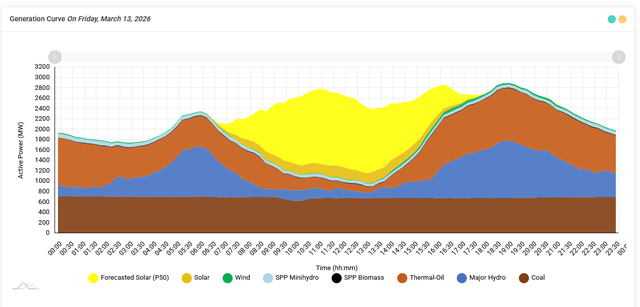
The impact could be even easier to manage because most electric vehicle charging occurs within off-peak hours, when electricity demand is typically lowest and renewable output can be better utilised with battery storage and daytime Solar powered pumped hydro.
The result is a striking equation: replacing petrol and diesel vehicles with electric ones could cut national oil consumption in half (or more), while requiring only a relatively small expansion of electricity generation.
In practical terms, the electricity needed to power Sri Lanka’s entire passenger vehicle fleet could be supplied by a handful of large wind or solar farms.
Grid modernisation and at least doubling the rooftop solar generation will do wonders! Daytime DC fast charging also should be encouraged, with direct solar. EV batteries itself can be energy storages.
The numbers suggest electric vehicles could play a central role in our national energy security.
Sri Lanka could have much greater control over its energy resources.
Our heavy reliance on imported fuel is risky. The whole world is transforming the transportation to electricity including the trains. Yet we have not even thought of it!
Domestic energy production is a national security issue.
The transition to Electric #Mobility will give us more energy security as we rely less on foreign oil.
#rebuildingSriLanka #ThinkBig #energyshift #eMotion #NationalPolicy #පුනර්ජනනීය #බලශක්ති #විදුලි


 ev range එක 70ක් ද කොහෙද නේ තියෙන්නේ. ඒ වගේ උන්ගේ හැලිත් අහන්න ඕනේ දැන් අපි