
මචන් පාට කියන්නේ අපිට පේන දේමද ඒ කියන්නෙ මට පේන රතු පාටමද උබලටත් පේන්නේ ? මන් පොඩ්ඩක් බැලුවා ඒ කියන්නේ ඉරෙන් මේක හැරිලා නේ එන්නේ ඒකෙන් නේ පාට හැදෙන්නේ ඒ කේ දැන් මොකක් හරි ඔබ්ජෙක්ට් එකක් ඕක පරාවර්තනය කරපු වහම ඒක අපෙ ඇහැ ඇතුලට ගිහිල්ල නේ අපිට ඕක රතු පාට ට පේන්නේ මට නම් හිතෙන්නේ මචන් ඒ පේන එක උබලට පේන්නේ එකක් මට පේන්නේ එකක් වෙන්නැති නේද ඒ ක නිකන් මැජික් එකක් වගේ නේ ඒ කියන්නේ මන් කියන්නෑ හාත් පසින්ම වෙනස් කියලා ඒත් එතන වෙන මොකක් හරි සීන් එකක් ඇති නේද අපිට සමහර පාට සහ දේවල් ලස්සනට සහ කැතට පේන්න

Latest ads
-
Gampaha Thenya Mishel
- menuka2000
- Updated:
-
 Handmade Character Soft Toy Bluey Bingo
- anil1961
- Updated:
-
 Colombo Dahua POE Switch 8 Ports (DH-PFS3010-8ET-65)
- hashaz2012
- Updated:
-
Singapore V2Ray VPN for Tunneling
- hu KANNA
- Updated:
-
 Dating Website & Online Chat Room
- hotvideo
- Updated:
You are using an out of date browser. It may not display this or other websites correctly.
You should upgrade or use an alternative browser.
You should upgrade or use an alternative browser.


ඕකට කලර් කැලිබරේශන් එකක් කරන්න ඕන ඇහැට. ඊබේ එකෙන් ඕර්ඩර් කරන්න පුලුවන් ගැජට් එක. එතකොට හරියනවා.
Colour has always been a puzzle... It's mainly our perception.
There are two kinds of photoreceptors in the human eye - Rods and Cones. I am sure many of you have heard this.
There are about 120 Million of 'rods' - and these are mainly responsible for night vision, because they are highly sensitive to low-intensity light. These are also accountable for peripheral vision. These are totally blind for high intensity light and do not have the colour ability - basically Achromatic vision.
OTOH, the Cones, abot 6 to 7 million, are responsible for the visual acuity (the ability to resolve and to pick up the minor details) and for distinguishing colours.
There are three types of cones:
– Red cones, 64% of the total, also known as L-cones (maximally sensitive to long-wave light).
– Green cones, 32% of the total, also known as M-cones (maximally sensitive to medium-wave light).
– Blue cones, 2 – 7% of the total, also known as S-cones (maximally sensitive to short-wave light).
Normally, the peak of red cone light perception at 565 nm, the peak of green cone at 535 nm and the peak of blue cone at 430 nm.
It's too lengthy to explain everything here but there are pigment-proteins that gives the photoreceptors in the human eye this ability.
Cats and dogs only have blue and green cones. This means they have a much more muted perception of colour than the human eye. Some animals only see one colour. There are Monochromats, Dichromats and Trichromats.
The humans are Trichomats and so are the primates. But some monkeys like the night monkeys are monochromats.
PS: Since some are interested in how animals could see. Just a few more lines.....
Most marine mammals like seals, sea lions and walruses, and cetaceans, such as dolphins and whales are Monochromatic. These Mammals have lost the ability as it's not very helpful for them at sea.
But most fish are trichromatic, with good color vision -except for a few species like skates & sharks.
Cows cannot see the Red colour because they do not have the Red cones.. - (why do matadors wave a red cloth at he bull? - might as well wave any coloured cloth)
Nocturnal birds are colour blind. Moost cold blooded animals can see infra-red. That's how snakes detect their prey.
Another interesting thing is an insects compound-eyes. Dragonflies have one of the highest-quality compound eyes with 30,000 lenses per eye. Birds of prey, do have 1 million sensor cells per square millimeter. The eyes of these birds have two to three times the acuity of human eyes, but the acuity of a human eye is still about 100 times better than that of the best insect compound eye.
There are two kinds of photoreceptors in the human eye - Rods and Cones. I am sure many of you have heard this.
There are about 120 Million of 'rods' - and these are mainly responsible for night vision, because they are highly sensitive to low-intensity light. These are also accountable for peripheral vision. These are totally blind for high intensity light and do not have the colour ability - basically Achromatic vision.
OTOH, the Cones, abot 6 to 7 million, are responsible for the visual acuity (the ability to resolve and to pick up the minor details) and for distinguishing colours.
There are three types of cones:
– Red cones, 64% of the total, also known as L-cones (maximally sensitive to long-wave light).
– Green cones, 32% of the total, also known as M-cones (maximally sensitive to medium-wave light).
– Blue cones, 2 – 7% of the total, also known as S-cones (maximally sensitive to short-wave light).
Normally, the peak of red cone light perception at 565 nm, the peak of green cone at 535 nm and the peak of blue cone at 430 nm.
It's too lengthy to explain everything here but there are pigment-proteins that gives the photoreceptors in the human eye this ability.
Cats and dogs only have blue and green cones. This means they have a much more muted perception of colour than the human eye. Some animals only see one colour. There are Monochromats, Dichromats and Trichromats.
The humans are Trichomats and so are the primates. But some monkeys like the night monkeys are monochromats.
PS: Since some are interested in how animals could see. Just a few more lines.....
Most marine mammals like seals, sea lions and walruses, and cetaceans, such as dolphins and whales are Monochromatic. These Mammals have lost the ability as it's not very helpful for them at sea.
But most fish are trichromatic, with good color vision -except for a few species like skates & sharks.
Cows cannot see the Red colour because they do not have the Red cones.. - (why do matadors wave a red cloth at he bull? - might as well wave any coloured cloth)
Nocturnal birds are colour blind. Moost cold blooded animals can see infra-red. That's how snakes detect their prey.
Another interesting thing is an insects compound-eyes. Dragonflies have one of the highest-quality compound eyes with 30,000 lenses per eye. Birds of prey, do have 1 million sensor cells per square millimeter. The eyes of these birds have two to three times the acuity of human eyes, but the acuity of a human eye is still about 100 times better than that of the best insect compound eye.
Last edited:

Read the last paragraph of my post...Apita wagemada sattuntat penne kiyalai mata tyna prashne


try different coloured glasses/lenses,transparent papers and try identifying colours without the name in it.now change the names of colours and look at them you will find your answer.

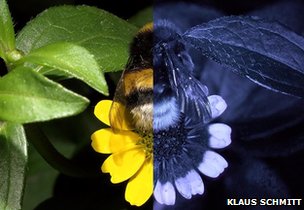
මී මැස්සන්ට පෙන්නේ වෙන විදිහක්... අපේම උනත් ආර්ට් සීන් වල ඉන්න කෙනෙක්ට එකම එකේ වෙන වෙන පාට පේනවානේ...කෙල්ලෙක් අදුම් ගන්නකොට වුනත් එහෙමනේ..
ඔකේ මට හිතා ගන්න බැරිදේ තමයි සූර්යායාගේ උපරිම විකිරණ තරංග ආයාමයි අපේ දෘශ්ය පරාසයයි පරිනාමයේදී ගානටම සමපාත වුන හැටි.. ඉරෙන් පාරජම්බුල,අදෝරක්ත වගේ කිරණ ආවට ඇහ ඒකට සංවේදී වුන්ර්ර් නෑනේ
ඔකේ මට හිතා ගන්න බැරිදේ තමයි සූර්යායාගේ උපරිම විකිරණ තරංග ආයාමයි අපේ දෘශ්ය පරාසයයි පරිනාමයේදී ගානටම සමපාත වුන හැටි.. ඉරෙන් පාරජම්බුල,අදෝරක්ත වගේ කිරණ ආවට ඇහ ඒකට සංවේදී වුන්ර්ර් නෑනේ

matat podi kaale idanma thibba hena prashnayak.

Dogs only see black and white
This is not correct!
"Dogs can only see blue, yellow and some shades of gray. Dogs would see a rainbow as dark yellow (sort of brownish), light yellow, gray, light blue and dark blue. Dogs don't see red, purple (violet), or orange as we do."

ඔය ප්රශ්නෙ මටත් ඔය විදිහටම තියෙනව.
උඹ කියන දේ වෙන්න පුලුවන්. අපිට රතු පාට වෙන කෙනෙක්ට වෙන පාටක් වෙන්න පුලුවන්. පොඩි කාලෙ ඉඳන් ඒ පේන පාටට කියන නම රතු....
උඹ කියන දේ වෙන්න පුලුවන්. අපිට රතු පාට වෙන කෙනෙක්ට වෙන පාටක් වෙන්න පුලුවන්. පොඩි කාලෙ ඉඳන් ඒ පේන පාටට කියන නම රතු....


Visible range eka 380nm to 750nm ne.moleta detect kranna puluwan ochchara thamai.මී මැස්සන්ට පෙන්නේ වෙන විදිහක්... අපේම උනත් ආර්ට් සීන් වල ඉන්න කෙනෙක්ට එකම එකේ වෙන වෙන පාට පේනවානේ...කෙල්ලෙක් අදුම් ගන්නකොට වුනත් එහෙමනේ..
View attachment 102648
ඔකේ මට හිතා ගන්න බැරිදේ තමයි සූර්යායාගේ උපරිම විකිරණ තරංග ආයාමයි අපේ දෘශ්ය පරාසයයි පරිනාමයේදී ගානටම සමපාත වුන හැටි.. ඉරෙන් පාරජම්බුල,අදෝරක්ත වගේ කිරණ ආවට ඇහ ඒකට සංවේදී වුන්ර්ර් නෑනේ
ඒහෙම පරිනාමය වුනේ සූර්යා උපරිම ක්මතාවකින් නිකුත් කරන තරංගවල තරංග ආයමය ඔය රේන්ජ් එකට වැටෙන නිසා...නැත්තන් වෙන රේන්ජ් එකකට සෙන්සිටිව් වෙන්න තිබ්බනේVisible range eka 380nm to 750nm ne.moleta detect kranna puluwan ochchara thamai.


