


මාතරට කඩියෙක් ඇවිත් කෑවොත් බෙහෙත් ගන්න වෙ
ජලගැල්මෙන් පසු මාතර නගරයේ බෝවී සිටිතියි කියන කඩියන් විශේෂයක් දෂ්ඨ කිරීමෙන් පසු විස වෙතැයි කියන සිද්ධිය ගැන අධ්යනයක් කරන බව කැලණිය විශ්ව විද්යාලයේ සත්ව අධ්යන අංශය පවසයි
මෙම කඩි දෂ්ඨ කිරීමෙන් පසු ඔවුනට පිටගැස්මට ලබාදෙන එන්නත සහ වේදනා නාශක බෙහෙත් ලබාදෙන බව මාතර මහ රෝහල පවසයි
මොවුන් දෂ්ඨ කිරීමෙන් පසු ඇගේ ලප හා ශරීරයේ කොටස් පණ නැතිවීමේ ලක්ෂණ ඇතිවේ
එය සතියක් පමණ පවතී
මාතර තාරකාකොටුව මාතර මහරෝහල අසල හා කොට්ටම්බ ගස් අසල මෙම කඩියන් බහුලව සිටී

මේගොල්ලො මට පේන විදිහට නම් jack jumper ants or bull ants ලා
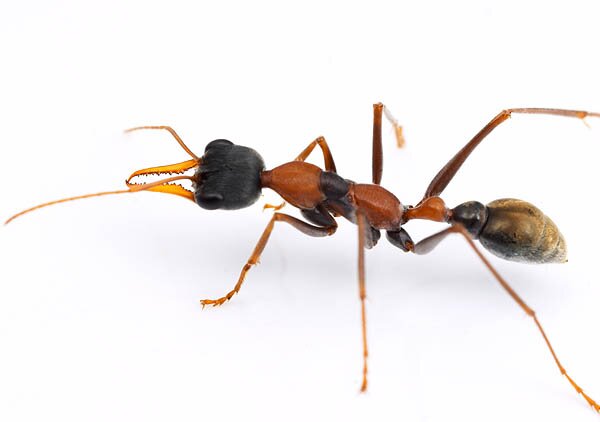
The jack jumper ant, hopper ant, jumper ant or jumping jack, Myrmecia pilosula, is a species of bull ant that is native to Australia. The ants are recorded throughout the country, but are most often found in Tasmania, rural Victoria, New South Wales, Australian Capital Territory and the southeast area of South Australia.
These ants are black or red and black, and may have yellow or orange legs, antennae and mandibles. They are 10-12 mm long. Their characteristic jumping motion when in an agitated state gave them their name. Their nests may be inconspicuously hidden under a rock, or may be formed from a 20 to 60 cm diameter mound of finely granular gravel.
As with many species of bull ants, jack jumper ants are usually solitary when they forage, though they live in colonies like most ants, and only workers forage. They are highly territorial; fights among jack jumper ants from different, and even the same, colonies are not uncommon.
Jack jumper ants are carnivores and scavengers. They sting their victims with venom that is similar to stings of wasps, bees, and fire ants. Their venom is one of the most powerful in the insect world. Jack jumper ants are proven hunters; even wasps are hunted and devoured. These ants have excellent vision, which aids them in hunting.
The symptoms of the stings of the ants are similar to stings of the fire ants. The reaction is local swelling and reddening, and fever, followed by formation of a blister. The heart rate increases, and blood pressure falls rapidly. In individuals allergic to the venom (about 3% of cases), a sting sometimes causes anaphylactic shock.[1] Although 3% may seem small, jack jumper ants cause more deaths in Tasmania than spiders, snakes, wasps, and sharks combined.[2]
Treatment is very similar to wasp and bee stings. There is also an allergy immunotherapy program developed for jack jumper stings using their own venom.[3]
මේ වර්ගයේ ජාතියක් ඉන්දියාවෙත් ඉන්නවා
මේකා කෑවහම හරියට ගරැණ්ඩා කැවා වහේ තරැ පේනවා අනික එලව එලවා කනවා
best thing is identify and keep away these ants
ජලගැල්මෙන් පසු මාතර නගරයේ බෝවී සිටිතියි කියන කඩියන් විශේෂයක් දෂ්ඨ කිරීමෙන් පසු විස වෙතැයි කියන සිද්ධිය ගැන අධ්යනයක් කරන බව කැලණිය විශ්ව විද්යාලයේ සත්ව අධ්යන අංශය පවසයි
මෙම කඩි දෂ්ඨ කිරීමෙන් පසු ඔවුනට පිටගැස්මට ලබාදෙන එන්නත සහ වේදනා නාශක බෙහෙත් ලබාදෙන බව මාතර මහ රෝහල පවසයි
මොවුන් දෂ්ඨ කිරීමෙන් පසු ඇගේ ලප හා ශරීරයේ කොටස් පණ නැතිවීමේ ලක්ෂණ ඇතිවේ
එය සතියක් පමණ පවතී
මාතර තාරකාකොටුව මාතර මහරෝහල අසල හා කොට්ටම්බ ගස් අසල මෙම කඩියන් බහුලව සිටී

මේගොල්ලො මට පේන විදිහට නම් jack jumper ants or bull ants ලා
The jack jumper ant, hopper ant, jumper ant or jumping jack, Myrmecia pilosula, is a species of bull ant that is native to Australia. The ants are recorded throughout the country, but are most often found in Tasmania, rural Victoria, New South Wales, Australian Capital Territory and the southeast area of South Australia.
These ants are black or red and black, and may have yellow or orange legs, antennae and mandibles. They are 10-12 mm long. Their characteristic jumping motion when in an agitated state gave them their name. Their nests may be inconspicuously hidden under a rock, or may be formed from a 20 to 60 cm diameter mound of finely granular gravel.
As with many species of bull ants, jack jumper ants are usually solitary when they forage, though they live in colonies like most ants, and only workers forage. They are highly territorial; fights among jack jumper ants from different, and even the same, colonies are not uncommon.
Jack jumper ants are carnivores and scavengers. They sting their victims with venom that is similar to stings of wasps, bees, and fire ants. Their venom is one of the most powerful in the insect world. Jack jumper ants are proven hunters; even wasps are hunted and devoured. These ants have excellent vision, which aids them in hunting.
The symptoms of the stings of the ants are similar to stings of the fire ants. The reaction is local swelling and reddening, and fever, followed by formation of a blister. The heart rate increases, and blood pressure falls rapidly. In individuals allergic to the venom (about 3% of cases), a sting sometimes causes anaphylactic shock.[1] Although 3% may seem small, jack jumper ants cause more deaths in Tasmania than spiders, snakes, wasps, and sharks combined.[2]
Treatment is very similar to wasp and bee stings. There is also an allergy immunotherapy program developed for jack jumper stings using their own venom.[3]
මේ වර්ගයේ ජාතියක් ඉන්දියාවෙත් ඉන්නවා
මේකා කෑවහම හරියට ගරැණ්ඩා කැවා වහේ තරැ පේනවා අනික එලව එලවා කනවා
best thing is identify and keep away these ants


