


අද සුනාමිය ආ දවසයි. සුනාමිය ගැන කියවන්න 

Sea Gypsies ල මුන් ජීවිතේම ඉන්නෙ මුහුද මැද්දෙ ගෙවල් හදාගෙන. භූමිකම්පා ගැනවත් තරංග ගැනවත් මෙලෝ අධ්යාපනයක් ලබන්නෑ  සුනාමියක් ඇති වෙන විදිහ ගැනවත් අවබෝධයක් නැතුව ඇති. ඒත් 2004 සුනාමිය එන්න ටිකකට කලිං මුන් ගෙවල් දොරවල් අතෑරල ගොඩට ගිහිං උස තැන් හොයාගෙන යනව. ඒත් මියන්මාරෙ තායිලන්තෙ එහෙම මාලු අල්ලන්න යන මිනිස්සු සුනාමියට අහුවෙලා මැරෙනව. උන්ට දකින්න බැරිවෙනව සුනාමියක් එන බව.
හරි හමං සාක්ශරතාවයක් නැති, කටවහරින් දැනුම පරම්පරාවෙන් පරම්පරාවට උරුම කරන ගෝත්රයකට කොහොමද සුනාමියක් කල් තියා පුරෝකථනය කරන්න හැකියාව ලැබුනෙ ? ඒත් ඇයි පරම්පරා ගානක් ධීවර කර්මාන්තයේ යෙදුන මියන්මාරෙ තායිලන්තෙ ධීවරයන්ට සුනාමියක් එනව කියල දැනගන්න බැරුව මැරිල ගියෙ ?
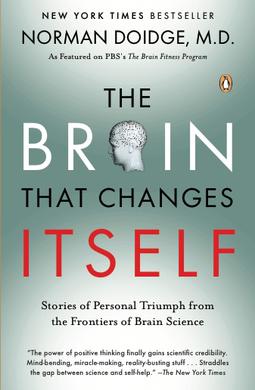
සංස්කෘතිය
මේ තියෙන්නෙ The Brain that Changes Itself පොතේ Sea Gypsies ල ගැන කියවෙන කොටස
සී ජිප්සීස් ලයි සුනාමියයි ගැනයි තියෙන කොටස් නිල්පාට කල්ල තියෙනව
සංස්කෘතිය ලෝකය දකින විදිහ වෙනස් කිරීම ගැන තියෙන කොටස් රතු පාටින්
හැබැයි වාසනාවකට අපේ රටේ මිනිස්සු නම් සංස්කෘතියෙන් සංස්කෘතියට මිනිස්සු ලෝකය දකින විදිහ වෙනස් වෙනව කියන අයට මෙන්ටල් කියල හිතං ඉන්නෙ බටහිර විද්යාව සමස්තය කොටස් වලට වෙන් කල්ල කොටසෙන් කොටස විශ්ලේෂණය කලාට අපේ චින්තනේ තියෙන්නෙ කොටස් වලට වෙන් නොකර සමස්තය දැකීමක් කිව්වාම ඒ කියන අයට මැන්ටල් කොටින්ම විද්යාවවත් බටහිර නෙමේ. ලෝකෙ පුරා හැම කාලෙම හැමතැනම තිබිල තියෙන්නෙ ඒ ක්රමේ විතරයි අපේ චින්තනය රැක ගන්න ඕනෙම නෑ බටහිර විද්යාවෙන් තමා හැම දෙයක් ගැනම හරියටම අනාවැකි කියන්න පුලුවන්
sarcasm ඇති මේ තියෙන්නෙ ලෝකෙම බටහිරකරණය නොවී වෙනස් සංස්කෘතීන් සහ ඒ සංස්කෘතීන් වල චින්තනයන් රැකගන්න ඕනෙ එක හේතුවක්. බටහිර විද්යාව මුහුද වෙන් කරනව ඩොල්ෆින්ල වෙන් කරනව. අලි වෙන් කරනව. වෙන් කරල එක එක දේ ගැන වෙන වෙනම අධ්යනය කරනව. අන්තිමට සුනාමි අනතුරු ඇඟවීම් වලට පාවිච්චි කරන්නෙ මුහුද විතරයි. ඩොල්ෆින්ල අලි අධ්යනය කරන්නෙ ජීව විද්යාවෙන් වෙනම. ඒත් සී ජිප්සීස් ලගෙ චින්තනය කොටස් වලට වෙන් නොකර සමස්තය දකින්න පුරුදු කරපු චින්තනයක්. ඒ නිසා උන්ට පුලුවන් වුනා සමස්තය දැකල විශාල රැල්ලක් එනව කියල තේරුම් අරගෙන ආරක්ශිත ස්ථාන වලට යන්න.
sources
https://www.theguardian.com/global-...ndian-ocean-tsunami-moken-sea-nomads-thailand
https://en.wikipedia.org/wiki/The_Brain_That_Changes_Itself

Sea Gypsies ල
මුන් ජීවිතේම ඉන්නෙ මුහුද මැද්දෙ ගෙවල් හදාගෙන. භූමිකම්පා ගැනවත් තරංග ගැනවත් මෙලෝ අධ්යාපනයක් ලබන්නෑ සුනාමියක් ඇති වෙන විදිහ ගැනවත් අවබෝධයක් නැතුව ඇති. ඒත් 2004 සුනාමිය එන්න ටිකකට කලිං මුන් ගෙවල් දොරවල් අතෑරල ගොඩට ගිහිං උස තැන් හොයාගෙන යනව. ඒත් මියන්මාරෙ තායිලන්තෙ එහෙම මාලු අල්ලන්න යන මිනිස්සු සුනාමියට අහුවෙලා මැරෙනව. උන්ට දකින්න බැරිවෙනව සුනාමියක් එන බව. හරි හමං සාක්ශරතාවයක් නැති, කටවහරින් දැනුම පරම්පරාවෙන් පරම්පරාවට උරුම කරන ගෝත්රයකට කොහොමද සුනාමියක් කල් තියා පුරෝකථනය කරන්න හැකියාව ලැබුනෙ ? ඒත් ඇයි පරම්පරා ගානක් ධීවර කර්මාන්තයේ යෙදුන මියන්මාරෙ තායිලන්තෙ ධීවරයන්ට සුනාමියක් එනව කියල දැනගන්න බැරුව මැරිල ගියෙ ?
සංස්කෘතිය
මේ තියෙන්නෙ The Brain that Changes Itself පොතේ Sea Gypsies ල ගැන කියවෙන කොටස
සී ජිප්සීස් ලයි සුනාමියයි ගැනයි තියෙන කොටස් නිල්පාට කල්ල තියෙනව
සංස්කෘතිය ලෝකය දකින විදිහ වෙනස් කිරීම ගැන තියෙන කොටස් රතු පාටින්
Sensing and Perceiving Are Plastic“Perceptual learning” is the kind of learning that occurs whenever the brain learns how to perceive with more acuteness or, as occurs in the Sea Gypsies, in a new way and in the process develops new brain maps and structures. Perceptual learning is also involved in the plasticity-based structural change that occurs when Merzenich’s Fast ForWord helps children with auditory discrimination problems develop more refined brain maps, so they can hear normal speech for the first time.
It has long been assumed that we absorb culture through universally shared, standard-issue, human perceptual equipment, but perceptual learning shows that this assumption is not completely accurate. To a larger degree than we suspected, culture determines what we can and cannot perceive.
One of the first people to begin thinking about how plasticity must change the way we think about culture was the Canadian cognitive neuroscientist Merlin Donald, who argued in 2000 that culture changes our functional cognitive architecture, meaning that, as with learning to read and write, mental functions are reorganized. We now know that for this to happen, anatomical structures must change too. Donald also argued that complex cultural activities like literacy and language change brain functions, but our most basic brain functions such as vision and memory are not altered. As he put it, “No one suggests that culture determines anything fundamental about vision or basic memory capacity. However, this is obviously not true of the functional architecture of literacy and probably not of language.”
Yet in the few years since that statement, it has become clear that even such brain fundamentals as visual processing and memory capacity are to some extent neuroplastic. The idea that culture may change such fundamental brain activities as sight and perception is a radical one. While almost all social scientists—anthropologists, sociologists, psychologists—concede that different cultures interpret the world differently, most scientists and lay people assumed for several thousand years—as the University of Michigan social psychologist Richard E. Nisbett puts it—that “where people in one culture differ from those in another in their beliefs, it can’t be because they have different cognitive processes. Rather, they must have been exposed to different aspects of the world, or taught different things.” The most famous European psychologist of the mid-twentieth century, Jean Piaget, believed he showed, in a series of brilliant experiments on European children, that perceiving and reasoning unfold in development in the same way for all human beings, and that these processes are universal. True, scholars, travelers, and anthropologists had long observed that the peoples of the East (those Asian peoples influenced by Chinese traditions) and those of the West (the heirs to the traditions of the ancient Greeks) perceive in different ways, but scientists assumed these differences were based on different interpretations of what was seen, not on microscopic differences in their perceptual equipment and structures.
For instance, it was often observed that Westerners approach the world “analytically,” dividing what they observe into individual parts. Easterners tend to approach the world more “holistically,” perceiving by looking at “the whole,” and emphasizing the interrelatedness of all things. It was also observed that the differing cognitive styles of the analytic West and the holistic East parallel differences between the brain’s two hemispheres. The left hemisphere tends to perform more sequential and analytical processing, while the right hemisphere is often engaged in simultaneous and holistic processing. Were these different ways of seeing the world based on different interpretations of what was seen, or were Easterners and Westerners actually seeing different things?
The answer was unclear because almost all the studies of perception had been done by Western academics on Westerners—typically, on their own American college students—until Nisbett designed experiments to compare perception in the East and the West, working with colleagues in the United States, China, Korea, and Japan. He did so reluctantly because he believed that we all perceive and reason in the same way.
In a typical experiment, Nisbett’s Japanese student, Take Masuda, showed students in the United States and Japan eight color animations of fish swimming under water. Each scene had one “focal fish” that moved faster or was bigger, brighter, or more prominent than the other smaller fish it swam among.
When asked to describe the scene, the Americans usually referred to the focal fish. The Japanese referred to the less prominent fish, background rocks, plants, and animals 70 percent more often than did the Americans. Subjects were then shown some of these objects by themselves, not as part of the original scene. The Americans recognized the objects whether they were shown in the original scene or not. The Japanese were better able to recognize an object if it was shown in the original scene. They perceived the object in terms of what it had been “bound” to. Nisbett and Masuda also measured how quickly subjects recognized objects—a test of how automatic their perceptual processing was. When objects were put against a new background, the Japanese made mistakes. The Americans did not. These aspects of perception are not under our conscious control and are dependent on trained neuronal circuits and brain maps.
These experiments and many others like them confirm that Easterners perceive holistically, viewing objects as they are related to each other or in a context, whereas Westerners perceive them in isolation. Easterners see through a wide-angle lens; Westerners use a narrow one with a sharper focus. Everything we know about plasticity suggests that these different ways of perceiving, repeated hundreds of times a day, in massed practice, must lead to changes in neural networks responsible for sensing and perceiving. High-resolution brain scans of Easterners and Westerners sensing and perceiving could likely settle the matter.
Further experiments by Nisbett’s team confirm that when people change cultures, they learn to perceive in a new way. After several years in America the Japanese begin to perceive in a way indistinguishable from Americans, so clearly the perceptual differences are not based on genetics. The children of Asian-American immigrants perceive in a way that reflects both cultures. Because they are subject to Eastern influences at home and Western influences at school and elsewhere, they sometimes process scenes holistically, and sometimes they focus on prominent objects. Other studies show that people raised in a bicultural situation actually alternate between Western and Eastern perception. Hong Kongers, having lived under both a British and a Chinese influence, can be “primed” to perceive in either Eastern or Western fashion by experiments showing them a Western image of Mickey Mouse or the U.S. Capitol, or an Eastern image of a temple or a dragon. Nisbett and his colleagues are thus doing the first experiments that demonstrate cross-cultural “perceptual learning.”
Culture can influence the development of perceptual learning because perception is not (as many assume) a passive, “bottom up” process that begins when energy in the outside world strikes the sense receptors, then passes signals to the “higher” perceptual centers in the brain. The perceiving brain is active and always adjusting itself. Seeing is as active as touching, when we run our fingers over an object to discover its texture and shape. Indeed, the stationary eye is virtually incapable of perceiving a complex object. Both our sensory and our motor cortices are always involved in perceiving. The neuroscientists Manfred Fahle and Tomaso Poggio have shown experimentally that “higher” levels of perception affect how neuroplastic change in the “lower,” sensory parts of the brain develops.
The fact that cultures differ in perception is not proof that one perceptual act is as good as the next, or that “everything is relative” when it comes to perception. Clearly some contexts call for a more narrow angle of view, and some for more wide-angle, holistic perception. The Sea Gypsies have survived using a combination of their experience of the sea and holistic perception. So attuned are they to the moods of the sea that when the tsunami of December 26, 2004, hit the Indian Ocean, killing hundreds of thousands, they all survived. They saw that the sea had begun to recede in a strange way, and this drawing back was followed by an unusually small wave; they saw dolphins begin to swim for deeper water, while the elephants started stampeding to higher ground, and they heard the cicadas fall silent. The Sea Gypsies began telling each other their ancient story about “The Wave That Eats People,” saying it had come again. Long before modern science put this all together, they had either fled the sea to the shore, seeking the highest ground, or gone into very deep waters, where they also survived. What they were able to do, as more modern people under the influence of analytical science were not, was put all these unusual events together and see the whole, using an exceptionally wide-angle lens, exceptional even by Eastern standards. Indeed, Burmese boatmen were also at sea when these preternatural events were occurring, but they did not survive. A Sea Gypsy was asked how it was that the Burmese, who also knew the sea, all perished.
He replied, “They were looking at squid. They were not looking at anything. They saw nothing, they looked at nothing. They don’t know how to look.”
හැබැයි වාසනාවකට අපේ රටේ මිනිස්සු නම් සංස්කෘතියෙන් සංස්කෘතියට මිනිස්සු ලෝකය දකින විදිහ වෙනස් වෙනව කියන අයට මෙන්ටල් කියල හිතං ඉන්නෙ
බටහිර විද්යාව සමස්තය කොටස් වලට වෙන් කල්ල කොටසෙන් කොටස විශ්ලේෂණය කලාට අපේ චින්තනේ තියෙන්නෙ කොටස් වලට වෙන් නොකර සමස්තය දැකීමක් කිව්වාම ඒ කියන අයට මැන්ටල් කොටින්ම විද්යාවවත් බටහිර නෙමේ. ලෝකෙ පුරා හැම කාලෙම හැමතැනම තිබිල තියෙන්නෙ ඒ ක්රමේ විතරයි අපේ චින්තනය රැක ගන්න ඕනෙම නෑ බටහිර විද්යාවෙන් තමා හැම දෙයක් ගැනම හරියටම අනාවැකි කියන්න පුලුවන් sarcasm ඇති
මේ තියෙන්නෙ ලෝකෙම බටහිරකරණය නොවී වෙනස් සංස්කෘතීන් සහ ඒ සංස්කෘතීන් වල චින්තනයන් රැකගන්න ඕනෙ එක හේතුවක්. බටහිර විද්යාව මුහුද වෙන් කරනව ඩොල්ෆින්ල වෙන් කරනව. අලි වෙන් කරනව. වෙන් කරල එක එක දේ ගැන වෙන වෙනම අධ්යනය කරනව. අන්තිමට සුනාමි අනතුරු ඇඟවීම් වලට පාවිච්චි කරන්නෙ මුහුද විතරයි. ඩොල්ෆින්ල අලි අධ්යනය කරන්නෙ ජීව විද්යාවෙන් වෙනම. ඒත් සී ජිප්සීස් ලගෙ චින්තනය කොටස් වලට වෙන් නොකර සමස්තය දකින්න පුරුදු කරපු චින්තනයක්. ඒ නිසා උන්ට පුලුවන් වුනා සමස්තය දැකල විශාල රැල්ලක් එනව කියල තේරුම් අරගෙන ආරක්ශිත ස්ථාන වලට යන්න.sources
https://www.theguardian.com/global-...ndian-ocean-tsunami-moken-sea-nomads-thailand
https://en.wikipedia.org/wiki/The_Brain_That_Changes_Itself
Last edited:


 සුනාමි අනතුරු ඇඟවීම් නිකුත් කරල සුනාමි එන්නැති අවස්ථා ? ඒව පේන්නෑ ඒව සම්භාවිතාවය
  දැන් මං මේකෙ කොහෙවත් කියල තියෙනවද මේ මිනිස්සු කේන්දරේ බලල සුනාමියෙන් බේරුනේ කියල ? ත්රෙඩ් දෙකක් පැටලිලාද මන්ද

 උඹල හිතං ඉන්නෙ ජ්යෝතිශය කියන්නෙ මේ නිකං වැඩක් නැතුව කටඇරං අහස බලං ඉඳල තරු දැකල හිතිච්චි හිතිච්චි දේ කියල ගොඩනඟපු ශාස්ත්රයක් කියල


