

Latest ads
-
 iphone x used
- AssassiN1
- Updated:
-
 කිතුල් තලප
- Manoj Suranga Bandara
- Updated:
-
 AWS Certified Solutions Architect-Associate + AWS Certified Cloud Practitioner
- Sanjeewani95
- Updated:
-
 🚀 එක පැකේජ් එකයි - මාසෙටම Unlimited Internet! 🌐
- sayuru bandara
- Updated:
☢️👨💻⚠️ මිනිස් ඉතිහාසයේ වාර්තා වූ බරපතලම මෘදුකාංග දෝෂය - "Therac-25" ඛේදවාචකය ⚠️👨💻☢️
- Thread starter Stimulus mind
- Start date
You are using an out of date browser. It may not display this or other websites correctly.
You should upgrade or use an alternative browser.
You should upgrade or use an alternative browser.

There was another incident too. About 15 years after the Therac-25 incident in November 2000 at the National Cancer Institute in Panama twenty-eight patients were exposed to dangerous levels of radiation due to a series of faulty calculations caused by a lack of proper software testing.
The Cobalt-60 machine in Panama was overused and under maintained due to a lack of proper funding as well as understaffing issues. For this reason, some of the physicists were motivated to test a new method on how to align the shields in the hopes of not only making the entire process easier but also providing extra protection for their patients. Instead of applying the usual four blocks, they implemented a fifth one with no objections from the software or the accompanying manual and noticed that they were even able to create composite shapes, such as a rectangle with triangles in each corner, in the 3D pictures of the shields.
However, what they didn’t expect was that the addition of the extra block as well as the fact that the software was unable to accurately recognize the shapes would lead to a miscalculation of treatment times. Therefore, depending on the amount of treatments a patient received, they were subjected to radiation levels 20 to 100% more than the prescribed dose putting them well into dangerous zones of exposure.
Now, more than 35 years later the software design for medical equipment have changed with safer user interface design and built in defensive safety critical error detection & checks. Because making the user interface easy can sometimes compromise the safety.
The Cobalt-60 machine in Panama was overused and under maintained due to a lack of proper funding as well as understaffing issues. For this reason, some of the physicists were motivated to test a new method on how to align the shields in the hopes of not only making the entire process easier but also providing extra protection for their patients. Instead of applying the usual four blocks, they implemented a fifth one with no objections from the software or the accompanying manual and noticed that they were even able to create composite shapes, such as a rectangle with triangles in each corner, in the 3D pictures of the shields.
However, what they didn’t expect was that the addition of the extra block as well as the fact that the software was unable to accurately recognize the shapes would lead to a miscalculation of treatment times. Therefore, depending on the amount of treatments a patient received, they were subjected to radiation levels 20 to 100% more than the prescribed dose putting them well into dangerous zones of exposure.
Now, more than 35 years later the software design for medical equipment have changed with safer user interface design and built in defensive safety critical error detection & checks. Because making the user interface easy can sometimes compromise the safety.


Software & IT kiyanne Medical subject ekata wada sahenna advanced wagema vital field ekak ,
eka kiwwe meeta kalelkata kalin EK loku debate ekak giya SAITM genna hadpu kale Doctors,Medical Students Vs Software Engineers IT Professionals la.
Specialized Fields walata wada karana ewun thama danne ewaye complexity eka,
pitin balala idea denna ba katwath,
hama industry ekakma adu kalekin loku boost ekakin diyunu wune IT wala Rapid development eka hinda,
e wagema issarahata job nathiwenneth IT hindama thamayi.
eka kiwwe meeta kalelkata kalin EK loku debate ekak giya SAITM genna hadpu kale Doctors,Medical Students Vs Software Engineers IT Professionals la.
Specialized Fields walata wada karana ewun thama danne ewaye complexity eka,
pitin balala idea denna ba katwath,
hama industry ekakma adu kalekin loku boost ekakin diyunu wune IT wala Rapid development eka hinda,
e wagema issarahata job nathiwenneth IT hindama thamayi.


https://elakiri.com/threads/මාර-සීන්-එක-නේ.2121915/
මම මේ ත්රෙඩ් එක දැම්මෙ සැප්තැම්බර් 12
පක්කු ටික මට කියල තියෙන දේවල්
මම මේ ත්රෙඩ් එක දැම්මෙ සැප්තැම්බර් 12
පක්කු ටික මට කියල තියෙන දේවල්


පිළිකා සෛල විනාශ කරන්න පාවිච්චි කරපු "Therac-25" කියන විකිරණ ප්රතිකාර යන්ත්රයේ (Radiation therapy machine) තිබ්බ මෘදුකාංග දෝෂයක් නිසා පිළිකා රෝගීන් ගණනාවකට අවාසනාවන්ත විදිහට මරු වැළදගන්න සිදුවුණු සිදුවීමක් ගැන තමයි මේ වීඩියෝවෙන් කතා කරන්නෙ. වීඩියෝ එක දිග වැඩියි කියලා නොබලා ඉන්න එපා.
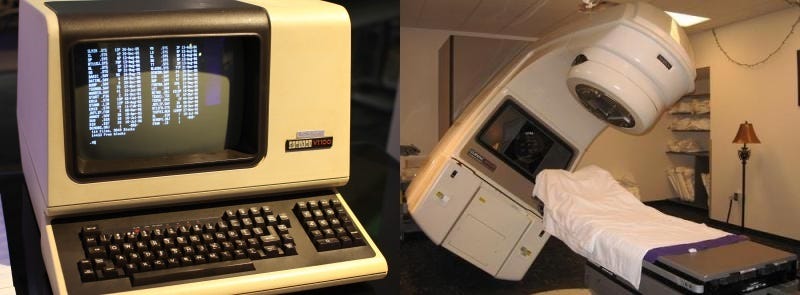
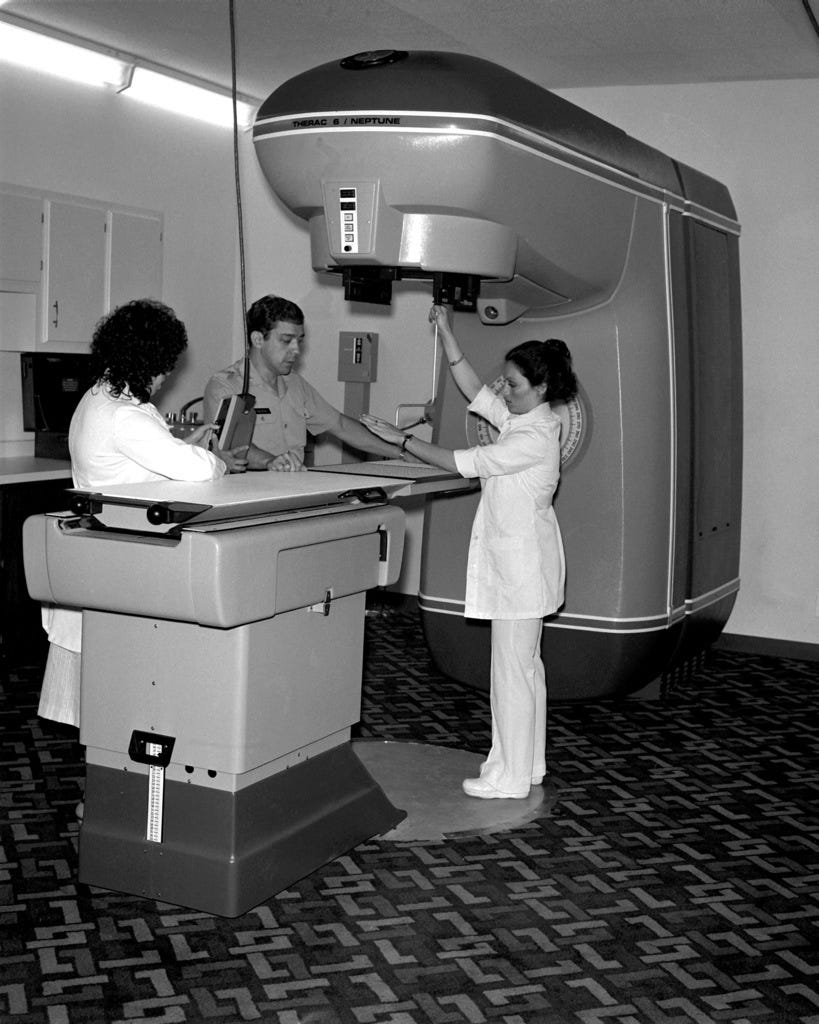
"Therac-25" විකිරණ ප්රතිකාර යන්ත්රය (Radiation therapy machine)
Therac-25


bump