
Latest ads
-
 RHCSA, RHCE, AWS, Docker, Kubernetes Training
- Sanjeewani95
- Updated:
-
 🛡️ Kaspersky Antivirus – 1 Year / 1 Device | Rs. 2,300 | Only 9 Left
- KSPathirana
- Updated:
-
Professional CCTV Installation Service
- Techguy231
- Updated:
-
I'll research & write an article - Rs. 2000 onwards
- Blogerwiki
- Updated:
-
 House Plan
- lenura
- Updated:
CEB එක ලංකාවෙ පලවෙනි ග්රිඩ් බැටරි බැකප් ටෙන්ඩරය කැදවයි
- Thread starter Draco Malfoy
- Start date
You are using an out of date browser. It may not display this or other websites correctly.
You should upgrade or use an alternative browser.
You should upgrade or use an alternative browser.

මේ තියෙන්නේ ඔය ප්රොජෙක්ට් එකකින් ප්රයෝජන ගන්න රටක්.
https://www.abc.net.au/news/2025-01...d-grid-takes-giant-bet-on-batteries/104830582
https://www.abc.net.au/news/2025-01...d-grid-takes-giant-bet-on-batteries/104830582
පිස්සුද බන්? මේක ගේන්නේ මේ බයිලේට නෙවෙයි "මේ battery system එක ගේන්නේ ..අතිරික්ත විදුලිය ගබඩා කරලා රාත්රියට use කරන්න . ".ඒ කතාව සම්පූර්ණයෙන් ම වැරදියි ..කොහොමත් transformer එකේ capacity එක මදි නම් සොලර් ගහන්න දෙන්නේ නෑ නේ . එක known fact එකක් , දැනට තියන සොලර් system full capacity එකෙන් වැඩ කරමකොට, demand එක අඩු දවස් වලදී ලංකාවේ grid එක down වෙනවා .. මේක තමයි මාර්තු මාසේ උනේ .එතකොට CEB එක කිව්වා සොලර් off කරන්න කියලා . . එකට solution එකක් හැටියට තමයි මේ battery system එක ගේන්නේ ..අතිරික්ත විදුලිය ගබඩා කරලා රාත්රියට use කරන්න . මේකයි transformer එකයි පටලගන්න එපා .. එක update කරන්නත් ඕනේ .. එත් ඊට කලින් තව මේ වගේ battery system install කරලා grid එකේ capacity එක වැඩි කරලා තියෙන්න ඕනේ .. නැත්නම් ඒවත් full strength එකෙන් වැඩ කරන්න ගත්තම grid එක කලින් සැරේටත් වඩා ඉක්මනින් down වෙනවා ..
අපේ බේස් ලෝඩ් එක මදී. සොලර් වැඩි වෙනකොට fluctuation එක වැඩි. ඒක balance කරන්න. මේකෙන් ග්රිඩ් capacity එක වැඩි වෙන්නේ නැහැ. capacity වැඩි වෙන්න generate කරන්න ඕනේ නැද්ද?
"full strength එකෙන් වැඩ කරන්න ගත්තම grid එක කලින් සැරේටත් වඩා ඉක්මනින් down වෙනවා". full strength වැඩ කරන එක නෙවෙයි අවුල. සොලර් වැඩි වෙලා බේස් load දෙන බලාගාර අඩු කරපු වෙලාවක සොලර් generation එක අඩු උනොත් demand එක match කරන්න බලාගාර ස්ටාර්ට් කරන්න වෙලාව යනවා. ඒ fluctuation එක handle කරන්න තමයි තමයි මේක දාන්නේ.
ට්රාන්ස්ෆොර්ම් එකෙන් එලියට සොලර් generation එක යන විදිහට ගිර්ඩ් එක update කරන්නේ නැතිව සොලර් වල ෆුල් benefit එක ගන්න අමාරුයි. ඔක්කොමටම වඩා බේස් ලෝඩ් එක handle කරන්න පුළුවන් විදිහට බලාගාර හදන්න ඕනේ. දැන්මම සල්ලි ඉතුරැ කලානම් හරි SMR ටිකක් ගන්න.

පිස්සුද බන්? මේක ගේන්නේ මේ බයිලේට නෙවෙයි "මේ battery system එක ගේන්නේ ..අතිරික්ත විදුලිය ගබඩා කරලා රාත්රියට use කරන්න . ".
අපේ බේස් ලෝඩ් එක මදී. සොලර් වැඩි වෙනකොට fluctuation එක වැඩි. ඒක balance කරන්න. මේකෙන් ග්රිඩ් capacity එක වැඩි වෙන්නේ නැහැ. capacity වැඩි වෙන්න generate කරන්න ඕනේ නැද්ද?
"full strength එකෙන් වැඩ කරන්න ගත්තම grid එක කලින් සැරේටත් වඩා ඉක්මනින් down වෙනවා". full strength වැඩ කරන එක නෙවෙයි අවුල. සොලර් වැඩි වෙලා බේස් load දෙන බලාගාර අඩු කරපු වෙලාවක සොලර් generation එක අඩු උනොත් demand එක match කරන්න බලාගාර ස්ටාර්ට් කරන්න වෙලාව යනවා. ඒ fluctuation එක handle කරන්න තමයි තමයි මේක දාන්නේ.
ට්රාන්ස්ෆොර්ම් එකෙන් එලියට සොලර් generation එක යන විදිහට ගිර්ඩ් එක update කරන්නේ නැතිව සොලර් වල ෆුල් benefit එක ගන්න අමාරුයි. ඔක්කොමටම වඩා බේස් ලෝඩ් එක handle කරන්න පුළුවන් විදිහට බලාගාර හදන්න ඕනේ. දැන්මම සල්ලි ඉතුරැ කලානම් හරි SMR ටිකක් ගන්න.

ok එහෙනම් ඇයි දන්නේ නෑ ඔය විදිහට කරන්නේ නැත්තේ ..
google it and learn .
මේකේ තියෙන්නේ 100MW/100MWh යකෝ. එකක් ග්රිඩ් එක UPGRADE කරන එක. අනිත් එක බැට්රයි එක. කලබලෙනේ ඉතින්
ලංකා විදුලිබල මණ්ඩලය (CEB), විදුලිබල පද්ධතියට තවදුරටත් කඩින් කඩ ලැබෙන පුනර්ජනනීය බලශක්ති ප්රභවයන් එක් කර ගැනීම සඳහා, මෙගාවොට් 200ක/මෙගාවොට් පැය 200ක (200MW/200MWh) බැටරි බලශක්ති පද්ධති (BESS) සඳහා ලංසු කැඳවා ඇත.
https://www.ceb.lk/tender-notice/en
Tender Opening date : September 25 2025, Tender Closing date : November 06 2025
මෙම BESS පහසුකම් සඳහා වන මුදල් ආසියානු සංවර්ධන බැංකුවේ (ADB) ණය මුදලකින් ගෙවනු ඇත.
වැඩි පුනර්ජනනීය බලශක්තියක් පද්ධතියට එක් කර ගැනීම සඳහා, ADB විසින් මීට පෙරද ඇමරිකානු ඩොලර් මිලියන 150ක ණය මුදලක් ලබා දී තිබුණි.
මෙම බැටරි පද්ධති කොළොන්නාව ජාතික විදුලිබල උපපොළේ (Kolonnawa grid substation) ස්ථාපනය කිරීමට නියමිතය.
CEB විසින් මෙගාවොට් 100ක/මෙගාවොට් පැය 100ක බැගින් වූ ටෙන්ඩර් දෙකක් කැඳවා ඇත.
මහා පරිමාණ ජල විදුලි බලාගාර හැර අනෙකුත් පුනර්ජනනීය බලශක්ති ප්රභවයන් කඩින් කඩ ලැබෙන බැවින්, වෝල්ටීයතා වෙනස්වීම් හේතුවෙන් විදුලිබල පද්ධතියේ ඇතිවන බිඳවැටීම් වැළැක්වීම සඳහා, සූර්ය හෝ සුළං බලාගාරවල දෘශ්යමාන පිරිවැයට අමතරව, පද්ධතිය සඳහා විශාල ආයෝජන සිදු කිරීමට සිදුවේ.
ඉල්ලුම් හෝ සැපයුම්වල වෙනස්වීම් වලට බැටරි පද්ධති ඉතා වේගයෙන් ප්රතිචාර දැක්වීමට හැකියාව ඇත.
https://elakiri.com/threads/solar-wind-වලට-වාසියක්-640-mwh-බැට්රි-බැකප්-ගන්න-ජාත්යන්තර-ටෙන්ඩර්-කැදවන්න-සූදානම්-වෙයි.2221565/
CEB විසින් මෙගාවොට් 160ක/මෙගාවොට් පැය 640ක (160MW/640MWh) බැටරි බලශක්ති පද්ධති (BESS) සඳහා, වසර 15ක සහනයක් මත පෞද්ගලිකව ඉදිකර, අයිති, ක්රියාත්මක කිරීමේ (Private Build, Own, Operate - BOO) ව්යාපෘතියක් ලෙස වෙනම ලංසු කැඳවා ඇත. එමඟින්, සමස්ත බැටරි ධාරිතාව මෙගාවොට් 360 දක්වාත්/මෙගාවොට් පැය 840 දක්වාත් ඉහළ යනු ඇත.
තවද, CEB විසින් පොම්පාගාර ගබඩා බලාගාරයක් (pump storage plant) ද සැලසුම් කරමින් සිටී. මෙමගින්, මහා පරිමාණ ජල විදුලි බලාගාර මෙන්ම, දශක ගණනාවක් පුරා දීර්ඝ කාලයක් විදුලිය ගබඩා කර තබා ගත හැකි අතර, එය සිදු කරනු ලබන්නේ ජලය ඉහළට පොම්ප කිරීමෙන්, අනුක්රමිකව සකස් කරන ලද වේලි දෙකක් අතර බලශක්තිය ගබඩා කිරීම මගිනි.
https://economynext.com/sri-lanka-ceb-tenders-200mw-bess-with-adb-funds-for-renewables-242873/


ණය ණය නය ඊළඟට නාමල් ට ණය ගෙවලා ඉවරයක් නැති වෙනවාමෙම BESS පහසුකම් සඳහා වන මුදල් ආසියානු සංවර්ධන බැංකුවේ (ADB) ණය මුදලකින් ගෙවනු ඇත.
වැඩි පුනර්ජනනීය බලශක්තියක් පද්ධතියට එක් කර ගැනීම සඳහා, ADB විසින් මීට පෙරද ඇමරිකානු ඩොලර් මිලියන 150ක ණය මුදලක් ලබා දී තිබුණි.

බදු නෙවෙයි හුත්තී ඔය ණයමගේ බදු මුදල් නිවරැදිව භාවිතා වෙනවා.
බදු ගෙවමු.රට හදමු.

------ Post added on Oct 7, 2025 at 6:59 AM

ඔය පලවෙනි එක නෙමේ, දැනටමත් එකක් හම්බන්තොට හදල ඉවරයි. කොරියන් ආධාර වලින් Hyosung හදලා CEB එකට බාරදෙනවා.

Google eken learn karanda puluwan ewath tibe, beri ewath tibe. 200MWH walin අතිරික්ත විදුලිය ගබඩා කරලා රාත්රියට use... wait what.
ok එහෙනම් ඇයි දන්නේ නෑ ඔය විදිහට කරන්නේ නැත්තේ ..
google it and learn .
when night peak is around 2000MW (or more), the 200MWH battery will last 6 minutes

Google eken learn karanda puluwan ewath tibe, beri ewath tibe. 200MWH walin අතිරික්ත විදුලිය ගබඩා කරලා රාත්රියට use... wait what.
when night peak is around 2000MW (or more), the 200MWH battery will last 6 minutes
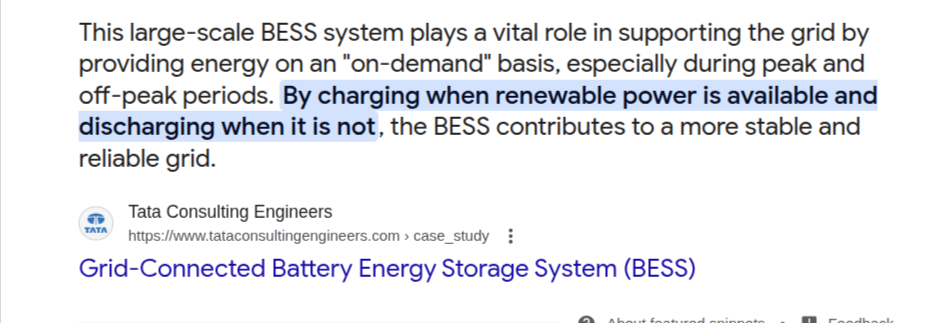
නොදැනුවත් කමට මට කරන්න දෙයක් නෑ ..
,the BESS contributes to a more stable and reliable grid. which means to say handling the fluctuation.
නොදැනුවත් කමට මට කරන්න දෙයක් නෑ ..
Do the math (if you are capable).
(Roughly) Daily generation in Sri Lanka is 40,000 - 45,000 MWH. So the percentage of the battery capacity is 200/40000. So, 0.5%

Last edited:


Thats a pretty shallow way to look at it, mate. You don’t measure the value of a BESS by comparing it to total daily generation , that’s like judging how useful shock absorbers are based on how much petrol a car uses. The battery isn’t there to run the whole country.,the BESS contributes to a more stable and reliable grid. which means to say handling the fluctuation.
Do the math (if you are capable).
(Roughly) Daily generation in Sri Lanka is 40,000 - 45,000 MWH. So the percentage of the battery capacity is 200/40000. So, 0.5%
it’s there to keep the grid from falling on its face when things fluctuate.Even a 0.5% storage capacity can do a lot . stabilizing frequency, handling sudden demand spikes, balancing voltage, and smoothing out renewables. Those are second-to-second fluctuations that your “do the math” approach completely ignores.
That’s why even countries running multi-gigawatt grids install a few hundred MWh of BESS. It’s not about replacing generation; it’s about giving the grid some brains and reflexes.
So before telling others to “do the math,” maybe make sure you actually understand what the math is for.
Last edited:
I'm glad that you have come to some sense finally, "it’s there to keep the grid from falling on its face when things fluctuate." apart from your initial argument "අතිරික්ත විදුලිය ගබඩා කරලා රාත්රියට use කරන්න".Thats a pretty shallow way to look at it, mate. You don’t measure the value of a BESS by comparing it to total daily generation , that’s like judging how useful shock absorbers are based on how much petrol a car uses. The battery isn’t there to run the whole country. it’s there to keep the grid from falling on its face when things fluctuate.
Even a 0.5% storage capacity can do a lot . stabilizing frequency, handling sudden demand spikes, balancing voltage, and smoothing out renewables. Those are second-to-second fluctuations that your “do the math” approach completely ignores.
That’s why even countries running multi-gigawatt grids install a few hundred MWh of BESS. It’s not about replacing generation; it’s about giving the grid some brains and reflexes.
So before telling others to “do the math,” maybe make sure you actually understand what the math is for.
Which I was trying to say ",the BESS contributes to a more stable and reliable grid. which means to say handling the fluctuation."
Good for you.
"when night peak is around 2000MW (or more), the 200MWH battery will last 6 minutes"
Your level of understanding is perfectly explained by that comment . Thinking a 200 MWh BESS is meant to run a 2000 MW grid. That’s not how grids or brains work.
Your level of understanding is perfectly explained by that comment . Thinking a 200 MWh BESS is meant to run a 2000 MW grid. That’s not how grids or brains work.
I might not be a genius as you are."when night peak is around 2000MW (or more), the 200MWH battery will last 6 minutes"
Your level of understanding is perfectly explained by that comment . Thinking a 200 MWh BESS is meant to run a 2000 MW grid. That’s not how grids or brains work.
අතිරික්ත විදුලිය ගබඩා කරලා රාත්රියට use කරන්න. What I am trying to say from the beginning of the discussion is, you cannot do this. The BBS is to "it’s there to keep the grid from falling on its face when things fluctuate." as you have finally understood.
Last edited:
You really should have a basic understanding before commenting like that. BESS systems aren’t meant to run the whole grid.I might not be a genius as you are.
අතිරික්ත විදුලිය ගබඩා කරලා රාත්රියට use කරන්න. What I am trying to say from the beginning of the discussion is, you cannot do this. The BBS is to "it’s there to keep the grid from falling on its face when things fluctuate." as you have finally understood.
'when night peak is around 2000MW (or more), the 200MWH battery will last 6 minute'
They’re there to support it. They store excess renewable energy when it’s available and release it when needed, often during night peaks or sudden demand spikes. Their main job is stabilization, frequency control, and smoothing fluctuations, not powering the country for hours. That’s how most grids around the world use them. so maybe try understanding the system
You really should have a basic understanding before commenting like that. BESS systems aren’t meant to run the whole grid.
'when night peak is around 2000MW (or more), the 200MWH battery will last 6 minute'
They’re there to support it. They store excess renewable energy when it’s available and release it when needed, often during night peaks or sudden demand spikes. Their main job is stabilization, frequency control, and smoothing fluctuations, not powering the country for hours. That’s how most grids around the world use them. so maybe try understanding the system
This is called sarcasm mate, if you understand. 'when night peak is around 2000MW (or more), the 200MWH battery will last 6 minute'.
So the purpose is not"අතිරික්ත විදුලිය ගබඩා කරලා රාත්රියට use කරන්න." Anyway finally you came to sense that "it’s there to keep the grid from falling on its face when things fluctuate." Which is correct.
In all of your comments, you try to say it is for managing the fluctuation, and you have corrected your initial argument. Good for you.
Last edited:
Ha, sarcasm. Great cover-up for getting the basics wrong. Do everyone a favor and learn the difference between storage and generationThis is called sarcasm mate, if you understand. 'when night peak is around 2000MW (or more), the 200MWH battery will last 6 minute'.
So the purpose is not"අතිරික්ත විදුලිය ගබඩා කරලා රාත්රියට use කරන්න." Anyway finally you came to sense that "it’s there to keep the grid from falling on its face when things fluctuate." Which is correct.
In all of your comments, you try to say it is for managing the fluctuation, and you have corrected your initial argument. Good for you.
නොදැනුවත් කමට මට කරන්න දෙයක් නෑ ..
Thats a pretty shallow way to look at it, mate. You don’t measure the value of a BESS by comparing it to total daily generation , that’s like judging how useful shock absorbers are based on how much petrol a car uses. The battery isn’t there to run the whole country.
Even a 0.5% storage capacity can do a lot . stabilizing frequency, handling sudden demand spikes, balancing voltage, and smoothing out renewables. Those are second-to-second fluctuations that your “do the math” approach completely ignores.
That’s why even countries running multi-gigawatt grids install a few hundred MWh of BESS. It’s not about replacing generation; it’s about giving the grid some brains and reflexes.
So before telling others to “do the math,” maybe make sure you actually understand what the math is for.
"when night peak is around 2000MW (or more), the 200MWH battery will last 6 minutes"
Your level of understanding is perfectly explained by that comment . Thinking a 200 MWh BESS is meant to run a 2000 MW grid. That’s not how grids or brains work.
You really should have a basic understanding before commenting like that. BESS systems aren’t meant to run the whole grid.
'when night peak is around 2000MW (or more), the 200MWH battery will last 6 minute'
They’re there to support it. They store excess renewable energy when it’s available and release it when needed, often during night peaks or sudden demand spikes. Their main job is stabilization, frequency control, and smoothing fluctuations, not powering the country for hours. That’s how most grids around the world use them. so maybe try understanding the system
Show me any of your comments, you support your idea "අතිරික්ත විදුලිය ගබඩා කරලා රාත්රියට use කරන්න", I'll vanish like dust.Ha, sarcasm. Great cover-up for getting the basics wrong. Do everyone a favor and learn the difference between storage and generation
Similar threads

- Replies
- 23
- Views
- 731

- Replies
- 17
- Views
- 515

- Replies
- 1
- Views
- 203

- Replies
- 4
- Views
- 228

